 EN

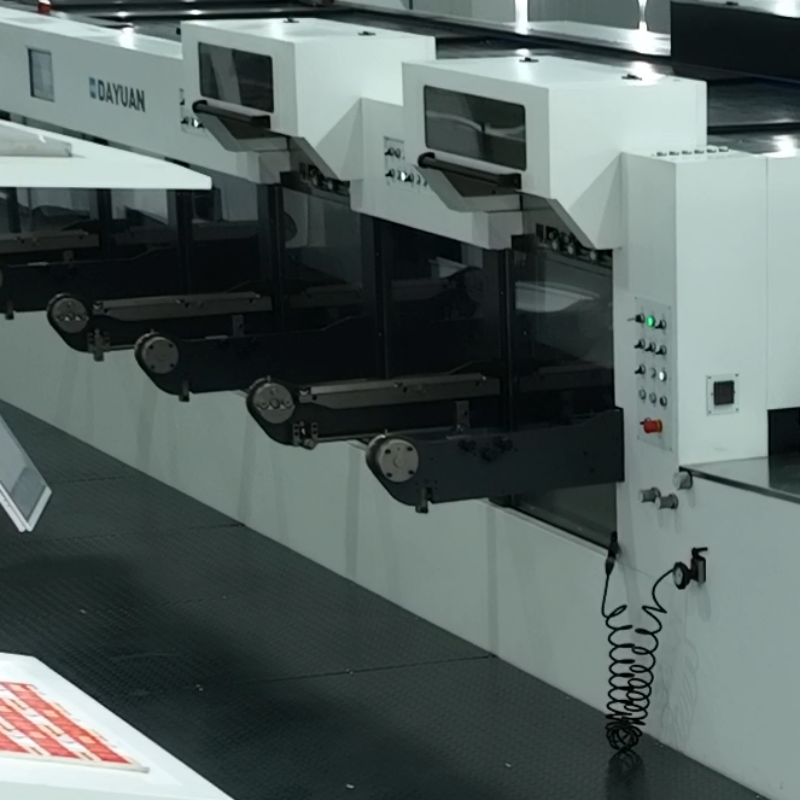
A Dayuan hot stamping machine can achieve consistent registration when sheet feeding, positioning, and stamping operations work together as a coordinated process. Accurate foil placement does not depend on one isolated adjustment. It requires controlling each sheet from feeding through impression while keeping the artwork, stamping die, and substrate correctly aligned. Dayuan's automatic hot foil stamping and die cutting machines combine these operations in different configurations to meet paper packaging production requirements. Understanding these factors helps printers assess machine capabilities and prepare for reliable production.
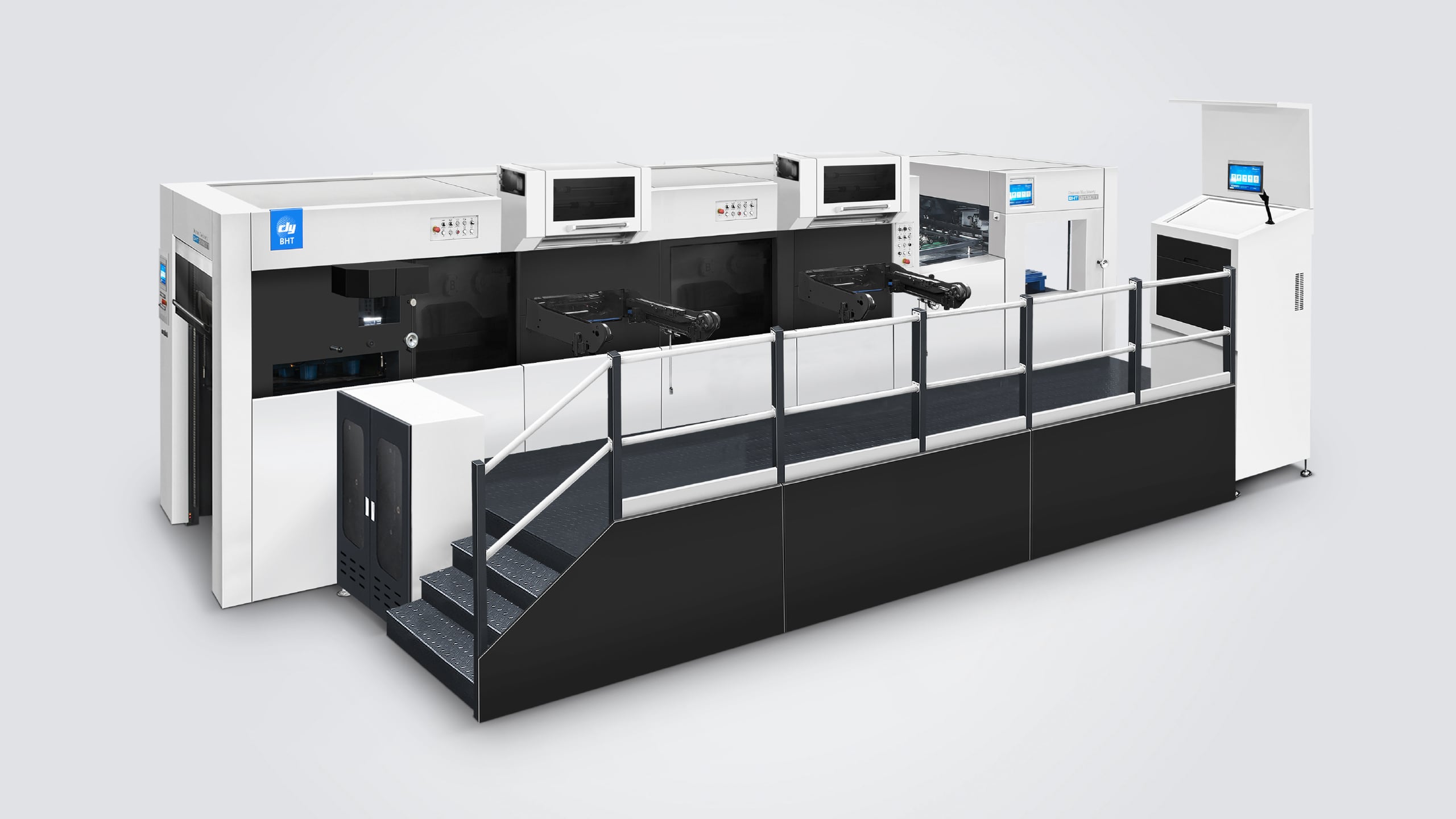
Registration matters because even a small shift can make foil edges look uneven, disturb alignment with printed graphics, or affect the intended visual finish. A hot stamping machine therefore needs repeatable sheet travel and dependable positioning, not simply strong stamping pressure. In a multi-station stamping and die-cutting configuration, coordination becomes especially important because different operations must maintain the same sheet reference throughout the process.
Registration Begins with Controlled Sheet Movement
Consistent Feeding Establishes the Reference
Every sheet entering a hot stamping machine must arrive in a predictable position. If sheets skew, overlap, or vary in their approach to the registration point, the stamping die cannot consistently meet the target area. Reliable feeding and accurate alignment work together: the feeder presents the sheet, while the positioning system establishes the reference for the stamping operation.
Material condition also affects this initial reference. Sheet dimensions, grain direction, curl, stiffness, and surface variation can influence how stock travels through a hot stamping machine. Operators should use properly prepared paperboard and verify feeder settings whenever the material changes. Stable incoming conditions make positioning adjustments more reliable and help reduce variation between impressions.
Grippers and Transfer Timing Preserve Alignment
Once a sheet is registered, it must remain controlled during transfer. A hot stamping machine relies on coordinated gripper movement and mechanical timing to prevent the sheet from shifting before contact with the stamping area. Dayuan's BHT-2S1060TT uses a servo-controlled gripper bar positioning system, with published positioning precision of up to ±0.075 mm. If the sheet moves after registration, a correct initial position alone will not guarantee an accurately placed impression.
Setup should therefore consider the full sheet transfer path rather than only the feeder. Check that the sheet is held securely and moves smoothly through the hot stamping machine without unnecessary drag or interruption. Dayuan's BHT-2S1060TT uses a servo-controlled gripper bar positioning system, with published positioning precision of up to ±0.075 mm. This is a machine-specific positioning parameter, and actual stamping results also depend on sheet condition, tooling, and setup.
Mechanical Coordination Supports Repeatable Impressions
Positioning Must Match the Stamping Action
A hot stamping machine must bring the foil, die, and substrate into the intended relationship at the moment of impression. Accurate registration depends on the positioning system and the machine cycle working together. If timing or alignment changes between cycles, the foil image can move relative to printed details even when the artwork and die are correctly prepared.
Operators can support this coordination by confirming the job reference, die position, and sheet alignment before production. On a hot stamping machine, correcting a small positioning deviation during setup can help prevent repeated misplacement throughout the run. Test impressions should be checked against the intended register marks or printed features, with adjustments made systematically rather than by guesswork.
Stable Pressure and Contact Help Protect Accuracy
Pressure does not replace registration, but uniform contact helps the foil image transfer as intended. A hot stamping machine needs suitable impression conditions across the working area. Excessive or uneven pressure may affect foil transfer and make quality problems harder to diagnose. Pressure settings should be appropriate for the substrate, foil, die, and specific job requirements.
The distinction between positioning precision and stamping accuracy is important when evaluating machine specifications. For the BHT-2S1060TT, Dayuan specifies hot stamping accuracy of up to ±0.1 mm and gripper bar positioning precision of up to ±0.075 mm. These figures describe different aspects of machine performance and should not be treated as interchangeable. In combined stamping and die-cutting production, checking registration through the full process helps identify whether a deviation comes from feeding, transfer, impression, or downstream handling.
Setup Discipline Turns Design into Production Accuracy
Job Preparation Reduces Avoidable Variation
High registration accuracy is easier to maintain when the job is prepared with clear references. Before running a hot stamping machine, confirm the artwork position, die mounting, foil path, sheet dimensions, and intended register points. The press operator should understand which printed edges or marks define correct placement and what level of variation the finished product can tolerate.
A structured make-ready process also helps distinguish machine adjustments from material-related issues. When a hot stamping machine produces inconsistent results, compare several sheets and identify whether the shift follows a consistent direction or appears randomly. A repeated offset may indicate a positioning adjustment, while irregular variation may point to unstable feeding, stock behavior, or sheet handling that needs attention.
Monitoring Keeps a Run Within the Target
Registration should be checked at the beginning of production and at appropriate intervals during the run. A hot stamping machine may need adjustment when stock changes, foil behavior varies, or operating conditions shift. Regular inspection allows operators to identify drift while its cause is still traceable, rather than discovering a large quantity of unsuitable work at the end.
A useful production record includes the material, tooling arrangement, approved settings, observed alignment, and any corrective action. These notes help teams reproduce successful setups and diagnose recurring issues more efficiently. When evaluating the MHK-2S1050TTC DUOPRESS hot stamping and die cutting machine, manufacturers can review its published hot stamping accuracy of up to ±0.1 mm and maximum stamping size of 1,040 × 720 mm against their actual artwork dimensions and registration requirements.
FAQ
What Most Directly Affects Registration Accuracy?
Sheet feeding, initial alignment, transfer control, and consistent impression conditions all contribute to registration accuracy. A hot stamping machine can maintain the intended foil position only when the sheet reaches the stamping area in a repeatable condition. Material preparation and careful job setup are also important because variation in the stock can affect otherwise stable positioning and transfer operations.
Can Material Changes Affect the Register?
Yes. Differences in thickness, stiffness, curl, or surface characteristics can change how sheets feed and travel through the machine. When using a hot stamping machine with a new paper or board specification, operators should verify feeder and registration settings and inspect test sheets before continuing. Each material change should be treated as a reason to confirm process conditions rather than assuming that the previous setup will remain suitable.
How Can Operators Diagnose a Registration Shift?
Compare multiple impressions and identify whether the shift is consistent or variable. A repeated offset may point to a reference or positioning adjustment, while irregular movement may involve feeding or sheet control. Review the complete sequence from loading through transfer on the hot stamping machine, make one controlled correction at a time, and inspect additional sheets to confirm the result.