 EN

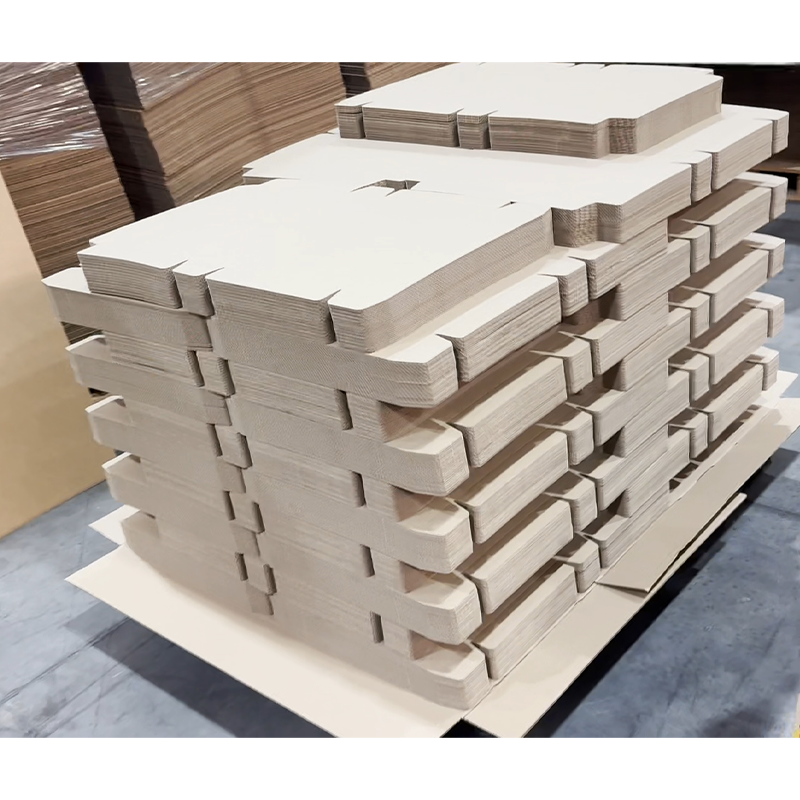
In high-volume paper box manufacturing, cutting and creasing a sheet is only part of the job. The finished box blanks must also be separated from the surrounding waste before they can move to subsequent production stages. A stripping and blanking machine helps automate this stage, reducing dependence on manual waste removal and supporting a more consistent production workflow. Its value is particularly relevant when manufacturers need to manage recurring orders, maintain production flow, and allocate labor efficiently.

The importance of a blanking machine goes beyond automating waste removal. It provides a link between the die-cutting process and the collection of finished carton blanks. When a converting plant handles large production batches, manual stripping can become a bottleneck even when the die-cutting press is operating efficiently. A suitable blanking machine helps coordinate this stage and makes the movement of finished products more manageable.
Production Flow and Throughput at Scale
Removing the Bottleneck After Die Cutting
After die cutting, a sheet contains finished box shapes surrounded by waste material. Some waste sections may remain between individual blanks or around the outer edges of the sheet. Removing these sections manually requires repeated handling and can slow down the next production stage. A blanking machine performs waste separation through a controlled mechanical process, helping manufacturers handle repeated batches without relying entirely on manual stripping.
The production benefit depends on matching the blanking machine to the sheet format, product layout, and required working speed. Operators still need to prepare the tooling, position the material, and check the stripping results. However, automated waste removal can make this stage more consistent and easier to coordinate with the die-cutting process. For manufacturers handling different carton orders, these factors help improve production planning and reduce interruptions between processing stages.
Keeping Downstream Work Supplied
A blanking machine separates finished carton blanks from surrounding waste so that the products can be collected for inspection, bundling, and subsequent processing. This is important when a packaging production line needs a steady flow of finished blanks rather than waiting for manual waste removal to catch up with the die-cutting press. Automatic collection functions can also help organize the output and reduce unnecessary manual handling.
The benefit is particularly relevant for longer production runs with stable product specifications. If sheets leave the die-cutting process faster than operators can remove the waste, the stripping stage can limit the overall workflow. Integrating a blanking machine helps address this mismatch when its working format and processing capability suit the job. Manufacturers should evaluate feeding, stripping, product collection, and changeover requirements together rather than judging production capacity by a single machine cycle.
Consistent Quality and Practical Labor Control
Reducing Variation in Box Blank Separation
Manual waste removal can produce inconsistent results when operators handle different sheet layouts or work at varying speeds. A blanking machine uses positioning components and stripping mechanisms to separate products from waste in a more controlled sequence. Dayuan's automatic full-sheet stripping and blanking equipment uses positioning pins and a working plate structure to support different box shapes within the machine's working range. This helps achieve more consistent waste removal when the machine is correctly set up for the die-cut layout.
Reliable separation also depends on the quality of the original die cutting, board condition, and tooling setup. The blanking machine should be matched to the product dimensions and waste positions, and operators should check that the blanks release properly before processing a full batch. Identifying setup issues early helps prevent unsuitable sheets from moving further into production. In this way, the blanking machine supports process consistency while remaining part of a wider quality inspection routine.
Using Labor Where It Adds More Value
Manual stripping can require employees to spend considerable time on repetitive waste removal and material handling. A blanking machine transfers much of this separation work to a mechanical process, allowing operators to focus on tooling preparation, machine monitoring, quality checks, and material flow. The equipment does not eliminate the need for skilled personnel. Instead, it changes the tasks they perform and places greater emphasis on safe operation and correct job setup.
Labor planning should account for the entire production area. Employees may still need to load sheets, collect finished blanks, handle waste, and manage changeovers, depending on the machine configuration. However, a blanking machine can reduce the amount of manual stripping required to keep production moving. For manufacturers facing recurring labor constraints, this can help make staffing and workflow arrangements more manageable without assuming that automation removes every manual task.
Investment Fit and Implementation Priorities
Matching Equipment to the Production Mix
A blanking machine is most useful when its capabilities match the actual range of paper box and carton jobs. Before selecting equipment, manufacturers should review sheet dimensions, product sizes, board specifications, die layouts, order volumes, and how frequently production changes between jobs. For example, Dayuan's C-1080F Automatic Full Sheet Stripping & Blanking Machine supports a maximum product size of 1,060 × 760 mm and a maximum material stack thickness of 80 mm. Its listed working speed is 2–3 cycles per minute. These specifications provide a reference for assessing whether the equipment is suitable for a particular production format.
Equipment assessment should consider everyday production conditions rather than only the largest order on record. Manufacturers should confirm how sheets will reach the blanking machine, how finished blanks will be collected, and how waste will be handled. Available floor space, operator access, and maintenance requirements should also be considered. A well-matched blanking machine needs to fit the actual production workflow as well as the required product dimensions and output demands.
Planning Integration, Safety, and Return
Installation planning determines whether a blanking machine fits smoothly into the existing production line. Manufacturers should map the movement of die-cut sheets, separated blanks, and waste material before arranging the equipment. Operator responsibilities for feeding, collection, setup, and inspection should also be defined. Training should cover machine operation, tooling preparation, routine checks, and applicable safety procedures before regular production begins.
To evaluate the business case, compare the current manual stripping workload with the expected use and operating costs of the blanking machine. Relevant factors include labor allocation, production bottlenecks, changeover requirements, maintenance, and available downstream capacity. Not every reduction in processing time automatically becomes additional sellable output, because actual gains also depend on order demand and the capacity of other production stages. A blanking machine is a suitable investment when its capabilities address measurable production needs and can be integrated effectively into the existing workflow.
FAQ
Why is a blanking machine important in high-volume box production?
A blanking machine removes surrounding waste from die-cut carton sheets and separates the finished box blanks for subsequent processing. In high-volume production, this can reduce dependence on manual stripping and help maintain a more consistent flow between die cutting and finishing. Its effectiveness depends on choosing equipment that matches the sheet dimensions, product layout, and production requirements.
Does a blanking machine remove the need for operators?
No. A blanking machine still requires trained personnel to prepare tooling, load or position materials, monitor the stripping process, collect finished products, and perform quality checks. Automatic and semi-automatic configurations involve different levels of operator participation. Automation changes the way the work is performed rather than eliminating the need for production oversight.
What should a plant check before adding a blanking machine?
Manufacturers should review product dimensions, sheet formats, board specifications, die layouts, production volume, available floor space, and downstream handling arrangements. The machine's stripping method, working range, processing speed, and collection system should also match the actual production mix. For operations that do not require a fully automatic configuration, Dayuan's C-1080BF Semi-automatic Full Sheet Stripping & Blanking Machine is another option to evaluate. Tooling setup, maintenance access, operator training, and production safety should all be considered before installation.