 EN

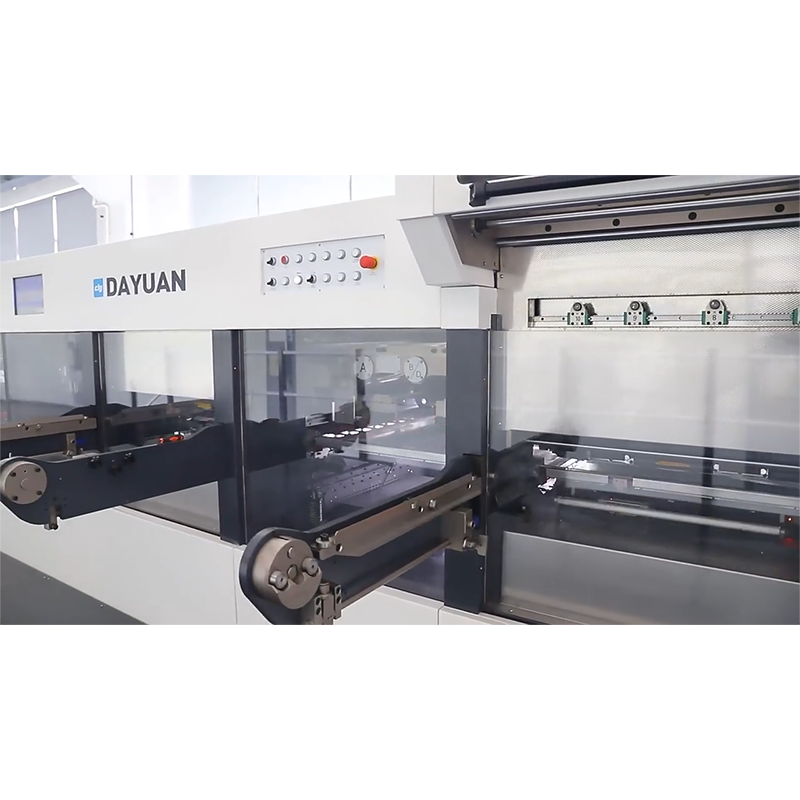
Luxury packaging demands precision and consistency, and automated machine hot stamping can help manufacturers achieve both while maintaining a more controlled production workflow. Compared with manual finishing processes, automated hot stamping provides consistent positioning, controlled heating, and repeatable stamping pressure. These capabilities are particularly valuable for packaging manufacturers that need reliable decorative finishing across repeated production runs.
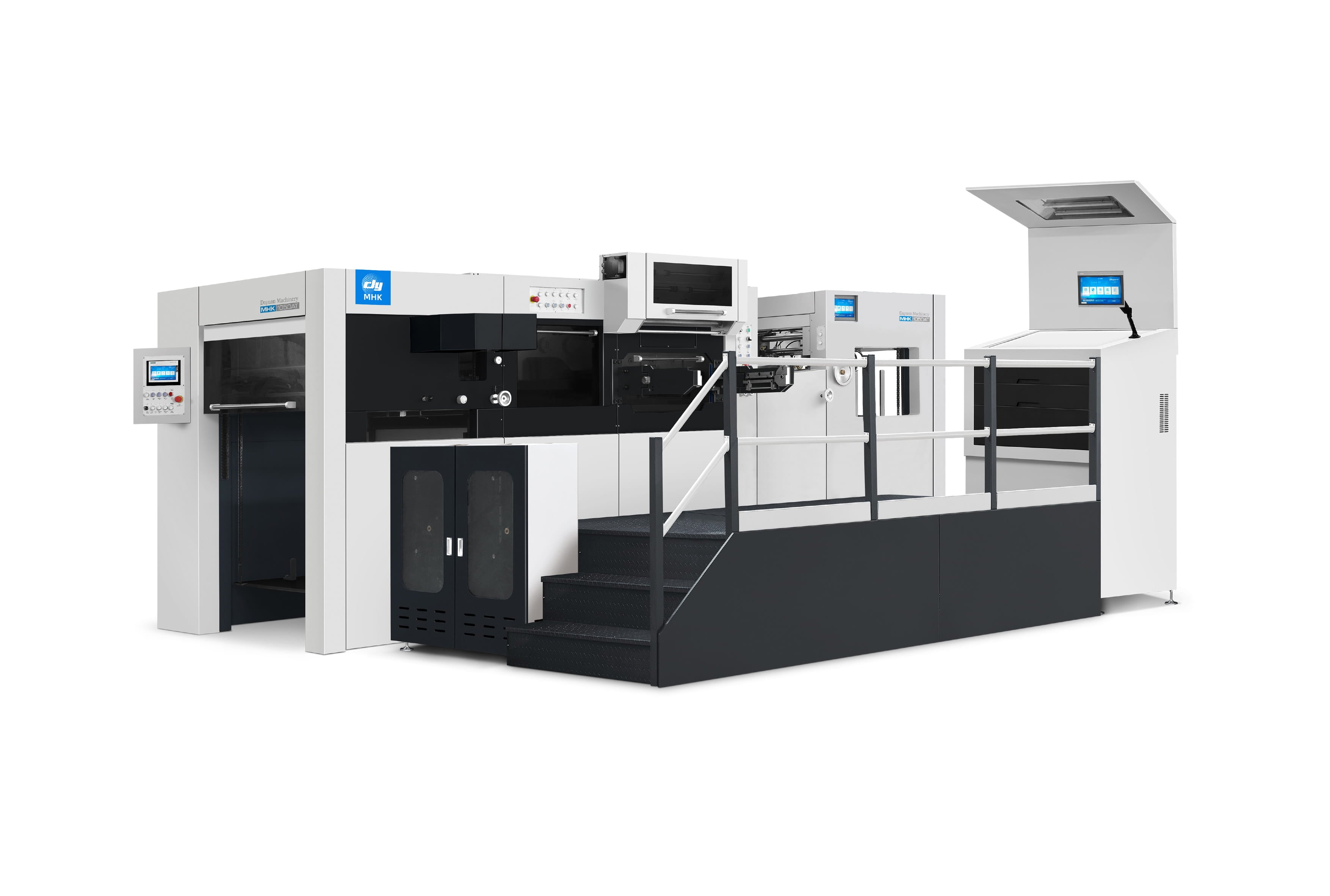
The economics of luxury packaging production depend on material utilization, product consistency, and efficient processing. Machine hot stamping combines automated feeding, positioning, heating, and stamping functions to reduce variation between individual sheets. When the machine is correctly configured for the packaging material and foil, repeatable processing can help reduce defects and unnecessary rework while maintaining the appearance expected from premium packaging.
How Machine Hot Stamping Improves Material Efficiency
Precision Foil Application and Positioning Control
Manual foil application can introduce variation in positioning and registration, particularly when production involves repeated or detailed designs. Automated machine hot stamping uses controlled sheet positioning and mechanical systems to place the stamping pattern consistently on the substrate. Accurate registration helps reduce incorrectly positioned impressions and limits the need for rework. The actual level of material utilization depends on the packaging design, foil layout, substrate, and operating parameters, so manufacturers should evaluate material yield through production trials rather than relying on a universal waste percentage.
Consistent Temperature and Pressure Management
Stable temperature and pressure are essential for consistent foil transfer. A machine hot stamping system allows operators to establish controlled processing parameters and maintain them during production. Dayuan's MHK-2S1050TTC, for example, uses an electric heating system with 20 heating zones and an adjustable temperature range of 40 to 180°C. Its published hot stamping accuracy is up to ±0.1 mm, while die cutting accuracy is up to ±0.075 mm. These specifications provide a measurable reference when manufacturers evaluate equipment for demanding packaging applications.
Operational Efficiency and Throughput Advantages
Production Speed and Continuous Processing
Machine hot stamping can increase production efficiency by combining automated feeding, sheet positioning, and stamping operations within a continuous workflow. The actual output depends on the machine configuration, sheet size, foil layout, substrate, and production conditions. Dayuan's MHK-2S1050TTC has a published maximum working speed of 7,200 sheets per hour, making it suitable for applications where both decorative finishing and die cutting are required at high production rates. Manufacturers should use the published maximum speed as a reference and confirm practical output using their own packaging jobs.
Reducing Setup Variation Between Production Jobs
Production efficiency also depends on how consistently a machine can be configured when changing from one packaging job to another. Micro-adjustment and positioning functions can help operators establish the required setup more efficiently and maintain repeatable results. Dayuan's MHK-2S1050TTC includes micro-adjustment devices and supports quick setup and changeover. The practical changeover time still depends on the die, foil configuration, sheet format, and operator workflow, so it should be evaluated under actual production conditions rather than through a fixed universal time target.
Sustainability and Material Conservation in Luxury Packaging
Improving Material Utilization Through Consistency
Material conservation in luxury packaging begins with consistent processing. Incorrect positioning, incomplete foil transfer, and repeated setup tests can all result in additional substrate or foil consumption. Machine hot stamping helps manufacturers establish more repeatable production conditions by controlling positioning, heating, and pressure. This does not mean that a machine automatically produces a specific percentage of material savings; the result depends on the artwork, stamping area, foil characteristics, substrate, and production setup. Manufacturers should measure actual foil and substrate consumption for their own applications when evaluating efficiency gains.
Balancing Finishing Quality with Production Requirements
Luxury packaging often combines decorative finishing with structural die cutting, embossing, or other post-press processes. Using equipment that integrates multiple functions can reduce the number of separate handling steps required between operations. Dayuan's hot foil stamping and die cutting equipment is designed for combined processing on paper packaging applications. When evaluating a machine hot stamping solution, manufacturers should consider the required finishing processes together rather than looking only at foil transfer speed or stamping pressure.
Practical Implementation for Packaging Manufacturers
Selecting the Right Machine Hot Stamping Configuration
Selecting a machine hot stamping system requires careful consideration of sheet size, material range, stamping area, production volume, and the required combination of finishing processes. Dayuan's MHK-2S1050TTC supports a maximum sheet size of 1,050 × 750 mm and a maximum stamping size of 1,040 × 720 mm. Its published stock range includes cardboard from 80 to 2,000 g/m² and corrugated board up to 4 mm. Manufacturers should compare these specifications with their actual packaging materials and artwork dimensions before selecting equipment.
Workforce and Production Management
Automated machine hot stamping changes the operator's role from repetitive manual application toward machine setup, monitoring, quality inspection, and process management. Operators still need to understand material loading, foil setup, die installation, positioning adjustments, and routine machine checks. The appropriate staffing and training requirements depend on the machine configuration and production workflow. A structured operating procedure can help maintain consistent quality while ensuring that production personnel understand how to work with the equipment safely and efficiently.
FAQ
What types of waste can machine hot stamping help reduce?
Machine hot stamping can help reduce waste associated with incorrect positioning, incomplete foil transfer, and repeated adjustments during production. Consistent heating, pressure, and sheet positioning can reduce variation between impressions and therefore reduce the need for rework. However, the actual waste level depends on the packaging design, substrate, foil characteristics, and machine settings. Manufacturers should measure material and foil consumption during production trials instead of applying a fixed waste-reduction percentage to every application.
How does machine hot stamping handle different paper and board specifications?
Machine hot stamping systems should be selected according to the material range specified by the manufacturer. Dayuan's MHK-2S1050TTC lists cardboard from 80 to 2,000 g/m² and 0.1 to 2 mm in thickness, as well as corrugated board up to 4 mm. The machine also provides adjustable heating control to support different production requirements. Manufacturers should confirm compatibility between the specific paper or board, foil, die, and stamping design before starting full-scale production.
Can machine hot stamping be combined with die cutting?
Yes. Dayuan offers automatic equipment that combines hot foil stamping and die cutting in the same production system. This type of configuration can reduce the need to transfer sheets between separate processes and can support more continuous packaging production. Depending on the machine configuration, additional functions such as embossing or stripping may also be available. Manufacturers should select the configuration according to the actual combination of finishing processes required for their packaging products.
What should manufacturers evaluate before choosing a machine hot stamping system?
Manufacturers should first review the required sheet size, material specifications, stamping area, production volume, and finishing processes. Important technical parameters include maximum working speed, stamping accuracy, die cutting accuracy, heating range, foil width, and available automation functions. Dayuan's BHT-1060AT, for example, is designed for hot stamping and deep embossing in high-end paper packaging and specifies a maximum speed of 8,000 sheets per hour and maximum working pressure of 600 tons. Comparing machine specifications against actual packaging requirements provides a more reliable basis for equipment selection than relying on general industry benchmarks.