 EN
EN

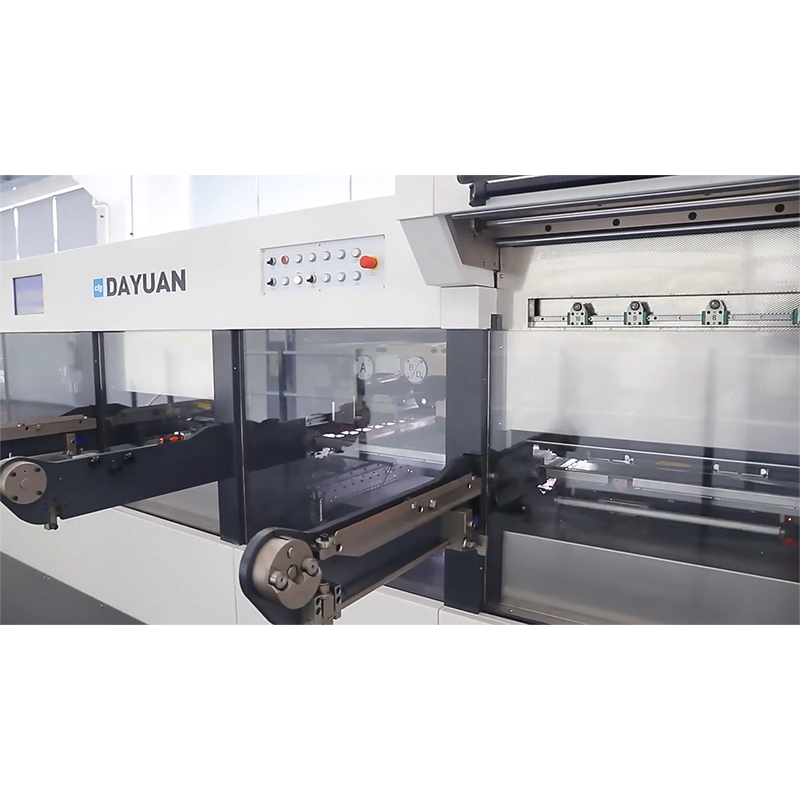
Luxury packaging demands perfection, yet traditional manual hot stamping methods generate significant material waste and inconsistent results. Machine hot stamping represents a fundamental shift in how brands approach precision finishing, combining automated accuracy with measurable waste reduction. When manufacturers implement machine hot stamping systems, they gain control over foil consumption, paper positioning, and pressure application that manual processes simply cannot match. This technological advancement addresses a critical pain point in luxury goods production: balancing aesthetic excellence with operational efficiency and environmental responsibility.
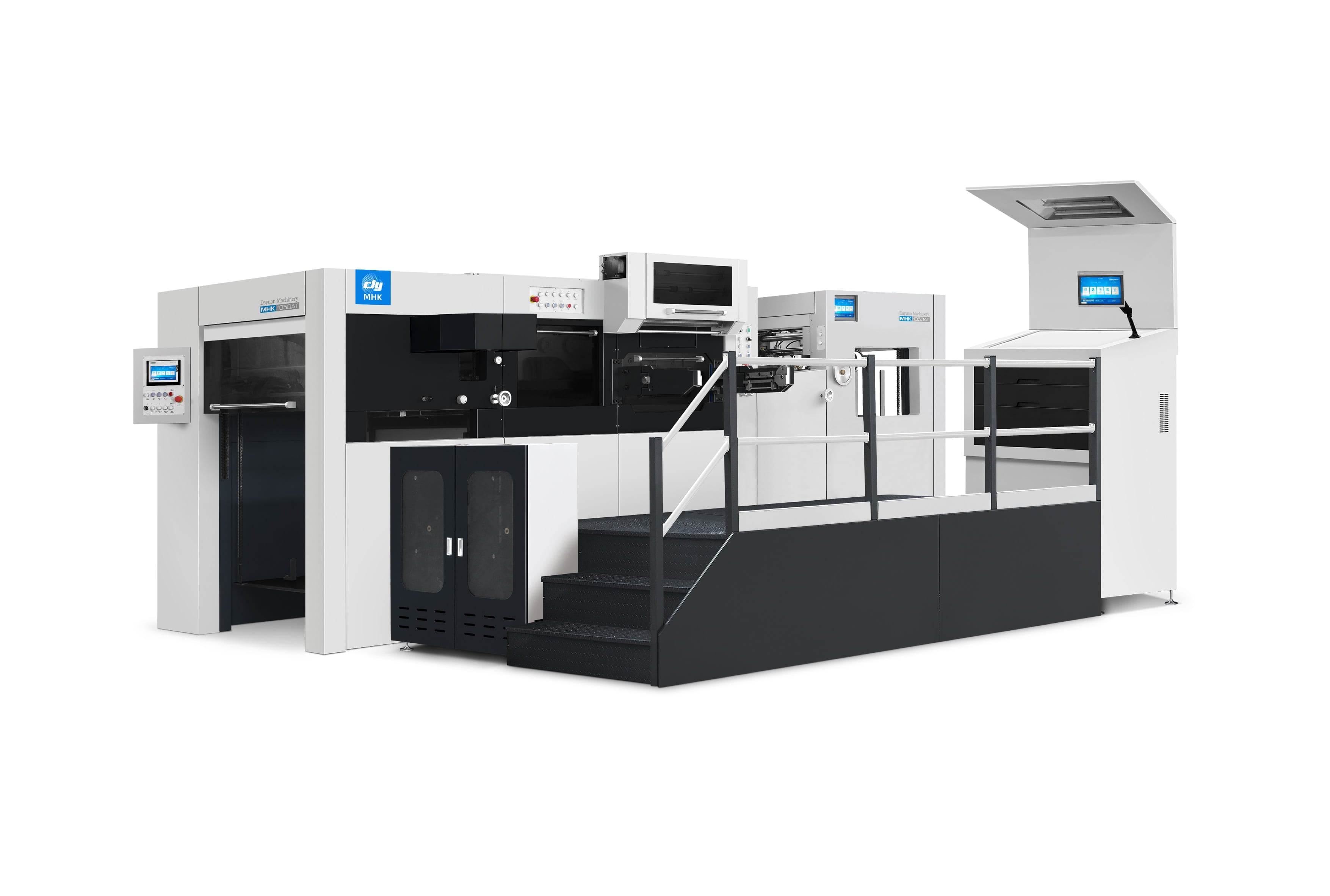
The economics of luxury packaging production hinge on material efficiency and output quality. Machine hot stamping eliminates the variability inherent in manual application by using programmable parameters, precise heating elements, and consistent stamping force. Every impression becomes repeatable, reducing reject rates and scrap material. For packaging manufacturers operating in competitive luxury markets, where brand perception depends on flawless execution, machine hot stamping serves as both a quality guarantee and a cost optimization tool that directly impacts profitability.
How Machine Hot Stamping Eliminates Material Waste
Precision Foil Application and Positioning Control
Traditional hand-applied machine hot stamping relies on operator judgment and manual alignment, leading to misregistered impressions, excess foil consumption, and wasted substrate material. Automated machine hot stamping systems integrate computerized positioning sensors and servo-controlled stamping heads that ensure exact foil placement on every single pass. The machine hot stamping equipment calculates optimal foil tension, heating temperature, and pressure dynamics specific to each material type and design specification. This precision eliminates the 8 to 15 percent waste margin typical of manual production, where reprinting failed stamps and discarding misaligned materials becomes routine. When machine hot stamping operates with calibrated parameters, foil utilization increases dramatically because every impression lands exactly where the design requires.
Consistent Temperature and Pressure Management
Temperature fluctuations and uneven pressure represent the primary failure modes in luxury packaging stamping. Machine hot stamping systems maintain thermal stability within narrow tolerances, preventing the common problems of incomplete foil transfer or material scorching that generate scrap. Pneumatic or hydraulic pressure systems in machine hot stamping ensure uniform force distribution across the entire stamp surface, eliminating partial transfers that force operators to re-stamp the same piece. These operational consistencies mean that machine hot stamping achieves first-pass success rates exceeding 98 percent on standardized runs. The machine hot stamping technology monitors and adjusts parameters in real time, making minor corrections before defects occur. This proactive quality management directly reduces the total material waste associated with reject pieces, rework cycles, and customer returns.
Operational Efficiency and Throughput Advantages
Cycle Time Reduction and Production Scaling
Machine hot stamping dramatically reduces the time required per unit compared to manual application methods. Where a skilled operator might complete 40 to 60 luxury packaging pieces per hour with variable quality, automated machine hot stamping systems achieve 100 to 300 pieces per hour depending on substrate type and design complexity. This speed improvement directly translates to higher material utilization rates because the machine hot stamping process maintains consistent output without fatigue-related quality degradation. Manufacturers can run longer production windows without labor constraints, maximizing substrate efficiency and reducing the frequency of changeover waste. The machine hot stamping system's ability to maintain precision across extended runs means that material rejection rates remain stable throughout the production cycle, unlike manual operations where fatigue introduces progressive defects.
Integration with Digital Design and Workflow Systems
Modern machine hot stamping equipment connects directly to digital design files, enabling automatic parameter adjustment for each unique pattern or foil type. This integration eliminates manual setup errors and reduces material testing waste that historically consumed 5 to 10 percent of substrate during the transition between design variations. When machine hot stamping systems receive design data electronically, they configure stamping pressure, temperature, and positioning automatically, eliminating the trial-and-error adjustments that waste material. The machine hot stamping workflow becomes streamlined and predictable, allowing production managers to estimate waste rates with accuracy and plan material inventory with confidence. Digital integration in machine hot stamping also enables tracking of waste metrics, providing manufacturers with data-driven insights into process optimization opportunities.
Sustainability Impact and Brand Value Alignment
Material Conservation and Environmental Responsibility
Luxury brands increasingly face pressure to demonstrate environmental stewardship, and machine hot stamping directly supports this commitment by quantifying and reducing material waste. The precision inherent in machine hot stamping ensures that substrate material sees optimal utilization, with foil application consuming only the exact amount required by the design. Many luxury packaging producers report 20 to 30 percent reductions in overall material consumption after implementing machine hot stamping systems, translating to thousands of kilograms of waste diverted annually. This waste reduction improves the brand's environmental credentials while simultaneously lowering material costs, creating a dual benefit that resonates with sustainability-conscious consumers. Machine hot stamping represents a practical pathway for luxury brands to align packaging production with corporate environmental goals without compromising visual impact or brand prestige.
Cost Structure and Return on Investment
The capital investment in machine hot stamping equipment typically ranges from 50,000 to 200,000 dollars depending on capacity and feature sophistication, but manufacturers recover this investment within 18 to 36 months through waste reduction and labor savings. Every percentage point of waste reduction in luxury packaging translates to tangible cost savings because premium materials like specialty papers, metallic foils, and textured substrates command high unit costs. Machine hot stamping eliminates the hidden costs associated with manual waste: operator overtime during recovery printing, customer complaints about inconsistent finishes, and margin erosion from pricing pressure. The financial case for machine hot stamping strengthens further when considering labor cost escalation and the challenge of recruiting skilled stamping operators in competitive markets. As waste reduction metrics improve, machine hot stamping systems often generate returns exceeding initial projections.
FAQ
What specific waste materials does machine hot stamping eliminate compared to manual stamping?
Machine hot stamping primarily eliminates waste from misregistered impressions, incomplete foil transfers, substrate scorching, and failed stamps requiring rework. Manual operations generate an estimated 10 to 15 percent scrap rate due to these quality issues, while automated machine hot stamping systems reduce this to 1 to 2 percent. The most significant waste reduction comes from eliminating the need to re-stamp pieces when initial impressions fail, which in manual production consumes both additional substrate material and foil without generating revenue. Machine hot stamping also prevents the material waste associated with changeover setup, where operators test different parameter combinations before achieving acceptable results.
How does machine hot stamping handle different substrate types and thicknesses in luxury packaging?
Modern machine hot stamping systems include programmable parameters that adjust heating, pressure, and dwell time based on substrate specifications entered before each production run. Luxury packaging frequently requires stamping on materials ranging from 200 gsm cardboard to textured specialty papers and even leather-like synthetics, and machine hot stamping technology accommodates these variations through preset profiles. Operators simply select the substrate type in the machine interface, and the machine hot stamping equipment configures itself automatically, eliminating the manual trial-and-error that wastes material. Some advanced machine hot stamping systems include sensors that detect substrate thickness automatically, enabling real-time adjustments that maintain stamping quality across material variations within a single production batch.
Can machine hot stamping integrate with existing luxury packaging production lines?
Yes, machine hot stamping equipment is available in standalone configurations and in integrated production line models that connect directly to die-cutting and folding equipment. Standalone machine hot stamping systems work well for facilities with established workflows, while integrated machine hot stamping solutions optimize throughput for facilities building new production environments. Integration typically reduces handling between processes, which minimizes substrate damage and waste associated with manual material transfer. Most machine hot stamping manufacturers provide consultation services to assess existing facility layouts and recommend configurations that maximize waste reduction and production efficiency within specific spatial and budget constraints.