 EN
EN

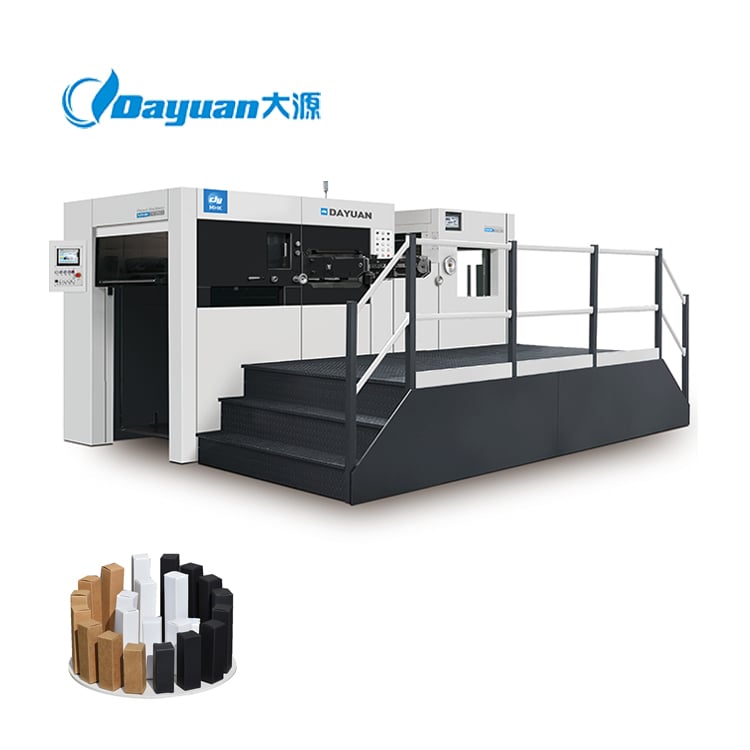
A die cutting machine represents one of the most transformative investments a packaging manufacturer can make to enhance operational efficiency and product quality. In today's competitive packaging landscape, speed and precision are non-negotiable requirements that directly impact profitability and market responsiveness. The right die cutting machine delivers both capabilities simultaneously, enabling your facility to handle increased order volumes without proportional increases in labor costs or production time. Understanding how a die cutting machine can optimize your packaging workflow requires exploring its mechanical advantages, integration potential, and real-world impact on throughput and consistency.
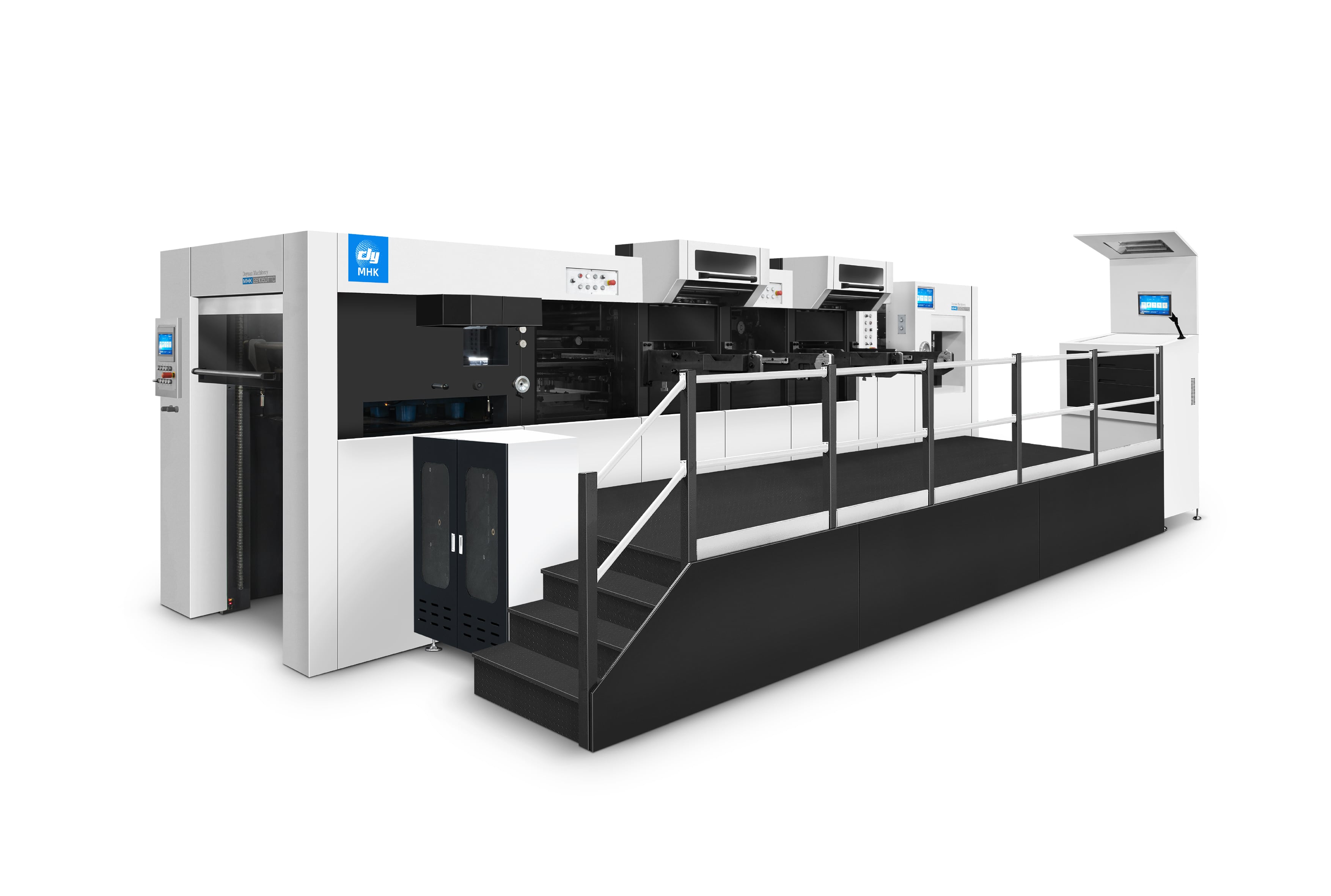
Modern packaging production demands precision cutting, accurate registration, and consistent output across thousands of sheets daily. A die cutting machine automates these critical processes while eliminating human error that typically occurs in manual or semi-automated cutting operations. This capability becomes increasingly valuable as packaging designs grow more complex, featuring intricate folds, perforations, embossing, and multi-component structures. Organizations that deploy a die cutting machine experience measurable improvements in production speed, material yield, and product consistency that ripple through their entire supply chain.
Understanding Die Cutting Machine Fundamentals
Core Mechanical Advantages of a Die Cutting Machine
A die cutting machine operates by applying pressure through precisely engineered dies that cut, crease, perforate, and shape materials in a single operation. Unlike manual knife cutting or band-saw approaches, a die cutting machine maintains exact specifications across every processed sheet, eliminating dimensional variation that compromises packaging fit or aesthetic appeal. The mechanical efficiency of a die cutting machine stems from its ability to complete multiple cutting operations simultaneously—top-side cuts, reverse-side creases, perforations, and embossing all happen in one press stroke. This consolidated process dramatically reduces handling, repositioning, and quality-control time compared to sequential manual operations.
Integration Capabilities of Modern Die Cutting Equipment
Today's die cutting machine technology seamlessly integrates with existing packaging workflows through standardized material feeds and compatible cutting bed dimensions. A die cutting machine can process flat sheets, pre-cut blanks, or continuous roll materials depending on your production specifications and volume requirements. Advanced die cutting machine models include automatic sheet feeders, stackers, and digital registration systems that eliminate operator intervention and ensure perfect alignment regardless of substrate type or thickness variation. This integration flexibility allows manufacturers to implement a die cutting machine into their workflow without major facility reconfiguration or workforce retraining.
Optimizing Production Efficiency Through Die Cutting
Speed and Throughput Enhancement from a Die Cutting Machine
A high-speed die cutting machine can process hundreds of sheets per minute, transforming production bottlenecks into competitive advantages. Where manual cutting teams might complete 50 to 100 pieces daily with inconsistent quality, a die cutting machine delivers 500 to 2000 precise cuts within the same timeframe depending on machine specifications and material complexity. This throughput multiplication directly reduces lead times, allowing your business to accept rush orders and maintain faster inventory turnover without sacrificing product quality. The speed advantage of a die cutting machine becomes particularly pronounced during peak seasons when order backlogs typically create fulfillment delays.
Material Yield Optimization Using Die Cutting Technology
Waste reduction represents one of the most significant financial benefits of deploying a die cutting machine in your packaging operation. Traditional manual cutting generates material scraps through imprecise blade placement, multiple handling steps, and operator hesitation that extends cut paths beyond necessary lines. A die cutting machine maximizes material yield by nesting designs intelligently across sheet surfaces and executing cuts with micron-level precision that leaves minimal waste material between components. For packaging producers working with expensive substrates like specialty papers, metallized films, or laminated materials, die cutting machine precision directly translates to cost savings of 5 to 15 percent on material expenditures alone.
Consistency and Quality Improvement with Die Cutting Systems
Product Consistency Delivered by Die Cutting Machines
Every cut produced by a die cutting machine maintains identical specifications throughout an entire production run, eliminating the dimensional creep that occurs during manual operations. Packaging components must fit together consistently across thousands of units—box flaps must align perfectly, window dimensions must match printing templates, and perforation patterns must function reliably for end consumers. A die cutting machine ensures that the first piece cut and the ten-thousandth piece cut are dimensionally identical, which directly improves downstream assembly operations and reduces rejection rates at packaging line integration points. This consistency also strengthens your brand reputation by ensuring packaged products arrive in perfect condition without consumer frustration from misaligned flaps or malfunctioning perforations.
Quality Assurance and Regulatory Compliance Via Die Cutting Machines
Regulatory standards for food packaging, pharmaceutical packaging, and consumer goods packaging increasingly demand documented proof of consistent product specifications and material traceability. A die cutting machine equipped with digital controls and production monitoring systems creates automatic documentation of every cut cycle, enabling traceability and quality verification that satisfies audit requirements. The precision of a die cutting machine naturally reduces defect rates that trigger product recalls or customer complaints, protecting your liability exposure and brand integrity. When regulatory inspectors review your packaging production processes, the objective precision delivered by a die cutting machine provides compelling evidence of quality commitment and systematic process control.
Practical Implementation and Business Impact
Selecting the Right Die Cutting Machine Configuration
Choosing an appropriate die cutting machine requires alignment with your specific material types, volume requirements, and packaging design complexity. A die cutting machine sized for 500 sheets per minute may represent overinvestment for facilities processing fewer than 100,000 units monthly, while undersizing a die cutting machine creates capacity constraints during peak periods. Consider whether your die cutting machine needs flexibility for multiple die sizes or if standardized dies on a single-configuration machine would suffice for your product portfolio. Additional evaluation factors include feeder system compatibility, stacking options, perforation capabilities, embossing integration, and energy consumption profiles that impact total cost of ownership across multiple years of operation.
Workforce Transition and Operational Excellence
Implementing a die cutting machine transitions your team from repetitive manual cutting tasks toward higher-value activities including quality inspection, die maintenance, and process optimization. Staff training focuses on setup procedures, material loading, die changeover operations, and troubleshooting that enhance job satisfaction while building technical expertise in your workforce. A die cutting machine operator position typically offers better ergonomics and safety conditions compared to manual cutting roles, reducing workplace injuries and improving employee retention. The shift toward automated die cutting machine operation represents an opportunity to strengthen your organizational capabilities rather than a threat to employment, creating a more skilled and engaged workforce.
FAQ
How much does a die cutting machine cost compared to manual cutting alternatives?
A die cutting machine requires significant capital investment ranging from $50,000 to $500,000 depending on speed, automation level, and cutting capabilities. However, the return on investment typically materializes within 12 to 24 months through labor savings, material yield improvement, and increased throughput capacity. Manual cutting operations create ongoing labor costs that escalate annually with wage increases, while a die cutting machine generates fixed depreciation expenses and minimal operational labor. For facilities processing more than 500,000 packaging units annually, a die cutting machine investment becomes economically compelling compared to perpetual manual labor expenses.
Can a die cutting machine handle specialty materials like foil, polymer films, and laminated substrates?
Modern die cutting machine designs accommodate a wide range of materials including foil, metallized films, plastic films, kraft paper, specialty board, and multi-layer laminates through adjustable pressure settings and specialized die configurations. A die cutting machine equipped with proper dies and pressure calibration can process materials from lightweight films to rigid corrugated board without material degradation or incomplete cuts. Foil materials require careful die cutting machine setup to prevent foil splitting or delamination, while polymer films demand precise pressure management that most advanced die cutting machines provide through digital controls and real-time feedback systems. Testing your specific materials with a die cutting machine before full implementation ensures compatibility and optimal output quality.
What maintenance does a die cutting machine require to maintain peak performance?
A die cutting machine requires routine maintenance including die blade sharpening or replacement, pressure roller cleaning, and belt tension adjustment performed according to manufacturer schedules. Daily die cutting machine operation involves basic cleaning to remove material dust and debris that accumulate around cutting areas and feeder systems. Preventive maintenance performed quarterly on critical die cutting machine components including guides, clamps, and pressure mechanisms extends equipment lifespan and prevents unexpected downtime. Most die cutting machine manufacturers provide detailed maintenance protocols and offer training that enables your internal team to perform standard service tasks without requiring expensive external technicians.