 EN
EN

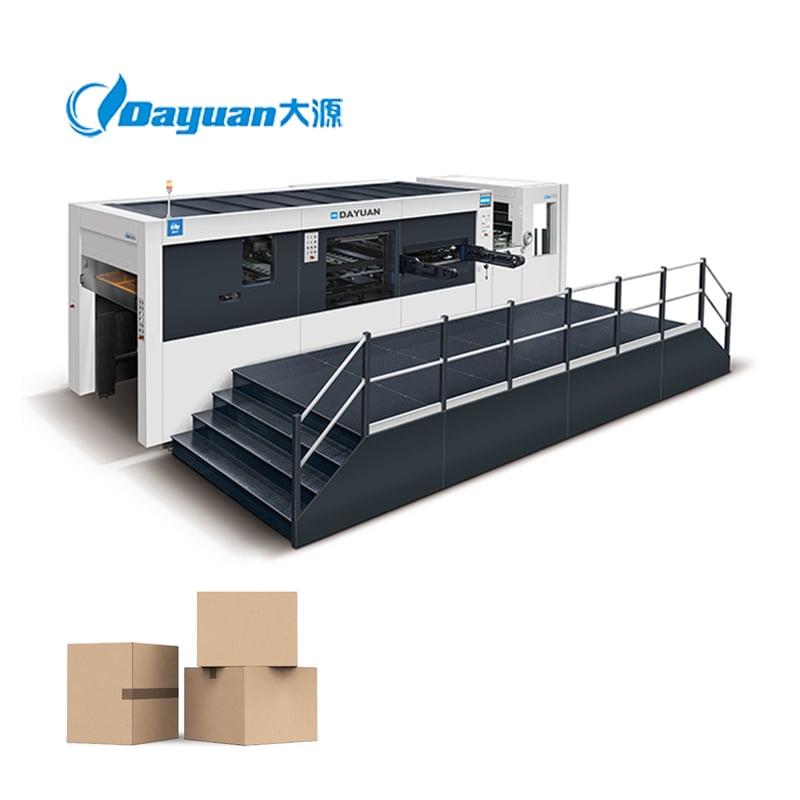
The manufacturing landscape continues to evolve as industries seek ways to enhance production efficiency, reduce waste, and improve product quality. A die cutting machine has emerged as a transformative technology that addresses these core operational challenges across multiple sectors. Understanding which industries benefit most from the latest die cutting machine innovations is essential for businesses looking to stay competitive and optimize their manufacturing capabilities. Modern die cutting machines deliver precision, speed, and flexibility that traditional methods cannot match, making them valuable assets for organizations operating in highly competitive markets.
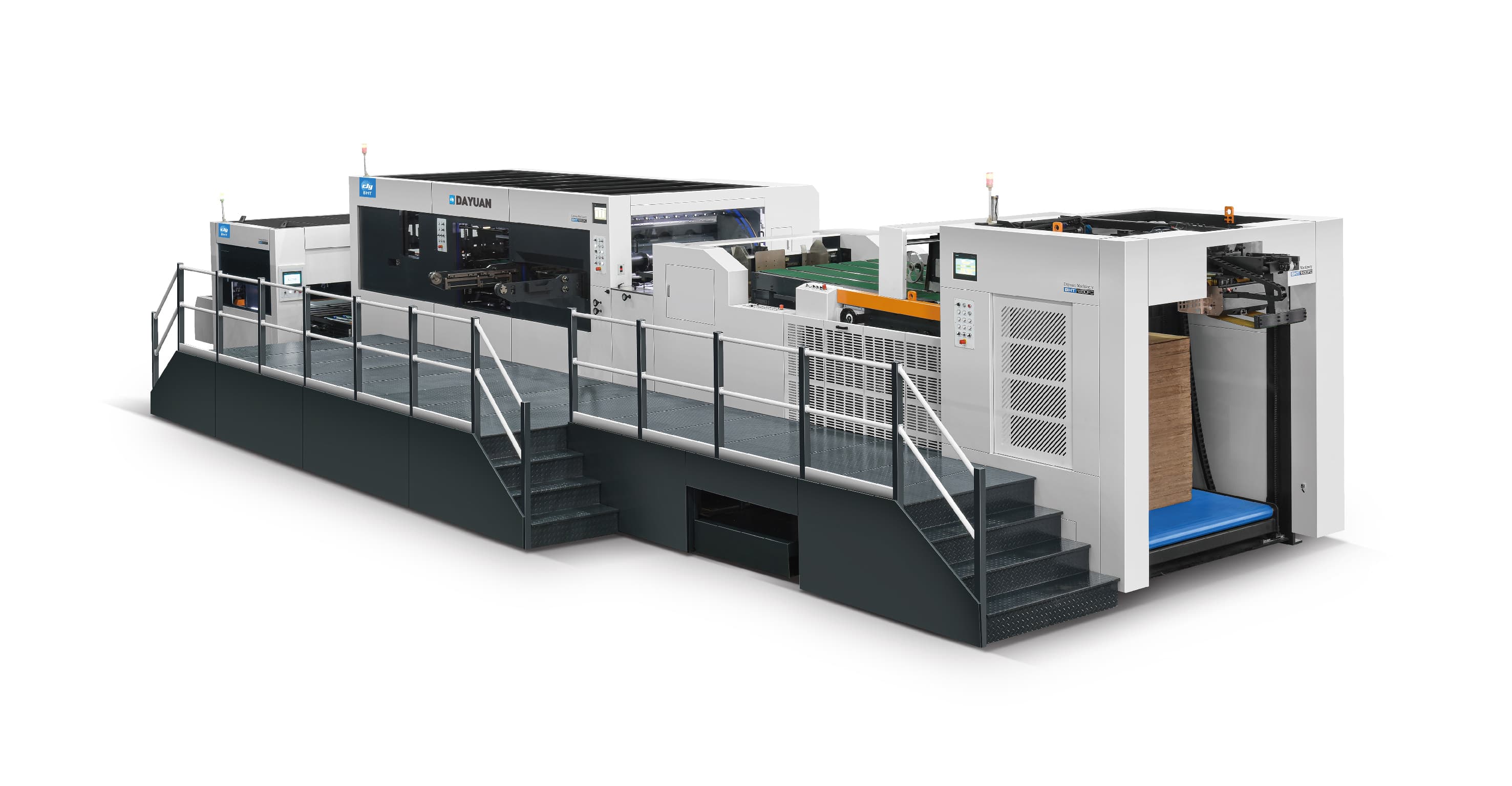
Die cutting machines automate the process of cutting, creasing, and shaping materials into precise forms, whether from paper, foam, rubber, leather, or composites. The latest die cutting machine advancements incorporate automation, digital controls, and intelligent feed systems that minimize operator intervention and human error. These innovations have created distinct advantages for specific industries that rely on high-volume production, consistent tolerances, and rapid changeover capabilities. The investment in cutting-edge die cutting machine technology now yields measurable returns through reduced labor costs, faster production cycles, and superior product consistency.
Packaging and Converting Industries
High-Volume Production Demands
The packaging sector stands as one of the primary beneficiaries of die cutting machine innovations. Companies manufacturing corrugated boxes, flexible packaging, labels, and folding cartons depend on die cutting machines to process millions of units annually. A die cutting machine with automated lead-edge feeding and linkage systems dramatically increases throughput while maintaining dimensional accuracy. The ability to cut, score, and perforate materials in a single pass using a modern die cutting machine reduces production steps and eliminates secondary operations.
Material Efficiency and Waste Reduction
Latest-generation die cutting machine technology optimizes material nesting and minimizes scrap, directly improving profitability margins. Packaging converters benefit from precision die cutting machines that handle both thin films and thick substrates without material degradation. Real-time quality monitoring in advanced die cutting machine systems ensures that every cut meets specification, reducing customer returns and waste disposal costs. The integration of variable-speed feeds in die cutting machines allows operators to optimize settings for different substrate types without equipment downtime.
Automotive and Component Manufacturing
Complex Component Production
Automotive suppliers leverage die cutting machine capabilities to produce gaskets, seals, insulation layers, and interior trim components with exceptional precision. The automotive sector demands strict tolerances, consistent quality across production runs, and the ability to handle specialty materials including rubber, foam, and elastomers. A die cutting machine equipped with precision positioning and automated changeover systems enables rapid transitions between different component geometries. Automotive manufacturers value the reliability of die cutting machines because downtime directly impacts assembly line operations across their supply chain.
Quality Consistency Requirements
Modern die cutting machine systems provide traceability and documentation that satisfy automotive quality standards including ISO 9001 and IATF requirements. The linkage-driven mechanisms in contemporary die cutting machines deliver uniform cutting force across the material width, eliminating edge quality variations that plague older hydraulic systems. Automotive component makers report that investing in a die cutting machine with intelligent controls significantly reduces scrap rates and rework costs. The speed of a die cutting machine translates directly to faster time-to-market for new vehicle platforms and model updates.
Medical Device and Pharmaceutical Industries
Regulatory Compliance and Sterility
Medical device manufacturers depend on die cutting machines to produce sterile components, wound care products, diagnostic components, and protective equipment with absolute consistency. The medical sector's stringent regulatory environment demands that a die cutting machine maintain complete documentation, traceability, and clean-room compatibility. Advanced die cutting machine systems can operate in controlled environments and integrate with cleanroom protocols essential for FDA and CE compliance. Material handling capabilities of modern die cutting machines prevent contamination and ensure that product integrity remains uncompromised throughout the cutting process.
Precision and Material Handling
Medical die cutting machines must handle delicate substrates including silicone, polyurethane, and specialty films without introducing defects that would compromise biocompatibility or functionality. The precision of a die cutting machine in the medical sector directly impacts product safety and efficacy, making equipment selection a critical business decision. Automation features in latest-generation die cutting machines reduce human contact with medical materials, minimizing contamination risks. The flexibility of die cutting machines allows manufacturers to quickly adapt to changing product specifications or emergency production demands for specialized medical supplies.
Technical Textiles and Specialty Materials
Complex Material Properties
The technical textiles industry benefits significantly from die cutting machine innovations designed to handle composite materials, reinforced fabrics, and engineered substrates. Applications including filtration media, protective fabrics, geotextiles, and acoustic materials require a die cutting machine that can process multiple plies and handle materials with varying thicknesses. Modern die cutting machines feature adjustable pressure systems and specialized tooling that accommodate the unique properties of technical textiles without fiber separation or edge fraying. Manufacturers in this sector have discovered that a die cutting machine with precision depth control delivers superior cut quality compared to traditional waterjet or laser cutting methods.
Production Efficiency and Design Flexibility
Technical textile producers value the design flexibility offered by die cutting machines because complex geometries can be cut and prepared rapidly without extensive tooling modifications. A die cutting machine enables quick prototype iterations and limited-run specialty products without the lead time penalties of traditional manufacturing. The repeatability of a die cutting machine ensures that multi-layer constructions maintain alignment and integrity throughout production volumes. Cost-effectiveness in the technical textiles sector improves substantially when die cutting machine automation reduces labor requirements and accelerates throughput to meet tight delivery schedules.
Graphic Arts and Specialty Paper Products
Creative Application and Rapid Customization
The graphic arts and specialty paper sectors have embraced die cutting machine technology to produce business cards, invitations, promotional materials, and custom-shaped paper products at competitive costs. Marketing and creative agencies now leverage a die cutting machine to deliver unique die-cut designs that differentiate client offerings in crowded consumer markets. Advanced die cutting machines handle specialty papers, textured substrates, and coated materials that conventional cutting methods struggle to process cleanly. The integration of digital design systems with die cutting machines enables rapid prototyping and small-batch production that aligns with growing consumer demand for personalized and unique products.
Economic Benefits and Market Responsiveness
A die cutting machine with quick-change tooling allows graphic arts companies to shift between different product designs and specifications within minutes rather than hours. This operational flexibility translates into improved inventory turnover and reduced storage costs for businesses managing diverse SKUs. Die cutting machines with integrated waste recovery systems further enhance profitability by enabling scrap material repurposing or recycling. The economics of a die cutting machine investment become increasingly attractive for mid-size specialty paper manufacturers who can now compete with larger producers through faster delivery and superior customization capabilities.
Electronics and Consumer Products
Component Precision and Assembly Integration
Electronics manufacturers use die cutting machines to produce insulators, gaskets, protective components, and structural elements that support device assembly and performance. Consumer product companies benefit from die cutting machine capabilities that enable complex shapes for enclosures, padding, and protective layers. A die cutting machine delivers the dimensional consistency required for automated assembly systems that cannot tolerate variation or dimensional drift. The precision of a die cutting machine ensures that components integrate seamlessly with injection-molded or stamped parts, eliminating fitment issues during final assembly.
Supply Chain Advantages
Electronics and consumer product manufacturers strategically locate die cutting machines near their assembly facilities to reduce logistics costs and response time. A die cutting machine positioned within the manufacturing ecosystem enables just-in-time component delivery and rapid response to design modifications. Quality improvements from precision die cutting machines reduce assembly-line scrap and returns associated with component defects. The flexibility and speed of a die cutting machine become competitive advantages when market demand shifts rapidly and new product launches require accelerated component production timelines.
FAQ
Which industries see the highest return on investment from die cutting machine upgrades?
Packaging and converting industries typically achieve the fastest ROI from die cutting machine investments because high-volume production creates immediate efficiency gains and waste reduction benefits. Automotive and medical device manufacturers also see substantial returns through improved quality consistency, reduced scrap, and faster time-to-market capabilities. The payback period varies based on production volume, material costs, and labor rates, but industries processing high volumes of standardized components generally recoup die cutting machine investments within 18 to 36 months.
Can a single die cutting machine serve multiple industries effectively?
Yes, modern die cutting machines are designed with flexible tooling systems and adjustable parameters that accommodate different materials and production specifications. A versatile die cutting machine can switch between paper, foam, rubber, and specialty substrates through quick-change die systems and pressure adjustments. However, specialized applications in medical or automotive sectors may require dedicated die cutting machine configurations to meet regulatory requirements or material-handling protocols. Most manufacturers benefit from having at least one multi-purpose die cutting machine supplemented by specialized equipment for niche applications.
How do automation features in modern die cutting machines impact labor requirements?
Automated die cutting machine systems with intelligent feed mechanisms and quality monitoring significantly reduce the operator skill level required and decrease staffing needs per unit of production. A modern die cutting machine can operate with minimal supervision through features like automatic material feeding, stacking, and reject removal. Labor savings from die cutting machine automation typically translate into either reduced operational costs or redeployment of personnel toward higher-value activities like maintenance and quality management. Industries experiencing labor shortages particularly benefit from die cutting machine automation capabilities that maintain production levels with smaller teams.