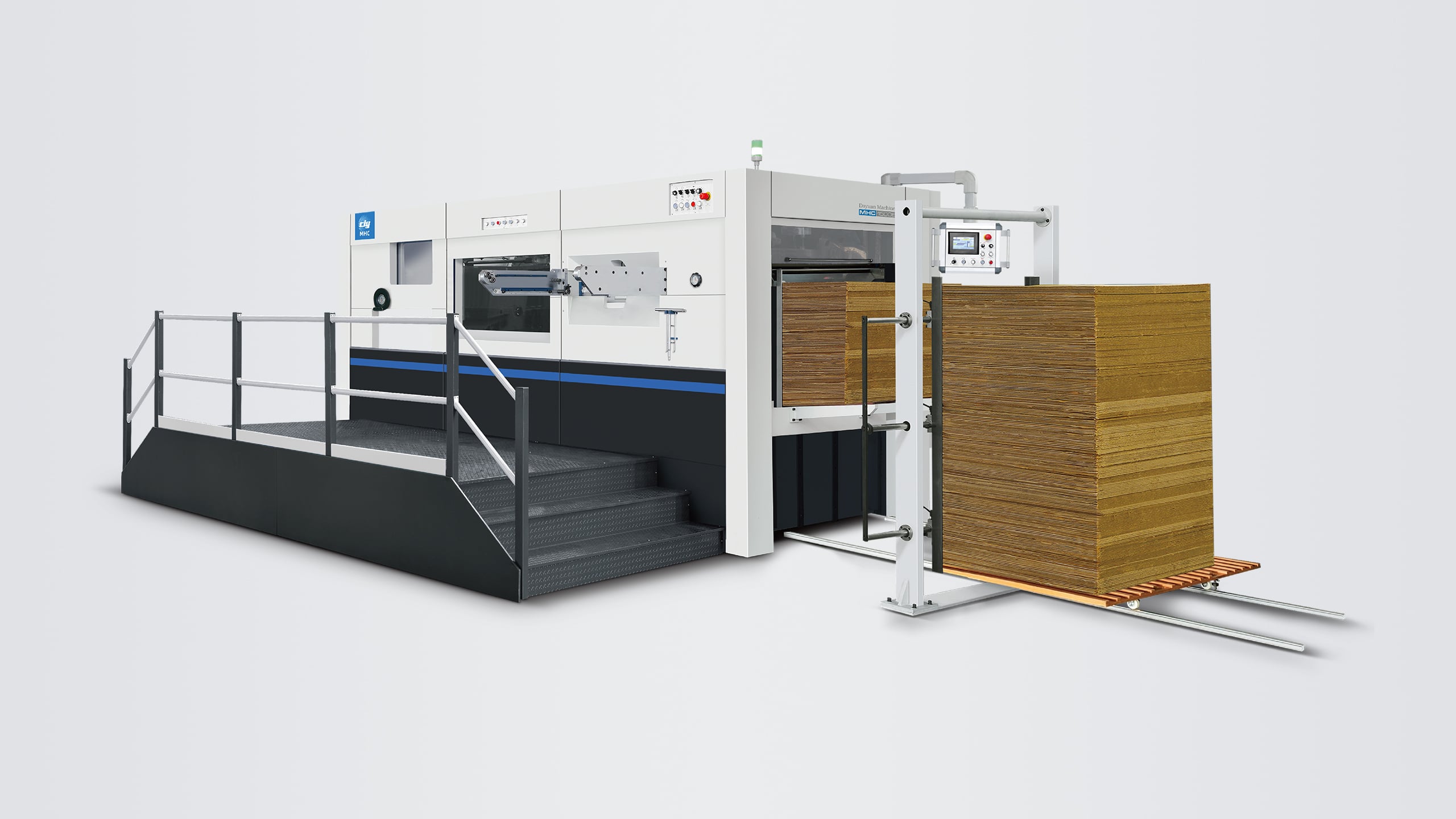
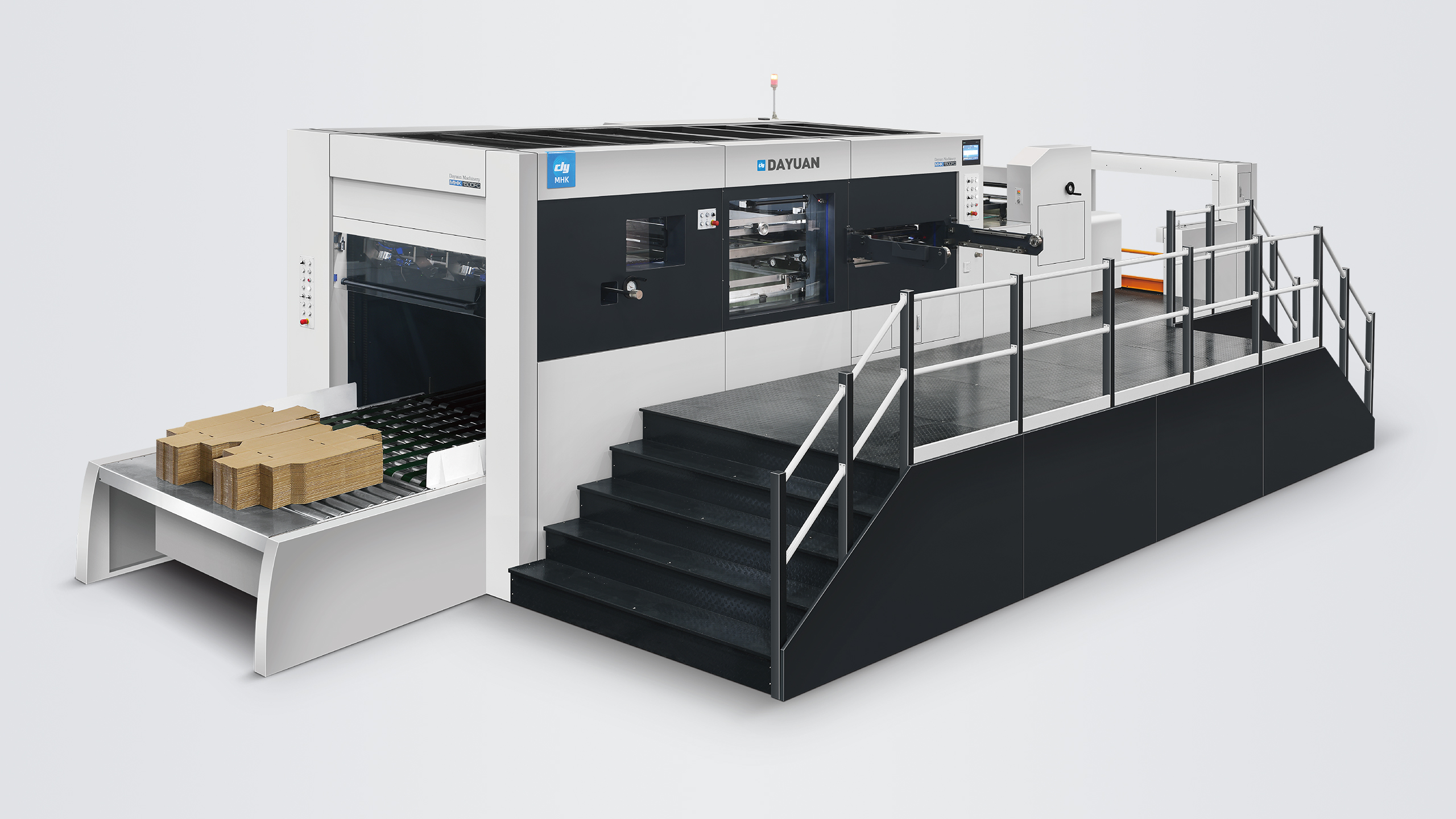
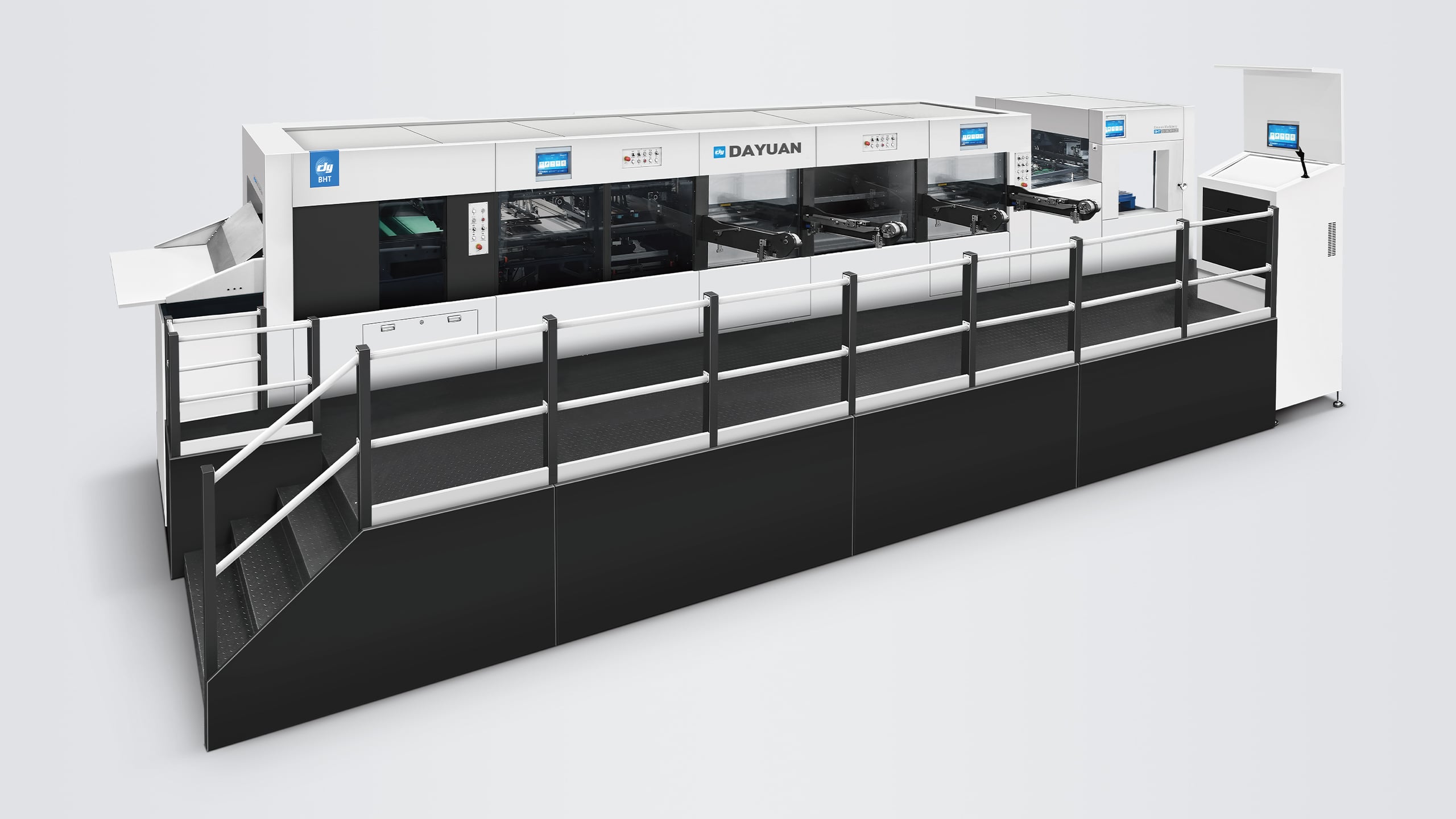
For packaging companies purchasing a wholesale flatbed die cutting machine, equipment selection should begin with the work the machine will handle every day. Carton converters may process repeat orders with fixed layouts, while commercial printing businesses may switch between packaging designs and sheet sizes more often. In either case, the cutting area and machine format need to suit the dimensions of the printed sheets and the arrangement of each die. A machine that fits the normal job range can help production teams avoid unnecessary compromises when preparing jobs, scheduling runs and coordinating the next finishing stage. Buyers should also consider anticipated demand rather than focusing solely on the largest available model. The goal is to acquire equipment that meets current production requirements while leaving a sensible margin for expected changes in order volume.
The flatbed process is particularly relevant when packaging blanks need clearly defined outlines and accurate fold positions. The die cuts the required shape into paperboard or corrugated board, and creasing helps establish fold lines for subsequent carton forming. Consistency matters because the blanks must align during folding and gluing. If the cut shape or crease position varies, downstream assembly may become more difficult and some sheets may require rework. A suitable machine, matched with an appropriate die and material settings, helps operators repeat the intended result across production batches. Good die layout can also make better use of the sheet, although actual material savings depend on the package structure and how the design is arranged.
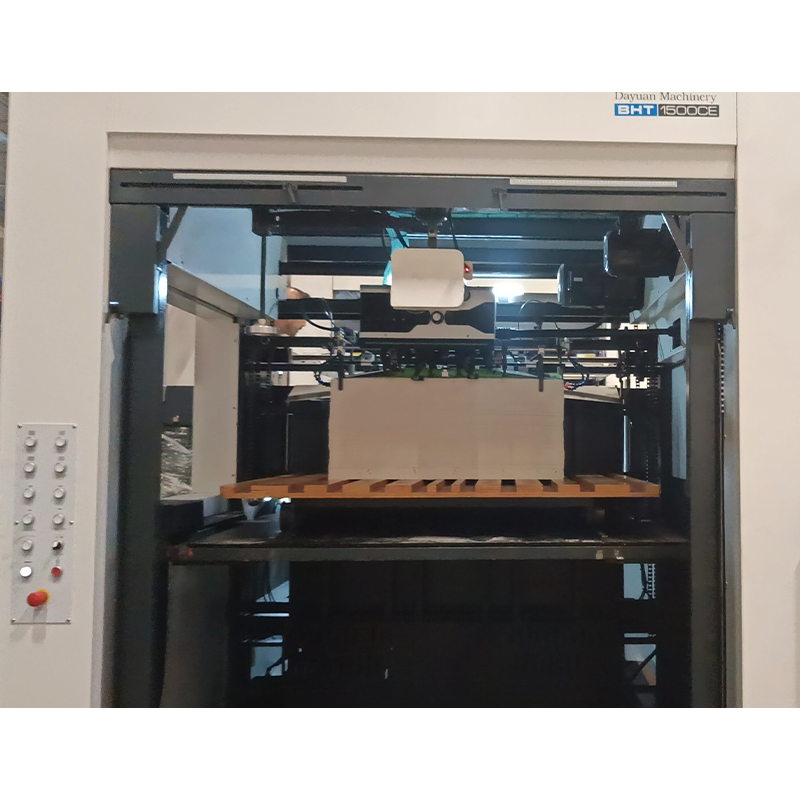
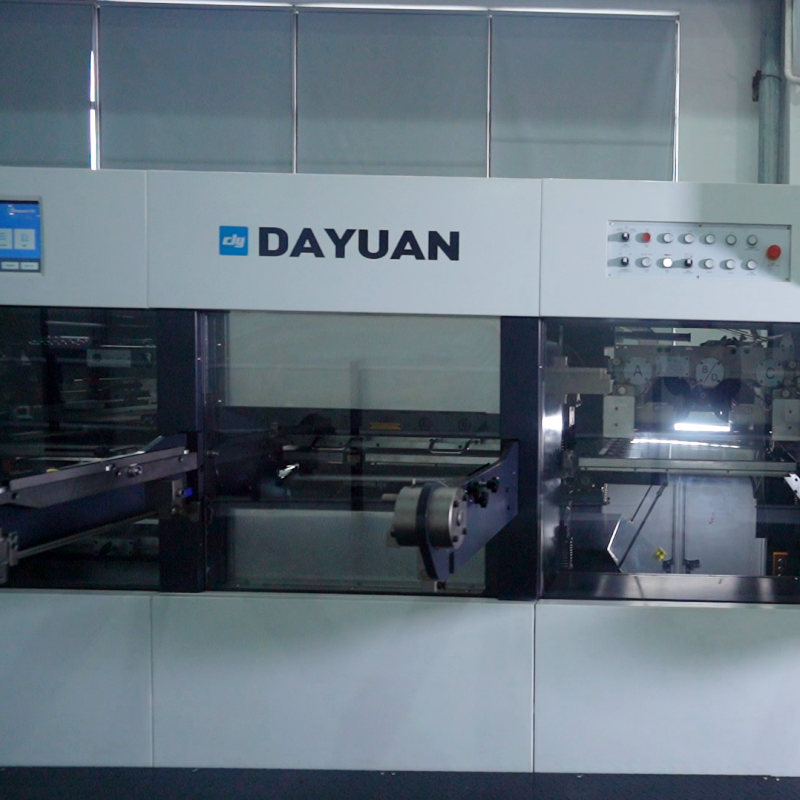
Another consideration is whether the production line needs cutting alone or a combination of finishing processes. Depending on the selected model, stripping can clear waste pieces from around the cut blanks, while blanking separates finished shapes from the surrounding sheet. Certain configurations also support heated finishing for jobs that require a decorative effect. Integrating the relevant functions can reduce extra sheet handling between operations, but additional features should be chosen according to actual order requirements. Not every plant needs the same setup, so wholesale buyers should compare individual model specifications instead of assuming all flatbed die cutting machines provide identical capabilities. Dayuan's range includes automatic die-cutting equipment and creasing-and-die-cutting models for different packaging workflows.
Before placing an order, businesses should prepare practical details for supplier evaluation: the main board types and thicknesses, sheet dimensions, common die layouts, expected production volume and any required stripping, blanking or heated finishing. It is also worth checking setup procedures, operator training, maintenance support and the relationship between the new machine and existing equipment. These points influence how readily a machine can be introduced into daily production, not just how it performs in a specification sheet. For manufacturers sourcing equipment wholesale, a clear comparison of working format, output requirements and included functions helps distinguish between models that may appear similar at first glance. Choosing a flatbed die cutting machine around the real production workflow can support consistent packaging quality and more dependable job planning over time.
10
Sep
11
Sep
15
Sep
28
Sep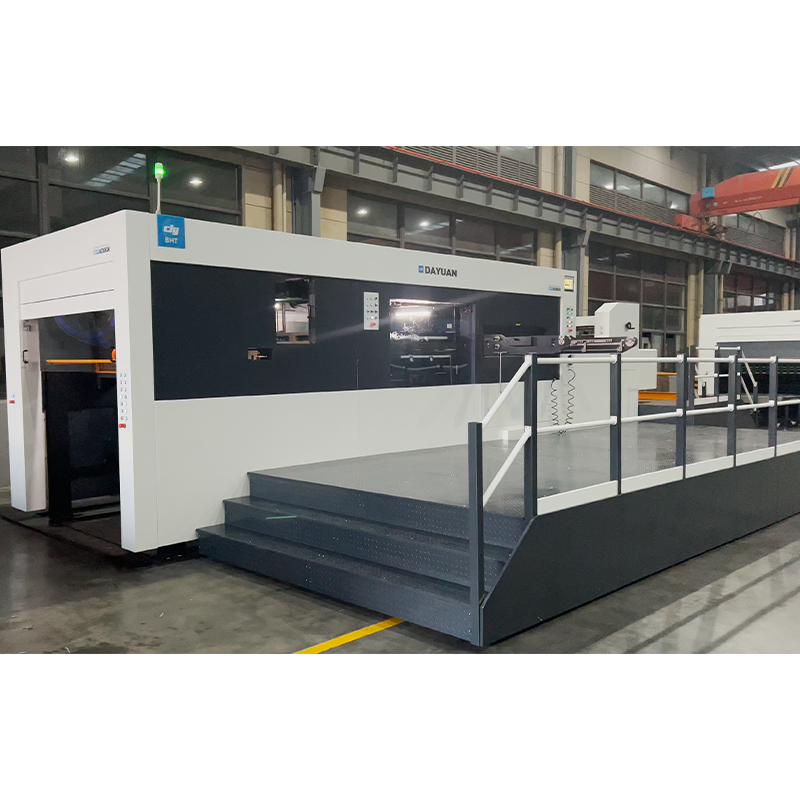

Discover innovative solutions for hot stamping, die-cutting, and slitting machinery at Dayuan Machinery. With over 26 years of experience and a global presence in 130+ countries, we offer advanced, reliable equipment backed by robust R&D and exceptional customer service.
No. 105, Haize Road, Binhai New Area, Pingyang County, Wenzhou City, Zhejiang Province.
Copyright © 2026 China ZHEJIANG DAYUAN MACHINERY CO.,LTD. All rights reserved Privacy Policy
 EN