Customization Flexibility Tailored to Your Production Needs
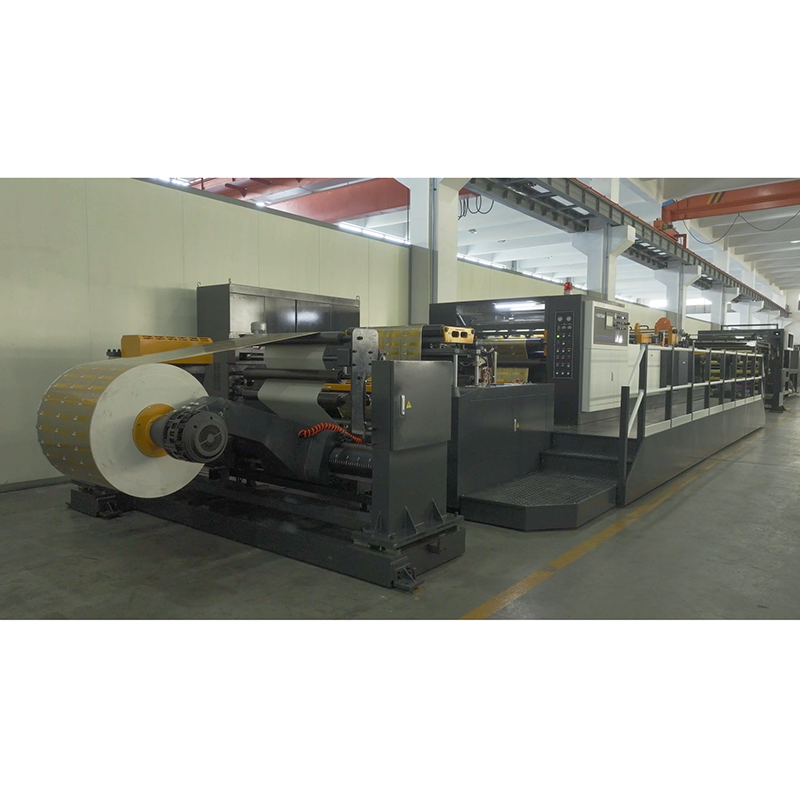
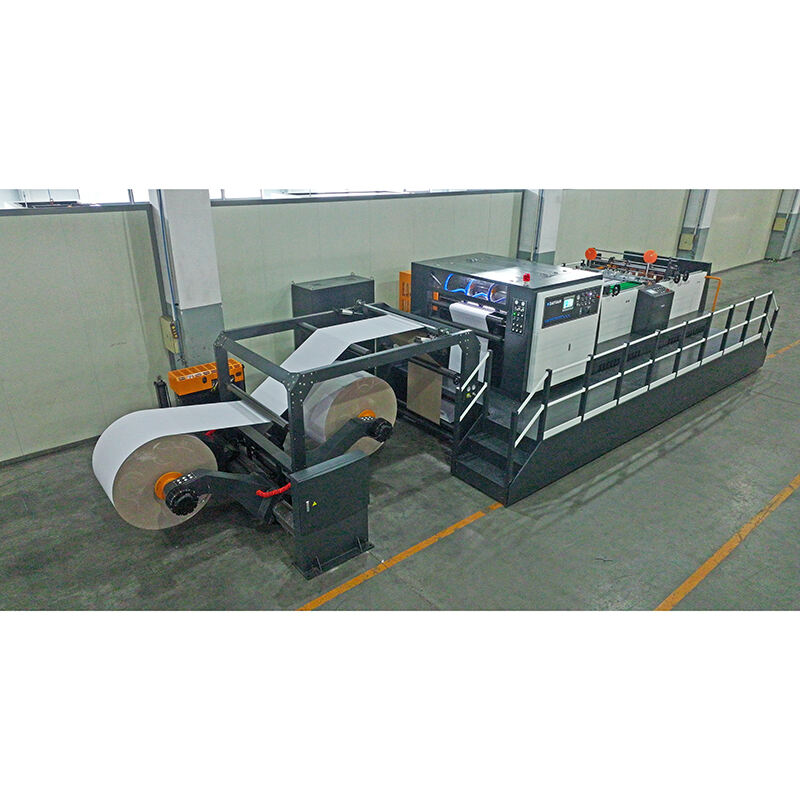
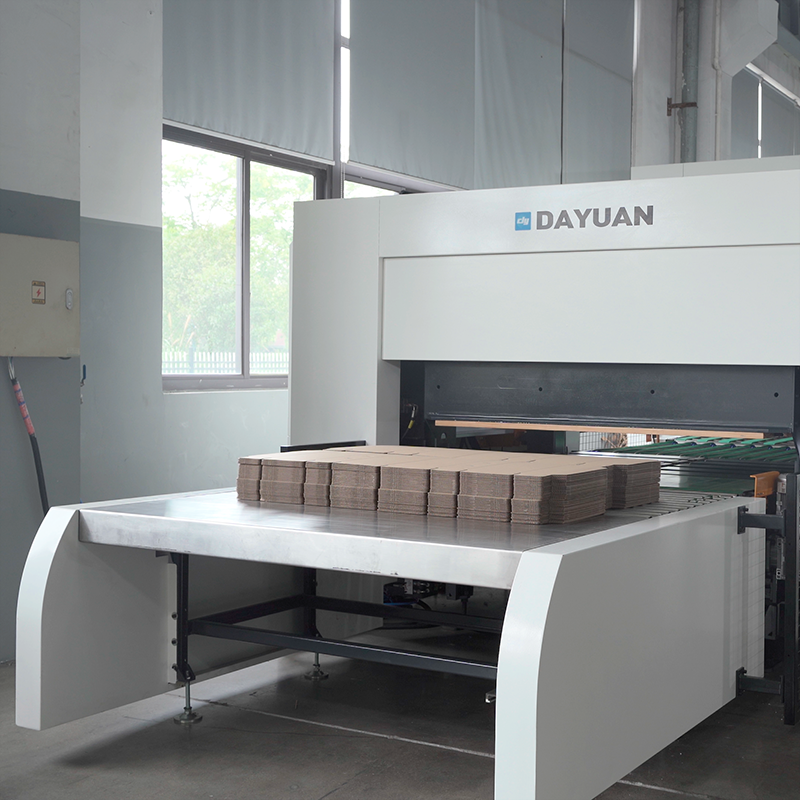
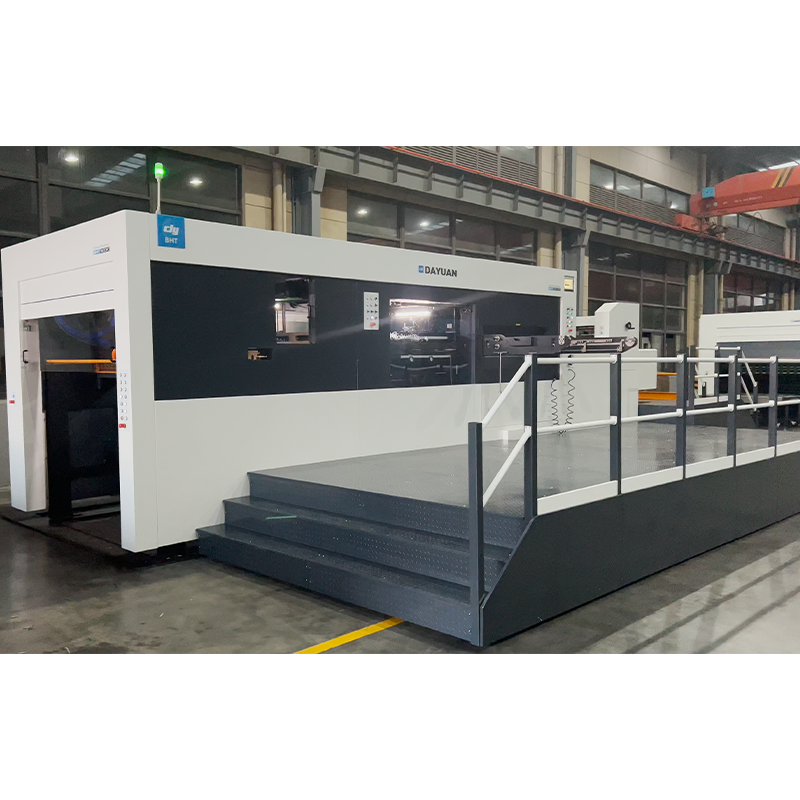
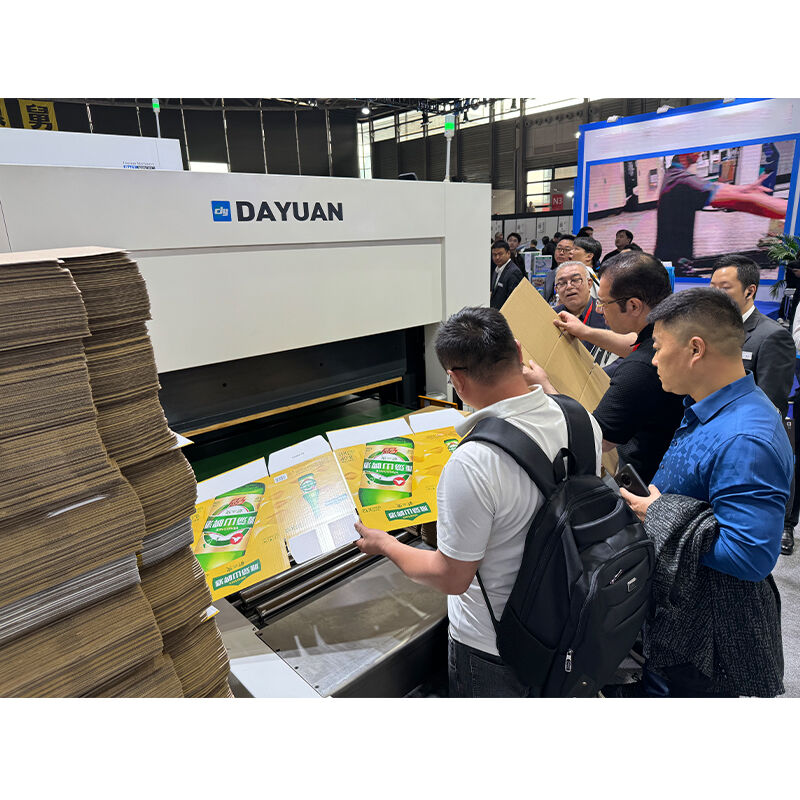
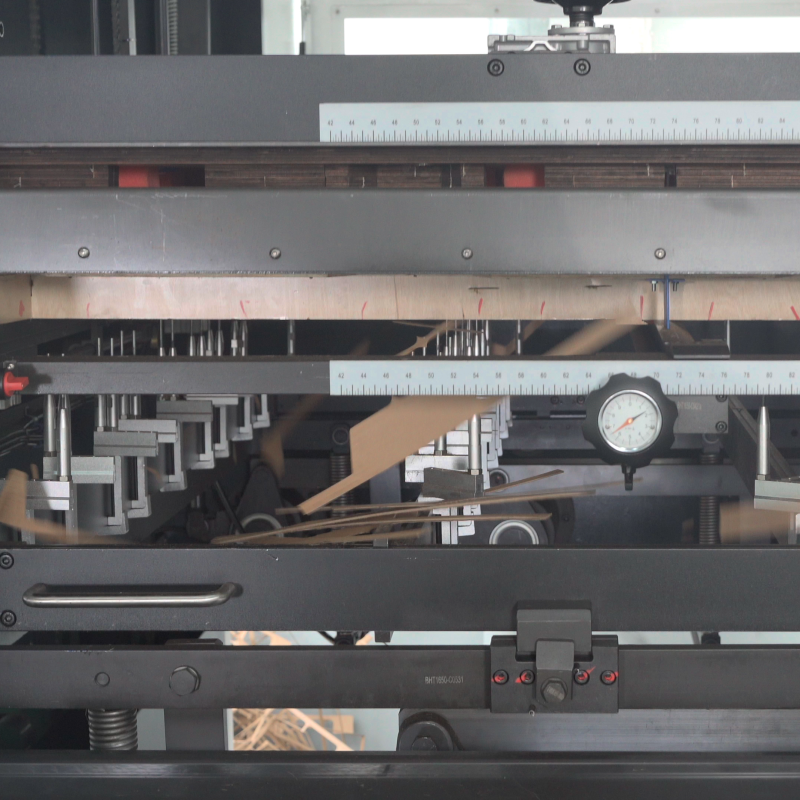
The bespoke nature of these flatbed die cutting systems represents their most compelling advantage, offering manufacturers the ability to specify equipment configurations that precisely address their unique production challenges and operational requirements. Unlike standardized cutting equipment that forces production processes to adapt to machine limitations, a bespoke flatbed die cutter adapts to your specific needs, incorporating custom working dimensions, specialized material handling capabilities, and unique tooling configurations that optimize performance for your particular applications. This customization begins with working area dimensions, where manufacturers specify bed sizes that accommodate their typical material dimensions without wasteful oversizing or restrictive undersizing that compromises production efficiency. Specialized material handling systems integrate seamlessly into custom configurations, incorporating automatic feeding mechanisms, precision registration systems, vacuum hold-down arrangements, or specialized support structures for delicate or irregular materials. The tooling flexibility inherent in bespoke designs allows integration of cutting dies, creasing tools, perforating wheels, embossing stamps, and marking systems in configurations that match your specific production requirements without compromising accessibility or operational efficiency. Custom control interfaces can incorporate specialized functions, preset programs for frequently produced items, or integration protocols that connect with existing production management systems and quality tracking databases. Power and force specifications adapt to your material requirements, with custom hydraulic or pneumatic systems delivering precisely the cutting force needed for your applications without excessive capacity that increases equipment costs and operational expenses. Automation levels scale according to your production volumes and labor availability, ranging from manual material loading with automated cutting to fully integrated systems that handle materials from raw stock through finished component output without human intervention. Environmental considerations integrate into custom designs, incorporating dust collection systems, noise reduction features, or specialized guarding arrangements that address specific workplace requirements or regulatory compliance needs. The customization extends to future expansion capabilities, with modular designs allowing subsequent additions of advanced features, increased cutting areas, or enhanced automation as production requirements evolve and business growth demands enhanced capabilities.
 EN
EN