Versatile Material Processing Capabilities for Diverse Applications
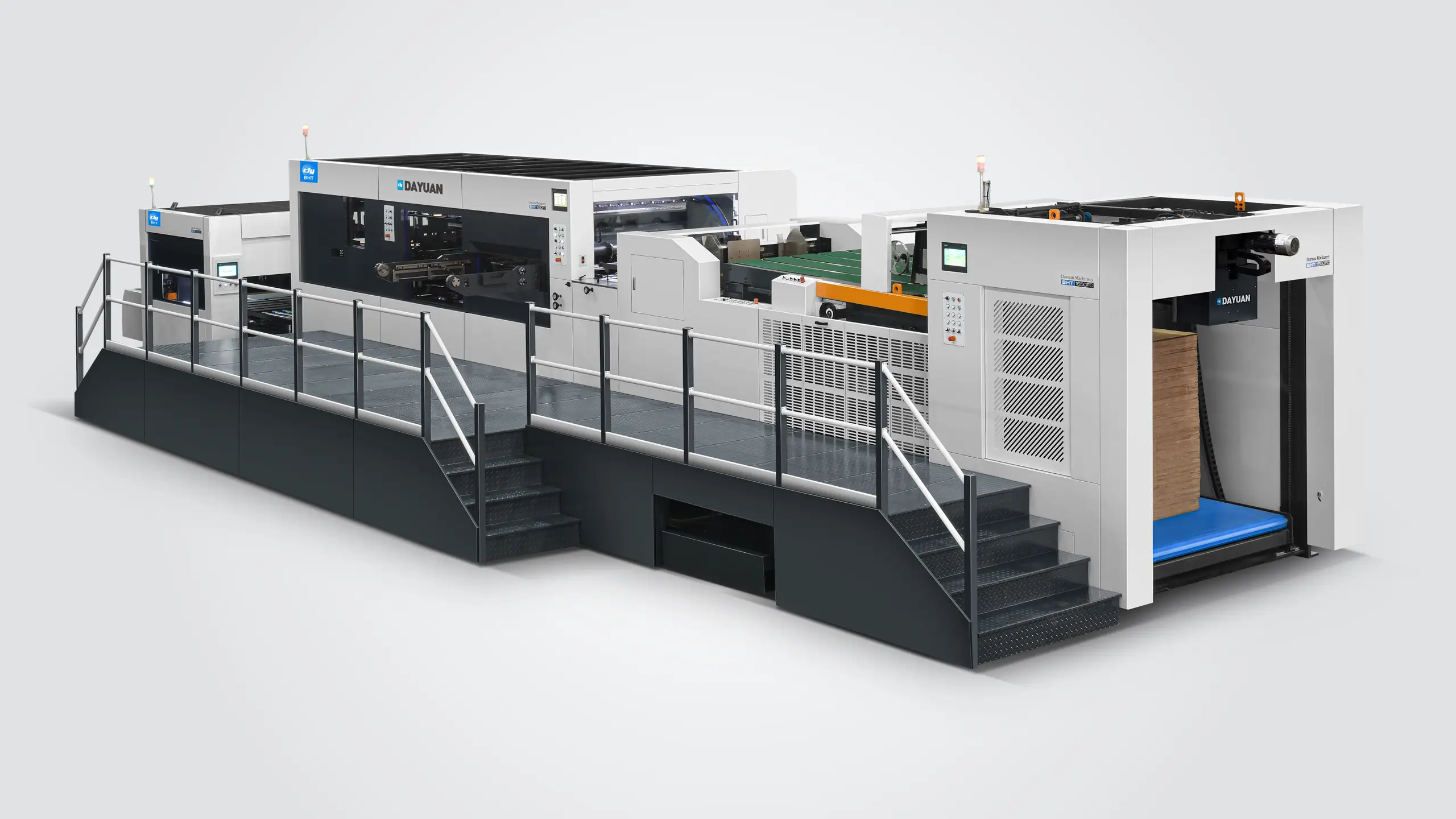
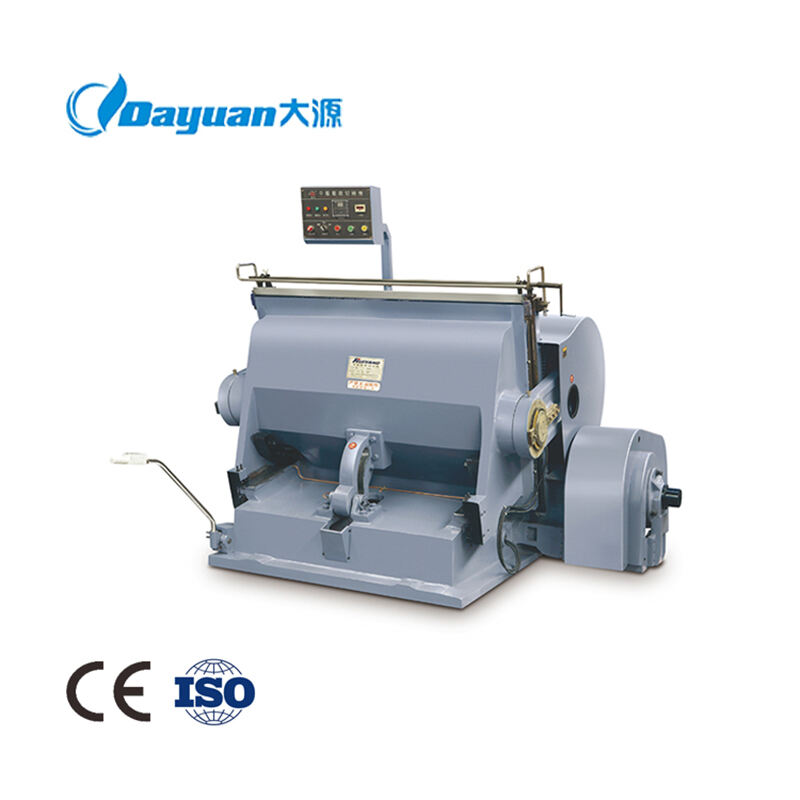
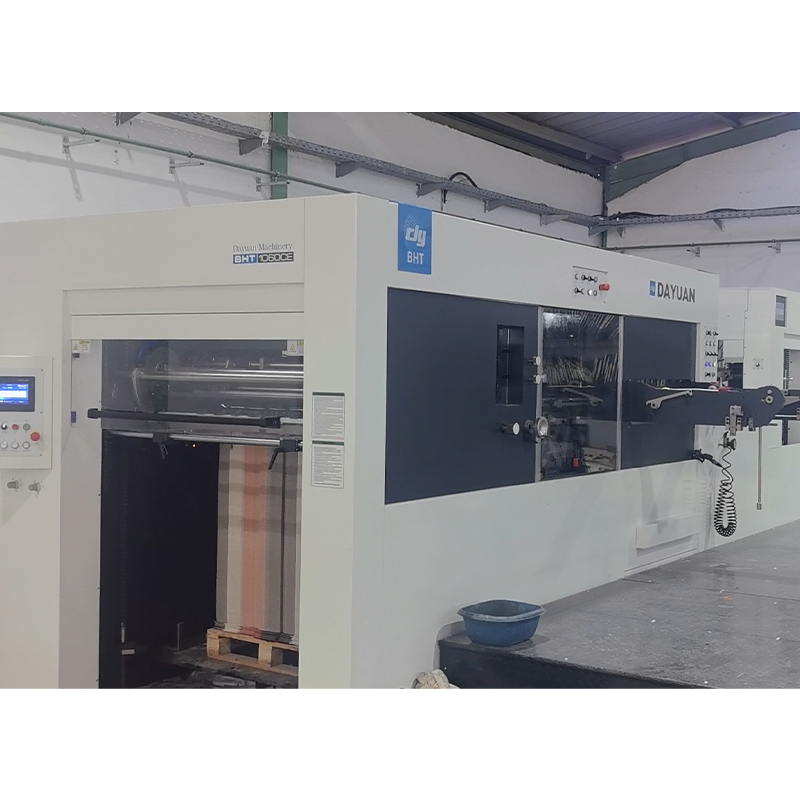
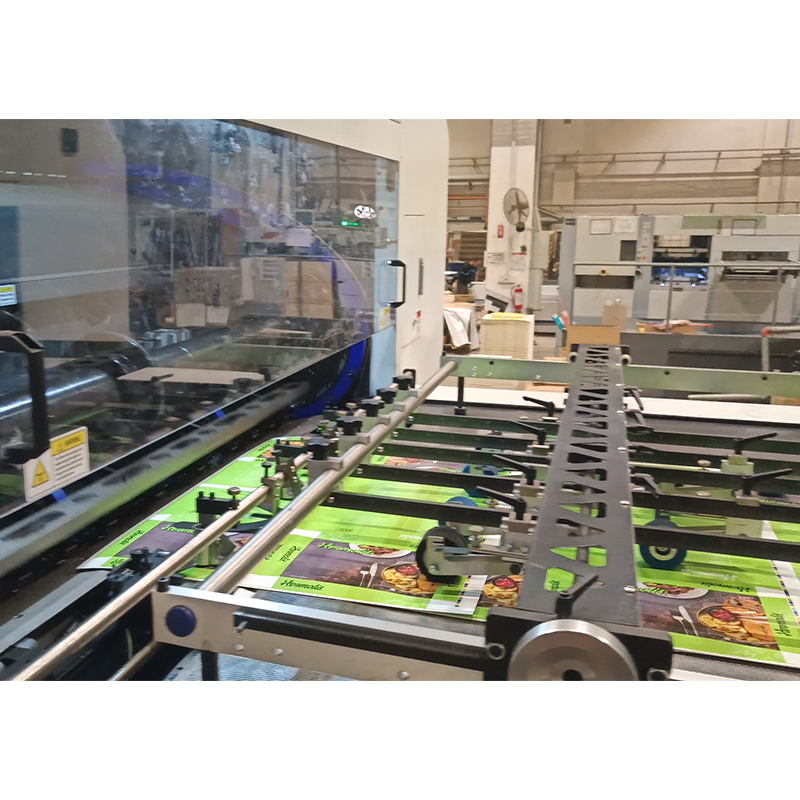
Equipment sourced from an experienced flatbed die cutter supplier offers remarkable versatility in material processing capabilities, enabling businesses to serve diverse markets and adapt quickly to changing customer demands without investing in multiple specialized machines. This versatility begins with adjustable pressure systems that accommodate material thicknesses ranging from thin films measuring mere microns to thick boards exceeding several millimeters, all processed on the same machine with simple control adjustments. The pressure range provided by quality flatbed die cutting equipment spans from delicate kiss-cutting that barely penetrates surface layers for label production to powerful through-cutting that completely separates thick materials in single passes. This adaptability proves invaluable when your business serves multiple market segments or when individual projects require processing different material types in coordinated production sequences. A comprehensive flatbed die cutter supplier understands that modern operations encounter substrates with vastly different physical properties, from rigid materials that require substantial cutting force to compressible foams needing controlled pressure to avoid excessive compression. Their equipment handles corrugated cardboard for packaging, chipboard for rigid boxes, plastic sheets for signage and displays, foam materials for cushioning and insulation, rubber compounds for gaskets and seals, textile fabrics for fashion and upholstery applications, and composite materials combining multiple layers with different properties. Bed sizes available from established suppliers range from compact units suitable for small-format work to expansive platforms accommodating full sheets that minimize material handling and maximize substrate utilization. Quick-change die systems enable rapid transitions between different cutting patterns, reducing setup time when switching between products or customers. This efficiency becomes particularly valuable in environments handling numerous small to medium production runs rather than continuous long runs of identical items. Registration mark reading systems allow precise processing of pre-printed materials, ensuring cut patterns align perfectly with printed graphics for professional finished appearance. The flatbed configuration itself offers advantages for certain applications compared to rotary systems, providing better control when working with delicate materials, accommodating irregular shapes, and enabling easier die access for maintenance and changes.
 EN
EN