Bulk Flatbed Die Cutter: Precision Cutting Solutions for High-Volume Manufacturing

+86-577-58918888
All Categories

bulk flatbed die cutter

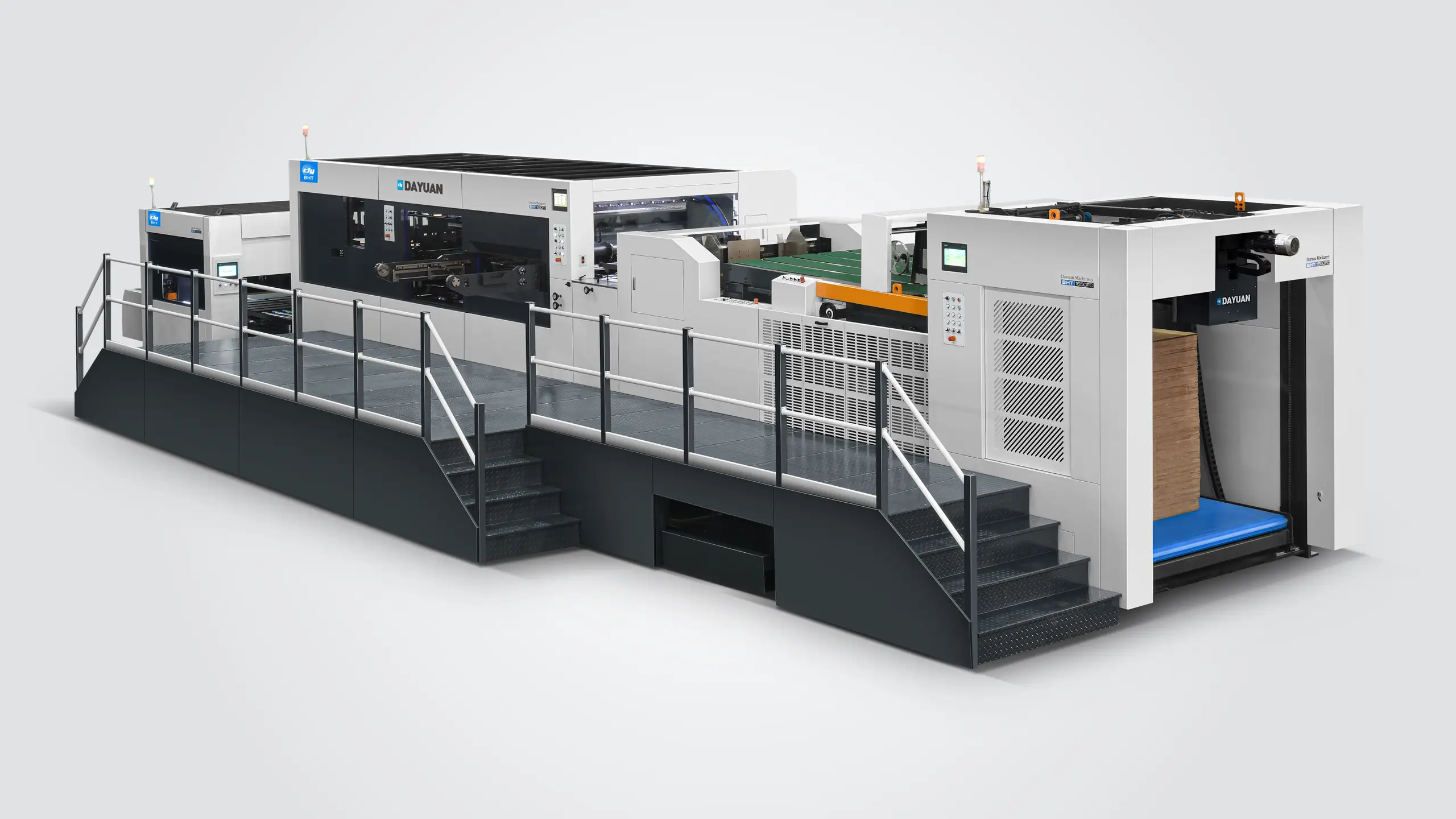
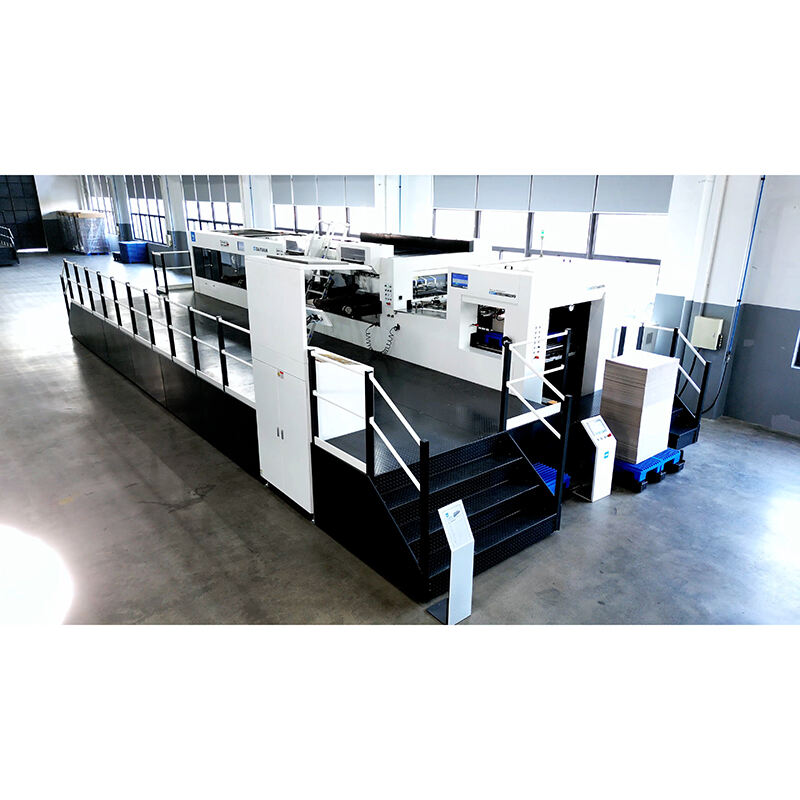
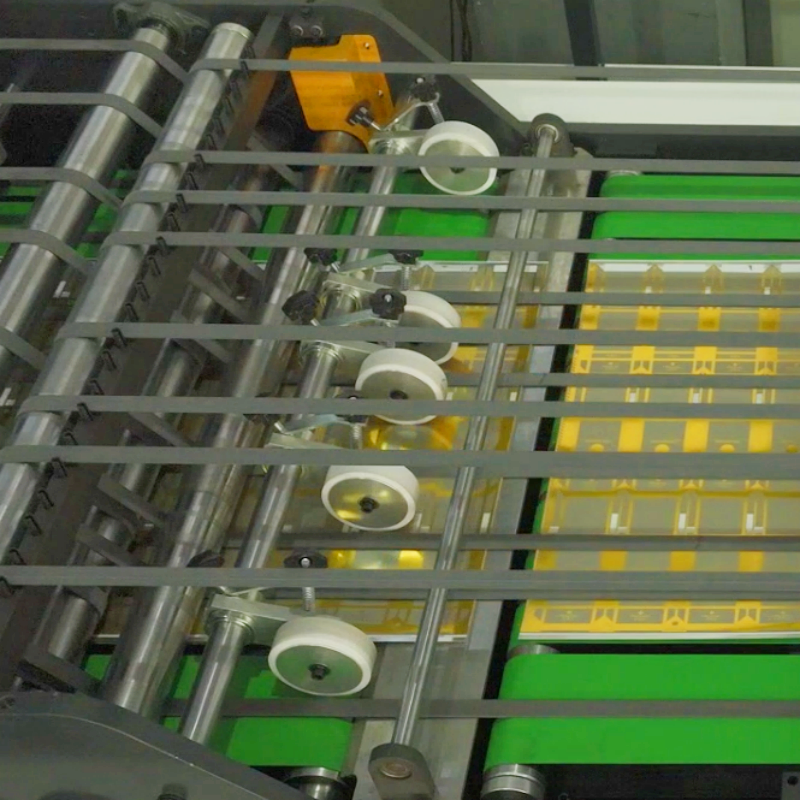
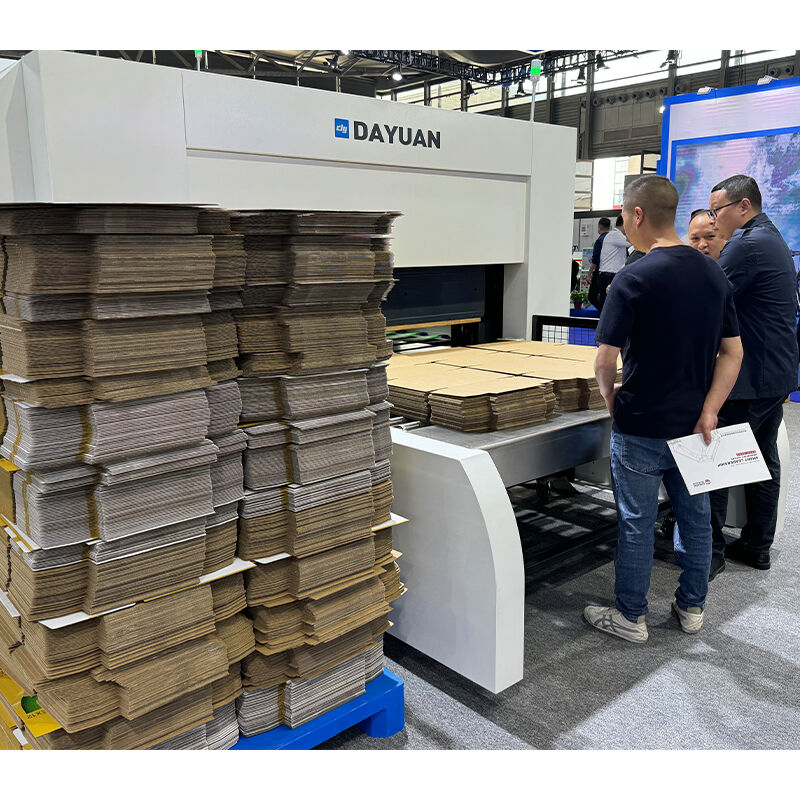
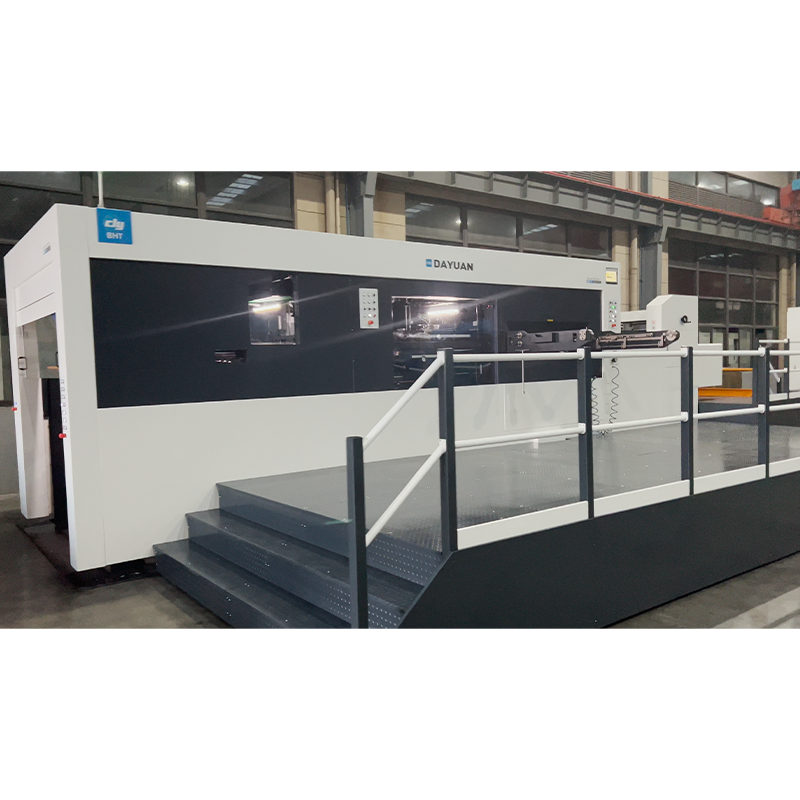
The bulk flatbed die cutter represents a revolutionary advancement in material processing technology, designed to deliver precision cutting solutions for high-volume production environments. This sophisticated machinery combines mechanical excellence with cutting-edge automation to handle diverse materials ranging from paper and cardboard to foam, rubber, leather, and various synthetic substrates. At its core, the bulk flatbed die cutter operates on a straightforward principle: it uses sharp steel rule dies mounted on a flat surface to press through stacked layers of material, creating clean, accurate cuts in a single operation. The main functions of this equipment extend beyond simple cutting to include creasing, perforating, and embossing, making it an incredibly versatile tool for manufacturers across multiple industries. Technologically, modern bulk flatbed die cutters incorporate computerized controls that allow operators to program cutting patterns with exceptional precision, ensuring consistency across thousands of pieces. The flatbed design provides a stable platform that accommodates various material thicknesses and densities, while the bulk processing capability means multiple sheets can be cut simultaneously, dramatically increasing production efficiency. These machines feature hydraulic or pneumatic pressure systems that generate the necessary force to cut through material stacks cleanly without distortion or tearing. Safety mechanisms including light curtains, emergency stop buttons, and protective guards ensure operator protection during continuous operation. The applications for bulk flatbed die cutters span numerous sectors including packaging, printing, automotive interior manufacturing, gasket production, textile processing, and label creation. In the packaging industry, these machines produce custom boxes, inserts, and protective packaging components with speed and accuracy. Printing companies utilize bulk flatbed die cutters to finish brochures, business cards, and specialty printing projects that require unique shapes or folding patterns. The automotive sector relies on these machines to cut interior trim components, sound dampening materials, and weather seals. Overall, the bulk flatbed die cutter serves as an essential production tool for businesses seeking to streamline their cutting operations while maintaining exceptional quality standards and maximizing throughput.

New Product Releases

Investing in a bulk flatbed die cutter delivers tangible benefits that directly impact your bottom line and operational efficiency. First and foremost, this equipment dramatically reduces labor costs by eliminating the need for manual cutting or repetitive individual cuts. Instead of having workers spend hours cutting materials piece by piece, your team can process entire batches in minutes, freeing up personnel for other value-added tasks. The speed advantage translates into faster project completion times, enabling you to accept more orders and grow your revenue without proportionally increasing your workforce. Material waste decreases significantly because the bulk flatbed die cutter makes precise cuts every single time, reducing errors that lead to scrapped materials. Over months and years, these material savings accumulate into substantial cost reductions. The consistency this machine provides ensures every piece meets your quality specifications, which means fewer customer complaints, reduced returns, and stronger client relationships. Your business gains flexibility because the bulk flatbed die cutter adapts to various materials and project requirements without requiring separate specialized equipment for each application. When you receive an order for a new product or design, you simply create the appropriate die and begin production quickly, responding to market demands faster than competitors using older methods. The durability of commercial-grade bulk flatbed die cutters means you make a one-time capital investment that serves your business reliably for decades with proper maintenance. Unlike consumable-based cutting methods, the dies themselves can be reused thousands of times before requiring replacement, further reducing operating expenses. Maintenance requirements remain minimal, with routine inspections and lubrication keeping the machine running smoothly without extensive downtime. Safety improvements protect your workforce because modern bulk flatbed die cutters incorporate multiple protective features that prevent accidents, reducing workplace injury risks and associated costs. The compact footprint of many models means you maximize your facility space, fitting substantial production capacity into relatively small areas. Energy efficiency has improved in recent generations of bulk flatbed die cutters, with many models consuming less power than older alternatives while delivering superior performance. The learning curve for operators remains manageable, allowing your team to become proficient quickly and begin producing quality output within days rather than weeks. As your business grows, the bulk flatbed die cutter scales with you, handling increased production volumes without requiring equipment replacement. The professional output quality elevates your brand reputation, making your products stand out in competitive markets and justifying premium pricing. Return on investment typically occurs within the first year or two of operation for most businesses, after which the equipment continues generating value year after year. Environmental benefits include reduced waste generation and lower energy consumption compared to alternative cutting methods, helping your company meet sustainability goals while cutting costs.

Latest News

How to Choose a Flatbed Die Cutter for Thick Materials

13

Mar

How to Choose a Flatbed Die Cutter for Thick Materials

Understanding Industrial Die Cutting Excellence The world of industrial die cutting has evolved significantly, with flatbed die cutters emerging as essential tools for businesses handling thick materials. These robust machines combine precision, powe...
View More
How Does a High-Precision Paper Cutter Machine Ensure Perfect Edge Quality for Fine Printing?

10

Feb

How Does a High-Precision Paper Cutter Machine Ensure Perfect Edge Quality for Fine Printing?

In the demanding world of fine printing and commercial printing operations, achieving consistently perfect edge quality remains one of the most critical challenges facing print professionals. The difference between an acceptable print job and an exce...
View More
What Patented Technologies Should You Look for in a High-Performance Paper Die Cutting Machine?

02

Apr

What Patented Technologies Should You Look for in a High-Performance Paper Die Cutting Machine?

When investing in a high-performance paper die cutting machine for industrial production, understanding the patented technologies that differentiate premium equipment from standard alternatives becomes crucial for making informed purchasing decisions...
View More
How Do You Select the Right Paper Cutter Machine for Heavy-Duty vs. Light-Duty Applications?

02

Apr

How Do You Select the Right Paper Cutter Machine for Heavy-Duty vs. Light-Duty Applications?

Selecting the appropriate paper cutter machine for your specific operational requirements involves understanding the fundamental differences between heavy-duty and light-duty applications. The choice you make directly impacts productivity, operationa...
View More

Get a Free Quote

Our representative will contact you soon.
Email
Name
Company Name
Required Product
Message
0/1000

bulk flatbed die cutter

Exceptional Multi-Layer Processing Capability

Exceptional Multi-Layer Processing Capability

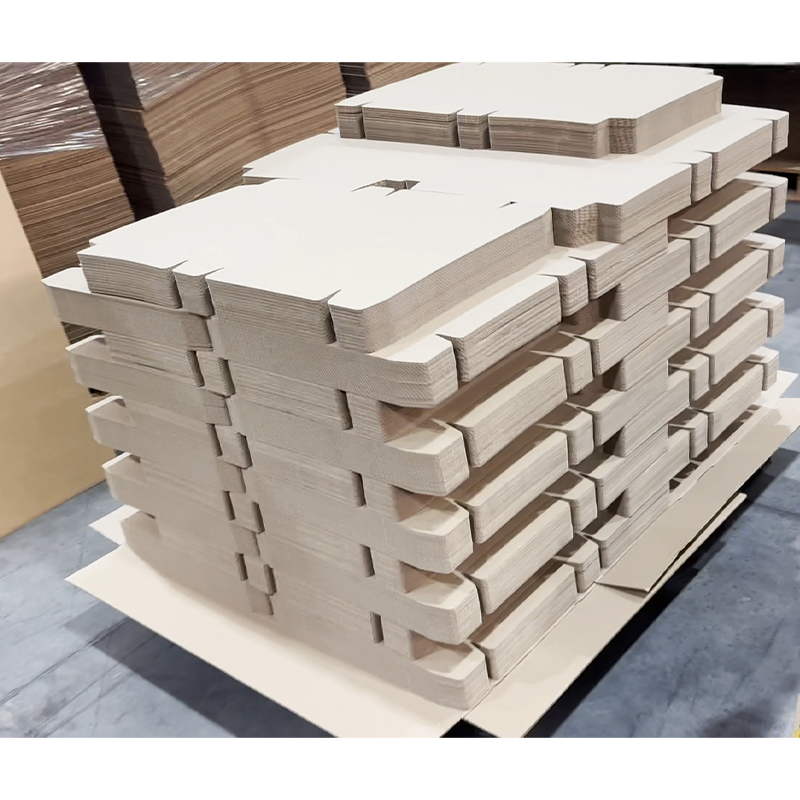
The bulk flatbed die cutter distinguishes itself through its remarkable ability to process multiple layers of material simultaneously, a feature that fundamentally transforms production economics and operational efficiency. While conventional cutting methods require processing materials one sheet at a time, this advanced machinery can handle substantial stacks, often cutting through dozens of layers in a single press cycle. This multi-layer processing capability stems from the combination of powerful hydraulic systems that generate sufficient tonnage to penetrate material stacks cleanly, precision-engineered dies that maintain sharpness and accuracy throughout extended production runs, and rigid flatbed surfaces that prevent material shifting during the cutting process. For businesses managing high-volume orders, this functionality translates into production speeds that were previously unattainable, enabling you to complete projects in fractions of the time traditional methods require. Consider a packaging manufacturer producing custom boxes: instead of cutting one blank at a time, the bulk flatbed die cutter processes entire stacks, transforming hours of work into minutes of machine operation. The consistency across all layers remains exceptional because the die creates identical cuts regardless of position within the stack, ensuring that the bottom layer matches the top layer perfectly. This uniformity eliminates quality variations that plague manual cutting operations, where operator fatigue or slight hand movements create inconsistencies. The economic impact extends beyond speed to include labor optimization, as fewer operators can manage significantly higher output volumes, reducing per-unit labor costs dramatically. Material handling becomes simpler because workers load stacks rather than feeding individual sheets, reducing repetitive motion injuries and improving workplace ergonomics. The bulk flatbed die cutter accommodates various stack heights depending on material characteristics, allowing operators to optimize batch sizes based on material thickness and density. Thinner materials like paper or thin cardboard allow for taller stacks, while thicker substrates like rubber or dense foam require smaller batches, but even conservative stacks deliver substantial productivity gains. This adaptability means one machine serves diverse production needs without requiring separate equipment for different materials. The investment in a bulk flatbed die cutter with superior multi-layer capability pays dividends through accelerated production schedules, reduced labor expenses, and enhanced competitive positioning in time-sensitive markets.
Precision Engineering for Consistent Quality Output

Precision Engineering for Consistent Quality Output

Quality consistency represents a critical competitive advantage in modern manufacturing, and the bulk flatbed die cutter delivers unmatched precision that ensures every piece meets exact specifications throughout production runs. The engineering excellence behind this consistency begins with the flatbed foundation, constructed from precision-ground steel or cast iron surfaces that provide absolute stability without deflection under pressure. This rigid platform prevents material movement during cutting operations, ensuring that dies contact materials at precisely the correct angle and position every time. The die-holding systems incorporate alignment mechanisms that position cutting dies with microscopic accuracy, eliminating the positional variations that compromise quality in less sophisticated equipment. Modern bulk flatbed die cutters integrate computerized controls that manage pressure application, timing, and stroke depth with digital precision, removing human error from the equation and ensuring identical results across thousands of cycles. The pressure distribution systems ensure uniform force application across the entire cutting area, preventing scenarios where one section cuts cleanly while another fails to fully penetrate materials. This uniform pressure proves especially crucial when processing larger sheets or complex die patterns with numerous cutting lines and detail elements. Temperature management systems maintain consistent operating conditions because material cutting characteristics can change with temperature fluctuations, particularly with synthetic materials and adhesives. By maintaining stable operating temperatures, the bulk flatbed die cutter produces identical results regardless of whether you run the machine for hours or days continuously. The quality benefits extend to edge finish, with sharp, properly maintained dies creating clean cuts without ragged edges, tears, or deformation that would require secondary finishing operations. This clean cutting eliminates the need for additional processing steps, reducing production time and costs while improving final product appearance. Dimensional accuracy remains within tight tolerances, typically measured in hundredths of millimeters, ensuring that components fit together properly in assembly operations without gaps or interference. For industries where component fit directly impacts product performance, such as gasket manufacturing or automotive trim production, this dimensional precision proves essential. The repeatability factor means you can confidently accept reorders knowing the bulk flatbed die cutter will produce pieces identical to the original production run, even months or years later. This consistency strengthens customer relationships because clients receive predictable quality that meets their expectations every time. Quality control requirements decrease because the inherent precision of the bulk flatbed die cutter reduces defect rates dramatically, allowing inspection protocols to focus on sample checking rather than 100 percent inspection, further reducing labor costs and accelerating production flow.
Versatile Material Compatibility and Application Flexibility

Versatile Material Compatibility and Application Flexibility

The bulk flatbed die cutter excels as a truly versatile production tool capable of processing an extensive range of materials and adapting to diverse manufacturing applications, making it an invaluable asset for businesses serving multiple markets or producing varied product lines. Material compatibility spans soft substrates like paper, tissue, and thin films through medium-density materials including cardboard, chipboard, and corrugated board, extending to challenging dense materials such as rubber, leather, foam, gasket materials, and various plastics. This broad material compatibility eliminates the need for multiple specialized cutting systems, consolidating your equipment investment while simplifying operator training and maintenance requirements. The adaptability stems from adjustable pressure systems that allow operators to dial in the precise force required for each material type, applying gentle pressure for delicate substrates that tear easily while generating substantial tonnage for dense materials that resist cutting. Interchangeable dies enable rapid production changeovers, allowing manufacturers to switch between completely different products within minutes rather than hours, dramatically improving production scheduling flexibility and responsiveness to customer demands. A packaging company might produce folding cartons in the morning, switch to foam inserts at midday, and finish the day cutting custom gaskets, all using the same bulk flatbed die cutter with different dies and pressure settings. This operational flexibility reduces the capital investment barrier for businesses exploring new markets or product categories because existing equipment adapts to new applications rather than requiring additional machinery purchases. The bulk flatbed die cutter handles various material thicknesses, typically ranging from tissue-thin films measuring fractions of a millimeter to dense materials several centimeters thick, accommodating the thickness variations within your production portfolio. Sheet size flexibility allows processing of small components and large panels, with machine bed sizes available in numerous configurations to match your typical product dimensions. Beyond straight cutting, the bulk flatbed die cutter performs creasing operations that create fold lines in packaging materials, perforating that adds tear lines for easy opening, embossing that creates raised designs for branding or decorative purposes, and scoring that facilitates accurate bending of rigid materials. This multifunctionality transforms the bulk flatbed die cutter from a simple cutting tool into a complete material processing center capable of handling most converting operations. Industries benefiting from this versatility include packaging manufacturers producing everything from retail boxes to protective inserts, printing companies finishing promotional materials and business communications, automotive suppliers creating interior components and sealing systems, textile operations cutting fabric and synthetic materials, gasket manufacturers serving industrial maintenance markets, and label producers creating custom shapes and sizes. The investment in a versatile bulk flatbed die cutter provides production insurance against market changes because your equipment adapts to new opportunities rather than becoming obsolete when product mixes evolve, protecting your capital investment while supporting business growth and diversification strategies.

Get a Free Quote

Our representative will contact you soon.
Email
Name
Company Name
Required Product
Message
0/1000