Robust Construction and Long-Term Reliability
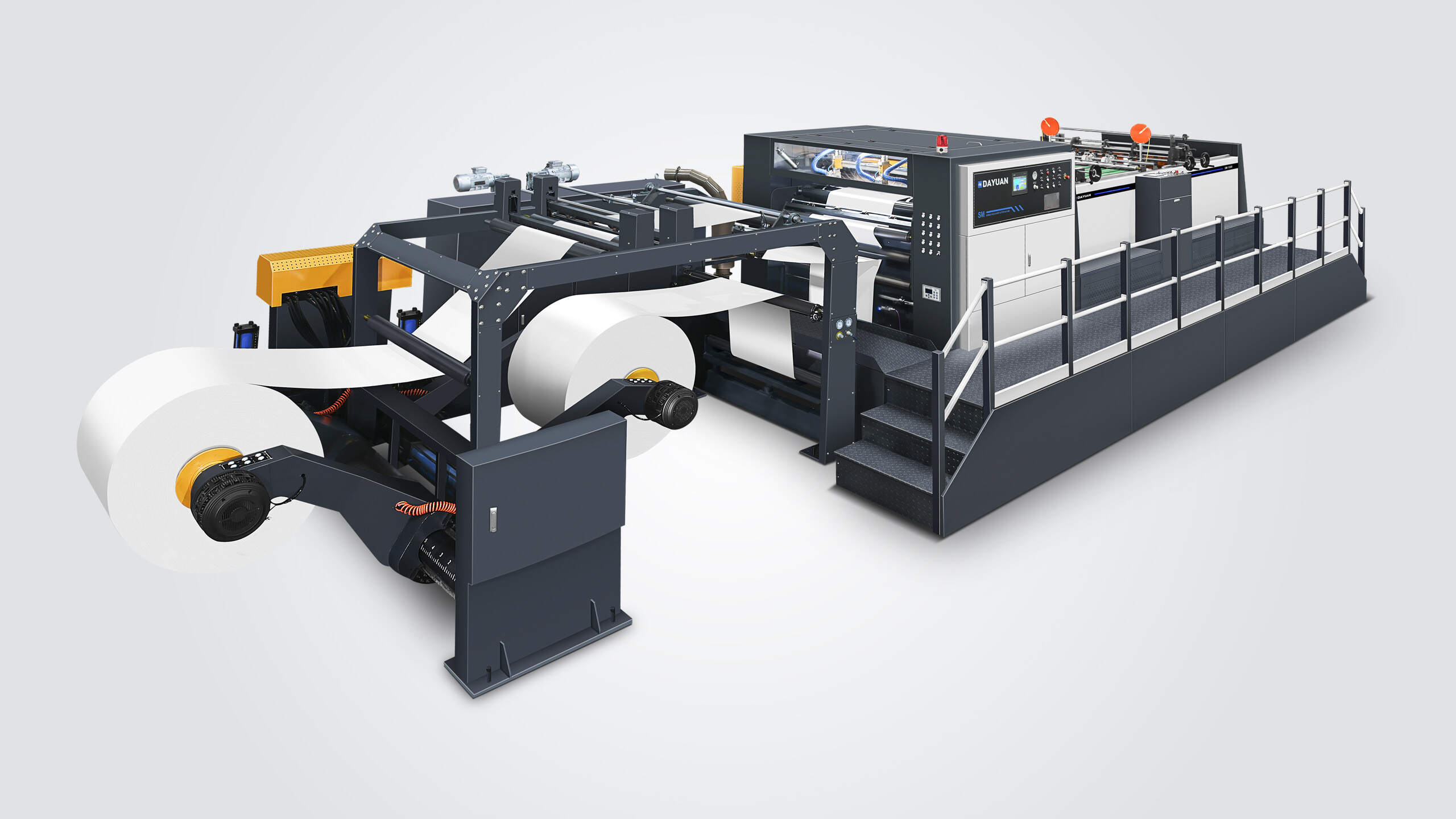
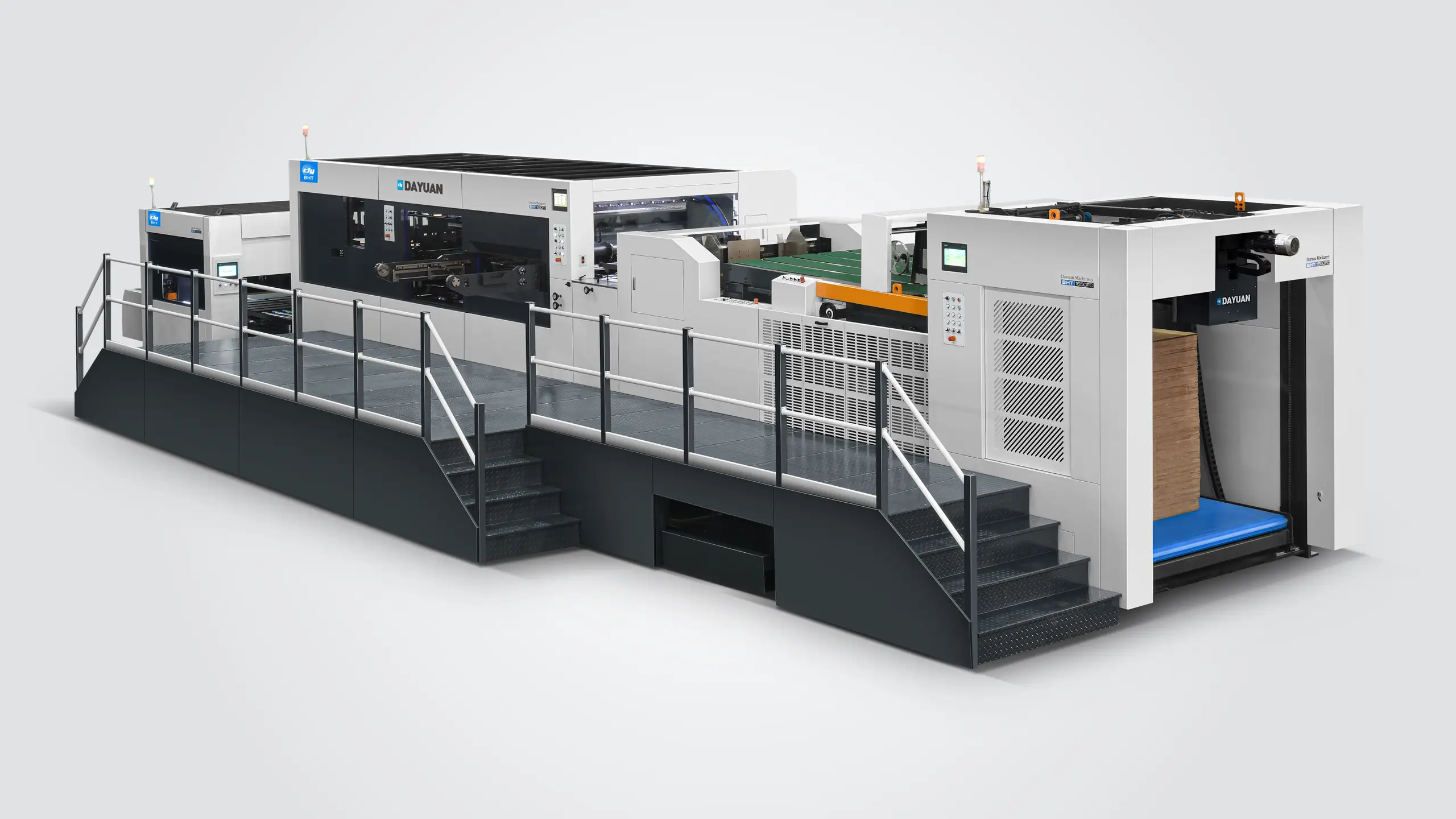
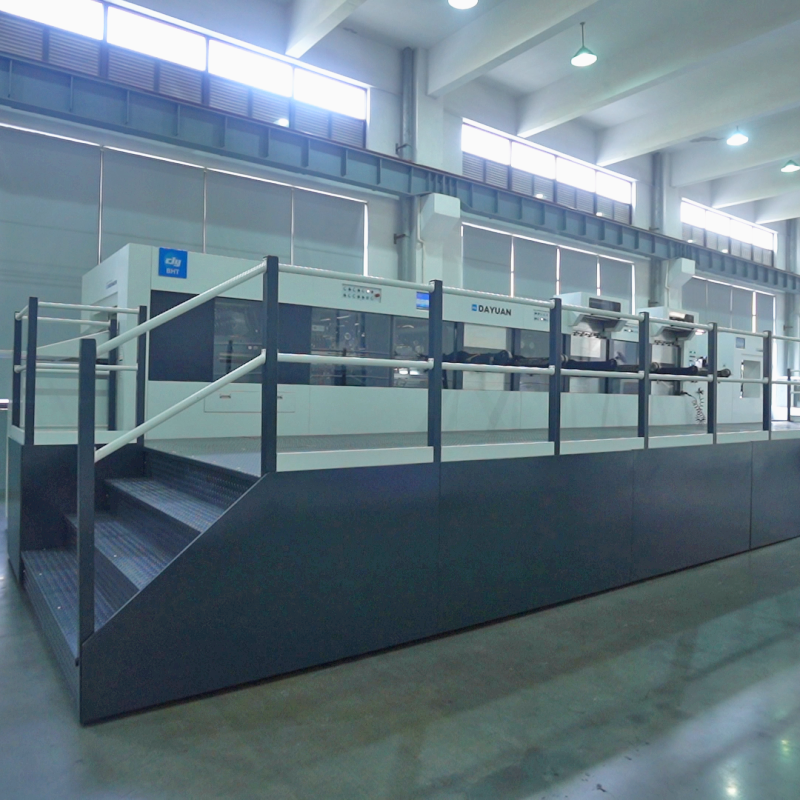
The enduring reliability of the flat bed die punching machine stems from engineering principles that prioritize structural integrity and mechanical durability, characteristics that translate directly into operational advantages and financial benefits for businesses committed to long-term success. At the heart of this reliability lies the substantial steel frame construction that forms the machine's foundation. These frames typically utilize thick steel plates and heavy castings designed to absorb and dissipate the enormous forces generated during the punching cycle without flexing or vibrating. The mass and rigidity of these structures serve multiple purposes: they maintain precise alignment between cutting die and bed surface over millions of operating cycles, they dampen vibrations that could affect cut quality or cause premature component wear, and they provide the stable platform necessary for consistent high-speed operation. This robust construction philosophy extends throughout the machine architecture, from the hardened steel platens ground to precise flatness specifications, to the oversized bearings and guide systems that control platen movement, to the heavy-duty drive mechanisms that convert motor power into controlled cutting force. The engineering conservatism evident in these design choices pays dividends in extended service life, with many flat bed die punching machines remaining productive for twenty, thirty, or even forty years when properly maintained. This longevity represents exceptional value compared to lighter-duty alternatives that may require replacement after a fraction of this timeframe. The maintenance advantages of rugged construction merit particular attention, as the relationship between machine design and ongoing operating costs significantly affects total cost of ownership. Heavily built machines with generous safety factors on components experience less stress during normal operation, resulting in slower wear rates and longer intervals between service requirements. Bearing replacements, seal changes, and other routine maintenance tasks occur less frequently, reducing both parts costs and the labor hours technicians must invest in upkeep. The straightforward mechanical design of most flat bed die punching machines further simplifies maintenance procedures, as experienced technicians can diagnose issues quickly and access components without extensive disassembly. Parts availability typically remains excellent even for older machines, as many components follow industry-standard specifications rather than proprietary designs, and manufacturers support their products for decades recognizing that customer satisfaction depends on long-term serviceability. The reliability factor influences business operations in profound ways that extend beyond simply avoiding breakdowns. Production planners can schedule with confidence, knowing that the flat bed die punching machine will be available when needed rather than sitting idle awaiting repairs. This predictability enables lean manufacturing approaches where inventory buffers are minimized and production flows smoothly in response to customer demand. The reputation benefits prove equally important, as businesses known for reliable delivery and consistent quality attract premium customers willing to pay for dependability. Equipment reliability also affects workplace morale and efficiency, as operators and supervisors can focus on productive activities rather than constantly troubleshooting mechanical problems or developing workarounds for unreliable equipment.
 EN
EN