Flatbed Diecutter Solutions: Precision Cutting Equipment for Packaging and Manufacturing Industries

+86-577-58918888
All Categories

flatbed diecutter

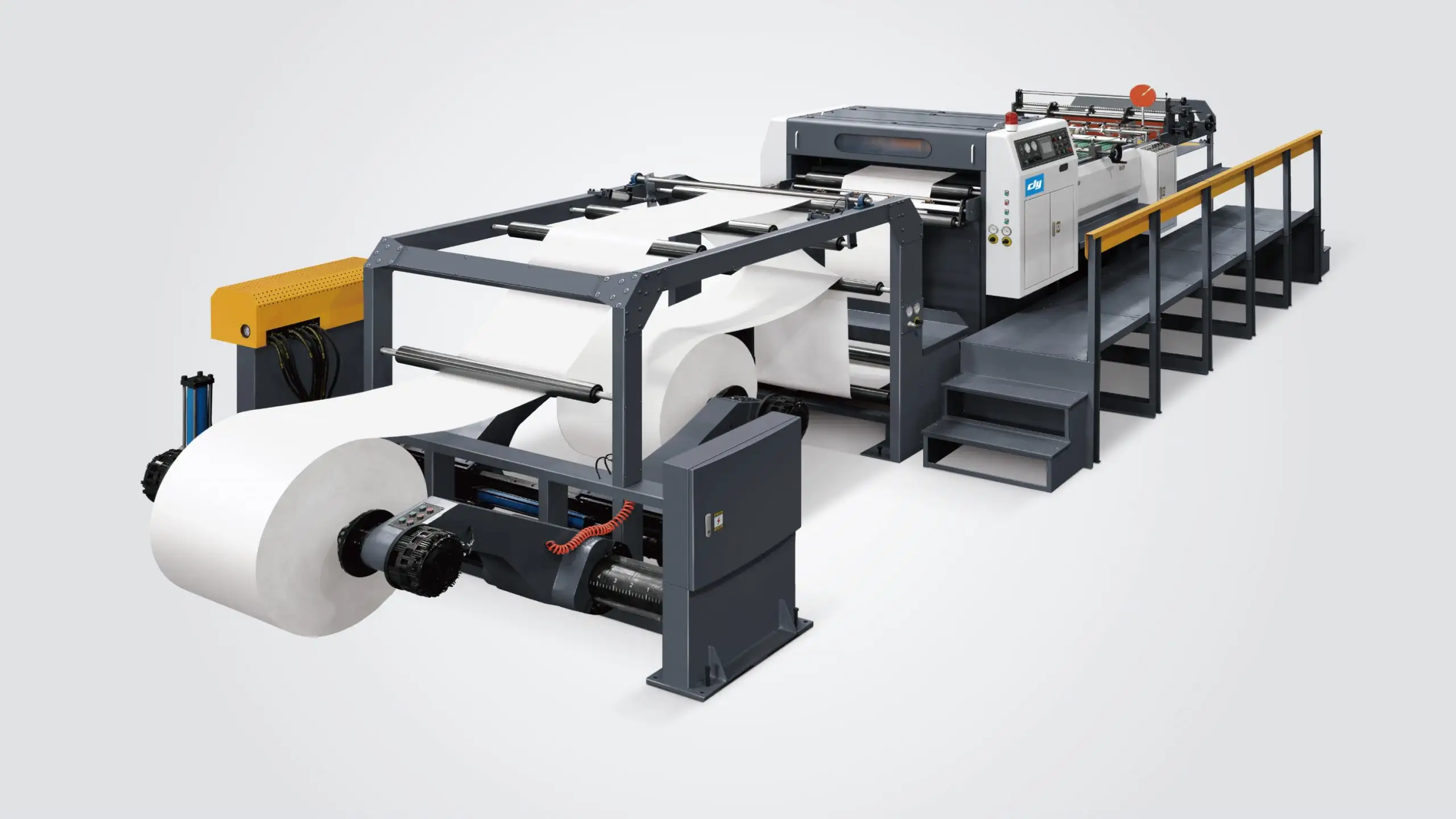
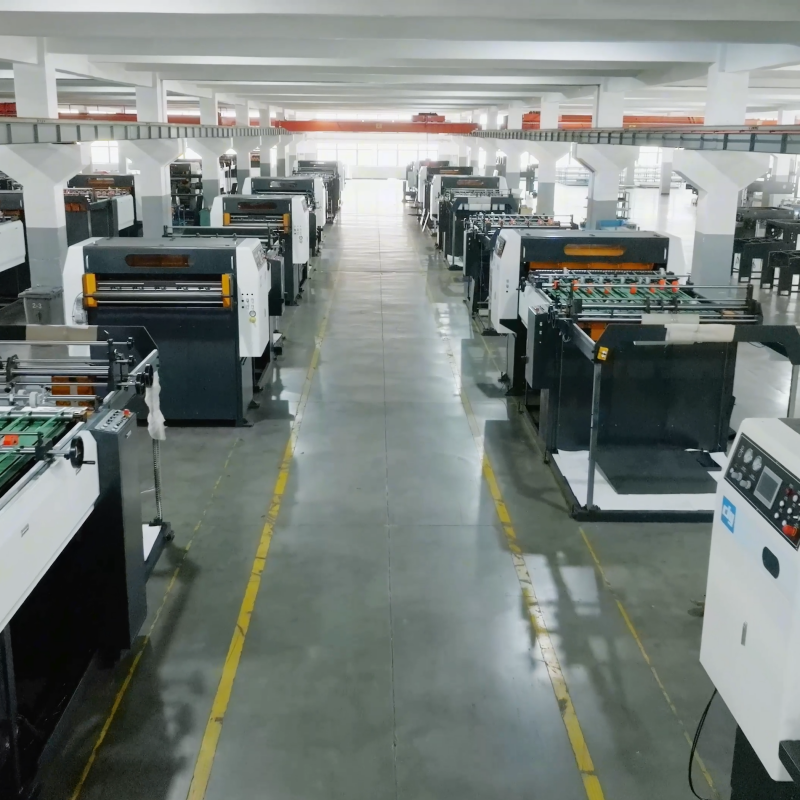
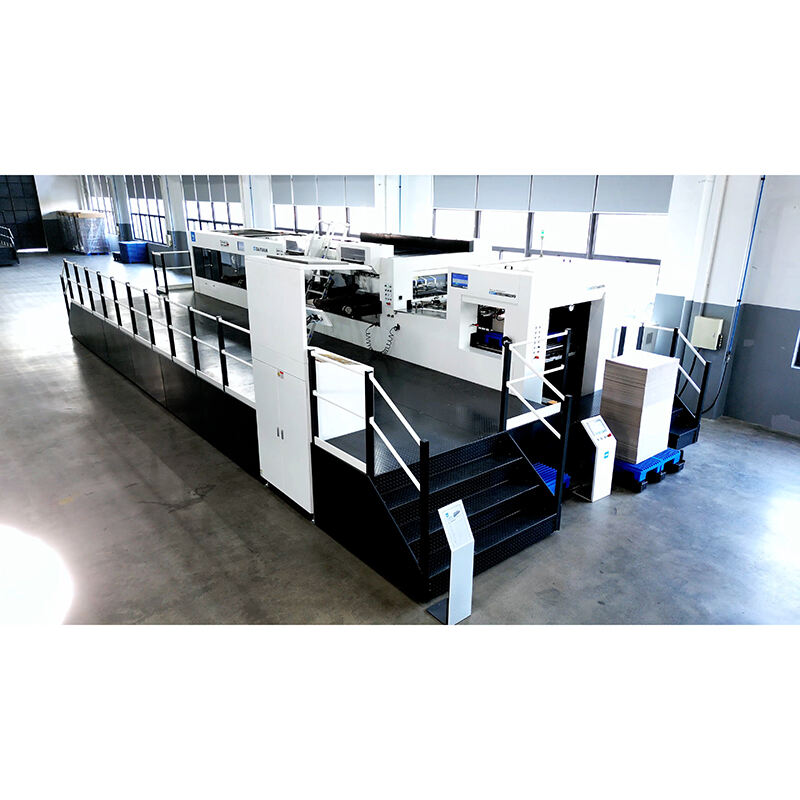
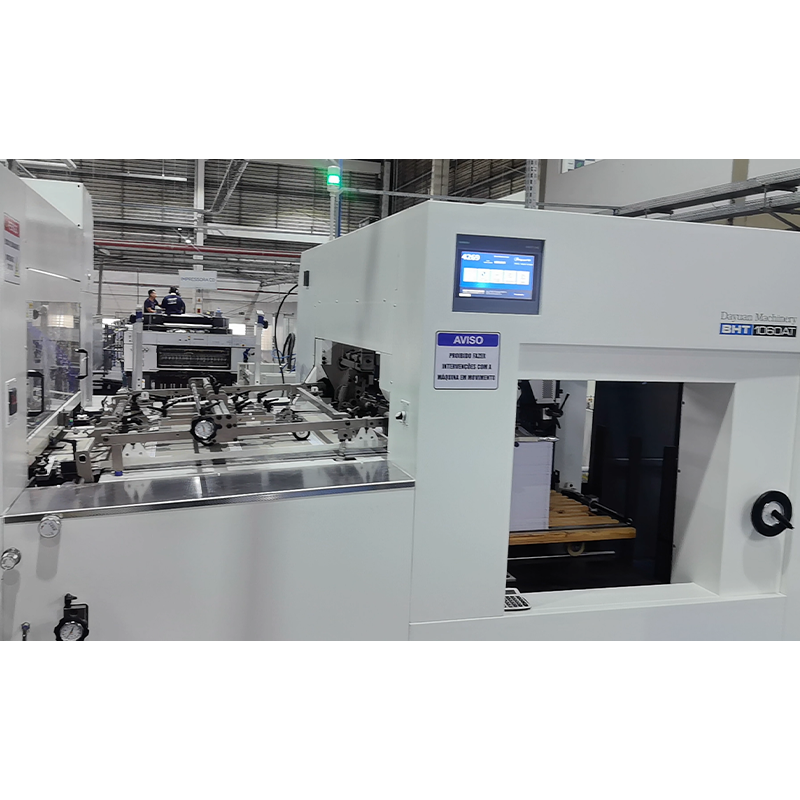
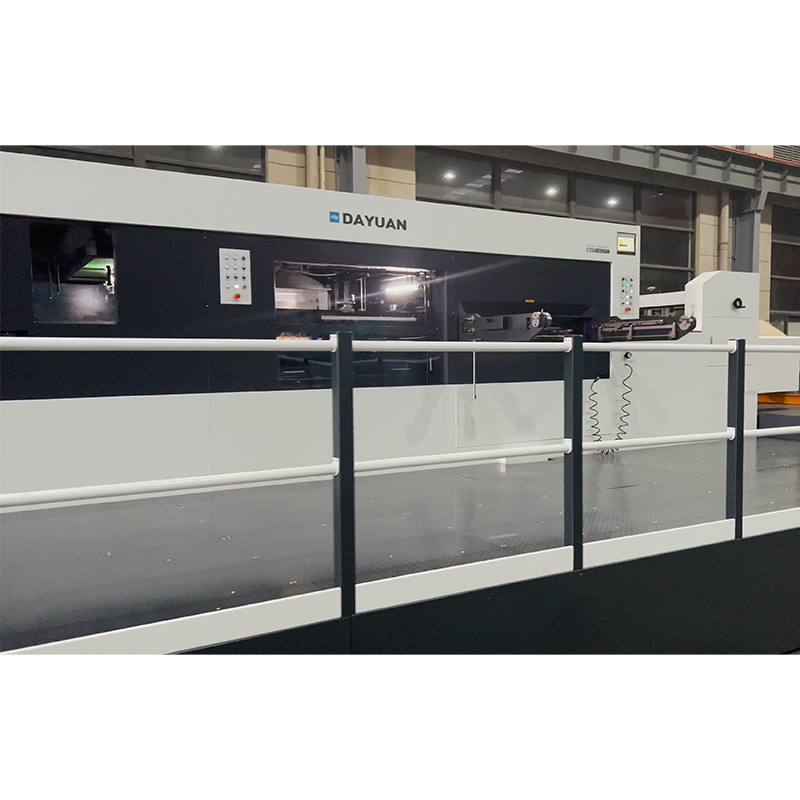
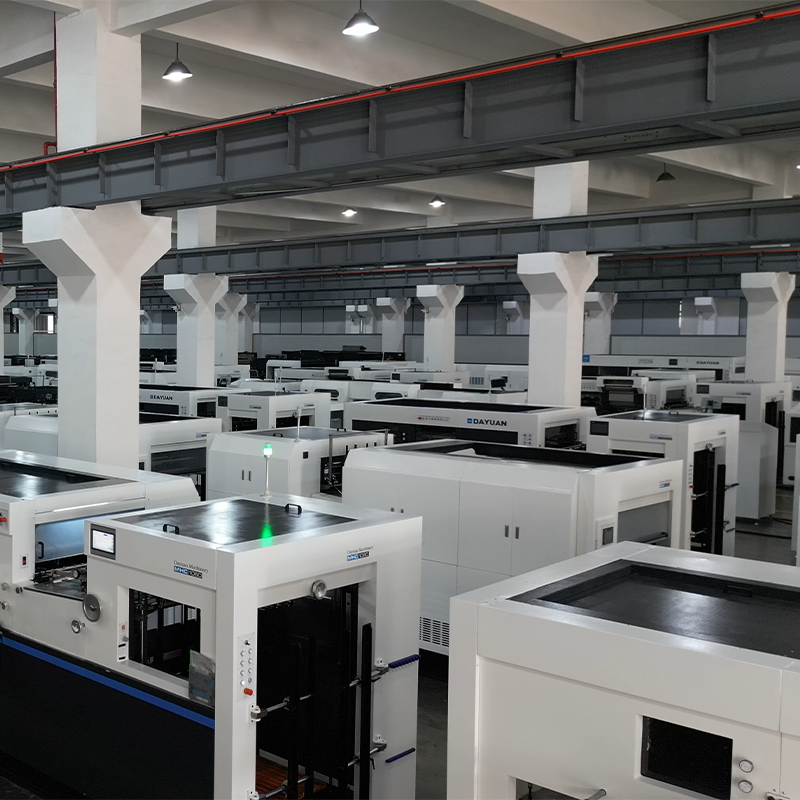
A flatbed diecutter represents a pivotal piece of equipment in the packaging and printing industries, designed to precisely cut, crease, and emboss various materials with exceptional accuracy. This sophisticated machine operates on a flat surface platform where materials are positioned and processed through mechanical pressure applied by dies. The flatbed diecutter has become an indispensable tool for manufacturers who require consistent, high-quality cutting results across diverse substrates including cardboard, corrugated board, plastic sheets, rubber, foam, leather, and specialty papers. The primary function of a flatbed diecutter involves using custom-made cutting dies that are mounted onto the machine's bed. When activated, the press applies substantial force, typically ranging from several tons to hundreds of tons depending on the model, to push the die through the material substrate. This action creates clean, precise cuts following the exact pattern designed in the die. Beyond simple cutting operations, modern flatbed diecutters incorporate multiple functions such as creasing for fold lines, perforating for tear-away sections, embossing for raised designs, and debossing for recessed patterns. The technological features of contemporary flatbed diecutters include advanced control systems that monitor pressure distribution, automated feeding mechanisms for improved efficiency, quick-change die systems that reduce setup time, and safety sensors that protect operators. Many models now incorporate computer numerical control systems that ensure repeatability and precision across production runs. The applications for flatbed diecutters span numerous industries including packaging design and production, label manufacturing, book binding, automotive interior components, gasket production, and specialty promotional materials. Companies utilize these machines to produce everything from intricate folding cartons and display boxes to custom labels, greeting cards, and industrial components. The versatility of the flatbed diecutter makes it suitable for both prototype development and full-scale production runs, accommodating short runs with frequent die changes as well as long production cycles requiring consistent output quality.

Popular Products

The flatbed diecutter offers numerous practical benefits that directly impact production efficiency and product quality for businesses across various sectors. First and foremost, these machines deliver outstanding precision that ensures every cut matches exact specifications, which translates to less material waste and fewer rejected products. When you invest in a flatbed diecutter, you gain the ability to maintain tight tolerances that keep your products consistent from the first piece to the last, regardless of whether you produce fifty units or fifty thousand. This consistency builds customer confidence and reduces the costly problem of rework. Another significant advantage comes from the versatility these machines provide. Unlike specialized equipment that handles only one type of material or thickness, a flatbed diecutter adapts to work with an extensive range of substrates. You can process thin paper one moment and switch to thick corrugated board the next without purchasing separate machinery. This flexibility means your production facility requires less floor space and lower capital investment while maintaining the capability to accept diverse customer orders. The cost-effectiveness of flatbed diecutters becomes apparent when you calculate the total ownership expenses. These machines typically feature robust construction that withstands years of demanding use with minimal maintenance requirements. The straightforward mechanical design means repairs stay simple and parts remain readily available, keeping your downtime minimal. Additionally, the ability to quickly change dies allows you to switch between different projects efficiently, maximizing your machine utilization and return on investment. Operational efficiency represents another compelling advantage. Modern flatbed diecutters incorporate user-friendly controls that reduce the learning curve for operators. Your staff can achieve proficiency quickly, and the intuitive interfaces minimize the risk of operational errors. Automated features like material feeding and waste removal further enhance productivity by allowing operators to focus on quality control rather than repetitive manual tasks. Safety improvements in contemporary flatbed diecutter designs protect your workforce while maintaining productivity. Advanced sensors detect potential hazards and halt operations before accidents occur, while ergonomic designs reduce physical strain on operators during extended production runs. The quality output that flatbed diecutters produce elevates your finished products. Clean edges, precise creases, and accurate registration points mean your packaging, labels, or components look professional and function exactly as intended. This quality advantage helps you compete effectively in markets where presentation and reliability matter. Furthermore, the scalability of flatbed diecutter operations suits businesses at various growth stages, supporting expansion from small-batch custom work to high-volume production without requiring equipment replacement.

Practical Tips

Why Is a Paper Cutter Machine a Vital Tool for Achieving Clean Edges in Print and Publishing Work?

20

Jan

Why Is a Paper Cutter Machine a Vital Tool for Achieving Clean Edges in Print and Publishing Work?

In the high-stakes world of professional print and publishing, the difference between good and exceptional often lies in the details unseen by the untrained eye. Among these, the precision of a clean, sharp edge is paramount. It is the final signatur...
View More
How Does the Cutting Capacity of a Paper Cutter Machine Impact Your Workflow Efficiency?

18

Mar

How Does the Cutting Capacity of a Paper Cutter Machine Impact Your Workflow Efficiency?

In modern printing facilities and office environments, operational efficiency depends heavily on the right equipment selection. The cutting capacity of a paper cutter machine serves as one of the most critical factors determining how smoothly your pr...
View More
Why Is Blade Quality Critical for Consistent Performance in Paper Cutter Machines?

18

Mar

Why Is Blade Quality Critical for Consistent Performance in Paper Cutter Machines?

The precision and efficiency of paper cutter machines directly depend on the quality of their cutting blades, making blade selection one of the most critical factors in achieving consistent performance across industrial applications. Professional pri...
View More
What Patented Technologies Should You Look for in a High-Performance Paper Die Cutting Machine?

02

Apr

What Patented Technologies Should You Look for in a High-Performance Paper Die Cutting Machine?

When investing in a high-performance paper die cutting machine for industrial production, understanding the patented technologies that differentiate premium equipment from standard alternatives becomes crucial for making informed purchasing decisions...
View More

Get a Free Quote

Our representative will contact you soon.
Email
Name
Company Name
Required Product
Message
0/1000

flatbed diecutter

Unmatched Precision Engineering for Superior Product Quality

Unmatched Precision Engineering for Superior Product Quality

The precision engineering inherent in flatbed diecutter technology stands as one of its most valuable attributes, fundamentally transforming how manufacturers approach cutting and forming operations. This precision stems from multiple integrated systems working in harmony to deliver consistent results that meet the strictest quality standards. At the core of this precision lies the machine's rigid frame construction, typically fabricated from heavy-duty cast iron or welded steel that resists flexing even under maximum operating pressures. This structural integrity ensures that when the cutting die descends onto the material, the force distributes evenly across the entire cutting surface, preventing partial cuts or variations in depth that would compromise product quality. The flatbed diecutter achieves microscopic tolerances through its guided press mechanism, which employs precision bearings and alignment systems that keep the cutting platen perfectly parallel to the bed throughout the entire stroke cycle. This parallel motion proves critical when processing materials of varying thickness or when executing complex dies that incorporate multiple functions simultaneously. Advanced models feature computerized monitoring systems that continuously measure and adjust pressure distribution across the cutting area, compensating for any irregularities in material thickness or density. This real-time adjustment capability means that whether you process a uniform substrate or materials with inherent variations, the flatbed diecutter delivers uniform results across every piece. The precision extends to the registration systems that position materials accurately before each cutting cycle. Optical sensors, mechanical stops, and pneumatic hold-downs work together to ensure each sheet or blank sits in exactly the correct position, maintaining alignment with the die pattern within fractions of a millimeter. For multi-color printing applications or products requiring precise fold alignment, this registration accuracy becomes absolutely essential. The benefits of this precision engineering manifest directly in your bottom line through reduced scrap rates, elimination of quality-related customer complaints, and the ability to bid on contracts requiring certified dimensional accuracy. Industries such as medical device packaging, where regulatory compliance demands documented precision, particularly value the reproducible accuracy that flatbed diecutters provide. Moreover, this precision enables you to optimize material usage by minimizing the clearance needed between cut pieces, extracting more finished products from each sheet and directly reducing your material costs.
Exceptional Material Versatility for Diverse Production Needs

Exceptional Material Versatility for Diverse Production Needs

The remarkable material versatility of the flatbed diecutter positions it as an exceptionally valuable asset for businesses seeking to diversify their product offerings or serve multiple market segments with a single piece of equipment. This adaptability emerges from the fundamental design philosophy behind flatbed diecutter engineering, which accommodates substrates ranging from delicate tissue-thin films to rigid boards several centimeters thick. The machine accomplishes this versatility through adjustable pressure settings that operators can calibrate precisely to match the specific requirements of each material type. When working with compressible materials like foam or rubber, the flatbed diecutter applies controlled force that cuts cleanly without crushing the cell structure or distorting the material properties. Conversely, when processing rigid plastics or dense chipboard, the system delivers the substantial tonnage necessary to achieve complete die penetration while maintaining edge quality. This pressure adaptability extends to combination materials, such as laminated structures incorporating paper, plastic, and adhesive layers, where the flatbed diecutter cuts through multiple strata simultaneously while preventing delamination. The versatility also encompasses the diverse shapes and complexities that flatbed diecutters can produce. Unlike rotary cutting systems that face limitations with intricate patterns or sharp internal corners, the flatbed approach accommodates virtually any geometry that can be incorporated into a die. You can produce simple rectangular blanks, complex interlocking shapes, delicate filigree patterns, or designs featuring dozens of individual elements, all with equal facility. This geometric freedom proves particularly valuable for custom packaging applications where brand differentiation demands unique structural designs. Material thickness capacity represents another dimension of the flatbed diecutter's versatility. By adjusting the cutting height and selecting appropriate dies, operators can process materials from 0.1 millimeters to over 25 millimeters thick on many models. This range allows manufacturers to use the same equipment for lightweight label stock, medium-weight folding cartons, heavy-duty corrugated boxes, and industrial gasket materials. The practical implications of this versatility transform business operations by enabling rapid response to customer requests without capital equipment constraints. When a new opportunity arises requiring different materials than your current production mix, you can accept the work confidently, knowing your flatbed diecutter will handle the requirements. This capability proves especially valuable for contract manufacturers, prototyping services, and businesses operating in dynamic markets where material trends shift frequently.
Enhanced Production Efficiency Through Advanced Automation Features

Enhanced Production Efficiency Through Advanced Automation Features

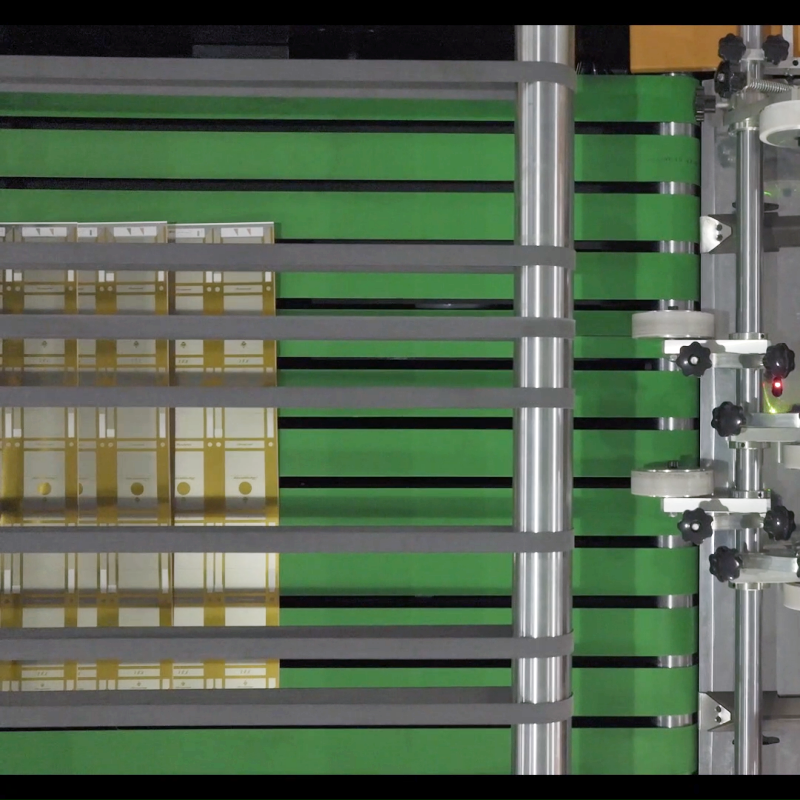
Modern flatbed diecutter systems incorporate sophisticated automation features that dramatically enhance production efficiency, reduce labor requirements, and improve overall manufacturing economics. These automation advancements represent a significant evolution from traditional manual flatbed operations, transforming the equipment from purely mechanical devices into integrated production systems. At the foundation of this efficiency enhancement lies automated material feeding systems that eliminate the need for operators to manually position each substrate. These feeders utilize vacuum suction, friction belts, or robotic pick-and-place mechanisms to extract individual sheets from a stack and deliver them precisely to the cutting area. The automation maintains consistent feeding rates that match the press cycle time, creating a continuous workflow that maximizes throughput. Advanced sensors within the feeding system detect material presence, orientation, and proper positioning, automatically halting operations if any anomaly occurs that might result in quality defects or equipment damage. The flatbed diecutter's automated systems extend to waste removal and finished product handling. After the cutting operation completes, automated stripping mechanisms remove the unwanted skeleton material that remains after die cutting, separating it from the finished pieces. This stripping automation proves particularly valuable when processing complex dies that create intricate waste patterns difficult to remove manually. Simultaneous with waste removal, delivery systems stack finished products in organized piles, count pieces automatically, and signal when preset quantities have been reached. Some advanced flatbed diecutter models incorporate vision inspection systems that examine each finished piece immediately after cutting, automatically identifying and rejecting any items that fail to meet programmed quality criteria. The quick-change die systems available on contemporary flatbed diecutters represent another efficiency breakthrough, drastically reducing the downtime traditionally associated with switching between different products. Magnetic die mounting plates or mechanical quick-lock systems allow operators to exchange dies in minutes rather than hours, with automated setup routines that configure pressure settings, feeding parameters, and delivery modes appropriate for the new die configuration. This rapid changeover capability makes short production runs economically viable, opening market opportunities for customized products and just-in-time manufacturing strategies. Computerized control interfaces further enhance efficiency by storing setup parameters for recurring jobs, allowing operators to recall proven settings instantly rather than performing time-consuming manual adjustments. These systems maintain production logs that track cycle counts, downtime incidents, and performance metrics, providing management with data needed for continuous improvement initiatives. The cumulative effect of these automation features transforms the flatbed diecutter from a simple cutting machine into a comprehensive production solution that competes effectively with alternative technologies while maintaining the inherent advantages of flatbed processing methodology.

Get a Free Quote

Our representative will contact you soon.
Email
Name
Company Name
Required Product
Message
0/1000