 EN
EN

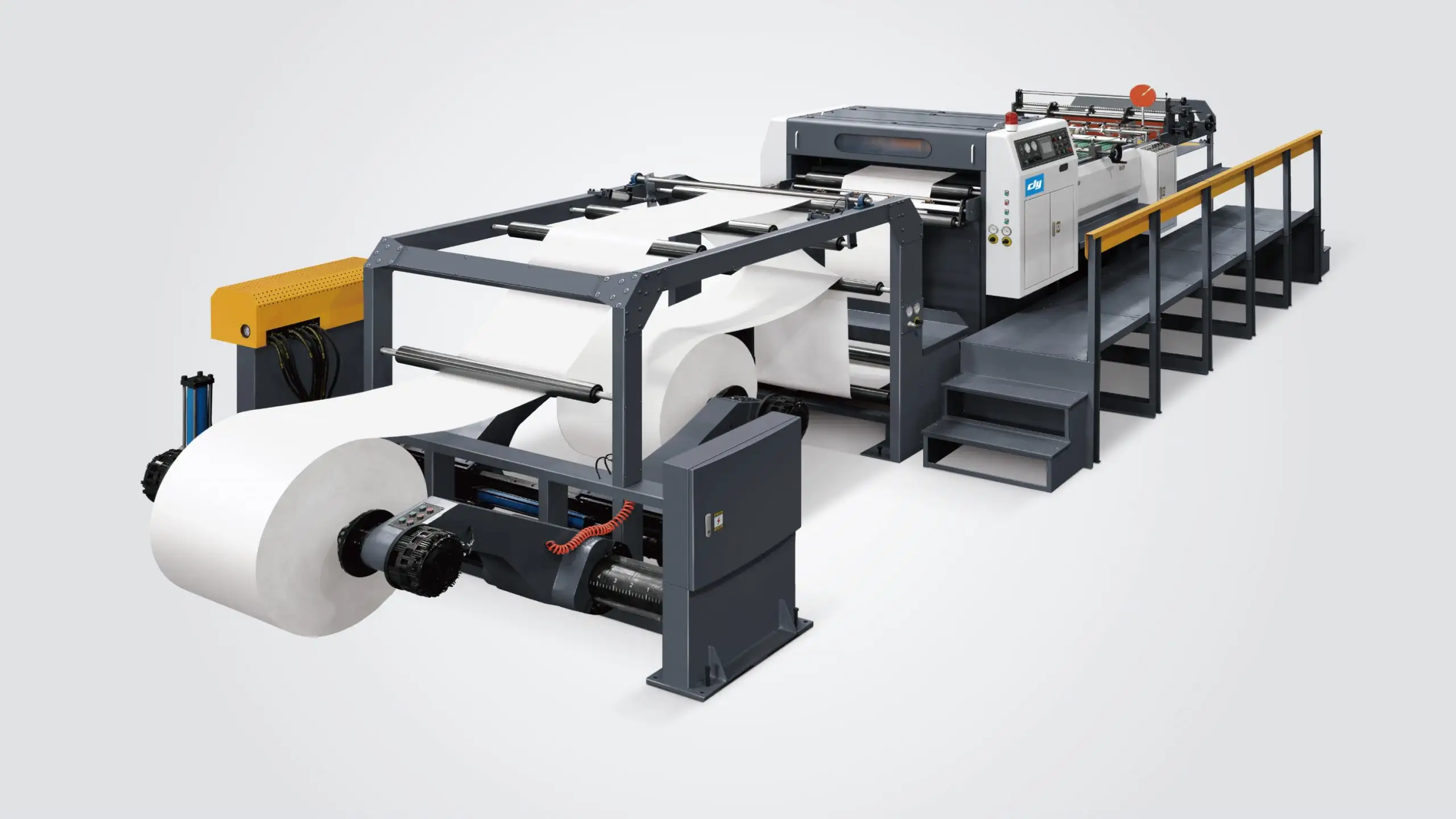
In the high-stakes world of professional print and publishing, the difference between good and exceptional often lies in the details unseen by the untrained eye. Among these, the precision of a clean, sharp edge is paramount. It is the final signature of quality, transforming a simple printed sheet into a refined product. While the brilliance of ink and the texture of paper capture initial attention, it is the flawless edge that completes the professional presentation. This critical outcome hinges on one indispensable piece of equipment: the paper cutter machine. Specifically, in modern high-volume operations, the roll-to-sheet paper cutter machine serves as the unsung foundational tool. It performs the essential first act of conversion, turning large, economical rolls of paper into perfectly sized, consistently square sheets. This process sets the critical standard for dimensional accuracy, upon which all subsequent printing, folding, and binding quality depends. Without the reliable precision of a dedicated paper cutter machine, achieving the uniform cleanliness required for professional work would be a challenge mired in inconsistency and waste.
The Indispensable Role of Precision Cutting
The journey of any printed material—from a glossy magazine to a corporate report—is a meticulous chain of processes. A flaw in any single link can diminish the value of the entire effort. Cutting, often mistakenly viewed as a simple, mechanical step, is in fact a precision engineering operation that defines the very boundaries and usability of the final product. A professional paper cutter machine is the guarantor of this precision, enforcing consistency with every slice.
Defining the Standard of a Professional Edge
What separates a professionally cut edge from an amateur one? The distinction is found in the details: a perfect 90-degree angle, a surface free from dust, burrs, or feathering, and a sheer cut that seals the paper fibers. This standard is non-negotiable for materials that will be publicly distributed or bound. Ragged or uneven edges not only appear unprofessional but can also cause misfeeds in digital printers, misalignment in binding lines, and overall product instability. A high-performance paper cutter machine applies immense, controlled force through a perfectly honed blade system. This action cleanly shears the paper, creating a smooth, sealed edge that is visually crisp and physically durable. It is this foundational quality that allows the visual design and content to be presented as intended, without distraction.
The Critical Impact on Downstream Processes
Consider the domino effect that begins with the first cut. In a roll-to-sheet operation, the paper cutter machine is the gateway to the entire production line. If the sheets it produces vary even slightly in size or squareness, every subsequent process is compromised. Printing presses require exact sheet dimensions for proper registration; inconsistent sheets lead to misaligned prints, wasted ink, and costly press downtime. In the bindery, irregular sheets jam folding machines, create uneven spines in perfect-bound books, and result in final products that feel awkward in hand. Therefore, the precision of the initial paper cutter machine is not an isolated factor—it is a proactive investment in smooth, efficient, and waste-reduced workflow across the entire shop floor. Its accuracy safeguards the productivity and output quality of all equipment that follows.
The Precision Engine: Roll-to-Sheet Conversion Technology
The modern print landscape demands efficiency at scale, making roll paper the substrate of choice for many commercial operations. Unlocking the full economic and qualitative potential of roll paper, however, requires a flawless conversion into flat sheets. This is where advanced roll-to-sheet paper cutter machine technology proves its vital worth, serving as the critical bridge between bulk material and precision-ready print stock.
Engineering for Unmatched Accuracy
How does a machine achieve micron-level precision while handling massive, fast-moving rolls of paper? The answer lies in integrated servo-drive technology. Unlike traditional mechanical systems, servo-driven components in a high-end paper cutter machine offer digital control over every movement. The cutting length, the web tension, and the feed speed are all managed by independent servo motors. This allows for adjustments with incredible accuracy, ensuring that every single sheet is cut to the exact programmed dimension. Companies like Dayuan Machinery leverage this technology to ensure their slitting machinery delivers reliable, repeatable results. This digital precision is what allows a paper cutter machine to meet the exacting tolerances required by high-speed digital and offset presses, guaranteeing perfect registration from the very first sheet.
Ensuring Uninterrupted Workflow Continuity
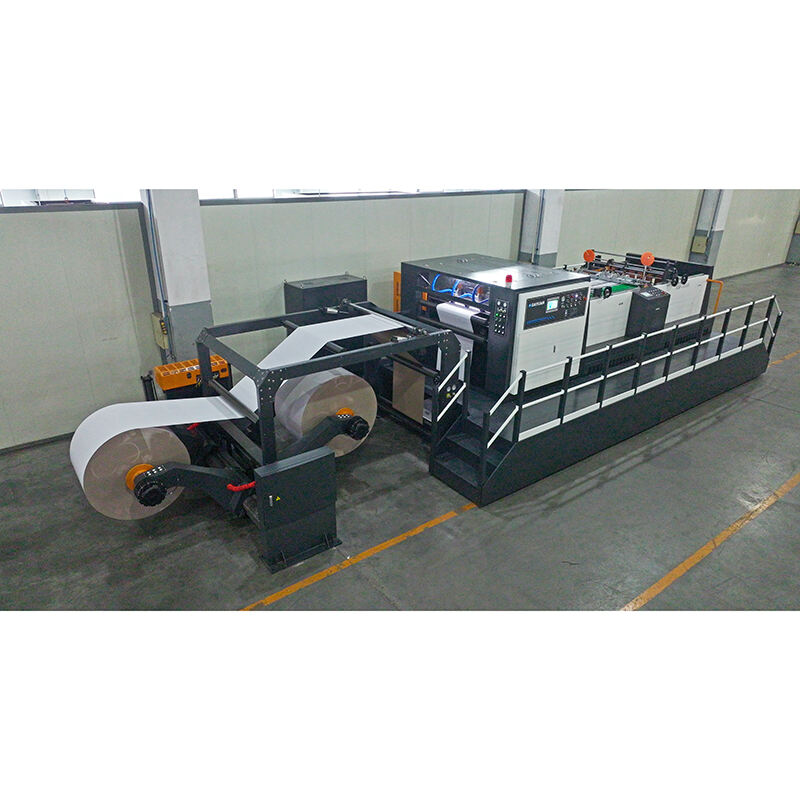
In a high-volume production environment, time is the ultimate currency. The most significant advancement in modern paper cutter machine design is the elimination of forced stoppages. Traditional machines must halt for roll changes and pallet offloading, creating cycles of wasteful downtime. Modern systems integrate seamless automation to overcome this. An automatic splicing device allows a new paper roll to be prepared and its leading edge joined to the tail of the expiring roll without stopping the machine. Simultaneously, a non-stop automatic pallet changer employs a roll-up auxiliary mechanism to switch full pallets for empty ones while cutting continues. This synergy of features means the paper cutter machine can operate continuously, maximizing productive uptime, minimizing paper waste from tail-ends, and ensuring a steady, reliable flow of material to the pressroom.
The Tangible Advantages of a Modern Paper Cutter Machine
Investing in a contemporary, automated roll-to-sheet paper cutter machine translates into a clear and compelling return on investment. The benefits extend far beyond simple cutting, impacting material costs, labor efficiency, and overall operational capacity.
Maximizing Material Yield and Reducing Waste
A primary driver of profitability in printing is the efficient use of substrate. An imprecise paper cutter machine generates hidden costs through miscuts, alignment waste, and the unavoidable scrap produced during machine stoppages. Advanced machines combat this directly. The precision of servo-driven cutting ensures optimal layout and minimal trim waste from each roll. More importantly, features like automatic splicing virtually eliminate the paper wasted every time a roll runs out. By maintaining continuous operation, these sophisticated paper cutter machine systems ensure that nearly every meter of purchased paper is converted into a usable, saleable sheet. This direct improvement in material utilization has a profound and immediate effect on the bottom line.
Elevating Operational Efficiency and Safety
The automation inherent in a modern paper cutter machine redefines operational efficiency. By automating the core functions of feeding, cutting, and stacking, these systems dramatically reduce the need for constant manual oversight and heavy lifting. Operators are elevated from performing repetitive physical tasks to managing the machine’s interface and monitoring quality. This shift not only optimizes labor but also significantly enhances workplace safety. Automated systems minimize direct physical interaction with heavy rolls, sharp blades, and moving parts. Furthermore, the consistent output of a calibrated paper cutter machine—delivering neat, uniform pallets of paper—streamlines material handling throughout the facility, making the entire workflow safer and more organized.
Integrating the Paper Cutter Machine into a Cohesive Digital Workflow
Today’s print production is a digital ecosystem. A standalone machine, no matter how capable, must communicate and integrate to unlock its full potential. The modern paper cutter machine has evolved into an intelligent node within this network, contributing data and receiving commands to ensure seamless production flow.
The Heart of an Automated Production Line
The true power of a paper cutter machine is realized when it functions as the integrated starting point of an automated line. With capabilities like automatic roll loading, non-stop splicing, and programmed batch counting, it can prepare perfect sheets for direct feeding into a subsequent printing or finishing system. This level of integration creates a synchronized production rhythm. For instance, a pallet of sheets cut to a specific size can be automatically tagged with job information, ready for the press operator to scan and load. This seamless handoff eliminates bottlenecks, reduces manual material handling, and ensures that the precision established at the cutting stage is preserved all the way to the final product.
Data-Driven Management and Precision Control
Beyond physical integration, the intelligent paper cutter machine contributes to smarter shop management. Modern machines are equipped with sophisticated human-machine interface (HMI) systems that provide real-time data on production speed, material usage, maintenance schedules, and fault diagnostics. This data allows managers to accurately track job progress, calculate true production costs, and perform predictive maintenance. The ability to store countless cutting programs for different jobs means changeovers can be executed with a few screen taps, ensuring repeatable accuracy for repeat orders. This fusion of mechanical precision with digital intelligence makes the contemporary paper cutter machine a cornerstone of a lean, agile, and competitive printing operation.
FAQ
What is the primary difference between a roll-to-sheet paper cutter machine and a guillotine cutter?
A roll-to-sheet paper cutter machine is designed for primary conversion, transforming large rolls of paper into standardized, flat sheets. It is typically the first machine in the production line, creating the blank substrate. A guillotine cutter is used for secondary or finishing cutting, trimming down printed sheets or stacks to their final size after other processes are complete. The roll-to-sheet machine creates the foundation; the guillotine performs the final refinement.
How does the automatic splicing feature on a paper cutter machine improve efficiency?
The automatic splicing feature is a major efficiency breakthrough. It allows the machine to join a new paper roll to the end of an expiring roll without stopping the cutting process. This eliminates the downtime traditionally required for roll changes—a process that could occur multiple times per shift. By ensuring continuous operation, this feature maximizes machine uptime, significantly boosts overall productivity, and prevents the paper waste generated each time a machine is stopped and restarted.
What types of paper can a modern roll-to-sheet paper cutter machine handle?
A robust industrial paper cutter machine is engineered to process a wide range of paper grades essential to the print and publishing industry. This includes lightweight newsprint and book paper, standard uncoated offset sheets, and heavier coated glossy stocks. The key is the machine’s advanced tension control system, which can be precisely calibrated to handle the different tensile strengths and surface characteristics of these materials, ensuring clean, trouble-free cuts across all varieties.
What are the most important features to consider when investing in a high-volume paper cutter machine?
For high-volume environments, prioritize features that ensure precision, autonomy, and durability. Look for: 1) Servo-Driven Control Systems for digital accuracy and repeatability in cutting length. 2) Automatic Splicing and Pallet Changing to enable true non-stop, continuous production runs. 3) A Robust Cast-Iron or Steel Frame to provide the stability necessary for high-speed, vibration-free operation. 4) An Intuitive HMI Interface with recipe storage for quick changeovers and production tracking. These features collectively define a paper cutter machine built for reliability and maximum return on investment in a demanding production setting.