 EN
EN


Maintaining your paper cutter machine is essential for ensuring consistent performance, operator safety, and product longevity. Regular maintenance of both the cutting blade and calibration system prevents costly repairs while maximizing productivity in commercial and industrial environments. Professional operators understand that a well-maintained paper cutter machine delivers precise cuts, reduces material waste, and minimizes workplace hazards. This comprehensive guide covers essential maintenance procedures that every facility should implement to keep their cutting equipment operating at peak efficiency.
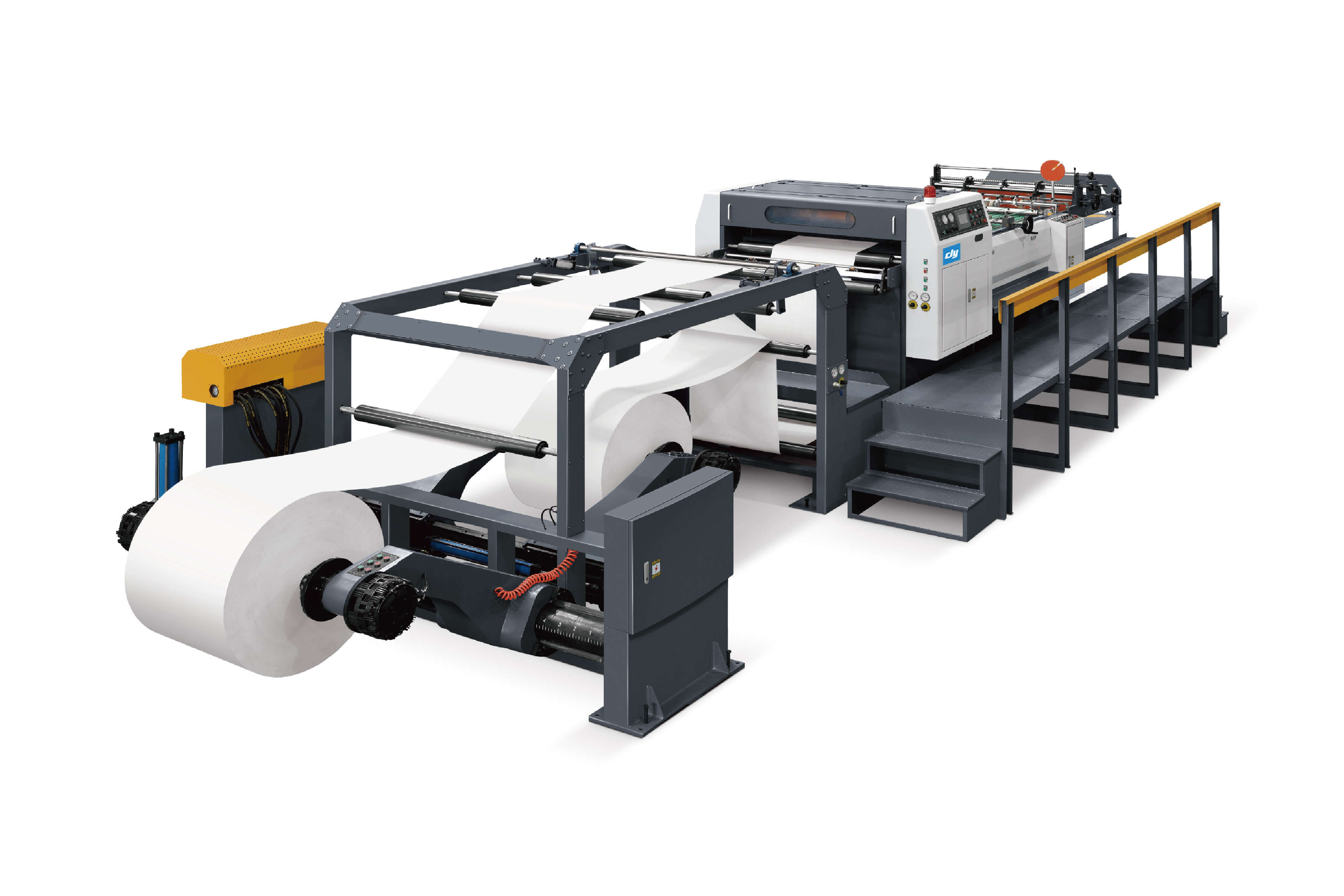
Essential Safety Protocols for Paper Cutter Machine Maintenance
Pre-Maintenance Safety Inspection
Before beginning any maintenance procedures on your paper cutter machine, conduct a thorough safety inspection of the work area. Ensure all power sources are disconnected and locked out using proper lockout-tagout procedures. Check that the cutting area is clear of debris, loose materials, and unauthorized personnel. Verify that all safety guards and protective devices are properly installed and functioning correctly. Document any visible damage or unusual wear patterns that may require immediate attention during the maintenance session.
Personal protective equipment is mandatory when servicing any paper cutter machine components. Wear cut-resistant gloves, safety glasses, and appropriate work clothing that cannot become entangled in moving parts. Keep first aid supplies readily accessible and ensure at least one trained individual is present during maintenance activities. Establish clear communication protocols with other facility personnel to prevent accidental equipment activation during servicing operations.
Emergency Procedures and Equipment Shutdown
Establish comprehensive emergency procedures specific to your paper cutter machine model and facility layout. Post clear shutdown instructions near the equipment, including locations of emergency stop buttons and main power disconnects. Train all operators on proper emergency response protocols, including immediate blade retraction procedures and personnel evacuation routes. Maintain emergency contact information for qualified service technicians and equipment manufacturers readily available to maintenance personnel.
Regular testing of emergency systems ensures rapid response capabilities during actual incidents. Schedule monthly tests of all emergency stop functions and document their proper operation in maintenance logs. Verify that backup power systems, if applicable, function correctly during power outages. Review and update emergency procedures annually or whenever equipment modifications occur to maintain current safety standards throughout your facility.
Blade Maintenance and Replacement Procedures
Blade Inspection and Condition Assessment
Regular blade inspection prevents unexpected failures and maintains cutting quality in your paper cutter machine. Examine the cutting edge for nicks, chips, or excessive wear that could compromise cutting performance. Use proper lighting and magnification tools to identify minor defects that may not be visible during normal operation. Document blade condition using standardized inspection forms that track wear patterns over time, enabling predictive replacement scheduling.
Measure blade wear using precision gauges to determine remaining service life accurately. Compare measurements against manufacturer specifications to establish replacement criteria based on actual usage patterns rather than arbitrary time intervals. Check blade alignment and parallelism to the cutting table surface, as misalignment can cause premature wear and poor cutting results. Record all inspection findings in detailed maintenance logs that support warranty claims and regulatory compliance requirements.
Professional Blade Replacement Techniques
Blade replacement requires specialized tools and techniques to ensure proper installation and safety. Use manufacturer-approved replacement blades that match your specific paper cutter machine model and cutting requirements. Follow torque specifications precisely when installing blade mounting hardware to prevent loosening during operation or over-tightening that could damage components. Apply appropriate thread-locking compounds where specified to maintain secure fastener engagement under operational loads.
Proper blade handling prevents injuries and maintains cutting edge integrity during installation. Support the blade weight adequately during removal and installation to prevent dropping or impact damage. Clean all mounting surfaces thoroughly to ensure proper blade seating and alignment. Test blade movement and clearances after installation to verify correct positioning before returning the paper cutter machine to service operations.
Calibration Systems and Accuracy Maintenance
Measurement System Verification
Accurate calibration ensures your paper cutter machine delivers consistent results across all cutting operations. Verify measurement scales and digital readouts against certified reference standards regularly. Use precision measuring instruments to check cutting dimensions at multiple positions along the blade travel. Document any deviations from specified tolerances and adjust accordingly using manufacturer-recommended procedures.
Environmental factors can affect measurement accuracy, requiring periodic recalibration to maintain precision. Temperature variations, humidity changes, and vibration can influence mechanical components and electronic systems. Establish calibration schedules based on operating conditions and accuracy requirements for your specific applications. Maintain traceability to national measurement standards through certified calibration services when required by quality management systems.
Digital Control System Maintenance
Modern paper cutter machine models incorporate sophisticated digital control systems requiring specialized maintenance procedures. Update software and firmware according to manufacturer recommendations to maintain optimal performance and security. Back up all programming parameters and custom settings before performing system updates or major maintenance activities. Test all control functions after updates to ensure proper operation and parameter retention.
Clean electronic components using appropriate anti-static procedures and approved solvents. Inspect wiring connections for signs of corrosion, looseness, or damage that could affect system reliability. Verify proper grounding of all electrical components to prevent electromagnetic interference and ensure operator safety. Document all electronic system maintenance activities with specific software versions and parameter settings for future reference.
Preventive Maintenance Scheduling and Documentation
Comprehensive Maintenance Program Development
Develop a comprehensive maintenance program tailored to your paper cutter machine usage patterns and operating environment. Base maintenance intervals on manufacturer recommendations, actual operating hours, and historical failure data. Create detailed checklists for each maintenance activity to ensure consistent execution and complete documentation. Train multiple personnel on maintenance procedures to prevent disruptions when primary technicians are unavailable.
Integrate maintenance scheduling with production planning to minimize operational disruptions. Coordinate maintenance activities with material deliveries and production deadlines to optimize facility efficiency. Use computerized maintenance management systems to track maintenance histories, parts inventory, and technician assignments. Generate automated alerts for upcoming maintenance requirements and overdue activities to prevent equipment degradation.
Record Keeping and Compliance Requirements
Maintain detailed maintenance records for warranty compliance, regulatory requirements, and operational analysis. Document all maintenance activities with dates, personnel involved, parts replaced, and observed conditions. Store records in secure, accessible formats that support facility audits and insurance inspections. Include photographs of significant findings or repairs to supplement written documentation and support future troubleshooting efforts.
Analyze maintenance data regularly to identify trends and optimize maintenance strategies for your paper cutter machine fleet. Track failure modes, repair costs, and downtime patterns to support equipment replacement decisions. Use maintenance data to justify budget requests and demonstrate regulatory compliance during inspections. Share relevant maintenance insights with equipment manufacturers to support product improvement initiatives and technical support activities.
Troubleshooting Common Performance Issues
Cutting Quality Problems and Solutions
Poor cutting quality often indicates underlying maintenance issues with your paper cutter machine that require immediate attention. Rough or torn edges typically result from dull blades, improper blade alignment, or contaminated cutting surfaces. Clean all cutting surfaces thoroughly and inspect for embedded debris that could affect cutting performance. Adjust blade pressure and cutting speed according to material specifications and manufacturer recommendations.
Inconsistent cutting dimensions suggest calibration problems or mechanical wear in positioning systems. Check all measurement scales for accuracy and verify proper operation of positioning mechanisms. Lubricate moving components according to manufacturer specifications and inspect for excessive wear or damage. Replace worn components promptly to prevent further deterioration and maintain cutting accuracy across all operations.
Mechanical System Diagnostics
Unusual noises, vibrations, or movements during operation indicate potential mechanical problems requiring investigation. Use vibration analysis tools to identify bearing wear, misalignment, or imbalance conditions before they cause catastrophic failures. Inspect drive systems for proper belt tension, chain wear, and coupling alignment. Monitor motor performance parameters including current draw, temperature, and vibration levels during normal operation.
Hydraulic and pneumatic systems in paper cutter machine applications require specific diagnostic procedures to identify performance degradation. Check fluid levels, pressures, and temperatures against manufacturer specifications regularly. Inspect seals, hoses, and fittings for leaks or deterioration that could affect system performance. Test system response times and pressure holding capabilities to ensure proper operation under all load conditions.
Environmental Considerations and Facility Requirements
Operating Environment Optimization
Environmental conditions significantly impact paper cutter machine performance and maintenance requirements. Maintain consistent temperature and humidity levels to prevent material expansion, contraction, and moisture-related problems. Provide adequate ventilation to remove cutting debris and prevent dust accumulation on sensitive components. Install proper lighting systems to ensure clear visibility during cutting operations and maintenance activities.
Dust and debris control measures protect both equipment and operators from contamination-related problems. Use industrial vacuum systems to remove cutting debris regularly and prevent accumulation in mechanical components. Install air filtration systems where necessary to maintain clean operating environments. Establish regular cleaning schedules for all facility areas surrounding the paper cutter machine installation to maintain optimal conditions.
Workspace Organization and Safety Compliance
Organize workspace areas around your paper cutter machine to support efficient operations and maintenance access. Provide adequate clearance for material handling equipment and emergency egress routes. Install proper storage systems for cutting materials, finished products, and maintenance supplies. Mark all safety zones, emergency equipment locations, and traffic patterns clearly using industry-standard signage and markings.
Regular safety audits ensure continued compliance with occupational safety regulations and insurance requirements. Review all safety procedures annually and update training programs to reflect current best practices. Document all safety-related modifications and improvements to support regulatory compliance and liability protection. Coordinate with local emergency services to ensure they understand facility layout and emergency procedures specific to paper cutter machine operations.
FAQ
How often should I replace the blade on my paper cutter machine
Blade replacement frequency depends on usage intensity, material types, and cutting quality requirements. Most commercial paper cutter machine applications require blade replacement every 6-12 months under normal operating conditions. However, facilities processing abrasive materials or operating multiple shifts may need more frequent replacements. Monitor cutting quality daily and replace blades when edge roughness or dimensional accuracy begins to deteriorate. Keep replacement blades in inventory to minimize downtime when urgent replacements become necessary.
What are the signs that my paper cutter machine needs calibration
Several indicators suggest calibration issues with your paper cutter machine that require immediate attention. Inconsistent cutting dimensions across different positions indicate measurement system problems requiring recalibration. Difficulty achieving specified tolerances or increased material waste often results from calibration drift over time. Digital display discrepancies compared to physical measurements suggest electronic system calibration problems. Schedule professional calibration service immediately when any of these symptoms appear to prevent quality problems and material waste.
Can I perform maintenance on my paper cutter machine without specialized training
Basic maintenance tasks such as cleaning, lubrication, and visual inspections can be performed by trained operators following proper procedures. However, blade replacement, calibration adjustments, and electrical system maintenance require specialized training and proper tools. Attempting complex maintenance without adequate training risks personal injury and equipment damage. Invest in proper training programs for maintenance personnel or contract with qualified service providers for critical maintenance activities on your paper cutter machine.
What maintenance records should I keep for regulatory compliance
Comprehensive maintenance records should include all scheduled maintenance activities, repairs, parts replacements, and safety inspections performed on your paper cutter machine. Document dates, personnel involved, procedures followed, and any unusual findings or corrective actions taken. Include calibration certificates, parts receipts, and service provider documentation to support warranty claims and regulatory audits. Maintain records for the equipment's entire service life and store copies in secure, accessible formats that support facility inspections and insurance requirements.
Table of Contents
- Essential Safety Protocols for Paper Cutter Machine Maintenance
- Blade Maintenance and Replacement Procedures
- Calibration Systems and Accuracy Maintenance
- Preventive Maintenance Scheduling and Documentation
- Troubleshooting Common Performance Issues
- Environmental Considerations and Facility Requirements
- FAQ