 EN
EN

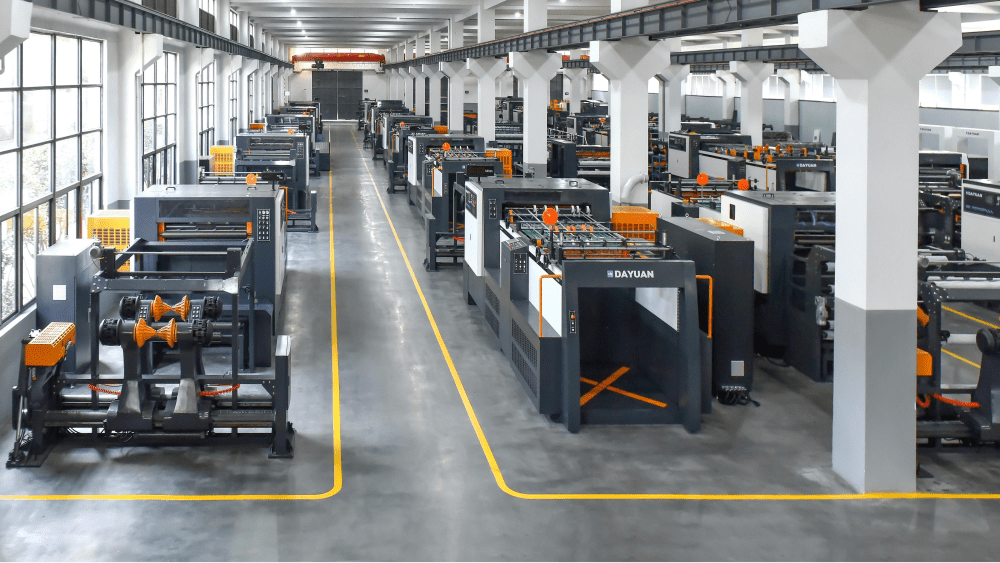
Selecting the right paper cutter machine for your business operations requires careful consideration of multiple factors that directly impact productivity, quality, and cost-effectiveness. Whether you're operating a commercial printing facility, packaging company, or manufacturing operation, the choice of cutting equipment can significantly influence your operational efficiency and product output quality. Understanding the relationship between paper characteristics and machine capabilities ensures optimal performance across diverse applications and material specifications.
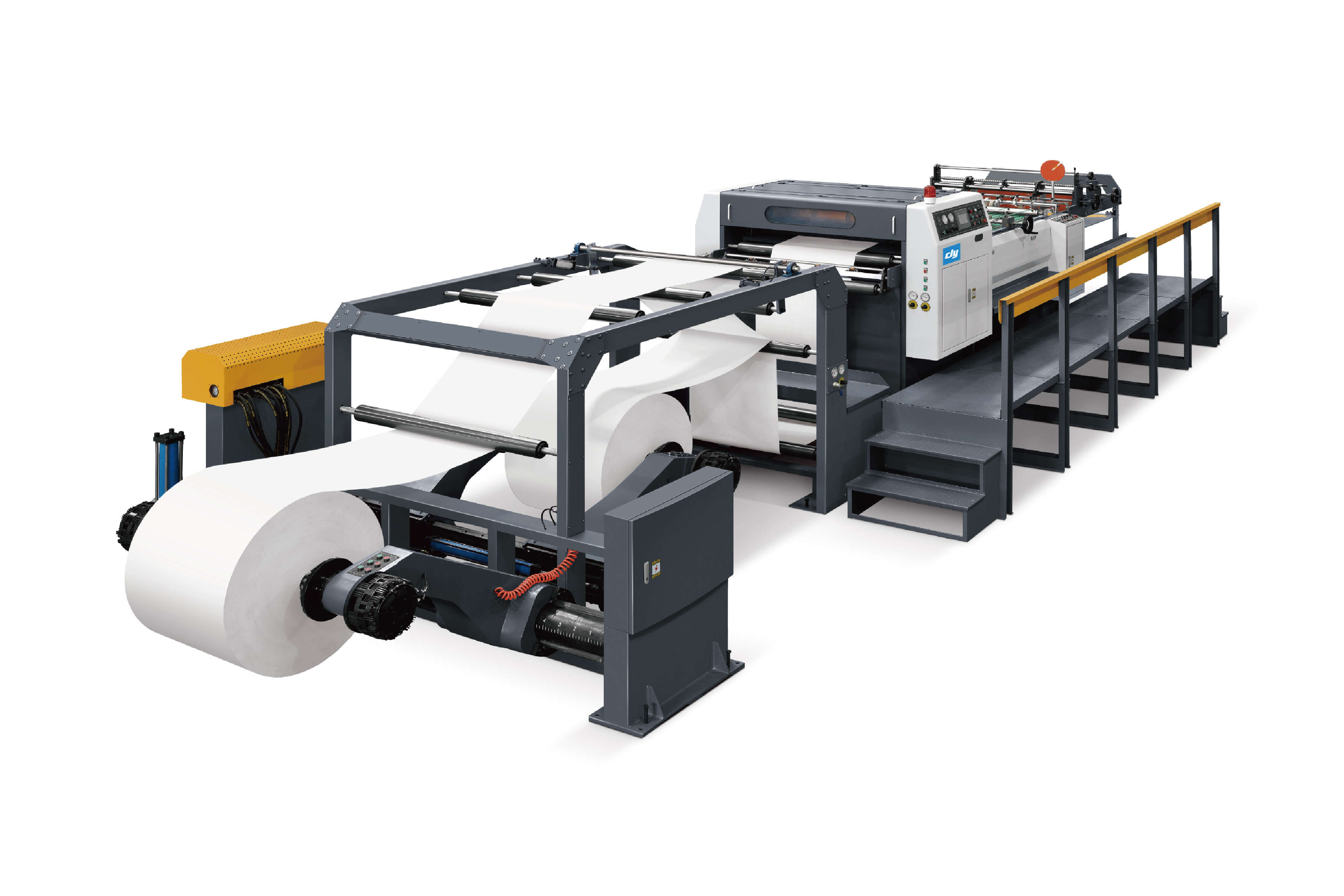
Modern industrial paper processing demands precision cutting solutions that accommodate varying material properties while maintaining consistent performance standards. The complexity of contemporary paper manufacturing has introduced numerous substrate variations, each requiring specific handling approaches and cutting methodologies. Professional operations must evaluate equipment capabilities against their specific material requirements to ensure seamless integration into existing production workflows.
Understanding Paper Characteristics and Machine Requirements
Material Density and Composition Analysis
Paper density variations significantly impact cutting performance, requiring machines with adjustable pressure settings and blade configurations. Different paper compositions, from standard office grades to specialized industrial materials, present unique challenges for cutting equipment. A quality paper cutter machine must accommodate these variations through flexible operational parameters and robust construction designed for diverse material handling. Understanding the relationship between material density and cutting force requirements helps operators select appropriate equipment for their specific applications.
Industrial paper grades often contain additives, coatings, or laminated layers that affect cutting behavior and blade wear patterns. These compositional differences require careful consideration when selecting cutting equipment, as standard machines may not provide optimal performance across all material types. Professional-grade paper cutter machine systems incorporate adjustable parameters that allow operators to optimize cutting conditions for specific material characteristics, ensuring consistent results regardless of substrate variations.
Thickness Range Capabilities
Thickness specifications represent one of the most critical selection criteria for paper cutting equipment, as machines must handle the full range of materials encountered in typical operations. Standard office papers typically range from 0.1mm to 0.3mm, while industrial applications may require cutting materials up to several millimeters thick. Professional paper cutter machine systems provide specifications indicating maximum cutting capacity, allowing operators to verify compatibility with their material requirements before making equipment investments.
Multi-layer cutting operations present additional challenges, as stacked materials create increased resistance and potential alignment issues. Quality cutting equipment incorporates features designed to maintain consistent performance across varying thickness ranges, including adjustable blade pressure, precision guides, and stable material support systems. These capabilities ensure reliable operation whether processing single sheets or multiple-layer cutting operations common in commercial applications.
Cutting Technology and Blade Configuration Options
Blade Type Selection Criteria
Blade configuration significantly influences cutting quality, maintenance requirements, and operational costs associated with paper processing equipment. Different blade geometries provide specific advantages for particular material types and cutting applications. A professional paper cutter machine typically offers multiple blade options, allowing operators to optimize cutting performance for their specific material requirements and quality standards.
Sharp blade maintenance represents an ongoing operational consideration that affects both cutting quality and equipment longevity. Different blade materials and coatings provide varying performance characteristics, with some offering extended service life while others prioritize cutting precision. Understanding these trade-offs helps operators select appropriate blade configurations for their specific applications while planning maintenance schedules that minimize production disruptions.
Cutting Mechanism Design
Modern cutting mechanisms incorporate various design approaches, from traditional guillotine systems to advanced rotary cutting technologies. Each mechanism type offers specific advantages for different applications and material types. Guillotine-style paper cutter machine systems provide excellent precision for straight cuts across thick materials, while rotary mechanisms excel in high-volume operations requiring continuous cutting motion.
Precision control systems integrated into cutting mechanisms ensure consistent results across extended production runs. These systems monitor cutting parameters in real-time, adjusting pressure and blade positioning to maintain optimal performance regardless of material variations. Advanced paper cutter machine designs incorporate feedback mechanisms that automatically compensate for blade wear and material property changes, ensuring consistent quality throughout extended operational periods.
Operational Features and Performance Considerations
Cutting Accuracy and Repeatability
Precision requirements vary significantly across different applications, from basic document processing to high-precision manufacturing operations. Professional paper cutter machine systems provide detailed specifications regarding cutting accuracy, typically measured in fractions of millimeters. Understanding these precision capabilities helps operators evaluate whether specific equipment meets their quality requirements and customer expectations.
Repeatability represents another critical performance metric, particularly for operations requiring multiple identical cuts or batch processing applications. Quality cutting equipment maintains consistent performance across thousands of cutting cycles, with minimal variation in cut dimensions or edge quality. This consistency ensures reliable production output and reduces waste associated with dimensional variations or quality defects.
Production Capacity and Speed
Production throughput requirements directly influence equipment selection, as different paper cutter machine designs offer varying capacity capabilities. High-volume operations require equipment capable of maintaining consistent cutting speeds while preserving quality standards. Understanding the relationship between cutting speed and material characteristics helps operators optimize production schedules and equipment utilization.
Automated feeding and positioning systems significantly enhance production efficiency by reducing manual handling requirements and minimizing setup time between cutting operations. Advanced paper cutter machine systems incorporate programmable positioning controls that automatically adjust for different cut dimensions, eliminating manual measurement and positioning tasks that slow production and introduce potential errors.
Safety Features and Operator Protection
Safety System Integration
Industrial cutting operations present inherent safety risks that require comprehensive protection systems integrated into equipment design. Modern paper cutter machine systems incorporate multiple safety features, including emergency stop controls, blade guards, and operator detection systems that prevent accidental contact with cutting mechanisms. These features ensure safe operation while maintaining productive efficiency in commercial environments.
Training requirements and safety protocols vary depending on equipment complexity and operational environment. Professional-grade cutting equipment includes comprehensive safety documentation and training materials that help operators understand proper procedures and risk mitigation strategies. Regular safety training ensures consistent adherence to safe operating practices throughout the equipment lifecycle.
Maintenance Access and Serviceability
Equipment accessibility for routine maintenance significantly impacts operational costs and production reliability. Well-designed paper cutter machine systems provide easy access to critical components, including blades, cutting mechanisms, and control systems. This accessibility reduces maintenance time and costs while ensuring that routine service tasks can be completed without extended production interruptions.
Preventive maintenance schedules help maximize equipment lifespan while minimizing unexpected failures that disrupt production operations. Quality cutting equipment includes detailed maintenance documentation specifying recommended service intervals and procedures for different operational environments and usage patterns. Following these guidelines ensures reliable performance and protects equipment investments over extended operational periods.
Integration and Workflow Compatibility
Workspace Requirements and Layout
Physical space requirements represent important practical considerations when selecting paper cutting equipment for existing facilities. Different paper cutter machine designs require varying amounts of floor space, clearance areas, and material handling zones. Understanding these requirements helps ensure successful equipment integration without requiring extensive facility modifications or workflow disruptions.
Material flow patterns and handling requirements influence equipment placement and workflow design. Efficient operations minimize material handling distances while providing adequate space for safe equipment operation and maintenance access. Professional equipment selection considers these workflow factors to optimize overall operational efficiency and safety.
Control System Compatibility
Modern manufacturing environments increasingly rely on integrated control systems that coordinate multiple pieces of equipment and production processes. Paper cutter machine systems with compatible control interfaces can integrate seamlessly into existing production management systems, providing real-time monitoring and control capabilities that enhance overall operational efficiency.
Data collection and reporting capabilities provide valuable insights into production performance, equipment utilization, and maintenance requirements. Advanced cutting equipment incorporates monitoring systems that track operational parameters and performance metrics, enabling continuous improvement initiatives and predictive maintenance strategies that optimize long-term operational costs.
Cost Analysis and Return on Investment
Initial Equipment Investment
Equipment costs vary significantly depending on cutting capacity, precision requirements, and automation features incorporated into paper cutter machine designs. Understanding the relationship between equipment capabilities and pricing helps organizations make informed investment decisions that balance performance requirements with budget constraints. Professional equipment evaluation considers both initial costs and long-term operational expenses to determine true cost-effectiveness.
Financing options and leasing arrangements provide flexibility for organizations with varying capital budgets and cash flow requirements. Many equipment manufacturers offer financing programs that allow businesses to acquire necessary cutting equipment while preserving working capital for other operational needs. These arrangements often include maintenance packages and service agreements that provide predictable operational costs over extended periods.
Operational Cost Considerations
Ongoing operational expenses include blade replacement, maintenance supplies, energy consumption, and labor requirements associated with equipment operation. Efficient paper cutter machine systems minimize these costs through durable construction, energy-efficient operation, and user-friendly interfaces that reduce training and operational complexity. Understanding these ongoing costs helps organizations accurately evaluate total cost of ownership over equipment lifecycles.
Productivity improvements and quality enhancements provided by professional cutting equipment often generate cost savings that offset equipment investments over time. Reduced waste, improved throughput, and enhanced product quality contribute to improved profitability that justifies equipment investments. Comprehensive cost analysis considers these benefits alongside direct operational savings to determine overall return on investment.
FAQ
What cutting capacity should I look for in a paper cutter machine
Cutting capacity requirements depend on your specific applications and material types. Most commercial operations benefit from machines capable of cutting materials up to 5mm thick, though lighter-duty applications may only require 2-3mm capacity. Consider your thickest materials and add 20-30% buffer capacity to accommodate future requirements and multi-layer cutting operations. Professional paper cutter machine systems typically specify maximum cutting thickness for different material types, helping you verify compatibility with your requirements.
How do I determine the right blade type for different paper materials
Blade selection depends on material characteristics, cutting volume, and quality requirements. Coated papers require sharper blade angles to minimize edge deformation, while uncoated materials can use standard blade configurations. High-volume operations benefit from hardened blade materials that maintain sharpness longer, reducing replacement frequency. Consider consulting with equipment manufacturers about optimal blade configurations for your specific material mix and production requirements.
What safety features are essential for industrial paper cutting operations
Essential safety features include emergency stop controls, blade guards, two-hand operation controls, and operator detection systems that prevent accidental blade activation. Light curtains or pressure-sensitive mats provide additional protection in high-traffic areas. Professional paper cutter machine systems should meet relevant safety standards and include comprehensive safety documentation. Regular safety training and proper maintenance of safety systems ensure continued protection throughout equipment lifecycle.
How can I calculate the return on investment for paper cutting equipment
ROI calculation should include productivity improvements, quality enhancements, labor savings, and reduced waste costs. Compare current cutting costs per unit against projected costs with new equipment, including operational expenses and maintenance requirements. Factor in capacity improvements and potential for handling new applications or customers. Most professional paper cutter machine investments show positive ROI within 12-24 months through combination of direct cost savings and productivity improvements.