 EN
EN

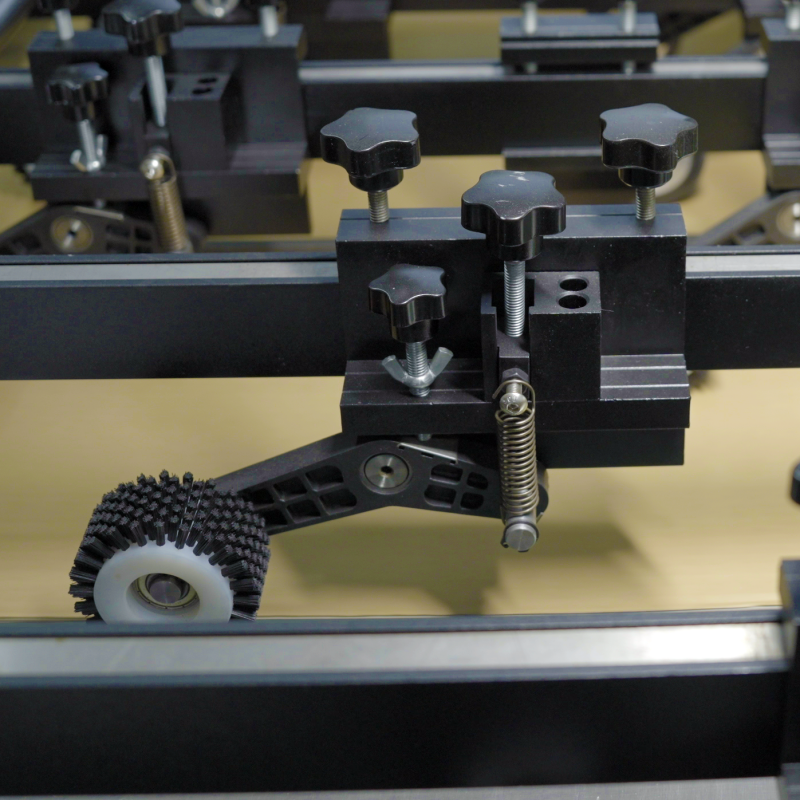
Proper maintenance and cleaning of dies and plates are essential for optimal die cutting machine performance and longevity. Industrial manufacturers rely heavily on their die cutting equipment to produce precise cuts, embossed patterns, and intricate shapes across various materials. Without regular cleaning protocols and maintenance schedules, even the most advanced die cutting machine can suffer from reduced accuracy, premature wear, and costly downtime that impacts production schedules and profitability.
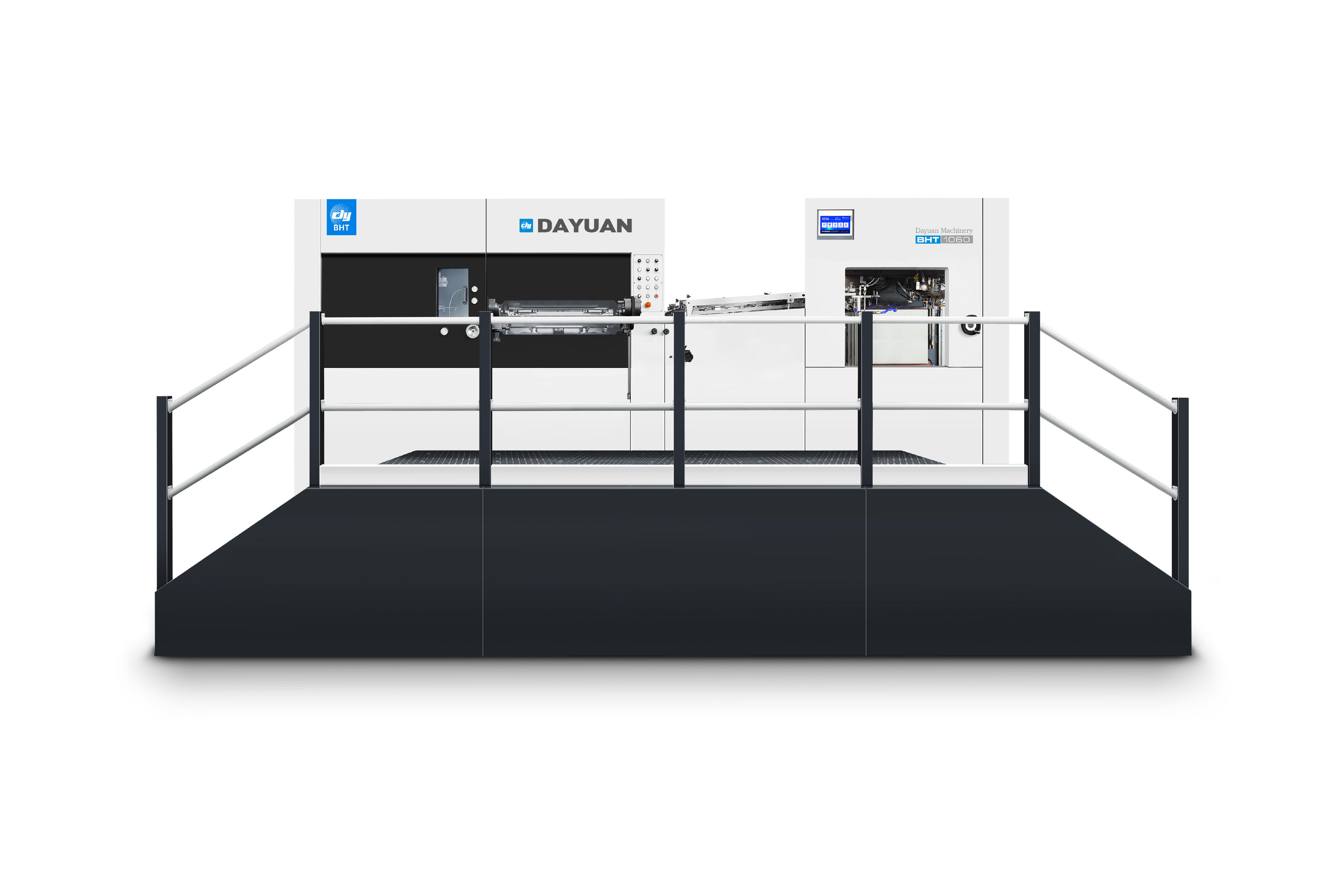
The dies and plates of your die cutting machine represent the heart of the cutting operation, directly contacting materials and shaping final products. Accumulated debris, adhesive residue, and material buildup can significantly compromise cutting precision and create inconsistent results. Understanding proper cleaning techniques and implementing systematic maintenance procedures ensures your equipment delivers consistent performance while extending operational lifespan and protecting your investment in manufacturing technology.
Understanding Die Cutting Machine Components
Die Structure and Materials
Modern die cutting machines utilize precision-engineered dies constructed from high-carbon steel, hardened tool steel, or specialized alloys designed to withstand repeated impact and maintain sharp cutting edges. These dies feature intricate patterns, raised cutting rules, and recessed areas that require specific cleaning approaches to prevent damage while removing accumulated debris. The steel construction makes dies susceptible to corrosion if moisture and cleaning solutions are not properly managed during maintenance procedures.
Die geometry varies significantly depending on application requirements, with some featuring fine detailed patterns while others incorporate broad cutting surfaces for heavy-duty applications. Understanding your specific die construction helps determine appropriate cleaning methods, as delicate pattern work requires gentler approaches compared to robust industrial cutting dies. Regular inspection of die surfaces reveals wear patterns, potential damage, and areas requiring focused cleaning attention during maintenance cycles.
Plate Systems and Configurations
Die cutting machine plates provide the foundation for die mounting and material support during cutting operations. These plates typically feature precision-machined surfaces, mounting holes, and registration systems that ensure accurate die positioning and consistent cutting results. Plate materials range from aluminum and steel to specialized composites, each requiring tailored cleaning approaches to maintain surface integrity and dimensional accuracy.
Base plates and cutting plates work in conjunction to create the necessary pressure and support for effective cutting operations. Debris accumulation between plate surfaces can create uneven pressure distribution, leading to inconsistent cuts and premature die wear. Regular cleaning of plate systems ensures proper mating surfaces, maintains registration accuracy, and prevents contamination that could transfer to finished products during die cutting operations.
Essential Cleaning Materials and Tools
Cleaning Solvents and Solutions
Selecting appropriate cleaning solvents is crucial for effective die and plate maintenance without causing damage to metal surfaces or sealing compounds. Isopropyl alcohol provides excellent general-purpose cleaning for most applications, effectively removing oils, light adhesive residue, and general contamination without leaving residue that could affect subsequent cutting operations. Higher concentration alcohol solutions offer stronger cleaning power for stubborn deposits while maintaining compatibility with most die materials.
Specialized die cleaning solvents are formulated specifically for removing adhesive buildup, ink residue, and material deposits commonly encountered in die cutting operations. These solutions often incorporate surfactants and penetrating agents that break down stubborn contaminants while protecting metal surfaces from corrosion. Always verify solvent compatibility with your specific die cutting machine components and follow manufacturer recommendations to prevent damage to seals, gaskets, or specialized coatings.
Mechanical Cleaning Tools
Soft-bristled brushes provide the primary mechanical cleaning action for removing debris from die surfaces and plate areas without scratching or damaging precision surfaces. Natural bristle brushes work well for general cleaning, while synthetic bristles offer consistent performance and chemical resistance when used with cleaning solvents. Brush selection should consider the intricacy of die patterns, with smaller brushes required for detailed cleaning in tight spaces and recessed areas.
Compressed air systems prove invaluable for removing loose debris and drying surfaces after liquid cleaning procedures. Low-pressure compressed air prevents damage to delicate die features while effectively clearing chips, dust, and cleaning solution residue from complex geometries. Moisture-free compressed air prevents corrosion issues and ensures surfaces are completely dry before reassembly or storage of die cutting machine components.
Step-by-Step Cleaning Procedures
Pre-Cleaning Preparation
Before beginning any cleaning procedure, ensure your die cutting machine is completely shut down and disconnected from power sources to prevent accidental activation during maintenance. Remove dies and plates according to manufacturer procedures, taking care to document orientation and positioning for proper reassembly. Photograph complex setups before disassembly to ensure accurate reconstruction and maintain cutting precision after cleaning operations are completed.
Establish a clean workspace with adequate ventilation for solvent use and sufficient lighting to identify contamination and assess cleaning progress. Organize cleaning materials, tools, and containers to maintain efficiency and prevent contamination of cleaned components. Wear appropriate personal protective equipment including chemical-resistant gloves, safety glasses, and respiratory protection when working with cleaning solvents or compressed air systems.
Die Cleaning Process
Begin die cleaning by removing large debris and loose material using soft brushes or compressed air, working systematically across all surfaces to prevent redistribution of contamination. Apply cleaning solvent sparingly to avoid oversaturation while ensuring adequate coverage of contaminated areas. Allow solvents to penetrate deposits for several minutes before beginning mechanical cleaning to maximize effectiveness and minimize required scrubbing effort.
Work cleaning brushes gently across die surfaces, following the natural contours and avoiding excessive pressure that could damage cutting edges or detailed patterns. Pay particular attention to corners, recesses, and areas where material tends to accumulate during normal die cutting machine operations. Rinse thoroughly with clean solvent or alcohol to remove loosened contamination and cleaning residue, then dry completely with compressed air or lint-free cloths before inspection.
Plate Cleaning Methodology
Plate cleaning begins with thorough debris removal using compressed air or soft brushes to clear mounting holes, registration features, and surface areas. Apply cleaning solutions to stubborn deposits and allow adequate dwell time for penetration before mechanical cleaning. Use broader brushes for large plate surfaces while employing detail brushes for precision features and tight spaces that require focused attention.
Inspect plate surfaces carefully during cleaning to identify wear patterns, scratches, or damage that could affect die cutting machine performance. Clean all mating surfaces thoroughly to ensure proper assembly and prevent contamination transfer during operation. Remove all cleaning residue with final solvent wipes and compressed air drying to prepare plates for inspection and reassembly procedures.
Maintenance Scheduling and Best Practices
Routine Maintenance Intervals
Establish regular cleaning schedules based on production volume, material types, and operating conditions to maintain optimal die cutting machine performance. High-production environments typically require daily cleaning of dies and plates, while lower-volume operations may maintain effectiveness with weekly or bi-weekly cleaning cycles. Monitor cutting quality and inspect dies regularly to identify when additional cleaning may be required between scheduled maintenance periods.
Material characteristics significantly influence cleaning frequency requirements, with adhesive-backed materials, coated substrates, and synthetic materials typically creating more residue buildup than natural fiber products. Adjust maintenance schedules accordingly and document cleaning procedures to establish optimal intervals for your specific applications and operating conditions. Track cleaning effectiveness and equipment performance to refine schedules and improve overall die cutting machine reliability.
Storage and Protection Protocols
Proper storage of cleaned dies and plates prevents contamination and corrosion during periods of non-use. Apply light protective coatings to steel surfaces after cleaning and drying to prevent oxidation while ensuring coatings are compatible with subsequent die cutting operations. Store components in clean, dry environments with adequate air circulation to prevent moisture accumulation that could lead to corrosion problems.
Organize storage systems to prevent physical damage to dies and plates while maintaining easy access for production changeovers. Use protective covers or containers to shield cleaned components from dust, debris, and environmental contamination. Label storage locations clearly and maintain inventory records to track cleaning dates, usage cycles, and maintenance history for each die set and plate assembly used with your die cutting machine.
Troubleshooting Common Cleaning Challenges
Stubborn Residue Removal
Adhesive buildup and hardened material deposits sometimes resist standard cleaning procedures, requiring specialized approaches to restore die and plate surfaces without damage. Heat application using warm solvents or heated cleaning baths can soften stubborn deposits, but temperature control is critical to prevent damage to die tempering or plate surface treatments. Test heated cleaning methods on small areas first to verify compatibility and effectiveness.
Ultrasonic cleaning provides effective removal of embedded contamination from complex die geometries without mechanical scrubbing that could damage delicate features. Ultrasonic systems use high-frequency vibrations in cleaning solutions to penetrate tight spaces and break down deposits that manual cleaning cannot reach effectively. Ensure ultrasonic cleaning parameters are appropriate for your die cutting machine components and follow manufacturer guidelines for solution selection and exposure times.
Preventing Damage During Cleaning
Avoid aggressive mechanical cleaning that could dull cutting edges, remove protective coatings, or damage precision surfaces essential for accurate die cutting machine operation. Use appropriate brush hardness for different materials and contamination types, starting with the gentlest effective approach before progressing to more aggressive methods if necessary. Never use steel brushes, abrasive pads, or harsh chemicals that could permanently damage die or plate surfaces.
Chemical compatibility testing prevents damage from incompatible cleaning solutions that could attack seals, gaskets, or specialized surface treatments. Test cleaning products on inconspicuous areas before full application and maintain material safety data sheets for all cleaning chemicals used in your facility. Document approved cleaning procedures and train personnel in proper techniques to maintain consistency and prevent damage during routine maintenance operations.
FAQ
How often should I clean my die cutting machine dies and plates?
Cleaning frequency depends on production volume and material types, but most operations benefit from daily cleaning in high-production environments. Monitor cutting quality as your primary indicator - when you notice decreased precision, increased material waste, or visible contamination buildup, immediate cleaning is necessary regardless of schedule. Light cleaning after each production run prevents heavy buildup and extends time between deep cleaning procedures.
What cleaning solvents are safe for die cutting machine components?
Isopropyl alcohol at 70-90% concentration provides safe, effective cleaning for most applications without damaging metal surfaces or seals. Specialized die cleaning solvents designed for industrial applications offer superior performance for stubborn deposits while maintaining material compatibility. Always verify solvent compatibility with your specific equipment manufacturer and avoid petroleum-based cleaners that could damage rubber seals or plastic components.
Can I use ultrasonic cleaning for all die cutting machine parts?
Ultrasonic cleaning works excellently for most dies and solid metal plates, but verify compatibility with any electronic components, sensors, or composite materials in your specific die cutting machine configuration. Some delicate features or specialized coatings may be damaged by ultrasonic action, so test small areas first. Always use appropriate cleaning solutions and follow manufacturer recommendations for exposure times and power settings.
How do I know when dies need replacement versus just cleaning?
Inspect cutting edges for chips, rounding, or visible wear that affects cut quality even after thorough cleaning. Measure critical dimensions and compare to original specifications to identify wear beyond acceptable tolerances. If cleaning restores cutting performance temporarily but quality degrades quickly, the dies likely need reconditioning or replacement. Document performance trends to optimize replacement timing and maintain consistent die cutting machine output quality.