 EN
EN

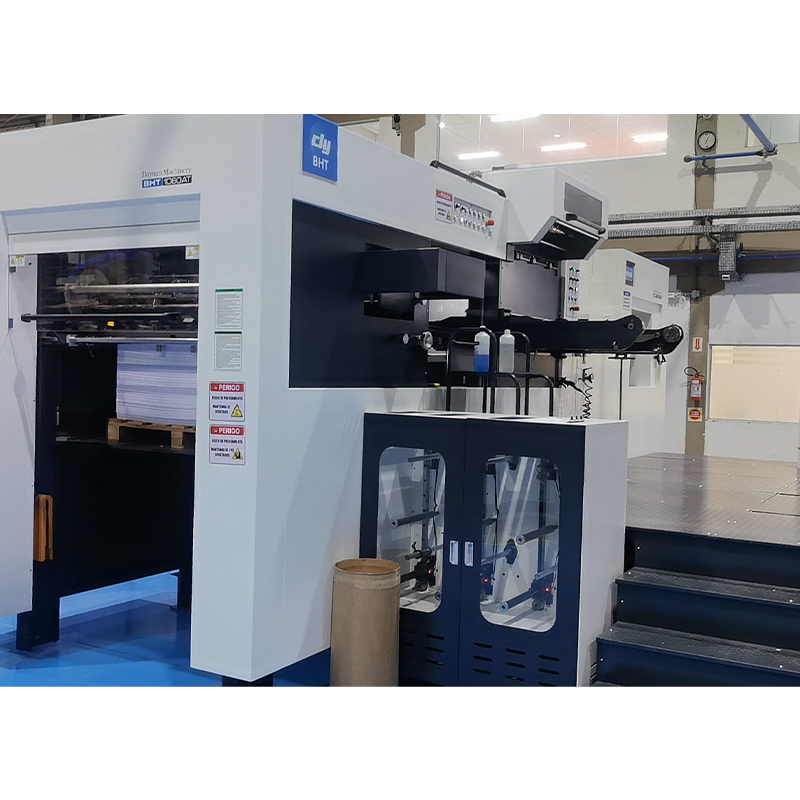
Packaging manufacturers need more than basic cutting equipment. How can a die cutting machine maintain consistent results when production volumes increase? How can manufacturers reduce unnecessary material handling while keeping different packaging processes organized? For companies working with paper and corrugated packaging, equipment performance directly influences production efficiency and finished-product consistency.
Dayuan develops automatic die cutting equipment for the printing and packaging industry, with product ranges covering different sheet formats and production requirements. Its solutions include automatic die cutting, creasing, stripping, feeding, and delivery functions depending on the selected model and configuration.
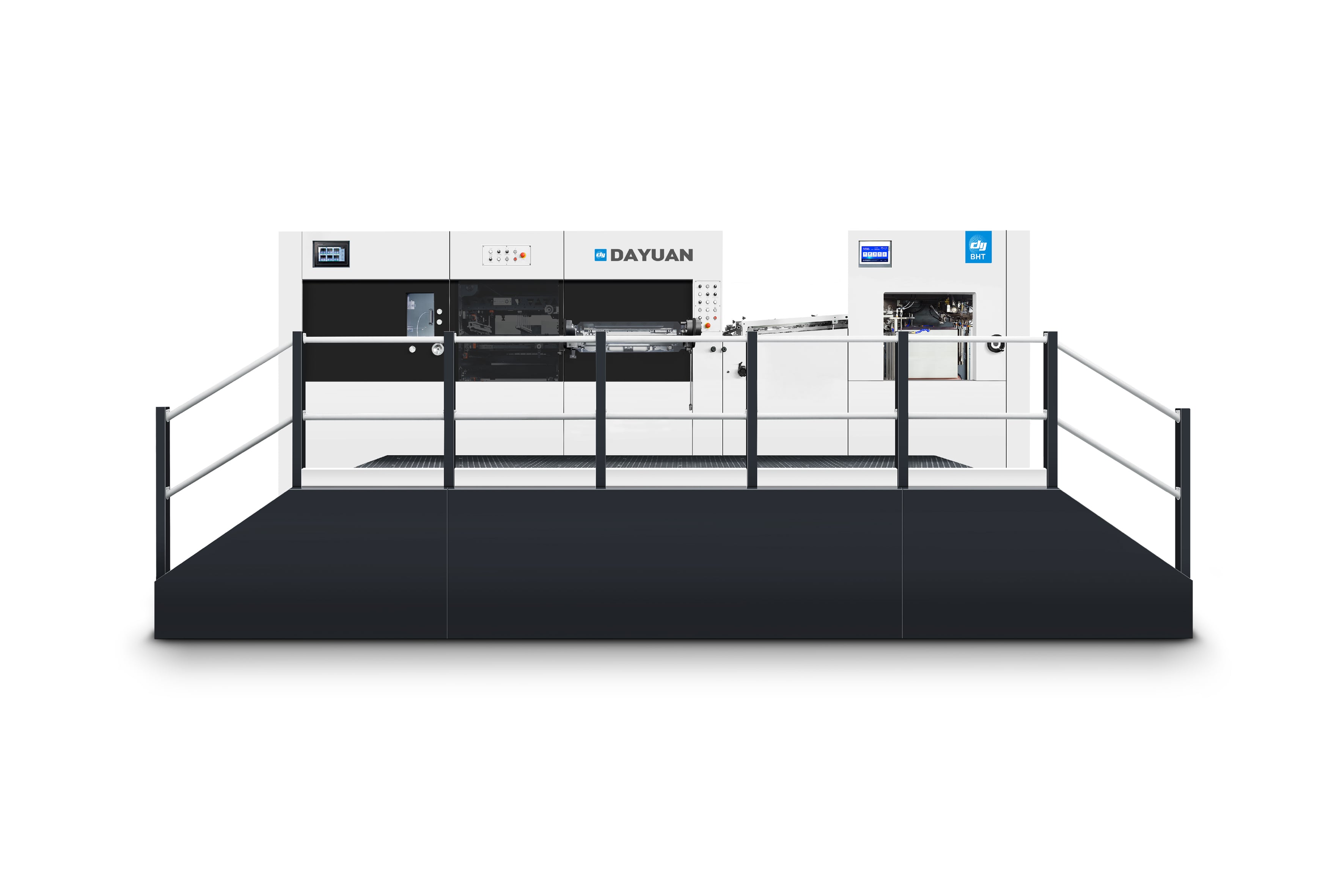
The value of a Dayuan machine die cut therefore comes not from one single specification, but from the combination of controlled die cutting, automated material handling, integrated post-printing processes, and equipment configurations designed for different packaging applications.
Consistent Die Cutting for Packaging Quality
Accurate Cutting and Creasing
Packaging products depend on accurate cutting and creasing to achieve the intended structure and appearance. If the cutting position or crease does not correspond correctly with the packaging design, subsequent folding and forming processes can be affected.
A Dayuan machine die cut is designed to provide controlled sheet feeding, positioning, die cutting, and creasing. The use of dedicated dies allows manufacturers to reproduce the same packaging structure throughout a production run rather than relying on repeated manual cutting.
This consistency is especially useful for packaging manufacturers producing recurring orders. Once the appropriate die and machine settings have been established, the production process can follow a standardized workflow for subsequent batches.
Stable Results Across Production Runs
Quality consistency becomes increasingly important when packaging is produced in large quantities. Differences between individual sheets can create additional inspection and handling requirements, particularly when packaging needs to move directly into folding, gluing, or other downstream processes.
Automated die cutting helps establish more consistent processing conditions. Dayuan's equipment incorporates automatic feeding and positioning systems on applicable models, helping sheets enter the die cutting area in a controlled sequence.
For manufacturers, consistent production conditions can make quality management easier. Instead of depending heavily on individual operator technique, production teams can work with established machine settings and die configurations.
Automated Production for Greater Efficiency
Automatic Feeding and Sheet Handling
Manual sheet handling can become a significant workload in high-volume packaging production. Operators may otherwise need to repeatedly feed, position, collect, and transfer sheets between different production stages.
Dayuan's automatic die cutting machines incorporate feeding and delivery systems designed to reduce repetitive material handling. Depending on the model, the equipment can also integrate stripping and stacking functions into the production workflow.
Could automated sheet handling make a production line easier to manage? By reducing repetitive operations, operators can focus more on machine monitoring, quality inspection, and production coordination.
Integrated Die Cutting and Post-Printing Processes
A packaging production process often involves more than cutting alone. After die cutting, sheets may require stripping, separation, stacking, or other handling processes before moving to the next stage.
Selected Dayuan machines integrate multiple processes into one equipment workflow. The BHT range includes configurations combining die cutting and stripping, while Dayuan's MHK range also provides configurations combining hot foil stamping, die cutting, embossing, and stripping for applicable packaging applications.
Integrating these processes can reduce unnecessary transfers between separate machines. It can also help manufacturers organize the production flow more efficiently when several finishing operations are required.
Equipment Configurations for Different Packaging Needs
Solutions for Paper and Corrugated Packaging
Packaging manufacturers do not all work with the same sheet formats or product structures. Some focus on paperboard packaging, while others require equipment capable of handling larger corrugated board formats.
Dayuan provides different machine ranges for these production requirements. The BHT series includes large-format automatic die cutting machines designed for corrugated board applications, while other Dayuan equipment is designed for different paper packaging and post-printing requirements.
This product range allows manufacturers to consider machine format and configuration according to their actual production needs. Selecting equipment based on sheet dimensions, material characteristics, and packaging structure can help avoid unnecessary limitations during production.
Different Machine Sizes and Configurations
Machine size is an important consideration when selecting die cutting equipment. A production line processing large-format packaging needs a suitable working area, while manufacturers with smaller packaging formats may require a different machine configuration.
Dayuan offers multiple working formats across its automatic die cutting ranges. Different models also provide different feeding, stripping, stacking, and production configurations.
This gives packaging manufacturers more flexibility when matching equipment to their production requirements. Rather than treating every packaging project as the same application, manufacturers can select a configuration based on the actual sheet size and required processes.
Production Flexibility and Process Integration
Supporting Different Packaging Designs
Packaging designs can vary in size, structure, cutting pattern, and finishing requirements. A die cutting machine therefore needs to work with different die configurations and production settings.
Dayuan equipment uses replaceable dies and adjustable machine parameters to accommodate different packaging designs within the applicable machine range. This allows manufacturers to produce different box structures, paper packaging formats, and other die-cut products according to their production requirements.
For companies handling multiple packaging orders, this flexibility can help make better use of the same production equipment. The machine can be configured for the specific job rather than being limited to a single fixed packaging design.
Combining Branding and Structural Finishing
Some packaging products require both structural processing and decorative finishing. In these cases, moving semi-finished sheets between multiple machines can add unnecessary handling steps.
Dayuan's MHK range provides automatic hot foil stamping and die cutting machines, with selected multi-station configurations combining hot foil stamping, die cutting, embossing, and stripping.
This type of integration is particularly relevant to premium paper packaging. Manufacturers can select a suitable configuration when their products require both structural die cutting and decorative finishing, creating a more connected production workflow.
Technical Support from Equipment Selection to Production
Production Requirements Assessment
Choosing a machine die cut should begin with the manufacturer's actual production requirements. Sheet size, substrate characteristics, packaging structure, production volume, and required post-printing processes all influence equipment selection.
Dayuan provides technical consultation and solution design based on customer requirements. Its service offering includes demand analysis and technical assessment to help identify an appropriate machine configuration.
This approach allows manufacturers to evaluate equipment according to their production workflow rather than selecting a machine based solely on one headline specification.
Installation, Training, and After-Sales Service
Machine performance also depends on proper installation, commissioning, operation, and maintenance. Operators need to understand the equipment and its production procedures to maintain stable operation over time.
Dayuan provides installation and commissioning services as well as theoretical and practical training. Its after-sales support includes maintenance and repair services and spare parts supply.
For packaging manufacturers, this support can make the transition from equipment installation to regular production more organized. It also provides a service framework for maintaining the equipment after it enters daily operation.
FAQ
What makes a Dayuan machine die cut suitable for packaging production?
Dayuan automatic die cutting machines are designed for printing and packaging applications, with different product ranges covering paper and corrugated packaging requirements. Depending on the model, functions can include automatic feeding, die cutting, creasing, stripping, stacking, and delivery.
Manufacturers can select the appropriate configuration according to sheet size, material characteristics, packaging structure, and required production processes.
What packaging materials can Dayuan die cutting machines process?
Dayuan's die cutting equipment is primarily designed for paper and paper-based packaging applications. Applicable material specifications vary between machine models, so manufacturers should check the technical parameters of the specific equipment before production.
For corrugated packaging applications, selected BHT models are designed for large-format corrugated board die cutting. Other Dayuan machine ranges address different paper packaging and post-printing requirements.
Can Dayuan machines combine die cutting with other processes?
Yes. Depending on the selected model, Dayuan equipment can combine die cutting with processes such as creasing, stripping, stacking, and delivery. Selected MHK configurations can also combine hot foil stamping, embossing, die cutting, and stripping.
The appropriate combination depends on the packaging product and production workflow. Manufacturers should select the configuration according to the processes they need to complete.
How should manufacturers choose a suitable Dayuan die cutting machine?
Manufacturers should consider sheet dimensions, substrate specifications, packaging structure, required production processes, and automation requirements. The required working format and whether additional functions such as stripping or hot foil stamping are needed should also be evaluated.
Dayuan offers different machine ranges and configurations, allowing equipment selection to be matched with specific production requirements rather than relying on a single standard machine for every application.