 EN
EN

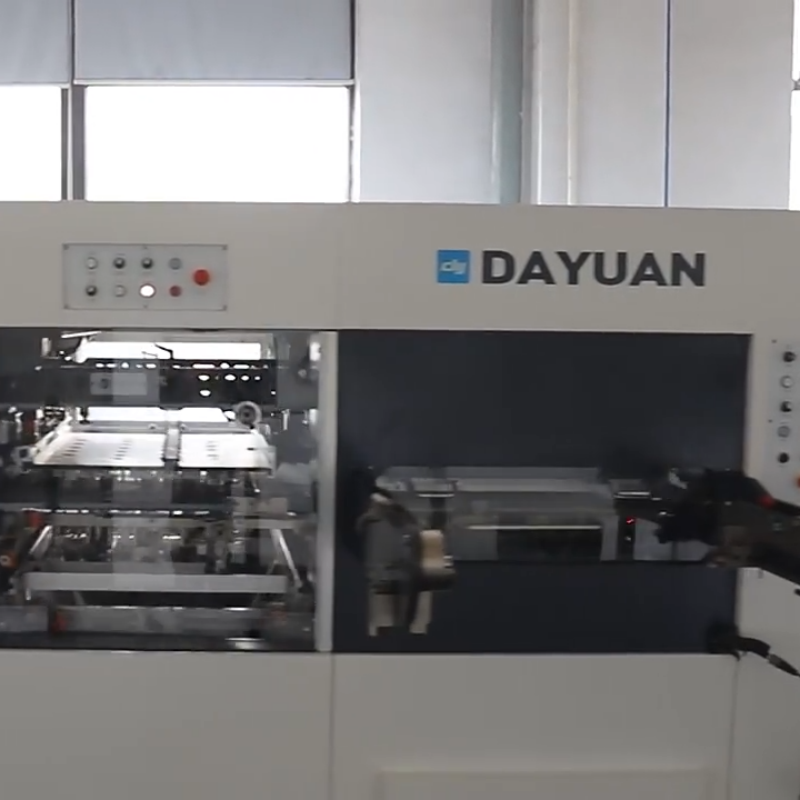
When choosing between a professional die cutting machine and a Cricut for your creative or business needs, understanding the fundamental differences can save you both time and money. While Cricut machines have gained popularity among hobbyists and small-scale crafters, industrial die cutting machines offer superior precision, speed, and durability for commercial applications. The decision ultimately depends on your production volume, material requirements, and long-term business goals.
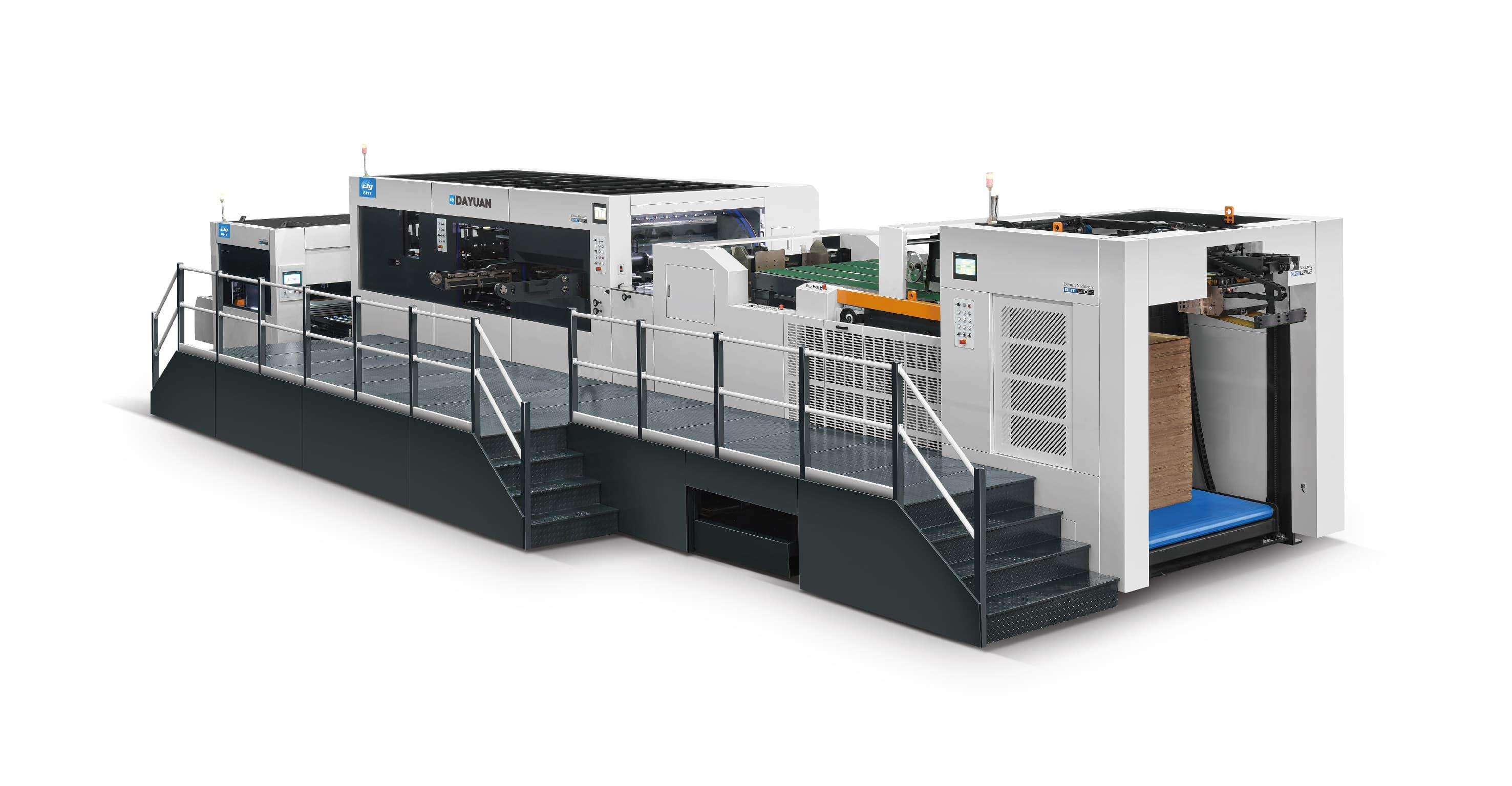
Professional die cutting equipment operates on entirely different principles than consumer-grade cutting tools. These machines utilize hydraulic or mechanical pressure systems to cut through various materials with exceptional accuracy and consistency. The technology behind commercial die cutting has evolved significantly over the past decades, incorporating advanced automation features and precision engineering that far exceeds what desktop alternatives can achieve.
Understanding Industrial Die Cutting Technology
Hydraulic Pressure Systems
Industrial die cutting machines employ powerful hydraulic systems that generate consistent pressure across the entire cutting surface. This uniform pressure distribution ensures clean, precise cuts regardless of material thickness or density. Unlike rotary cutters found in consumer devices, hydraulic systems can handle materials ranging from thin films to thick cardboard and even leather or rubber composites.
The hydraulic advantage becomes particularly evident when processing large sheets or multiple layers simultaneously. Professional operators can stack materials and achieve identical cuts across all layers, dramatically increasing production efficiency. This capability is essential for businesses requiring high-volume output with minimal waste and maximum consistency.
Precision Engineering and Tolerances
Commercial die cutting equipment maintains tolerances within fractions of millimeters, ensuring repeatability across thousands of cuts. This precision stems from robust construction using hardened steel components and computerized positioning systems. The mechanical stability of these machines prevents drift or variation that might occur with lighter-duty alternatives.
Advanced positioning systems incorporate servo motors and linear encoders to achieve exact placement of cutting dies. This technology enables complex multi-station operations where materials undergo sequential cutting, embossing, or perforation processes. Such precision is crucial for industries like packaging, automotive, and electronics where dimensional accuracy directly impacts product quality and functionality.
Cricut Technology and Limitations
Consumer-Grade Cutting Mechanisms
Cricut machines utilize blade-based cutting systems designed primarily for thin materials like paper, vinyl, and fabric. These devices rely on downward pressure from lightweight cutting heads that move across the material surface. While adequate for craft projects and small-scale applications, this approach has inherent limitations in terms of cutting force and material compatibility.
The cutting depth of Cricut machines is restricted by their mechanical design and safety considerations for home use. Materials thicker than a few millimeters often require multiple passes or prove impossible to cut cleanly. This limitation becomes problematic when working with cardboard, foam board, or other substrates commonly used in commercial applications.
Software and Design Constraints
Cricut software is optimized for consumer use, featuring simplified interfaces and pre-designed templates. While user-friendly, this approach limits customization options and professional workflow integration. The software typically requires internet connectivity and may restrict file formats or design complexity compared to industrial CAD systems.
Professional die cutting operations require compatibility with industry-standard file formats and integration with existing design workflows. Cricut's closed ecosystem approach can create bottlenecks for businesses that need to process files from multiple sources or maintain version control across large projects.
Production Capacity and Speed Comparison
Volume Output Capabilities
The most significant difference between industrial and consumer cutting equipment lies in production capacity. A professional die cutting machine can process hundreds or thousands of pieces per hour, depending on complexity and material type. This throughput stems from automated feeding systems, simultaneous multi-station operations, and minimal setup time between jobs.
Cricut machines, by contrast, typically process one item at a time with manual material loading and unloading. Even with optimal conditions, production rates rarely exceed dozens of pieces per hour. This limitation makes Cricut unsuitable for commercial operations requiring consistent high-volume output.
Operational Efficiency Factors
Industrial die cutting systems incorporate automated material handling, waste removal, and quality control features that minimize operator intervention. These machines can run continuously for extended periods with minimal supervision, maximizing productive time and reducing labor costs per piece.
Consumer machines require constant operator attention for material loading, alignment verification, and finished piece removal. This hands-on requirement significantly impacts overall efficiency and makes them impractical for time-sensitive commercial applications where consistent output is essential.
Material Compatibility and Versatility
Industrial Material Range
Professional die cutting equipment handles an extensive range of materials including corrugated cardboard, foam, rubber, gaskets, textiles, and composite materials. The ability to process diverse substrates makes these machines valuable for multiple industries and applications. Material thickness can range from thin films to several centimeters, depending on machine specifications.
Advanced die cutting systems can incorporate additional processes like embossing, perforating, or creasing within the same operation. This multi-functionality reduces handling time and improves overall production efficiency while maintaining consistent quality across all operations.
Cricut Material Limitations
Cricut machines are optimized for thin, flexible materials commonly used in crafting applications. While the material compatibility has expanded over time, fundamental limitations in cutting force and mechanism design prevent processing of thicker or denser substrates. Materials like corrugated cardboard, foam board, or leather typically exceed the machine's capabilities.
The material feeding mechanism in Cricut machines relies on adhesive mats that can become less effective with repeated use. This approach works well for occasional use but becomes problematic in high-volume applications where mat replacement costs and downtime impact overall economics.
Cost Analysis and Return on Investment
Initial Investment Considerations
Industrial die cutting machines require significantly higher initial investment compared to consumer alternatives. However, this cost must be evaluated against production capacity, durability, and operational efficiency. Professional equipment typically provides decades of service with proper maintenance, while consumer machines may require replacement every few years under heavy use.
The total cost of ownership includes not only purchase price but also consumables, maintenance, and opportunity costs associated with downtime or limited production capacity. Industrial machines often provide better long-term value for businesses with consistent production requirements.
Operating Cost Comparison
Professional die cutting systems have lower per-piece operating costs due to their efficiency and reduced consumable requirements. Custom dies, while expensive initially, can produce thousands of pieces before replacement. Energy consumption per piece is also typically lower due to faster processing times.
Cricut operations incur ongoing costs for replacement blades, cutting mats, and material waste due to less efficient cutting patterns. These consumable costs can accumulate quickly in high-volume applications, potentially exceeding the operational costs of industrial equipment.
Maintenance and Reliability
Industrial Equipment Durability
Professional die cutting machines are engineered for continuous operation in demanding industrial environments. Components are designed with substantial safety margins and utilize high-grade materials that resist wear and fatigue. Regular maintenance schedules are well-established, and replacement parts are typically available for decades.
The robust construction of industrial equipment translates to consistent performance and minimal unexpected downtime. This reliability is crucial for businesses with tight production schedules or just-in-time delivery requirements where equipment failure can have significant financial consequences.
Consumer Equipment Limitations
Cricut machines are designed for intermittent home use rather than continuous commercial operation. Components may wear rapidly under heavy use, and repair options are often limited to complete unit replacement. The lightweight construction that makes these machines portable also makes them less suitable for demanding applications.
Support for older Cricut models may be discontinued as new versions are released, potentially leaving users without software updates or technical support. This planned obsolescence approach contrasts with industrial equipment that typically receives support throughout its extended operational life.
FAQ
What production volume justifies choosing an industrial die cutting machine over a Cricut
Generally, businesses producing more than 100 pieces daily or requiring consistent high-quality output should consider industrial equipment. The break-even point depends on material costs, labor rates, and production requirements, but industrial machines typically become cost-effective when production exceeds hobby-level volumes.
Can Cricut machines handle commercial-grade materials
Cricut machines are limited to thin, flexible materials typically under 3mm thickness. Commercial substrates like corrugated cardboard, foam board, or industrial textiles usually exceed the cutting force and material handling capabilities of consumer equipment.
What ongoing maintenance do industrial die cutting machines require
Industrial machines require regular lubrication, hydraulic system checks, and die maintenance. Most manufacturers provide detailed maintenance schedules and training. While more complex than consumer equipment, proper maintenance ensures decades of reliable operation and consistent output quality.
Are there hybrid solutions between consumer and industrial equipment
Some manufacturers offer mid-range cutting systems designed for small businesses or high-volume crafters. These machines provide better material compatibility and production capacity than consumer models while remaining more affordable than full industrial systems. However, they may still have limitations compared to purpose-built commercial equipment.