 EN
EN

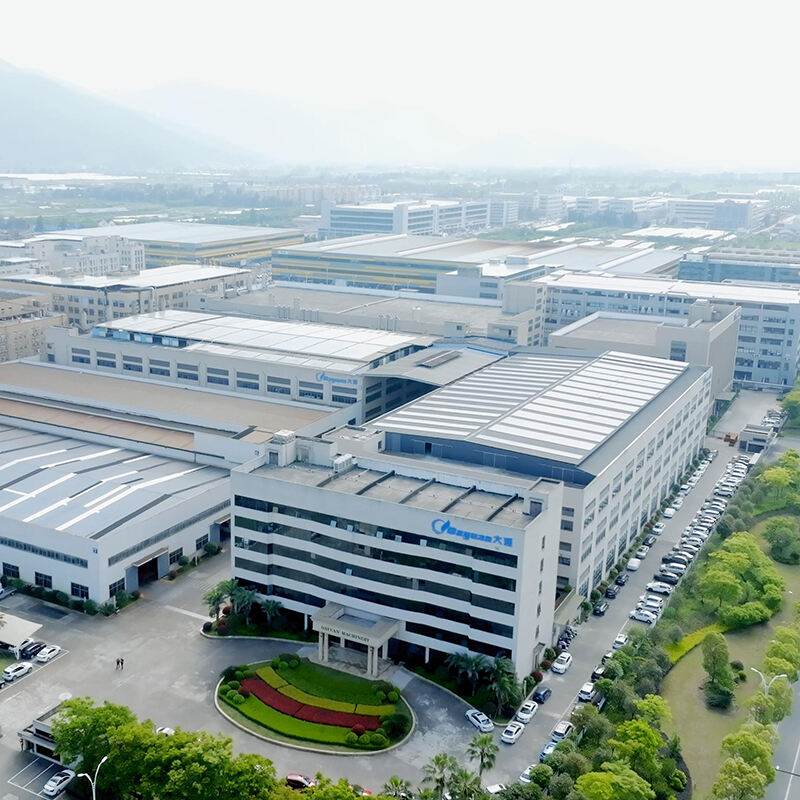
In the demanding world of fine printing and commercial printing operations, achieving consistently perfect edge quality remains one of the most critical challenges facing print professionals. The difference between an acceptable print job and an exceptional one often lies in the precision of the cutting process, where even microscopic variations can compromise the final product's appearance and functionality. Modern printing facilities have increasingly turned to advanced cutting solutions that deliver the exacting standards required for high-end applications, from luxury packaging to precision marketing materials.
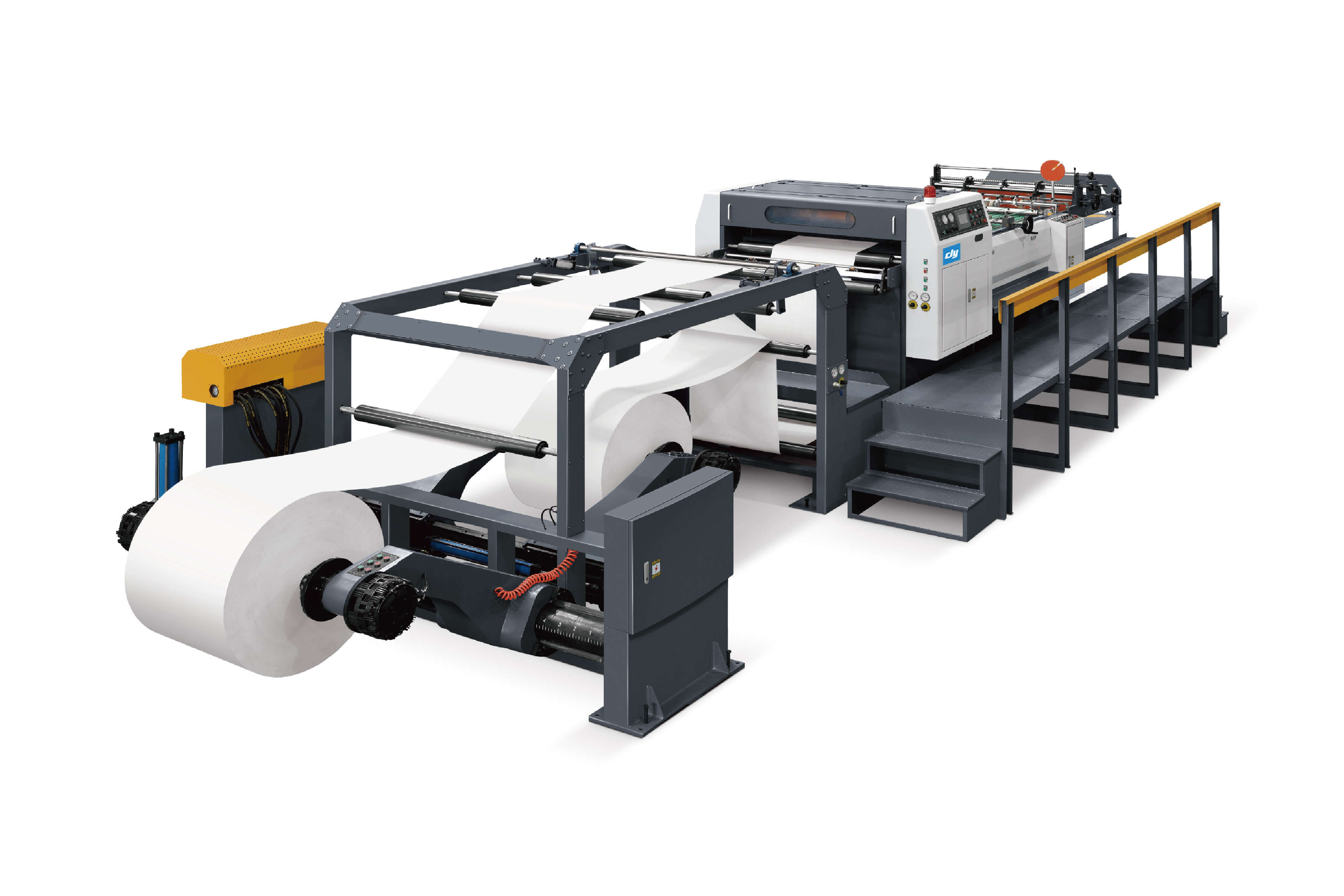
The evolution of cutting technology has revolutionized how printing facilities approach edge finishing, with sophisticated machinery now capable of delivering tolerances measured in fractions of millimeters. These technological advances have enabled print shops to expand their service offerings while maintaining the quality standards that discerning clients expect. Understanding the mechanisms behind precision cutting technology provides valuable insights into how modern printing operations achieve their remarkable consistency and quality.
Advanced Blade Technology and Edge Precision
Carbide Steel Blade Engineering
The foundation of exceptional edge quality in any high-precision paper cutter machine begins with the blade itself, where advanced metallurgy and engineering converge to create cutting edges that maintain their sharpness through thousands of cutting cycles. Premium carbide steel blades undergo specialized heat treatment processes that create a molecular structure optimized for both durability and precision, ensuring that each cut maintains the same exacting standards from the first sheet to the thousandth. The blade geometry plays an equally crucial role, with carefully calculated angles that minimize tearing and compression while maximizing the clean separation of paper fibers.
Modern blade manufacturing incorporates computer-controlled grinding processes that achieve surface finishes measured in nanometers, creating edges so smooth that they slice through paper with minimal resistance. These blades feature specialized coatings that reduce friction and prevent adhesive buildup from coated papers, maintaining optimal cutting performance throughout extended production runs. The result is consistently clean cuts that preserve the integrity of printed materials, whether working with delicate art papers or robust cardstock materials.
Precision Blade Positioning Systems
Beyond the blade itself, the positioning systems that control blade movement represent another critical component in achieving perfect edge quality. Advanced servo motor systems provide positioning accuracy measured in micrometers, ensuring that each cut occurs exactly where intended without the drift or variation that can compromise edge alignment. These systems incorporate real-time feedback mechanisms that continuously monitor and adjust blade position, compensating for any mechanical variations that might otherwise affect cutting precision.
The integration of linear bearing systems eliminates play and backlash in blade movement, creating a rigid platform that maintains consistent cutting geometry throughout the cutting stroke. Ball screw drive systems provide smooth, precise motion transfer while maintaining their accuracy over millions of cutting cycles. This combination of technologies ensures that a high-precision paper cutter machine delivers identical results regardless of production volume or operating duration.
Clamping and Material Control Systems
Hydraulic Pressure Distribution
Achieving perfect edges requires more than just a sharp blade; the material being cut must remain completely stable and properly compressed throughout the cutting process. Advanced hydraulic clamping systems distribute pressure evenly across the entire cutting area, eliminating the localized stress concentrations that can cause paper shifting or compression variations. These systems typically employ multiple pressure zones that can be independently adjusted to accommodate different material types and thicknesses, ensuring optimal clamping force for every application.
The hydraulic systems in modern cutting equipment incorporate pressure sensors and feedback controls that maintain consistent clamping force regardless of material stack height or density variations. This technological approach prevents the over-compression that can cause edge crushing while ensuring sufficient pressure to prevent material movement during cutting. The result is clean, straight edges that maintain their dimensional accuracy across the entire cut length.
Anti-Vibration and Stability Features
Vibration control represents another crucial element in achieving perfect edge quality, as even minimal machine movement during cutting can introduce microscopic irregularities that compromise the final edge finish. Heavy-duty machine bases constructed from cast iron or steel provide the mass and rigidity necessary to absorb cutting forces and minimize vibration transmission. These bases often incorporate internal ribbing and dampening materials that further reduce unwanted movement.
Advanced isolation systems decouple the cutting mechanism from external vibrations that might be transmitted through building structures or nearby equipment. Precision leveling systems ensure that the cutting table remains perfectly flat and stable, preventing any geometric distortions that could affect edge quality. When combined with the mechanical precision of a high-precision paper cutter machine, these stability features create an environment where perfect edges become the consistent standard rather than the exception.
Digital Control and Programming Systems
Computer-Controlled Cutting Parameters
Modern cutting systems integrate sophisticated digital control platforms that manage every aspect of the cutting process with mathematical precision. These computer systems store cutting programs for different material types, automatically adjusting parameters such as cutting speed, blade pressure, and clamping force to optimize results for each specific application. The ability to recall and execute these programs ensures consistent results across multiple production runs while minimizing setup time and operator variability.
Advanced programming capabilities allow operators to create complex cutting sequences that accommodate varying material properties within a single stack, automatically adjusting parameters as the cutting progresses through different layers or material types. Touch screen interfaces provide intuitive control over all cutting parameters while displaying real-time feedback about cutting performance and system status. This level of digital control transforms cutting from a mechanical process into a precisely managed manufacturing operation.
Real-Time Monitoring and Quality Assurance
Contemporary cutting systems incorporate monitoring technologies that continuously assess cutting quality and provide immediate feedback about edge condition and dimensional accuracy. Optical sensors can detect variations in cut quality and automatically adjust cutting parameters to maintain optimal performance. These systems can identify potential issues before they affect production quality, alerting operators to blade wear, pressure variations, or other conditions that might compromise edge quality.
Data logging capabilities capture detailed information about every cutting operation, creating a quality history that can be analyzed to identify trends and optimize cutting parameters over time. This information proves invaluable for maintaining consistent quality standards and implementing predictive maintenance strategies that prevent quality degradation. The integration of these monitoring systems with a high-precision paper cutter machine creates a self-optimizing cutting environment that continuously improves performance.
Material-Specific Cutting Optimization
Substrate Compatibility and Adaptation
Different printing materials present unique challenges for achieving perfect edge quality, requiring specialized approaches that account for varying fiber structures, coatings, and physical properties. Coated papers demand different cutting parameters than uncoated stocks, while synthetic materials may require entirely different blade geometries and cutting speeds. Advanced cutting systems provide the flexibility to optimize cutting parameters for each material type, ensuring consistent edge quality regardless of substrate characteristics.
The ability to process mixed stacks containing different paper types represents a significant advantage in modern cutting operations, where job efficiency often depends on minimizing setup and changeover times. Sophisticated cutting systems can automatically adjust their parameters as they progress through stacks containing multiple material types, maintaining optimal edge quality for each substrate. This capability eliminates the need for separate cutting runs for different materials, significantly improving production efficiency.
Thickness and Density Considerations
Stack thickness and material density directly influence the cutting parameters required to achieve perfect edges, with thicker stacks generally requiring slower cutting speeds and modified pressure settings. Modern cutting systems automatically sense stack height and adjust cutting parameters accordingly, ensuring that the bottom sheets receive the same quality attention as the top sheets. This automatic adaptation prevents the edge crushing and tearing that can occur when cutting parameters are not properly matched to material characteristics.
Advanced pressure distribution systems ensure that clamping force remains optimal throughout stacks of varying density, preventing compression variations that could affect edge quality. The ability to maintain consistent cutting quality across the full range of material thicknesses and densities represents a key advantage of modern high-precision paper cutter machine technology, enabling print shops to accept a broader range of jobs while maintaining their quality standards.
Maintenance and Calibration for Consistent Performance
Preventive Maintenance Protocols
Maintaining perfect edge quality requires implementing comprehensive maintenance protocols that address every component affecting cutting precision. Regular blade inspection and replacement schedules ensure that cutting edges remain sharp and properly aligned, preventing the gradual degradation that can compromise edge quality over time. Lubrication systems require attention to maintain smooth operation of moving components, while hydraulic systems need regular fluid changes and seal inspections to maintain consistent pressure delivery.
Calibration procedures verify that all positioning systems maintain their accuracy specifications, with periodic checks ensuring that cutting dimensions remain within specified tolerances. These maintenance protocols extend beyond mechanical components to include software updates and parameter verification, ensuring that digital control systems continue to operate at peak efficiency. Regular maintenance not only preserves edge quality but also extends equipment life and reduces unexpected downtime.
Performance Monitoring and Optimization
Continuous performance monitoring provides the data necessary to optimize cutting operations and maintain consistent edge quality over time. Modern cutting systems generate detailed performance reports that track cutting accuracy, blade life, and system efficiency, providing valuable insights into operational trends and potential improvement opportunities. This data enables predictive maintenance strategies that address potential issues before they affect production quality.
Regular performance audits compare actual cutting results against specified tolerances, identifying any drift or degradation that might require attention. These audits often reveal opportunities for parameter optimization that can improve both edge quality and production efficiency. By maintaining detailed performance records, operators can identify the optimal operating parameters for different applications and ensure that their high-precision paper cutter machine continues to deliver exceptional results throughout its operational life.
Quality Control and Testing Methods
Edge Quality Assessment Techniques
Evaluating edge quality requires systematic testing methods that can detect even minor variations in cutting performance, ensuring that quality standards remain consistent across all production runs. Microscopic examination of cut edges reveals the fine details of fiber separation and edge condition that determine the visual and functional quality of the finished product. Standardized testing protocols provide objective measurements of edge straightness, smoothness, and dimensional accuracy.
Optical measurement systems can provide rapid, non-destructive assessment of edge quality, measuring parameters such as edge deviation, roughness, and perpendicularity with high precision. These measurement systems integrate with production workflows to provide immediate feedback about cutting quality, enabling real-time adjustments that maintain optimal performance. The ability to quickly and accurately assess edge quality ensures that quality issues are identified and addressed before they affect significant quantities of production.
Dimensional Accuracy Verification
Beyond edge appearance, dimensional accuracy represents another critical aspect of cutting quality that requires systematic verification and control. Precision measurement tools verify that cut dimensions match specified requirements within established tolerances, ensuring that finished products meet their intended design specifications. Statistical process control methods track dimensional variations over time, identifying trends that might indicate equipment drift or other performance issues.
Calibrated measuring instruments provide the accuracy necessary to verify that cutting operations meet the tight tolerances required for fine printing applications. Regular calibration of these instruments ensures that measurements remain traceable to recognized standards, maintaining the credibility of quality control processes. The integration of dimensional verification with a high-precision paper cutter machine creates a complete quality assurance system that delivers confidence in every cut.
FAQ
What factors most significantly impact edge quality in precision paper cutting?
The most critical factors affecting edge quality include blade sharpness and geometry, clamping pressure distribution, cutting speed optimization, and machine stability during operation. Blade condition represents the primary influence, as even slightly dull blades can cause fiber tearing and edge irregularities. Proper clamping ensures material stability during cutting, while optimized cutting speeds prevent heat buildup and material distortion. Machine stability eliminates vibration-induced edge variations that can compromise cutting precision.
How often should cutting blades be replaced to maintain optimal edge quality?
Blade replacement frequency depends on several factors including material types processed, cutting volume, and quality requirements. Generally, blades should be replaced when edge quality begins to deteriorate or when cutting force requirements increase noticeably. High-volume operations may require blade changes after processing 50,000 to 100,000 sheets, while lower-volume applications might extend blade life significantly longer. Regular blade inspection helps determine optimal replacement timing based on actual cutting conditions.
Can a high-precision paper cutter machine handle different material types without quality compromise?
Modern precision cutting systems are specifically designed to accommodate various material types through programmable parameter adjustment. These systems can automatically optimize cutting speed, pressure, and blade angle for different substrates, from lightweight papers to heavy cardstocks and synthetic materials. The key lies in proper parameter programming and material-specific optimization, which allows single machines to process diverse materials while maintaining consistent edge quality across all applications.
What maintenance practices are essential for preserving cutting precision over time?
Essential maintenance practices include regular blade inspection and replacement, hydraulic system servicing, lubrication of moving components, and periodic calibration of positioning systems. Keeping cutting surfaces clean and free from debris prevents contamination that could affect cutting quality. Regular calibration ensures that dimensional accuracy remains within specifications, while proper lubrication maintains smooth operation and prevents premature wear. Systematic maintenance schedules based on operating hours and cutting volume help maintain optimal performance throughout the equipment's operational life.
Table of Contents
- Advanced Blade Technology and Edge Precision
- Clamping and Material Control Systems
- Digital Control and Programming Systems
- Material-Specific Cutting Optimization
- Maintenance and Calibration for Consistent Performance
- Quality Control and Testing Methods
-
FAQ
- What factors most significantly impact edge quality in precision paper cutting?
- How often should cutting blades be replaced to maintain optimal edge quality?
- Can a high-precision paper cutter machine handle different material types without quality compromise?
- What maintenance practices are essential for preserving cutting precision over time?