 EN
EN

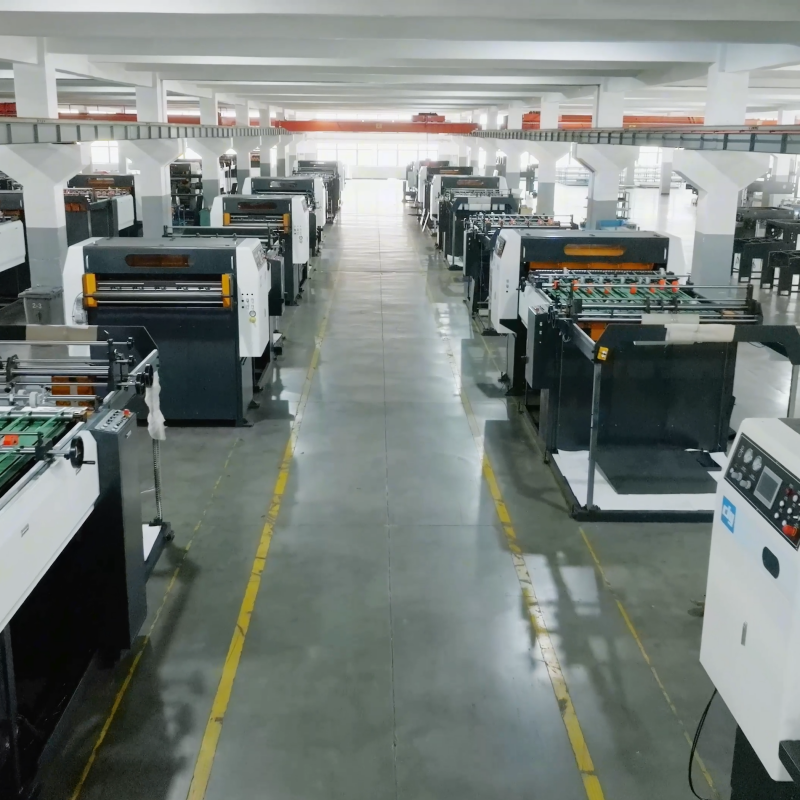
In modern printing facilities and office environments, operational efficiency depends heavily on the right equipment selection. The cutting capacity of a paper cutter machine serves as one of the most critical factors determining how smoothly your production workflow operates. Understanding how cutting capacity directly influences productivity can help businesses make informed decisions about equipment investments and workflow optimization strategies.
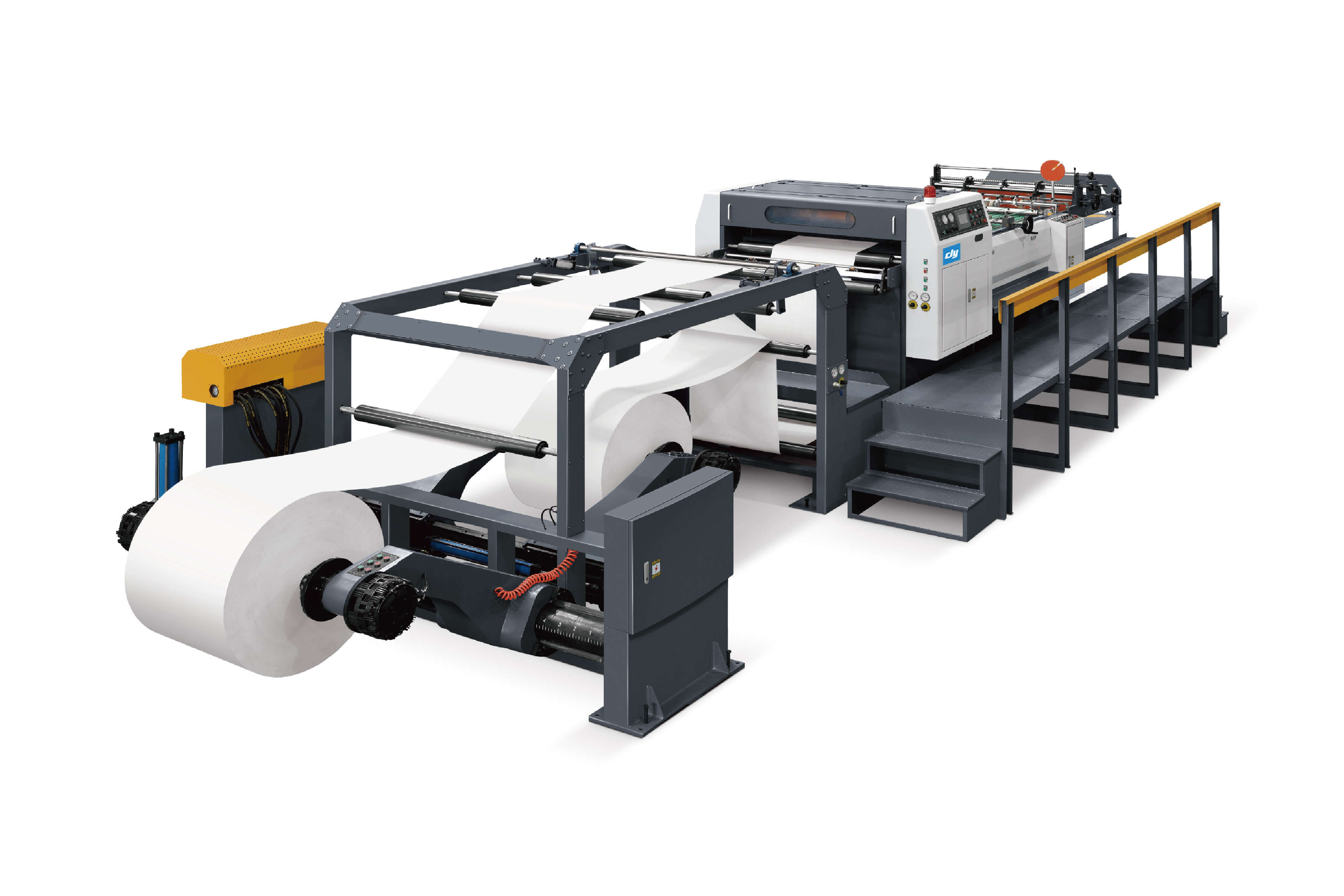
Understanding Paper Cutter Machine Cutting Capacity
Defining Cutting Capacity Parameters
The cutting capacity of a paper cutter machine encompasses several measurable parameters that determine its operational capabilities. Stack height represents the maximum thickness of paper sheets that can be cut in a single operation, typically measured in millimeters or inches. Sheet size capacity defines the largest dimensions of paper that the machine can accommodate, influencing the variety of projects it can handle effectively.
Material density compatibility affects how different paper weights and types perform during cutting operations. A high-capacity paper cutter machine must maintain precision across various substrates, from lightweight copy paper to heavy cardstock materials. These specifications directly correlate with the machine's ability to handle diverse production requirements without compromising cut quality or operational speed.
Technical Specifications That Matter
Blade pressure systems in advanced paper cutter machine models provide consistent cutting force across the entire cutting area. Hydraulic or pneumatic mechanisms ensure uniform pressure distribution, preventing incomplete cuts or material distortion. Cutting speed ratings indicate how quickly the machine can complete cutting cycles, affecting overall throughput rates in busy production environments.
Safety features integrated into high-capacity models include dual-hand operation controls and safety curtains that protect operators while maintaining productivity levels. These systems allow operators to work confidently with larger material stacks, knowing that safety protocols remain active throughout extended production runs.
Direct Impact on Workflow Efficiency
Batch Processing Advantages
Higher cutting capacity enables larger batch processing, significantly reducing the time required for repetitive cutting tasks. When a paper cutter machine can handle thicker stacks, operators spend less time reloading materials and more time on value-added activities. This efficiency gain becomes particularly noticeable in high-volume production environments where time optimization directly affects profitability.
Reduced setup frequency means fewer interruptions in the production flow, allowing operators to maintain focus and rhythm throughout their work sessions. Each setup cycle involves material positioning, measurement verification, and safety checks, so minimizing these cycles through higher capacity cutting translates into measurable productivity improvements across daily operations.
Labor Resource Optimization
Efficient paper cutter machine operation reduces the labor hours required for cutting tasks, freeing up skilled operators for other critical production activities. This resource reallocation allows businesses to maximize their human capital while maintaining or improving output quality. Operators can focus on quality control, machine maintenance, and process optimization rather than repetitive material handling.
Training requirements also decrease when operators work with higher-capacity equipment, as they handle fewer cutting cycles and develop more consistent operational patterns. This consistency reduces error rates and improves overall job satisfaction among production staff members.
Quality Consistency and Production Standards
Precision Maintenance Across Large Batches
Modern paper cutter machine designs maintain cutting precision even when processing maximum capacity loads. Advanced clamping systems ensure that all sheets in a stack receive equal pressure, preventing shifting or misalignment during cutting operations. This precision consistency eliminates the need for post-cutting adjustments or rework, maintaining production schedules and quality standards.
Blade technology improvements allow high-capacity machines to deliver clean cuts through thick material stacks without causing paper tears or rough edges. Sharp, properly maintained blades combined with appropriate cutting speeds ensure that the bottom sheet in a large stack receives the same quality cut as the top sheet.
Material Waste Reduction
Accurate cutting capacity utilization minimizes material waste by reducing the number of test cuts and adjustments required during production runs. When operators can confidently load maximum capacity stacks, they eliminate the conservative approach of using smaller batches to ensure quality, thereby maximizing material utilization rates.
Consistent cutting results also reduce the rejection rate of finished products, as proper capacity utilization ensures uniform quality across all cut pieces. This reliability directly impacts material costs and delivery schedules, contributing to overall operational efficiency improvements.
Economic Benefits of Optimized Cutting Capacity
Return on Investment Calculations
Investing in a paper cutter machine with appropriate cutting capacity generates measurable returns through reduced labor costs and increased throughput. Higher capacity machines typically command higher initial prices, but the productivity gains often justify the investment within the first year of operation, especially in medium to high-volume production environments.
Energy efficiency improvements in modern high-capacity machines also contribute to long-term cost savings. Advanced motor systems and optimized cutting mechanisms reduce power consumption per cut, lowering operational expenses while maintaining or improving performance levels compared to older, less efficient equipment.
Competitive Advantage Development
Businesses operating high-capacity paper cutter machine equipment can accept larger orders and meet tighter deadlines, positioning themselves advantageously in competitive markets. This capability enables them to pursue opportunities that competitors with lower-capacity equipment cannot handle efficiently, leading to revenue growth and market share expansion.
Customer satisfaction improvements result from consistent delivery times and quality standards, building long-term business relationships and generating repeat orders. Reliable cutting capacity ensures that production commitments can be met without quality compromises or deadline extensions.
Integration with Modern Production Workflows
Digital Production Environment Compatibility
Contemporary paper cutter machine models integrate seamlessly with digital production workflows through programmable cutting sequences and automated setup features. These capabilities allow operators to process job tickets efficiently, reducing manual programming time and minimizing setup errors that could impact production schedules.
Connectivity features enable real-time production monitoring and capacity utilization tracking, providing managers with data needed to optimize workflow scheduling. This integration supports lean manufacturing principles by identifying bottlenecks and optimizing resource allocation across the entire production process.
Scalability Considerations
Choosing paper cutter machine equipment with appropriate capacity headroom allows businesses to accommodate future growth without requiring immediate equipment replacement. This forward-thinking approach ensures that cutting capacity remains adequate as production volumes increase, protecting the initial equipment investment while supporting business expansion plans.
Modular upgrade options available in many modern machines provide flexibility for capacity expansion through software updates or hardware modifications. This scalability reduces the total cost of ownership while ensuring that cutting capabilities can evolve with changing business requirements.
FAQ
How do I determine the right cutting capacity for my paper cutter machine?
Assess your typical job volumes, maximum batch sizes, and peak production periods to determine appropriate cutting capacity requirements. Consider both current needs and anticipated growth, selecting a paper cutter machine with approximately 20-30% capacity headroom above your current maximum requirements. Factor in material types, thickness variations, and production deadline constraints when making capacity decisions.
What maintenance requirements increase with higher cutting capacity?
Higher-capacity paper cutter machine models require more frequent blade maintenance due to increased material processing volumes. Hydraulic systems need regular fluid checks and seal inspections to maintain consistent cutting pressure. Safety systems require periodic calibration to ensure proper function with maximum capacity loads, and cutting tables may need more frequent cleaning and alignment checks.
Can cutting capacity affect the quality of finished products?
Properly utilized cutting capacity enhances product quality by reducing handling frequency and maintaining consistent cutting conditions. However, exceeding recommended capacity limits can lead to incomplete cuts, material shifting, or blade deflection issues. Operating within designed capacity parameters ensures optimal quality while maximizing efficiency benefits from your paper cutter machine investment.
How does cutting capacity impact operator safety?
Modern high-capacity paper cutter machine designs incorporate enhanced safety features specifically for larger material handling requirements. Operators benefit from reduced lifting frequency and improved ergonomic positioning when processing larger batches. However, proper training becomes more critical with higher-capacity equipment to ensure safe material handling procedures and emergency response protocols are followed consistently.