 EN
EN

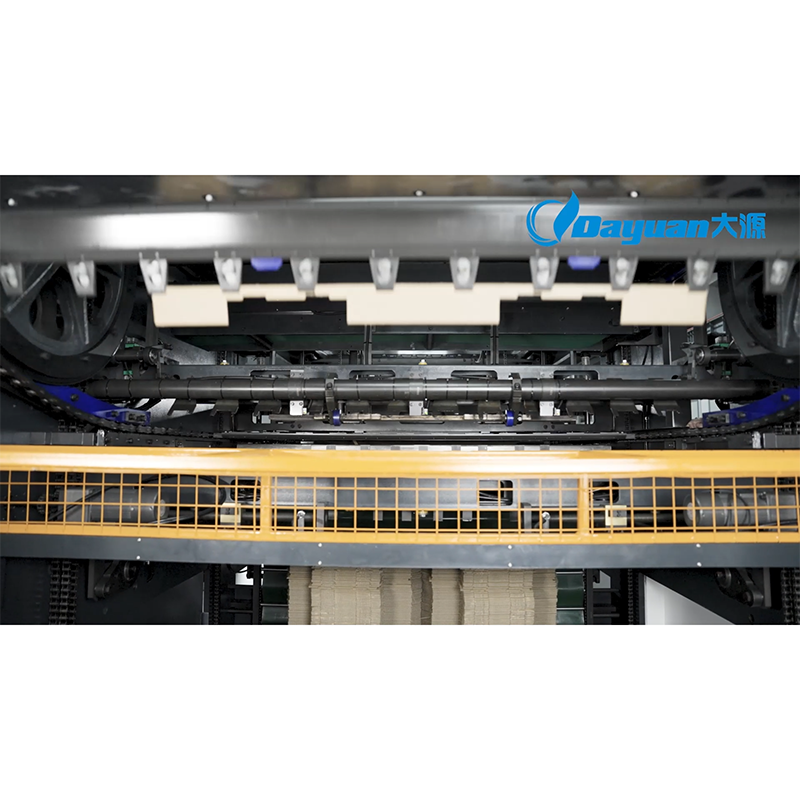
Industrial paper cutter machines represent a critical component in manufacturing, printing, and packaging operations worldwide. These sophisticated devices must balance precision, efficiency, and operator safety to meet the demanding requirements of modern production environments. As workplace safety regulations become increasingly stringent and operational efficiency demands continue to rise, selecting the right safety features for paper cutter machines has never been more crucial for industrial facilities.
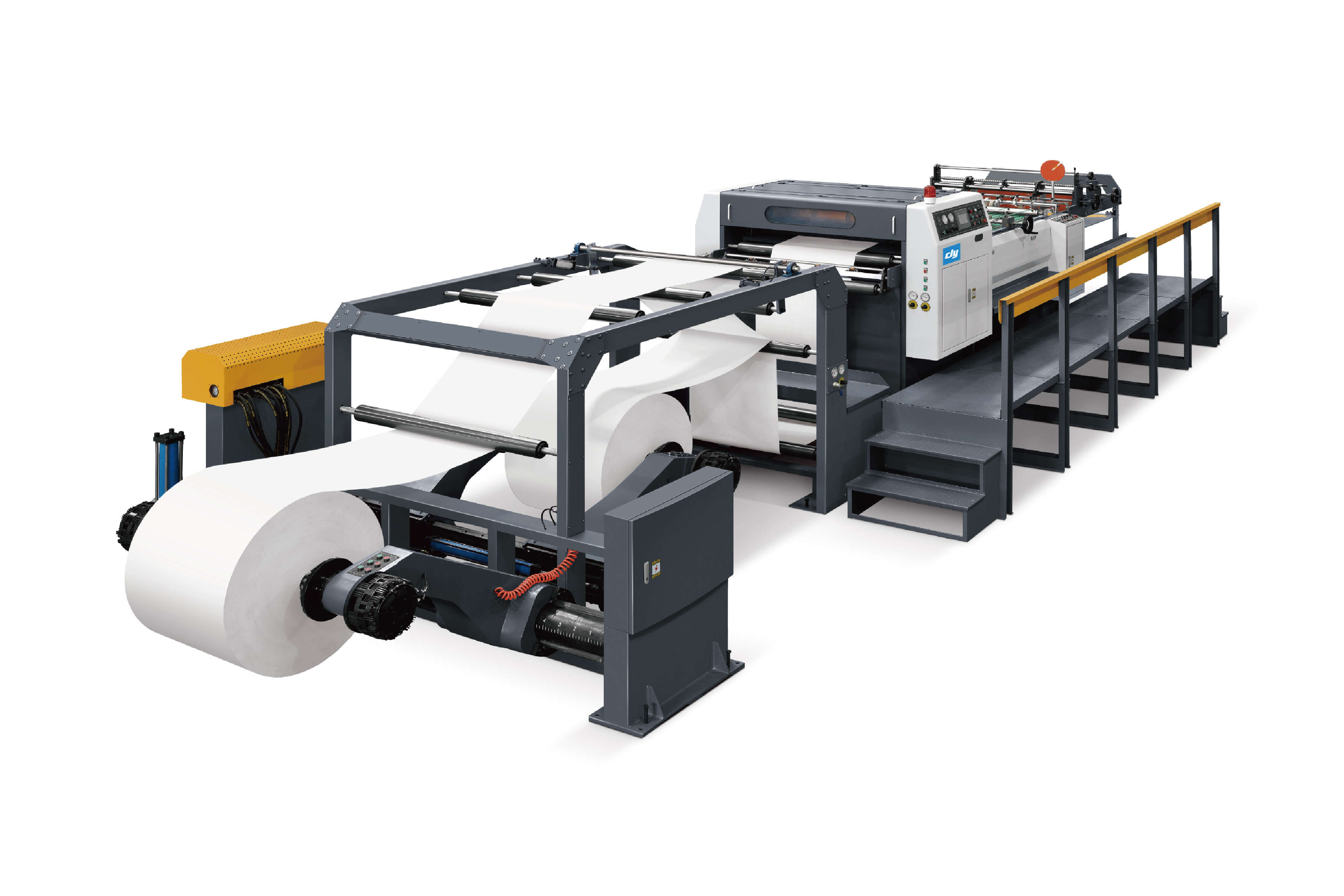
The evolution of paper cutter machines has transformed these tools from basic mechanical devices into advanced automated systems equipped with multiple layers of protection. Modern industrial environments demand equipment that not only delivers consistent cutting performance but also minimizes risk to operators while maintaining operational continuity. Understanding the essential safety features available in contemporary paper cutter machines enables facility managers to make informed decisions that protect their workforce while optimizing productivity.
Essential Safety Control Systems
Emergency Stop Mechanisms
Emergency stop systems form the foundation of safety protocols for paper cutter machines in industrial settings. These mechanisms must be easily accessible from multiple positions around the equipment and capable of immediately halting all machine operations. Modern emergency stops feature bright red mushroom-head buttons that remain visible under various lighting conditions and require deliberate action to reset, preventing accidental reactivation.
Advanced emergency stop systems incorporate wireless technology that allows operators to carry portable emergency controls when working in close proximity to paper cutter machines. This wireless capability extends the safety perimeter beyond the immediate machine area, enabling quick response to potential hazards from any location within the operational zone. The integration of these systems with facility-wide safety networks ensures that emergency conditions trigger appropriate responses across the entire production floor.
Two-Hand Control Systems
Two-hand control systems prevent accidental activation of paper cutter machines by requiring simultaneous engagement of controls positioned beyond the reach of a single hand. This safety feature ensures that operators maintain proper positioning and full attention during cutting operations. The controls must be pressed within a specific time window and maintained throughout the cutting cycle to prevent bypassing of the safety mechanism.
Contemporary two-hand systems utilize pressure-sensitive technology that monitors the continuous application of force rather than simple button activation. This advancement prevents operators from using objects to hold down one control while operating the machine with a single hand. The system immediately stops operation if pressure is released from either control, providing reliable protection against unsafe operating practices that could compromise operator safety around paper cutter machines.
Advanced Sensor Technologies
Light Curtain Protection
Light curtain technology creates an invisible protective barrier around the cutting area of paper cutter machines, automatically stopping operations when the beam is interrupted by any object or body part. These systems employ infrared light beams arranged in a grid pattern that provides comprehensive coverage of danger zones. The resolution and spacing of light beams determine the minimum object size that can be detected, with industrial applications typically requiring detection of objects as small as 14 millimeters.
Modern light curtain systems feature self-diagnostic capabilities that continuously monitor beam integrity and alignment. Any degradation in performance triggers immediate alerts and system shutdown, ensuring that paper cutter machines never operate with compromised safety protection. Advanced models include blanking functions that allow predetermined areas to be temporarily disabled for material loading while maintaining protection in critical zones.
Proximity Sensing Systems
Proximity sensors provide an additional layer of protection by detecting the presence of operators or objects within defined safety zones around paper cutter machines. These sensors utilize various technologies including ultrasonic, capacitive, and magnetic field detection to create comprehensive monitoring coverage. The systems can be programmed with multiple detection zones, each triggering different responses based on proximity to hazardous areas.
Integration of artificial intelligence enhances proximity sensing capabilities by learning normal operational patterns and identifying anomalous conditions that may indicate safety risks. These smart systems reduce false alarms while maintaining sensitivity to genuine safety threats. The ability to distinguish between authorized personnel and unexpected intrusions allows paper cutter machines to maintain operational efficiency while prioritizing safety.
Mechanical Safety Features
Blade Guarding Systems
Comprehensive blade guarding represents one of the most critical safety features for paper cutter machines operating in industrial environments. These guards must provide complete coverage of cutting edges when not in active use while allowing necessary access during operation. Modern guarding systems incorporate interlocked mechanisms that prevent blade exposure unless all safety conditions are met and proper operational procedures are followed.
Advanced blade guards feature transparent materials that maintain visibility of the cutting process while providing physical protection. The guards automatically adjust position based on material thickness and cutting requirements, ensuring optimal protection without compromising operational efficiency. Some systems include heated guards that prevent condensation buildup in humid environments, maintaining clear visibility throughout extended operation periods.
Pressure Relief Mechanisms
Pressure relief systems protect both operators and equipment by automatically reducing hydraulic or pneumatic pressure when predetermined limits are exceeded. These mechanisms prevent dangerous pressure buildup that could cause sudden equipment movement or component failure. Modern paper cutter machines incorporate multiple pressure relief points throughout the hydraulic system to ensure comprehensive protection under all operating conditions.
Smart pressure monitoring systems continuously track pressure levels and patterns to identify potential problems before they become safety hazards. These systems can predict maintenance requirements and automatically adjust operating parameters to maintain safe pressure levels. Integration with facility maintenance management systems enables proactive scheduling of pressure system inspections and component replacements for paper cutter machines.
Operational Safety Protocols
Lockout Tagout Integration
Lockout tagout systems ensure that paper cutter machines remain safely de-energized during maintenance, cleaning, or repair operations. Modern equipment features multiple isolation points for electrical, hydraulic, and pneumatic systems, each requiring specific lockout procedures. Clear labeling and standardized lockout points simplify the process while ensuring comprehensive isolation of all energy sources.
Digital lockout systems provide enhanced security and tracking capabilities for maintenance operations on paper cutter machines. These systems require electronic authorization for lockout removal and maintain detailed logs of all maintenance activities. Integration with facility management systems enables real-time monitoring of equipment status and ensures compliance with safety protocols throughout the organization.
Operator Training Systems
Integrated training systems help ensure that operators understand proper safety procedures for paper cutter machines before beginning independent operation. These systems include interactive displays that guide operators through safety checklists and operational procedures. Advanced training modules simulate various operational scenarios and emergency conditions to prepare operators for real-world situations.
Continuous competency monitoring tracks operator performance and identifies areas requiring additional training or refresher courses. The system can restrict access to paper cutter machines for operators who have not completed required training or whose competency assessments indicate safety concerns. This approach ensures that only qualified personnel operate equipment while maintaining detailed records for compliance purposes.
Environmental and Ergonomic Considerations
Noise Control Features
Noise reduction technology in modern paper cutter machines protects operator hearing while maintaining communication capabilities in industrial environments. Sound dampening materials and vibration isolation systems reduce operational noise levels without compromising performance. These features become particularly important in facilities where multiple machines operate simultaneously or where noise regulations require specific decibel limits.
Advanced noise control systems include real-time monitoring that alerts operators when noise levels exceed safe thresholds. Some paper cutter machines feature adaptive noise control that automatically adjusts operational parameters to minimize sound production during sensitive periods. Integration with facility noise management systems enables comprehensive monitoring and control of acoustic environments across entire production areas.
Ergonomic Design Elements
Ergonomic considerations in paper cutter machines reduce operator fatigue and injury risk through thoughtful design of controls, work surfaces, and material handling systems. Adjustable work heights accommodate operators of different statures while maintaining optimal cutting positions. Controls are positioned to minimize reaching and twisting motions that could lead to repetitive stress injuries.
Automated material handling features reduce manual lifting and positioning requirements for heavy paper stocks. These systems include powered infeed and outfeed conveyors, automatic stack positioning, and programmable cutting sequences that minimize operator intervention. The combination of ergonomic design and automation significantly reduces physical demands while maintaining precise control over paper cutter machines operations.
Compliance and Documentation Features
Safety Data Recording
Modern paper cutter machines incorporate comprehensive data logging systems that record all safety-related events and operational parameters. These systems maintain detailed records of emergency stops, safety system activations, and maintenance activities. The data provides valuable insights for improving safety procedures and identifying potential hazards before they result in incidents.
Cloud-based data storage ensures that safety records remain accessible even in the event of local system failures. Advanced analytics capabilities identify trends and patterns that may indicate developing safety issues with paper cutter machines. Integration with enterprise safety management systems enables facility-wide analysis and reporting for regulatory compliance and continuous improvement initiatives.
Regulatory Compliance Monitoring
Automated compliance monitoring systems ensure that paper cutter machines maintain adherence to applicable safety regulations and industry standards. These systems track regulatory requirements and alert facility managers when updates or changes affect equipment operations. Regular compliance audits can be scheduled and documented through integrated reporting systems.
The systems maintain detailed documentation of all safety inspections, certifications, and compliance activities for paper cutter machines. This documentation proves invaluable during regulatory inspections and insurance audits. Advanced systems can generate compliance reports automatically and distribute them to relevant stakeholders according to predetermined schedules.
FAQ
What are the most critical safety features for industrial paper cutter machines
The most critical safety features include emergency stop systems, light curtain protection, two-hand controls, and comprehensive blade guarding. These features work together to prevent accidents by ensuring operators cannot access dangerous areas during operation while providing immediate shutdown capabilities when hazards are detected. Modern paper cutter machines should also include proximity sensors and pressure relief mechanisms to provide multiple layers of protection.
How often should safety systems be inspected on paper cutter machines
Safety systems on paper cutter machines should be inspected daily before operation, with more comprehensive weekly and monthly inspections scheduled according to manufacturer recommendations and regulatory requirements. Light curtains and sensors require daily functionality checks, while emergency stops should be tested at the beginning of each shift. Annual inspections by qualified technicians ensure that all safety systems continue to meet performance standards.
Can older paper cutter machines be retrofitted with modern safety features
Many older paper cutter machines can be retrofitted with modern safety features including light curtains, emergency stops, and upgraded control systems. However, the feasibility and cost-effectiveness of retrofitting depend on the machine's age, condition, and existing safety infrastructure. A professional safety assessment can determine which upgrades are practical and ensure that retrofitted systems integrate properly with existing equipment.
What training requirements exist for operators of industrial paper cutter machines
Operators of industrial paper cutter machines must receive comprehensive training covering equipment operation, safety procedures, emergency protocols, and maintenance requirements. Training should include hands-on instruction with supervision, written testing on safety procedures, and regular refresher courses to maintain competency. Documentation of training completion and ongoing competency assessments are typically required for regulatory compliance and insurance purposes.
Table of Contents
- Essential Safety Control Systems
- Advanced Sensor Technologies
- Mechanical Safety Features
- Operational Safety Protocols
- Environmental and Ergonomic Considerations
- Compliance and Documentation Features
-
FAQ
- What are the most critical safety features for industrial paper cutter machines
- How often should safety systems be inspected on paper cutter machines
- Can older paper cutter machines be retrofitted with modern safety features
- What training requirements exist for operators of industrial paper cutter machines