 EN
EN

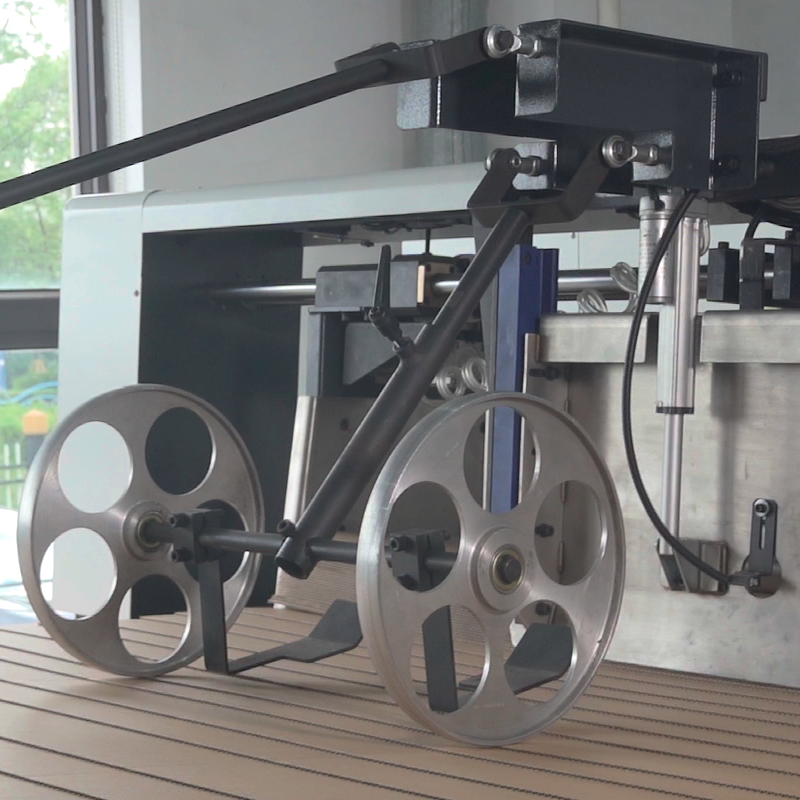
Modern manufacturing demands more than isolated equipment operating independently. The question of why your paper die cutting machine should integrate into an intelligent production line reflects a fundamental shift toward smart manufacturing paradigms. Traditional standalone die cutting operations, while functional, cannot match the efficiency, precision, and data-driven insights that emerge when paper die cutting machines become integral components of connected production ecosystems.
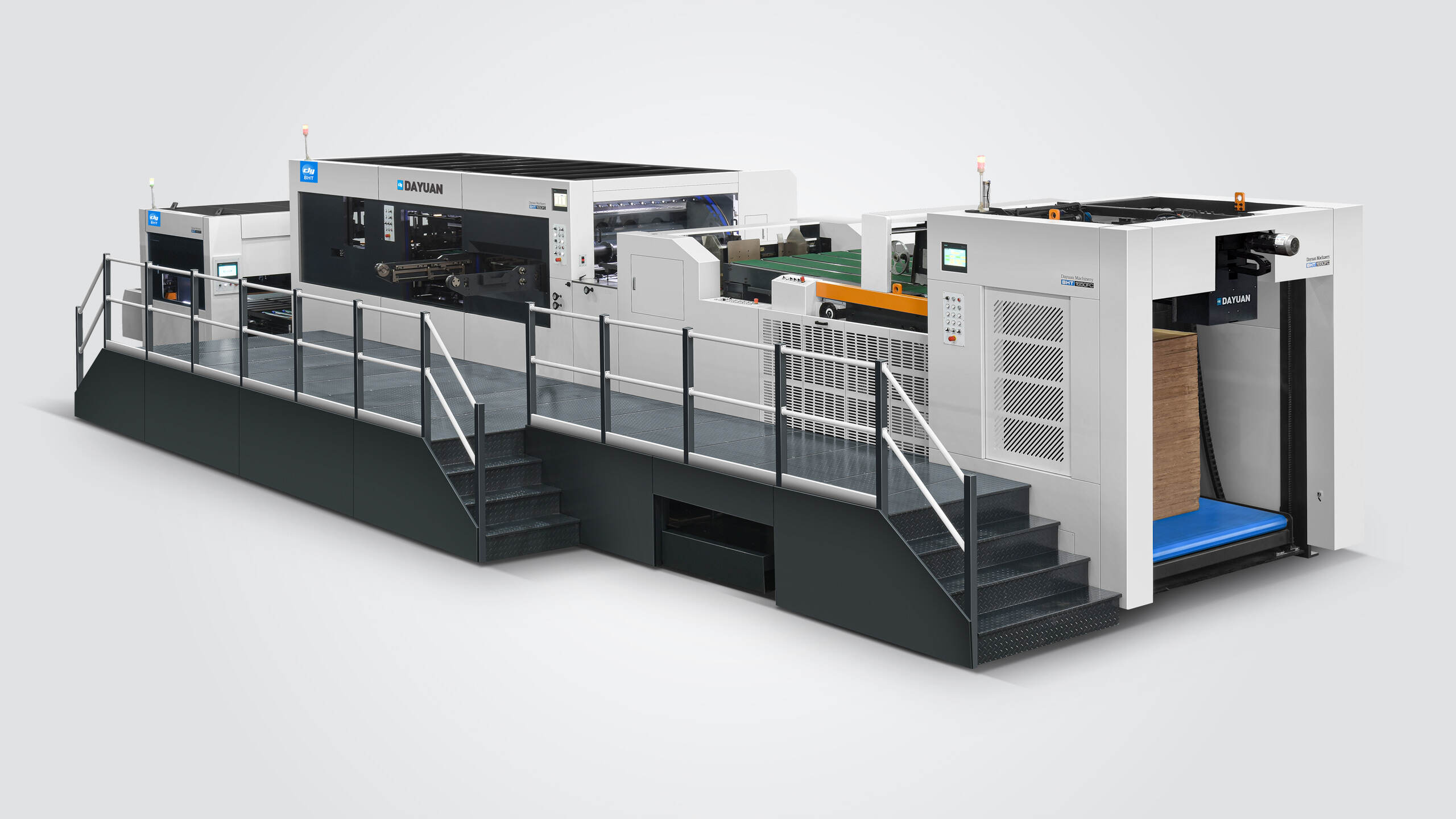
Smart manufacturing transforms paper processing operations by establishing seamless communication between equipment, sensors, control systems, and enterprise management platforms. When your paper die cutting machine operates within this intelligent framework, it contributes to optimized workflow synchronization, predictive maintenance protocols, and real-time quality control measures. This integration addresses critical manufacturing challenges including material waste reduction, production scheduling optimization, and consistent output quality that standalone operations struggle to achieve.
Enhanced Operational Efficiency Through Intelligent Integration
Synchronized Workflow Optimization
Intelligent production lines enable paper die cutting machines to receive real-time data from upstream and downstream processes. This connectivity allows the die cutting equipment to automatically adjust cutting speeds, tool positioning, and material feed rates based on current production demands and material characteristics. The machine can anticipate incoming material variations and prepare optimal cutting parameters before materials arrive at the cutting station.
Material flow coordination becomes significantly more precise when your paper die cutting machine communicates with feeding systems, quality inspection stations, and packaging equipment. The intelligent system can calculate optimal batch sizes, minimize changeover times between different cutting patterns, and ensure continuous material flow without bottlenecks. This level of coordination reduces idle time and maximizes equipment utilization rates across the entire production line.
Production scheduling algorithms can dynamically adjust cutting sequences based on order priorities, material availability, and downstream capacity constraints. The integrated paper die cutting machine receives these scheduling updates automatically and reconfigures cutting patterns, tool selections, and operating parameters to align with overall production objectives.
Real-Time Performance Monitoring and Optimization
Smart manufacturing systems continuously monitor paper die cutting machine performance through embedded sensors and data collection points. These systems track cutting precision, tool wear patterns, energy consumption, and throughput rates in real-time. Advanced analytics algorithms process this data to identify optimization opportunities and predict potential issues before they impact production.
Machine learning algorithms analyze historical performance data to establish optimal operating parameters for different paper types, thickness variations, and cutting complexity requirements. The intelligent system automatically adjusts cutting speeds, pressure settings, and tool positioning to maintain consistent quality while maximizing production efficiency. This adaptive capability ensures your paper die cutting machine operates at peak performance regardless of material variations or production schedule changes.
Energy consumption optimization becomes possible when the intelligent system monitors power usage patterns and correlates them with production output. The system can schedule high-energy cutting operations during off-peak electricity rates and adjust operational intensity based on overall facility energy management objectives.
Advanced Quality Control and Waste Reduction
Integrated Quality Monitoring Systems
Intelligent production lines incorporate sophisticated vision systems and measurement technologies that continuously monitor cutting quality as materials pass through the paper die cutting machine. These systems detect dimensional variations, edge quality issues, and material defects in real-time, enabling immediate corrective actions. The integrated approach eliminates the delay between cutting operations and quality detection that occurs in traditional inspection processes.
Quality data flows directly from inspection systems to the paper die cutting machine control system, enabling automatic parameter adjustments to maintain specified tolerances. When quality variations are detected, the intelligent system can trace the root cause back to specific process parameters, material characteristics, or tool conditions. This feedback loop ensures consistent output quality and reduces the production of defective parts.
Statistical process control algorithms continuously analyze quality trends and predict when cutting parameters need adjustment to prevent quality drift. The system maintains detailed quality records linked to specific production batches, enabling comprehensive traceability and quality documentation for customer requirements and regulatory compliance.
Predictive Waste Minimization
Smart manufacturing systems optimize material utilization by analyzing cutting patterns, material dimensions, and order requirements to minimize waste generation. The intelligent production line can automatically arrange cutting sequences to maximize material usage efficiency and reduce scrap material. Advanced nesting algorithms calculate optimal part placement on material sheets to achieve maximum yield from each cutting cycle.
Material tracking systems monitor paper consumption rates and correlate them with production output to identify opportunities for waste reduction. The paper die cutting machine receives optimized cutting instructions that account for material grain direction, thickness variations, and edge trim requirements. This level of material planning reduces both raw material costs and disposal expenses.
Predictive analytics identify patterns in material waste generation and recommend process improvements to reduce scrap rates. The system can suggest alternative cutting sequences, tool selection modifications, or material handling adjustments that minimize waste while maintaining production efficiency and quality standards.
Data-Driven Decision Making and Production Intelligence
Comprehensive Production Analytics
Intelligent production lines generate extensive data sets that provide deep insights into paper die cutting machine performance and production trends. This data includes equipment efficiency metrics, material utilization rates, quality statistics, and maintenance indicators that support informed decision-making. Manufacturing managers can access real-time dashboards showing current production status, efficiency trends, and performance comparisons across different time periods.
Advanced analytics platforms process production data to identify correlations between operating parameters and output quality. These insights enable continuous process improvement by highlighting optimal operating conditions for different product types and material specifications. The data-driven approach replaces intuition-based decisions with evidence-based optimization strategies.
Production forecasting algorithms use historical data and current order patterns to predict future capacity requirements and identify potential bottlenecks. This information helps manufacturing teams make proactive adjustments to production schedules, staffing levels, and material procurement to maintain smooth operations.
Enterprise Resource Planning Integration
Intelligent manufacturing systems seamlessly integrate paper die cutting machine operations with enterprise resource planning platforms, creating bidirectional data flow between production equipment and business management systems. This integration enables automatic order processing, material requirement planning, and production scheduling based on customer demands and inventory levels.
Production data from the paper die cutting machine automatically updates inventory systems, cost accounting records, and customer order status information. This real-time data synchronization eliminates manual data entry requirements and ensures accurate information across all business functions. Customer service representatives can provide precise delivery estimates based on current production status and capacity availability.
Financial analytics platforms receive detailed production cost data including material consumption, energy usage, labor allocation, and equipment utilization rates. This information enables accurate product costing, profitability analysis, and pricing strategy development based on actual production expenses rather than estimated costs.
Predictive Maintenance and Equipment Reliability
Condition-Based Maintenance Strategies
Smart manufacturing systems continuously monitor paper die cutting machine health through vibration sensors, temperature monitoring, and performance analytics. These systems detect early indicators of equipment wear, misalignment, or component degradation before they cause production disruptions. Predictive maintenance algorithms analyze sensor data patterns to predict optimal maintenance timing and identify specific components requiring attention.
Maintenance scheduling becomes proactive rather than reactive when the intelligent system predicts equipment needs based on actual operating conditions and usage patterns. The paper die cutting machine communicates its maintenance requirements to facility management systems, enabling coordinated maintenance activities that minimize production interruptions. Maintenance teams receive detailed diagnostics information and recommended repair procedures before beginning service activities.
Component lifecycle management systems track the usage history and performance characteristics of cutting tools, drive systems, and control components. This information enables optimal replacement scheduling and inventory management for spare parts. The intelligent system can recommend tool changes based on cutting performance metrics rather than arbitrary time intervals.
Equipment Performance Optimization
Machine learning algorithms continuously analyze paper die cutting machine performance data to identify optimization opportunities and recommend parameter adjustments. These systems learn from operational experience and adapt to changing production requirements, material characteristics, and quality expectations. The intelligent optimization process ensures consistent performance improvement over time.
Equipment calibration procedures become automated when intelligent systems detect performance variations and initiate corrective adjustments. The paper die cutting machine can perform self-calibration routines based on feedback from quality monitoring systems and production performance metrics. This automation ensures consistent cutting accuracy and reduces the need for manual calibration procedures.
Performance benchmarking systems compare actual paper die cutting machine performance against established standards and identify areas for improvement. The intelligent system tracks efficiency trends, quality metrics, and reliability indicators to provide comprehensive performance assessments and improvement recommendations.
FAQ
What are the primary benefits of integrating a paper die cutting machine into an intelligent production line?
The primary benefits include enhanced operational efficiency through synchronized workflow optimization, improved quality control with real-time monitoring, reduced material waste through predictive analytics, and data-driven decision making capabilities. Intelligent integration enables the paper die cutting machine to communicate with other equipment, receive real-time production data, and automatically adjust parameters for optimal performance. This connectivity results in higher throughput, consistent quality, lower operating costs, and improved overall equipment effectiveness.
How does smart manufacturing integration affect paper die cutting machine maintenance requirements?
Smart manufacturing transforms maintenance from reactive to predictive approaches by continuously monitoring equipment health through sensors and performance analytics. The intelligent system detects early warning signs of component wear or performance degradation, enabling scheduled maintenance before equipment failures occur. This predictive maintenance approach reduces unplanned downtime, extends equipment life, and optimizes maintenance costs. The paper die cutting machine communicates its maintenance needs automatically, providing maintenance teams with detailed diagnostic information and recommended procedures.
What types of data does an intelligent paper die cutting machine generate for production analysis?
An intelligent paper die cutting machine generates comprehensive production data including cutting precision measurements, throughput rates, material utilization statistics, energy consumption patterns, tool wear indicators, and quality metrics. This data feeds into analytics platforms that provide insights into operational efficiency, cost optimization opportunities, and performance trends. The system also tracks maintenance indicators, equipment utilization rates, and process parameters that support continuous improvement initiatives and informed decision-making.
Can existing paper die cutting machines be retrofitted for intelligent production line integration?
Many existing paper die cutting machines can be retrofitted with sensors, communication interfaces, and control system upgrades to enable intelligent production line integration. Retrofit solutions include adding IoT sensors for performance monitoring, installing communication modules for data exchange with production management systems, and upgrading control software to support automated parameter adjustments. The feasibility and extent of retrofit options depend on the machine's age, control system architecture, and mechanical design. Professional assessment is recommended to determine optimal retrofit strategies for specific equipment configurations.
Table of Contents
- Enhanced Operational Efficiency Through Intelligent Integration
- Advanced Quality Control and Waste Reduction
- Data-Driven Decision Making and Production Intelligence
- Predictive Maintenance and Equipment Reliability
-
FAQ
- What are the primary benefits of integrating a paper die cutting machine into an intelligent production line?
- How does smart manufacturing integration affect paper die cutting machine maintenance requirements?
- What types of data does an intelligent paper die cutting machine generate for production analysis?
- Can existing paper die cutting machines be retrofitted for intelligent production line integration?