 EN
EN

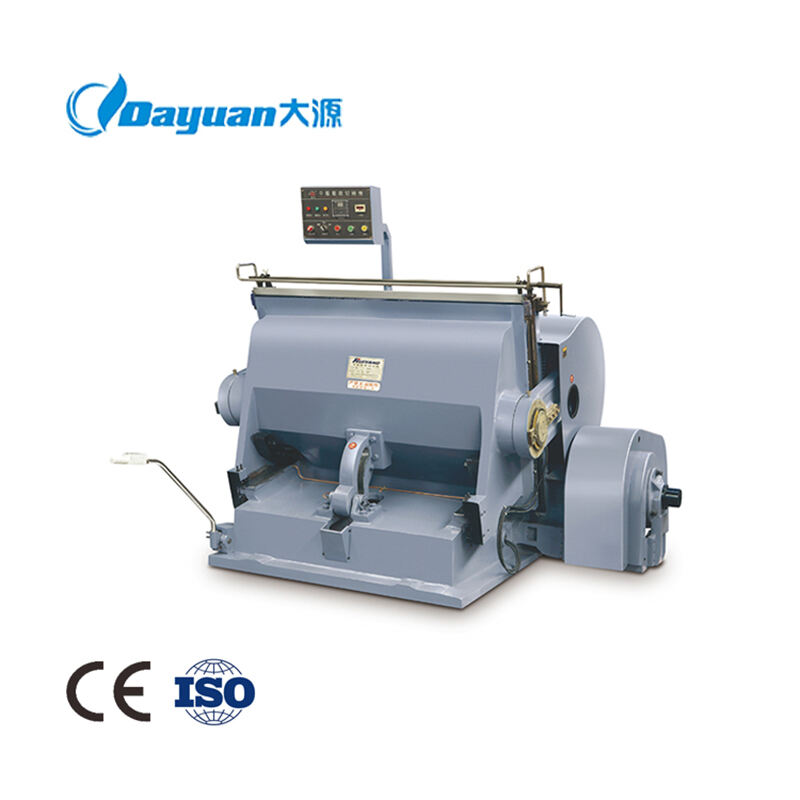
Selecting the right paper die cutting machine for different packaging applications requires understanding the fundamental differences between folding carton and corrugated board production requirements. The choice between these substrate types directly impacts machine specifications, cutting force requirements, feeding mechanisms, and overall operational efficiency. A paper die cutting machine optimized for thin folding cartons may struggle with thicker corrugated materials, while equipment designed for heavy-duty corrugated processing might be overkill for delicate paperboard applications.
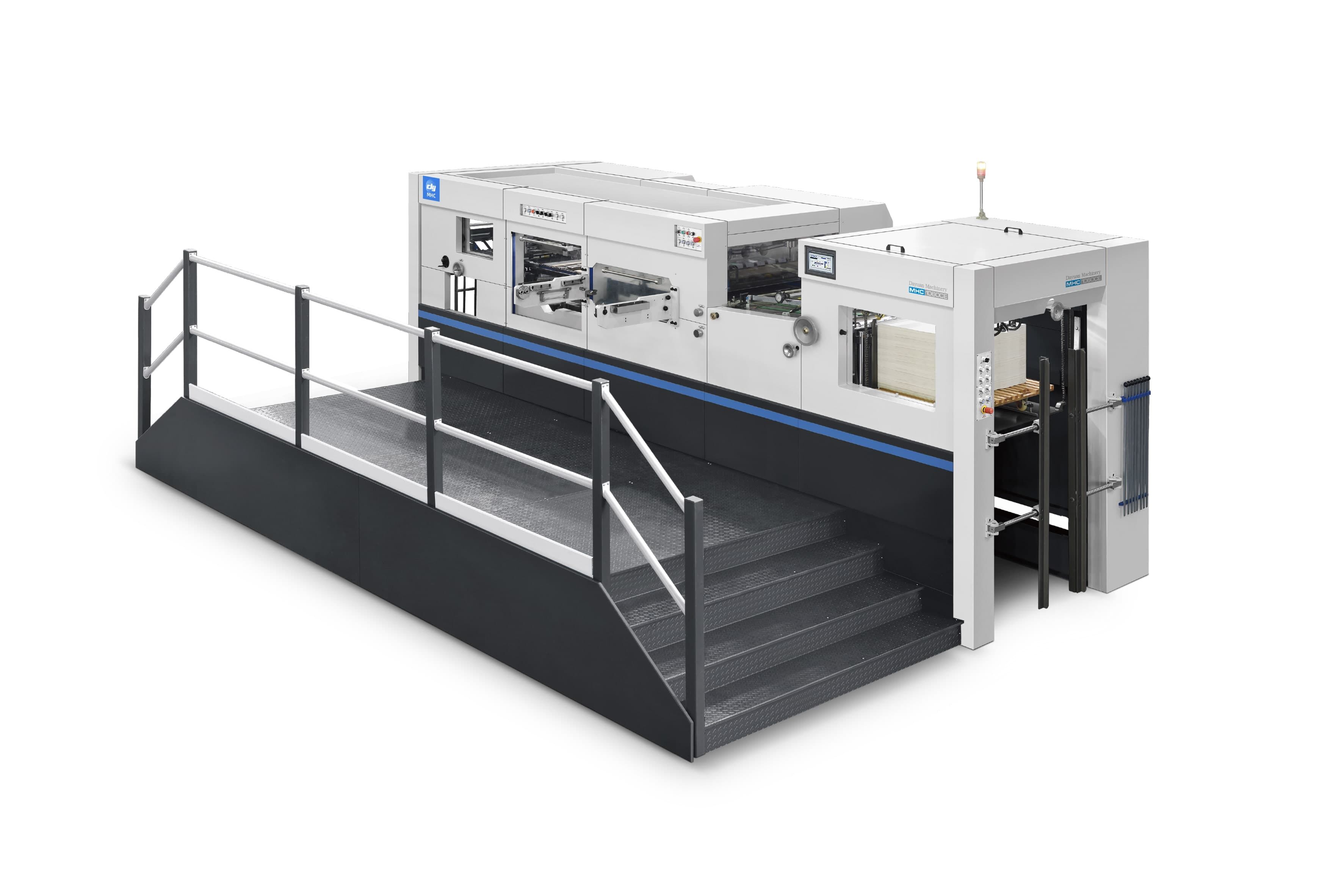
The decision process involves evaluating material thickness capabilities, cutting pressure specifications, feeding system compatibility, and production volume requirements. Modern packaging manufacturers often need versatility to handle both substrate types efficiently, making machine selection a critical strategic decision. Understanding these material-specific requirements ensures optimal equipment investment, consistent production quality, and long-term operational success in competitive packaging markets.
Material Characteristics That Drive Machine Selection
Folding Carton Material Properties and Processing Needs
Folding cartons typically utilize paperboard ranging from 200 to 800 GSM thickness, requiring precise cutting without fiber damage or edge delamination. The paper die cutting machine for folding carton applications must deliver clean, sharp cuts through multiple layers while maintaining tight dimensional tolerances. These materials demand controlled cutting pressure to prevent crushing or marking the printable surface, particularly important for high-end cosmetic or pharmaceutical packaging.
The smooth surface finish of folding carton stock requires specialized feeding systems that prevent slippage during cutting operations. Paper die cutting machine configurations for folding cartons often incorporate vacuum feeding tables and precision gripper systems to ensure consistent material positioning. The relatively thin profile of these materials allows for higher cutting speeds and more intricate die patterns compared to corrugated alternatives.
Quality control considerations for folding carton production include edge smoothness, dimensional accuracy, and surface integrity preservation. The paper die cutting machine must maintain consistent pressure distribution across the cutting area to prevent variations in cut quality that could affect downstream folding and gluing operations.
Corrugated Board Characteristics and Processing Challenges
Corrugated board presents significantly different challenges for paper die cutting machine operations due to its multi-layer construction and varying thickness profiles. Single face corrugated typically measures 3-4mm thick, while double wall configurations can exceed 6-7mm, requiring substantially higher cutting forces and modified die designs. The fluted structure creates air pockets that can cause compression and rebound during cutting cycles.
The paper die cutting machine selected for corrugated applications must accommodate the material's tendency to compress under pressure while ensuring complete penetration through all layers. Edge quality becomes critical as exposed corrugated edges can delaminate or fray if cutting parameters are not properly optimized. Higher cutting pressures and slower processing speeds are typically required compared to folding carton operations.
Corrugated board handling requires robust feeding mechanisms capable of managing the material's rigidity and potential warpage. The paper die cutting machine must incorporate features like adjustable pressure settings and reinforced cutting platens to handle the increased mechanical stress of corrugated processing.
Technical Specifications and Performance Requirements
Cutting Force and Pressure Considerations
The cutting force requirements between folding cartons and corrugated board applications can differ by factors of three to five times, making this specification critical in paper die cutting machine selection. Folding carton processing typically requires 50-150 tons of cutting pressure, while corrugated applications may demand 200-400 tons depending on board thickness and die complexity. Understanding these force requirements prevents equipment overload and ensures consistent cut quality.
Pressure distribution uniformity becomes increasingly important with larger format cutting operations. A paper die cutting machine with inadequate pressure capacity may produce incomplete cuts or require multiple passes, significantly reducing production efficiency. Variable pressure control systems allow operators to optimize cutting parameters for different material combinations within the same production run.
The relationship between cutting speed and pressure must be carefully balanced in paper die cutting machine operations. Higher pressures typically require slower cutting cycles to allow proper material penetration and stress relief, particularly important when processing thick corrugated substrates that may rebound during cutting.
Die Design and Tooling Compatibility
Die construction requirements vary significantly between folding carton and corrugated applications, influencing paper die cutting machine compatibility and tooling costs. Folding carton dies typically utilize thinner steel rule heights and more intricate cutting patterns, while corrugated dies require heavier construction with reinforced cutting edges and wider nicking patterns to handle the increased cutting forces.
The paper die cutting machine platform must accommodate different die mounting systems and provide appropriate support for varying die weights and sizes. Folding carton dies are generally lighter and allow for quicker changeovers, while corrugated dies may require mechanical assistance for safe handling and positioning.
Creasing and scoring capabilities represent another critical consideration in paper die cutting machine selection. Corrugated applications often require deeper creasing and more robust scoring tools compared to folding carton work, necessitating machines with enhanced creasing pressure capabilities and tool clearance adjustments.
Production Volume and Efficiency Factors
Speed and Throughput Optimization
Production speed capabilities differ substantially between folding carton and corrugated processing on the same paper die cutting machine platform. Folding carton production can typically achieve 6000-8000 sheets per hour on modern equipment, while corrugated processing may be limited to 3000-5000 sheets hourly due to increased cutting time and material handling requirements.
The paper die cutting machine selection must align with expected production volumes and delivery schedules for both substrate types. Manufacturers processing primarily folding cartons may prioritize speed and precision features, while those focused on corrugated applications might emphasize cutting force and material handling capabilities over maximum throughput.
Changeover time between different substrate types becomes a critical efficiency factor when processing mixed product runs. Paper die cutting machine designs that facilitate rapid die changes and pressure adjustments can significantly improve overall equipment effectiveness across diverse packaging applications.
Quality Control and Waste Reduction
Quality control requirements vary between folding carton and corrugated applications, influencing paper die cutting machine feature requirements and monitoring systems. Folding carton production demands extremely tight tolerances and surface quality preservation, while corrugated processing focuses more on structural integrity and edge quality consistency.
Waste reduction strategies must account for material costs and scrap value differences between substrate types. Folding carton materials typically have higher per-unit costs but better scrap recyclability, while corrugated waste may have lower individual value but higher volume generation. The paper die cutting machine should incorporate features that minimize setup waste and optimize material utilization for both substrate categories.
Automated quality monitoring systems can help maintain consistent output regardless of substrate type. Paper die cutting machine configurations with integrated inspection capabilities provide real-time feedback on cut quality and dimensional accuracy, enabling immediate corrections and waste reduction.
Economic Considerations and Investment Planning
Initial Equipment Investment Analysis
The capital investment required for paper die cutting machine acquisition varies significantly based on the intended substrate focus and required capabilities. Machines optimized for folding carton applications may cost 20-30% less than equivalent corrugated-capable equipment due to reduced structural requirements and simpler feeding systems. However, dedicated folding carton machines may lack the flexibility to handle future corrugated opportunities.
Multi-substrate capability in a paper die cutting machine typically requires premium investment but provides strategic flexibility for changing market demands. The cost differential must be evaluated against potential revenue opportunities from expanded service offerings and reduced risk from market segment concentration.
Financing and depreciation considerations should account for equipment utilization rates across different substrate types. A paper die cutting machine that operates efficiently on both folding carton and corrugated materials may justify higher initial investment through improved asset utilization and revenue generation potential.
Operating Cost Implications
Operating costs per processed sheet vary considerably between folding carton and corrugated applications on the same paper die cutting machine platform. Energy consumption increases significantly with corrugated processing due to higher cutting forces and longer cycle times, while tooling wear rates accelerate under the increased mechanical stress of thick substrate processing.
Maintenance requirements and intervals differ substantially between substrate applications, affecting the total cost of ownership calculations for paper die cutting machine investments. Corrugated processing typically requires more frequent cutting blade replacement and enhanced lubrication schedules compared to folding carton operations.
Labor efficiency considerations must account for skill requirements and training needs for different substrate types. Paper die cutting machine operators working with both folding carton and corrugated materials require broader technical knowledge and may command higher wage rates, impacting ongoing operational costs.
FAQ
Can the same paper die cutting machine handle both folding cartons and corrugated board efficiently?
Yes, many modern paper die cutting machine designs can handle both substrate types, but with some performance trade-offs. Machines with variable pressure control, adjustable feeding systems, and robust construction can process both folding cartons and corrugated board effectively. However, optimal efficiency typically requires selecting equipment specifications that favor your primary substrate type while maintaining acceptable capability for secondary applications.
What cutting force specifications should I look for when processing both substrate types?
For versatile paper die cutting machine applications, look for equipment capable of 250-300 tons cutting force minimum. This provides adequate capacity for most corrugated applications while offering excellent precision control for folding carton work. Variable pressure control is essential, allowing operators to optimize cutting parameters from 50 tons for thin folding cartons up to maximum capacity for thick corrugated materials.
How do die costs compare between folding carton and corrugated applications?
Corrugated dies typically cost 40-60% more than equivalent folding carton tooling due to heavier steel rule construction, reinforced mounting systems, and more robust cutting edge design. However, corrugated dies often demonstrate longer service life when properly maintained, potentially offsetting the higher initial investment through extended production runs and reduced replacement frequency.
What feeding system features are most important for dual-substrate capability?
Look for paper die cutting machine configurations with adjustable vacuum feeding systems, variable grip pressure controls, and adaptable side guide systems. These features enable smooth material handling across the thickness range from thin folding cartons to thick corrugated board. Pneumatic pressure adjustment capabilities allow quick optimization between substrate types without extensive manual setup changes.
Table of Contents
- Material Characteristics That Drive Machine Selection
- Technical Specifications and Performance Requirements
- Production Volume and Efficiency Factors
- Economic Considerations and Investment Planning
-
FAQ
- Can the same paper die cutting machine handle both folding cartons and corrugated board efficiently?
- What cutting force specifications should I look for when processing both substrate types?
- How do die costs compare between folding carton and corrugated applications?
- What feeding system features are most important for dual-substrate capability?