 EN
EN

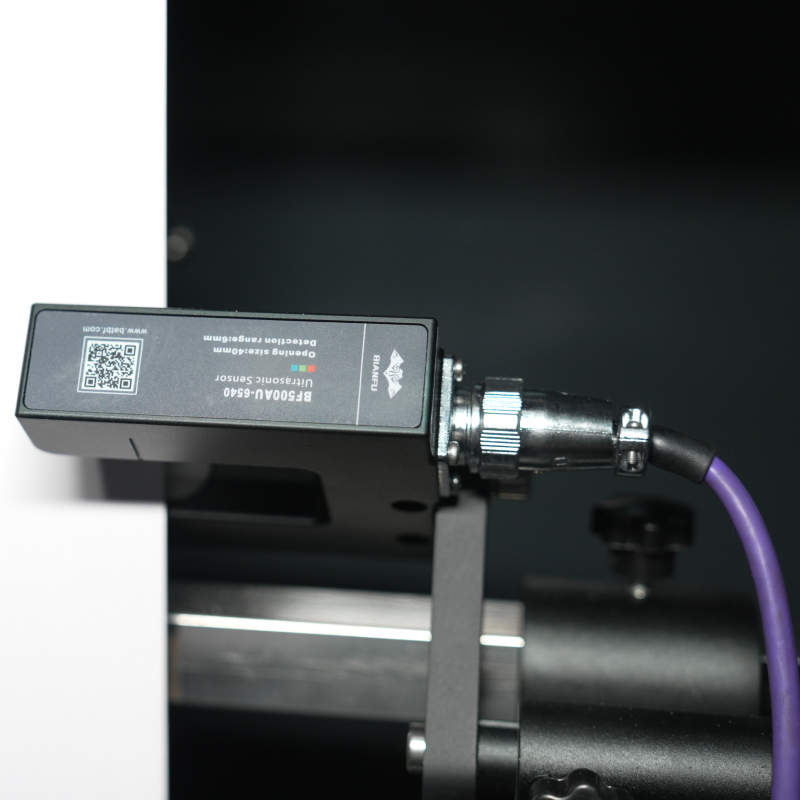
Maintaining optimal performance in your paper die cutting machine requires systematic attention to the creasing and cutting tools that form the heart of your production operation. These precision components endure tremendous stress during high-volume manufacturing runs, making regular maintenance essential for consistent output quality, operational efficiency, and equipment longevity. Understanding the specific maintenance requirements for your paper die cutting machine ensures that creasing accuracy and cutting precision remain at peak levels throughout extended production cycles.
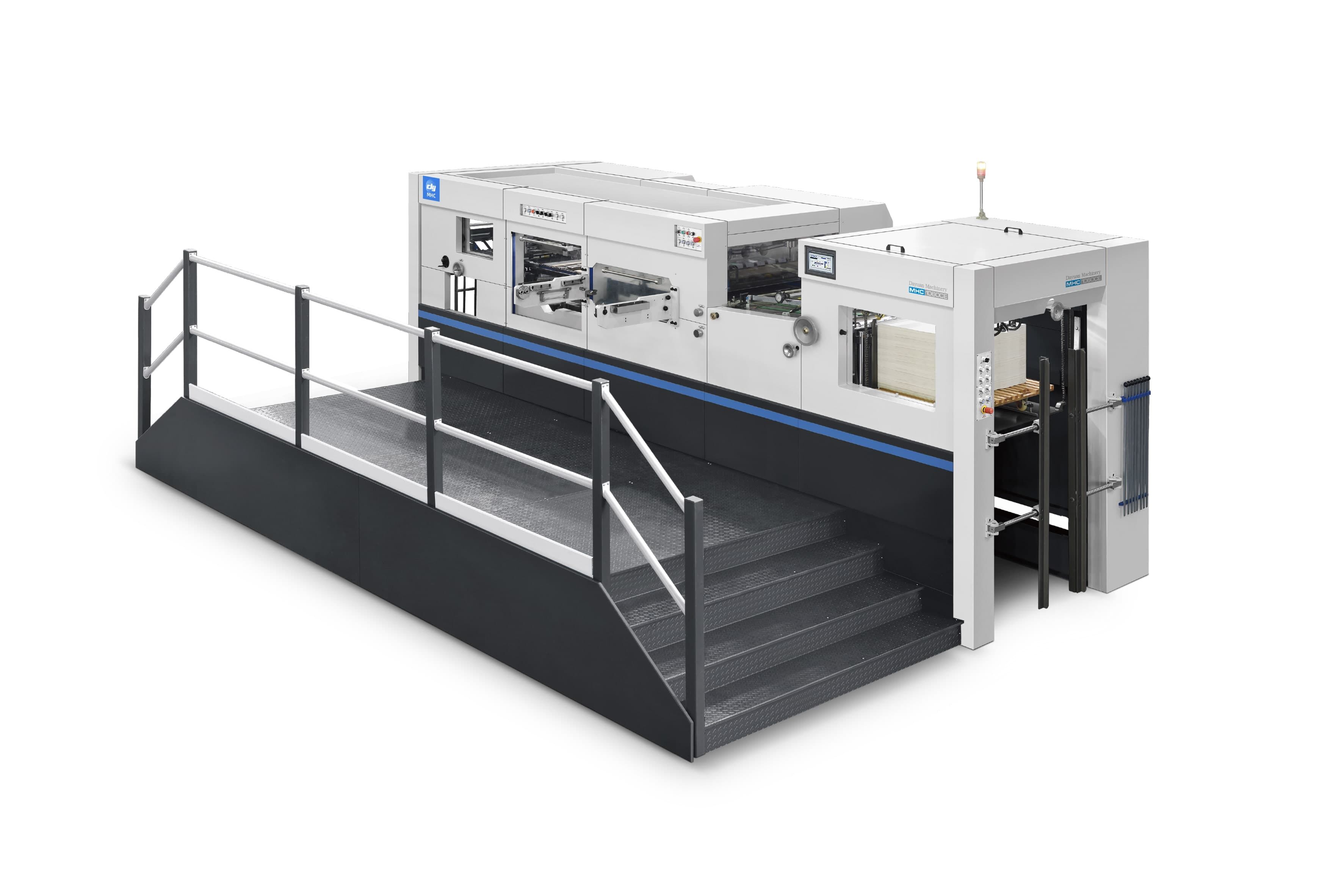
The maintenance protocols that keep your paper die cutting machine operating at maximum efficiency involve multiple interconnected systems working in harmony. Proper tool care directly impacts product quality, reduces unexpected downtime, and extends the operational lifespan of expensive cutting dies and creasing tools. Manufacturing environments that implement comprehensive maintenance schedules typically experience significantly lower operational costs and achieve superior consistency in their finished products compared to facilities that rely on reactive maintenance approaches.
Understanding Critical Tool Components That Require Regular Attention
Cutting Die Maintenance Requirements
The cutting dies in your paper die cutting machine represent the most critical components requiring systematic maintenance attention. These steel rule cutting tools experience constant pressure and friction during operation, leading to gradual wear that affects cutting precision and edge quality. Regular inspection of cutting die sharpness ensures that your paper die cutting machine maintains clean, precise cuts without tearing or fraying the substrate material. Sharp cutting dies also reduce the mechanical stress on your equipment's drive systems and hydraulic components.
Proper cleaning of cutting dies involves removing accumulated paper fibers, adhesive residues, and dust particles that can interfere with cutting accuracy. Using appropriate cleaning solvents and soft-bristled brushes prevents damage to the cutting edges while ensuring optimal performance. The frequency of cutting die cleaning depends on your production volume, substrate types, and environmental conditions, but most high-volume operations benefit from daily cleaning protocols to maintain peak performance in their paper die cutting machine operations.
Creasing Tool Care and Adjustment Procedures
Creasing tools require different maintenance approaches compared to cutting dies because they create scored lines rather than complete cuts through the substrate. The creasing channels and scoring wheels in your paper die cutting machine must maintain precise alignment and appropriate pressure settings to achieve consistent fold lines across all produced items. Misaligned creasing tools can cause uneven fold lines, substrate cracking, or incomplete scoring that compromises the structural integrity of finished products.
Regular calibration of creasing tool pressure ensures optimal scoring depth without damaging the substrate material. This calibration process involves adjusting the pressure settings based on substrate thickness, grain direction, and desired crease characteristics. Your paper die cutting machine likely includes multiple creasing tool positions, each requiring individual attention during maintenance cycles to ensure uniform performance across the entire production area.
Support System Maintenance for Tool Longevity
The support systems that position and operate your cutting and creasing tools require regular maintenance to ensure proper tool performance. Hydraulic cylinders, pneumatic actuators, and mechanical linkages must operate smoothly and precisely to maintain consistent tool pressure and positioning throughout production runs. Any deviation in these support systems can cause premature tool wear, inconsistent product quality, and increased maintenance requirements for your paper die cutting machine.
Lubrication of moving components plays a crucial role in maintaining tool positioning accuracy and extending component life. The lubrication schedule for your paper die cutting machine should address all bearing surfaces, slide ways, and pivot points that affect tool operation. Using manufacturer-specified lubricants and following recommended application intervals prevents premature wear and ensures smooth operation under demanding production conditions.
Implementing Systematic Cleaning and Inspection Protocols
Daily Cleaning Procedures for Optimal Performance
Establishing daily cleaning protocols for your paper die cutting machine prevents the accumulation of debris that can interfere with tool performance and product quality. These daily procedures should include removal of paper dust, adhesive residues, and foreign particles from all tool surfaces and adjacent work areas. Compressed air systems provide effective cleaning for hard-to-reach areas, while specialized cleaning solutions address stubborn adhesive buildups that can affect cutting precision.
The cleaning sequence should begin with cutting tools and progress to creasing tools, ensuring that debris removed from one area does not contaminate previously cleaned components. Documenting the daily cleaning process helps identify patterns in debris accumulation and potential sources of contamination that might affect your paper die cutting machine performance. This documentation also provides valuable information for optimizing cleaning procedures and identifying opportunities for process improvements.
Weekly Inspection Schedules for Preventive Maintenance
Weekly inspection schedules provide opportunities to identify wear patterns, alignment issues, and potential problems before they affect production quality or cause equipment damage. These inspections should include detailed examination of cutting edge sharpness, creasing tool alignment, and support system condition. Using standardized inspection checklists ensures consistent evaluation of all critical components in your paper die cutting machine and provides documentation for maintenance planning purposes.
Measuring tools such as micrometers, dial indicators, and optical comparators enable precise assessment of tool condition and wear patterns during weekly inspections. These measurements provide objective data for determining when tool replacement or reconditioning becomes necessary. Tracking wear patterns over time helps optimize tool replacement schedules and identify opportunities for improving tool life through modified operating procedures or enhanced maintenance protocols for your paper die cutting machine.
Monthly Comprehensive Tool Assessment
Monthly comprehensive assessments involve detailed evaluation of all cutting and creasing tools, including removal and inspection of components that are not accessible during daily or weekly maintenance cycles. These assessments provide opportunities to perform precision adjustments, replace worn components, and address any accumulated maintenance issues that might affect long-term performance. The monthly assessment schedule allows for planned maintenance activities that minimize production disruption while ensuring optimal tool condition.
During monthly assessments, specialized measuring equipment and inspection techniques can reveal subtle changes in tool geometry or alignment that might not be apparent during routine inspections. This detailed evaluation process helps optimize the performance of your paper die cutting machine and extends tool life through early identification of potential problems. Documentation from monthly assessments provides valuable data for long-term maintenance planning and tool replacement scheduling.
Calibration and Adjustment Procedures for Peak Performance
Pressure Setting Optimization Techniques
Proper pressure settings represent one of the most critical factors affecting the performance and longevity of tools in your paper die cutting machine. Excessive pressure accelerates tool wear and can damage substrates, while insufficient pressure results in incomplete cuts and inconsistent creasing. Establishing optimal pressure settings requires systematic testing with different substrate types and thicknesses to determine the minimum pressure required for acceptable results across your typical production range.
The pressure optimization process should include documentation of optimal settings for different substrate combinations and product specifications. This documentation enables operators to quickly configure your paper die cutting machine for different production runs while maintaining consistent quality standards. Regular verification of pressure settings ensures that gradual changes in system performance or tool condition do not compromise product quality without operator awareness.
Tool Alignment and Positioning Adjustments
Maintaining precise tool alignment ensures uniform cutting and creasing across the entire work area of your paper die cutting machine. Misalignment can cause uneven wear patterns, inconsistent product quality, and premature tool failure. The alignment process involves careful adjustment of tool positioning relative to the substrate feed system and work surface, ensuring that cutting forces are distributed evenly across all cutting edges.
Sophisticated paper die cutting machine systems include multiple adjustment mechanisms for fine-tuning tool position in multiple axes. Understanding these adjustment capabilities and their effects on tool performance enables operators to optimize cutting and creasing quality while minimizing tool wear. Regular alignment verification using precision measuring tools ensures that your paper die cutting machine maintains optimal tool positioning throughout extended production runs.
Timing and Sequence Calibration
The timing and sequence of tool operations significantly affect both product quality and tool longevity in your paper die cutting machine. Proper timing ensures that cutting and creasing operations occur at the optimal points in the substrate feeding cycle, reducing impact forces and minimizing tool stress. Calibrating these timing parameters requires understanding of the mechanical relationships between substrate movement, tool positioning, and operational cycles.
Advanced paper die cutting machine systems provide electronic controls for precise timing adjustment, enabling operators to optimize performance for different substrate types and production speeds. Regular calibration of timing parameters ensures that your equipment operates efficiently while minimizing tool wear and maintaining consistent product quality. Documentation of optimal timing settings for different production scenarios enables quick setup changes and consistent performance across multiple operators.
Tool Replacement and Reconditioning Strategies
Recognizing Tool Replacement Indicators
Identifying the optimal timing for tool replacement in your paper die cutting machine requires understanding of the subtle indicators that signal declining tool performance. Visual inspection reveals obvious signs such as chipped cutting edges, worn creasing channels, and damaged tool surfaces, but more subtle indicators often provide earlier warning of declining performance. Changes in cutting quality, increased cutting forces, and substrate handling difficulties can indicate tool wear before visual damage becomes apparent.
Establishing objective criteria for tool replacement decisions helps maintain consistent quality standards while optimizing tool utilization. Measurement-based criteria such as edge sharpness specifications, dimensional tolerances, and surface finish requirements provide clear guidelines for replacement timing. These criteria enable operators to make informed decisions about tool replacement without relying solely on subjective assessments that may vary between different individuals operating your paper die cutting machine.
Reconditioning Options for Extended Tool Life
Professional reconditioning services can restore worn cutting and creasing tools to like-new condition, often at a fraction of the cost of replacement tools. Reconditioning processes typically include resharpening cutting edges, restoring creasing channel profiles, and correcting dimensional variations that develop during normal use. Understanding the reconditioning capabilities available for your specific tool types helps optimize the total cost of ownership for your paper die cutting machine tooling.
The decision between reconditioning and replacement depends on factors such as tool wear severity, reconditioning costs, and production schedule requirements. Some tool types may be reconditioned multiple times before replacement becomes necessary, while others may have limited reconditioning potential due to their design or wear characteristics. Developing relationships with qualified reconditioning services ensures access to expertise and capabilities that can significantly extend tool life for your paper die cutting machine operations.
Tool Inventory Management for Continuous Operation
Maintaining appropriate tool inventories ensures that your paper die cutting machine can continue operating without interruption when tools require replacement or reconditioning. Inventory management strategies should consider tool lead times, wear rates, and production schedule requirements to prevent unexpected downtime due to tool unavailability. Tracking tool usage patterns and wear rates provides data for optimizing inventory levels and replacement scheduling.
Organizing tool storage systems to protect unused tools from damage and contamination extends their shelf life and ensures availability when needed. Environmental factors such as humidity, temperature, and exposure to corrosive substances can affect tool condition even during storage. Proper storage protocols for your paper die cutting machine tooling include climate control, protective packaging, and regular inspection of stored tools to ensure they remain in optimal condition when placed into service.
FAQ
How often should cutting dies be replaced in a high-volume paper die cutting machine operation?
Cutting die replacement frequency depends on production volume, substrate types, and maintenance quality, but typically ranges from 500,000 to 2,000,000 impressions for high-volume operations. Regular sharpening and proper maintenance can extend die life significantly, while abrasive substrates or inadequate cleaning may require more frequent replacement. Monitoring cut quality and implementing objective replacement criteria helps optimize die utilization while maintaining consistent product quality.
What are the most common signs that creasing tools need adjustment or replacement?
Common indicators include uneven fold lines, substrate cracking along creases, incomplete scoring, and visible wear in creasing channels. Changes in the force required to achieve proper creasing depth also signal potential tool problems. Regular measurement of creasing tool dimensions and systematic quality monitoring help identify these issues before they significantly impact production quality in your paper die cutting machine operations.
Can improper maintenance actually damage cutting and creasing tools beyond repair?
Yes, improper maintenance practices can cause irreversible damage including chipped cutting edges, distorted creasing channels, and compromised tool geometry. Using incorrect cleaning chemicals, excessive cleaning force, or improper storage conditions can accelerate tool degradation and void reconditioning possibilities. Following manufacturer-recommended maintenance procedures and using appropriate tools and techniques prevents avoidable damage to expensive paper die cutting machine tooling.
How do different paper types affect tool maintenance requirements?
Abrasive substrates like recycled papers or materials with mineral fillers accelerate tool wear and require more frequent inspection and replacement cycles. Coated papers may leave residues that affect cutting quality, while very thin or thick substrates can alter optimal pressure settings and tool alignment requirements. Understanding these substrate-specific effects enables optimization of maintenance schedules and operational parameters for your specific paper die cutting machine applications.
Table of Contents
- Understanding Critical Tool Components That Require Regular Attention
- Implementing Systematic Cleaning and Inspection Protocols
- Calibration and Adjustment Procedures for Peak Performance
- Tool Replacement and Reconditioning Strategies
-
FAQ
- How often should cutting dies be replaced in a high-volume paper die cutting machine operation?
- What are the most common signs that creasing tools need adjustment or replacement?
- Can improper maintenance actually damage cutting and creasing tools beyond repair?
- How do different paper types affect tool maintenance requirements?