flat bed die cutting machine price
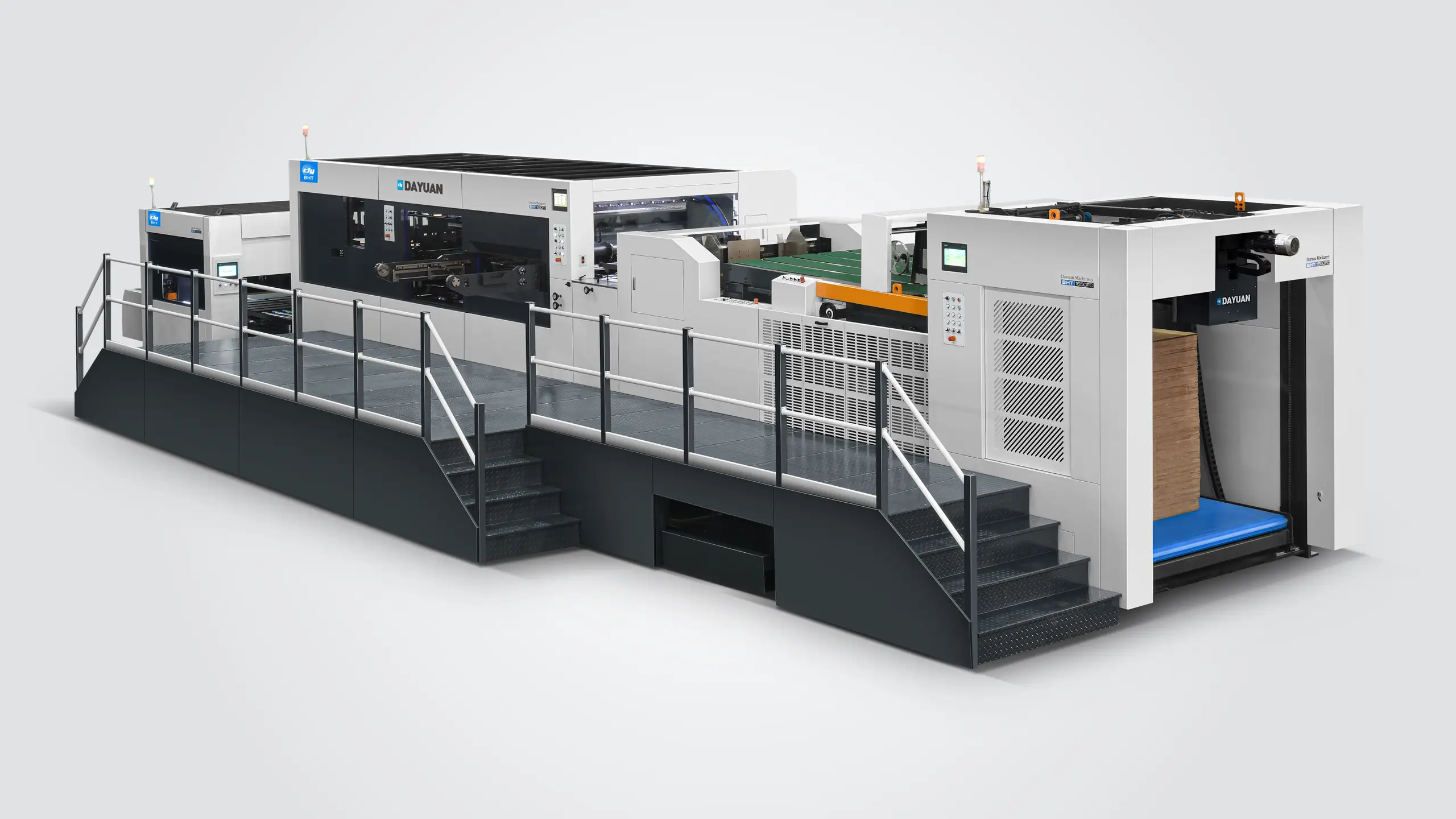
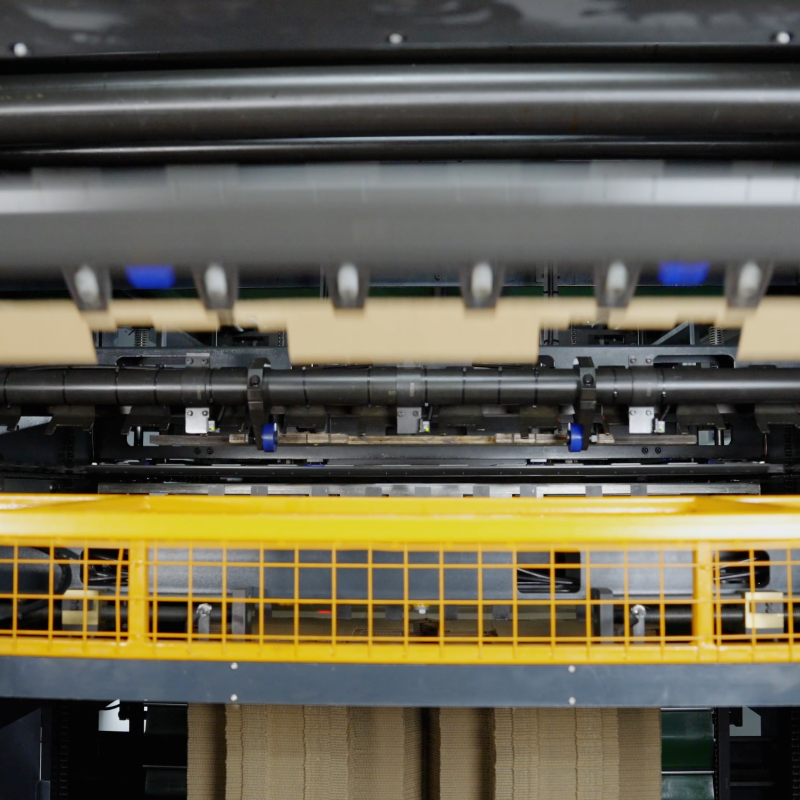
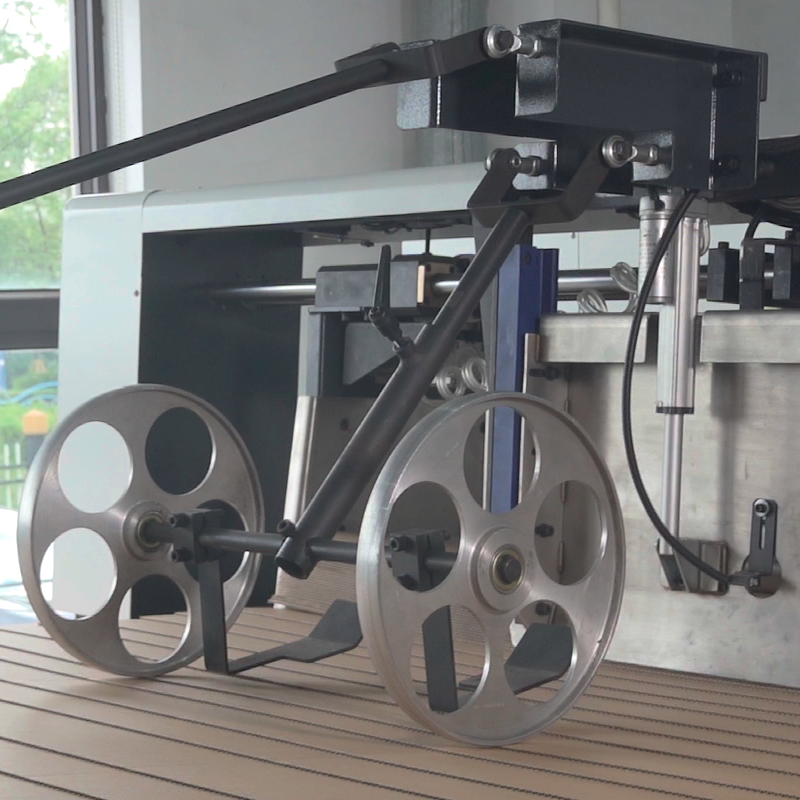
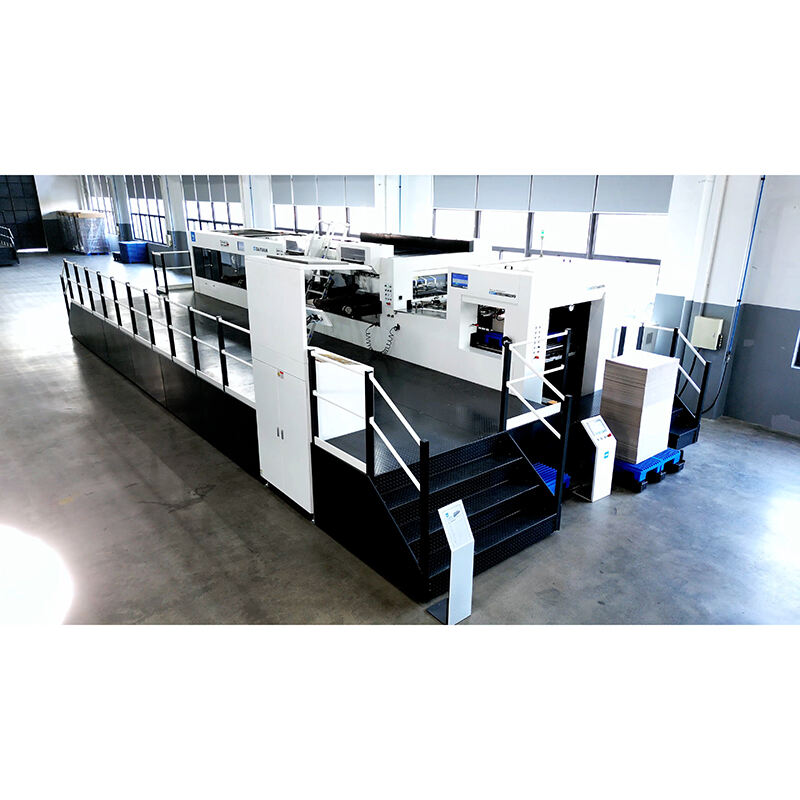
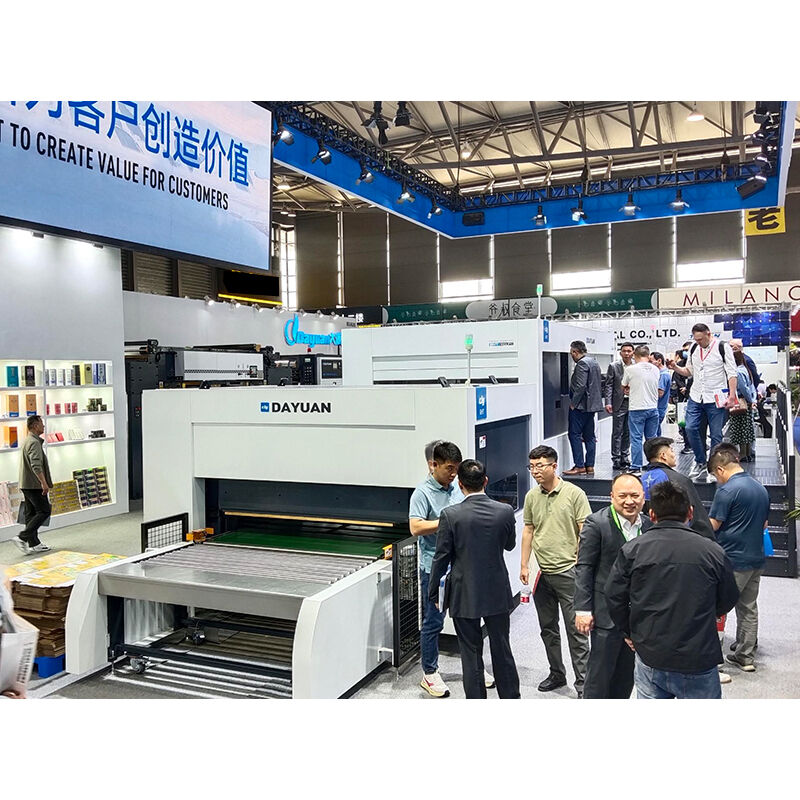
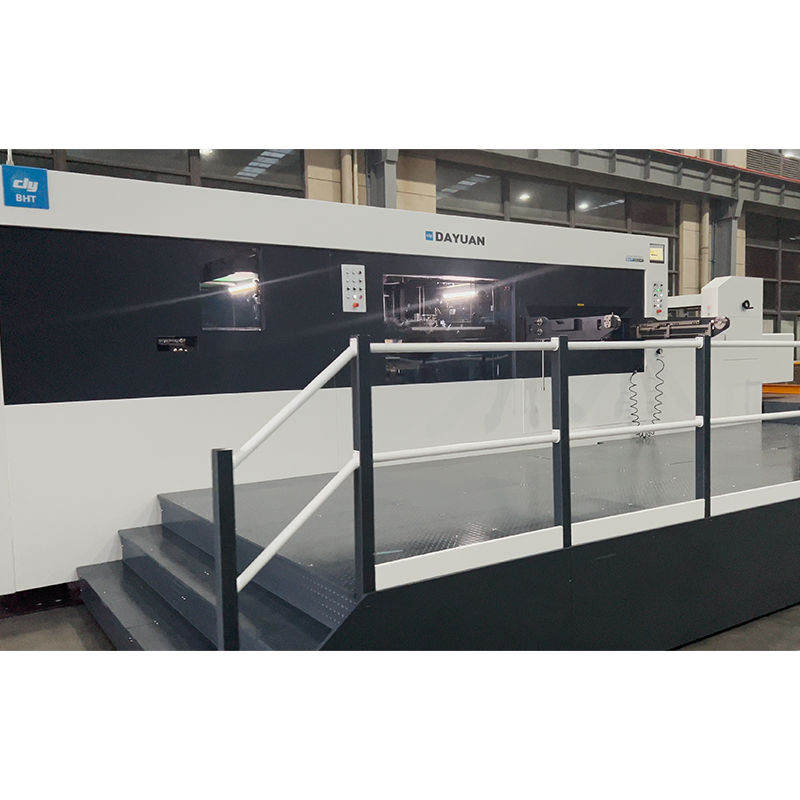
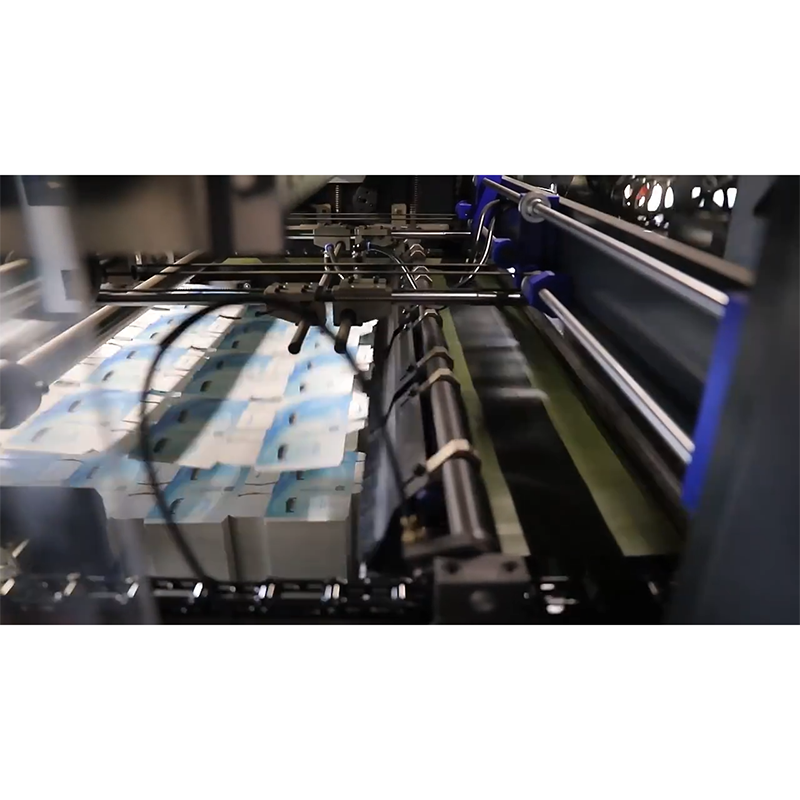
Understanding flat bed die cutting machine price requires examining the sophisticated equipment that transforms manufacturing processes across multiple industries. A flat bed die cutting machine represents precision engineering designed to cut, crease, and shape various materials with exceptional accuracy. The flat bed die cutting machine price reflects the investment in technology that delivers consistent results for packaging, printing, textiles, and manufacturing sectors. These machines operate through a flat platform where materials are positioned beneath a cutting die, which applies pressure to create precise cuts and creases. The flat bed die cutting machine price varies based on specifications including cutting force, bed size, automation level, and additional features. Main functions encompass cutting complex shapes, creating creases for folding, perforating, embossing, and kiss-cutting applications. Technological features include servo-driven systems for precise control, programmable logic controllers for automation, adjustable pressure settings, quick-change die systems, and integrated safety mechanisms. Advanced models incorporate computerized controls, automatic feeding systems, and waste removal capabilities. The flat bed die cutting machine price consideration must account for production volume requirements, material types, and desired precision levels. Applications span corrugated packaging production, label manufacturing, gasket cutting, foam processing, leather goods fabrication, and specialty printing projects. Material compatibility includes paperboard, cardboard, plastics, rubber, textiles, adhesive materials, and composite substrates. The flat bed die cutting machine price investment delivers value through reduced labor costs, minimized material waste, improved production speed, and enhanced product consistency. When evaluating flat bed die cutting machine price options, manufacturers consider build quality, warranty coverage, technical support availability, spare parts accessibility, and upgrade potential to ensure long-term operational efficiency and return on investment.
 EN
EN