Flat Bed Die Cutter: Precision Cutting Solutions for Packaging and Manufacturing Industries

+86-577-58918888
All Categories

flat bed die cutter

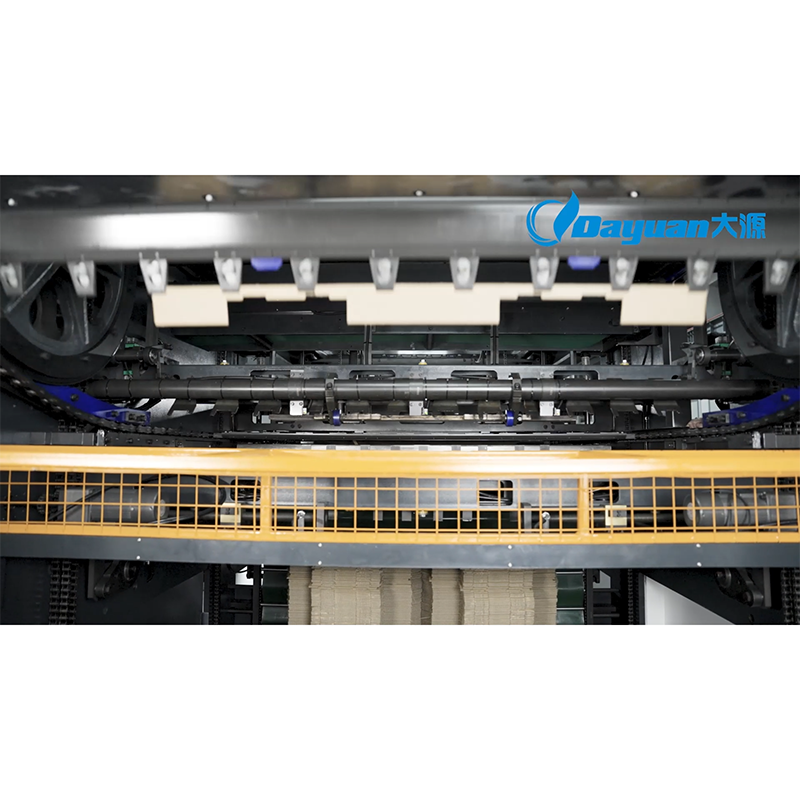
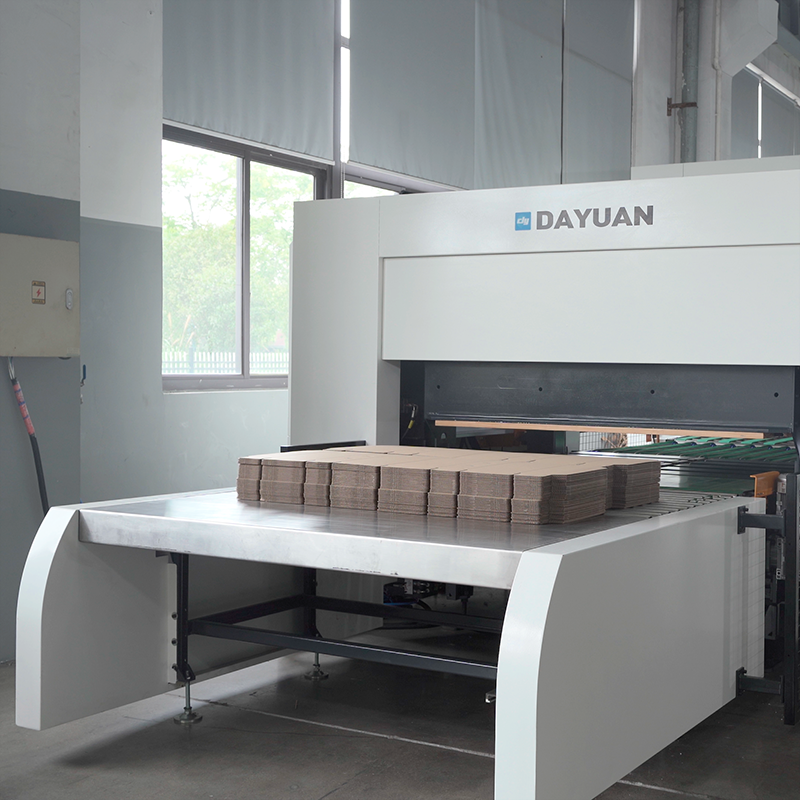
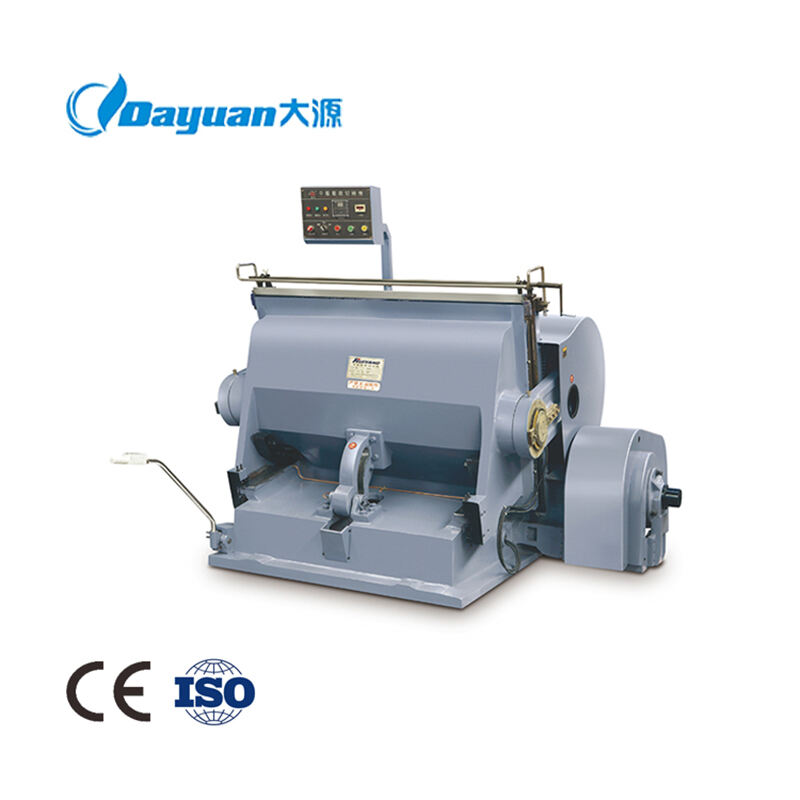
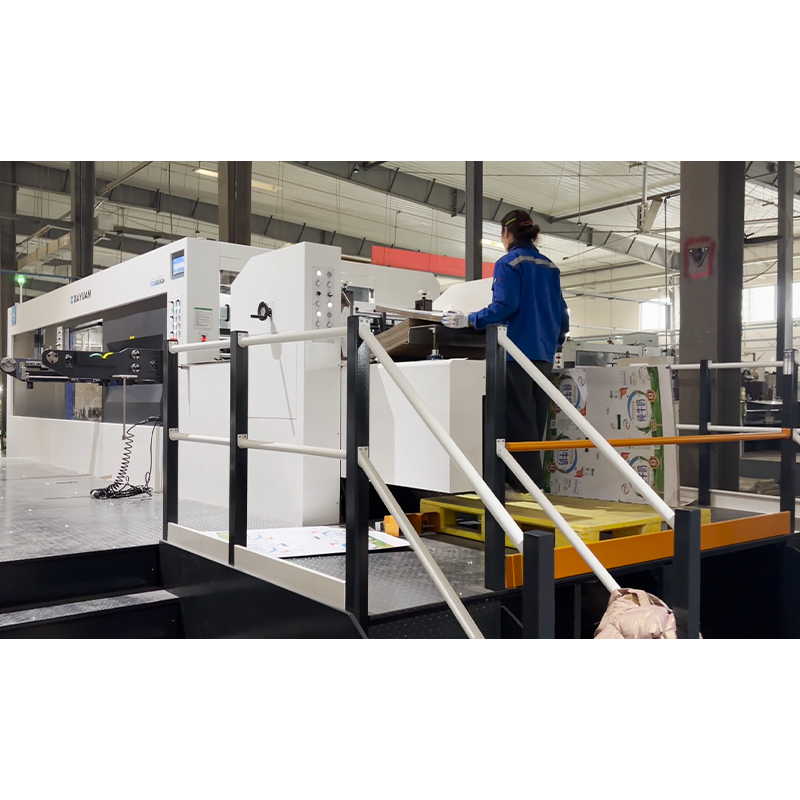
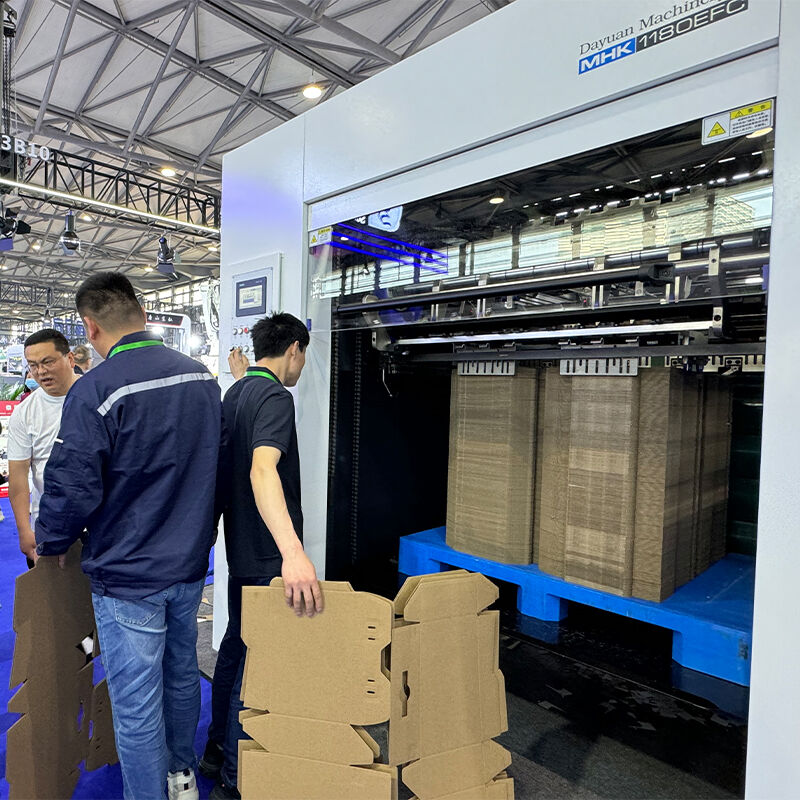
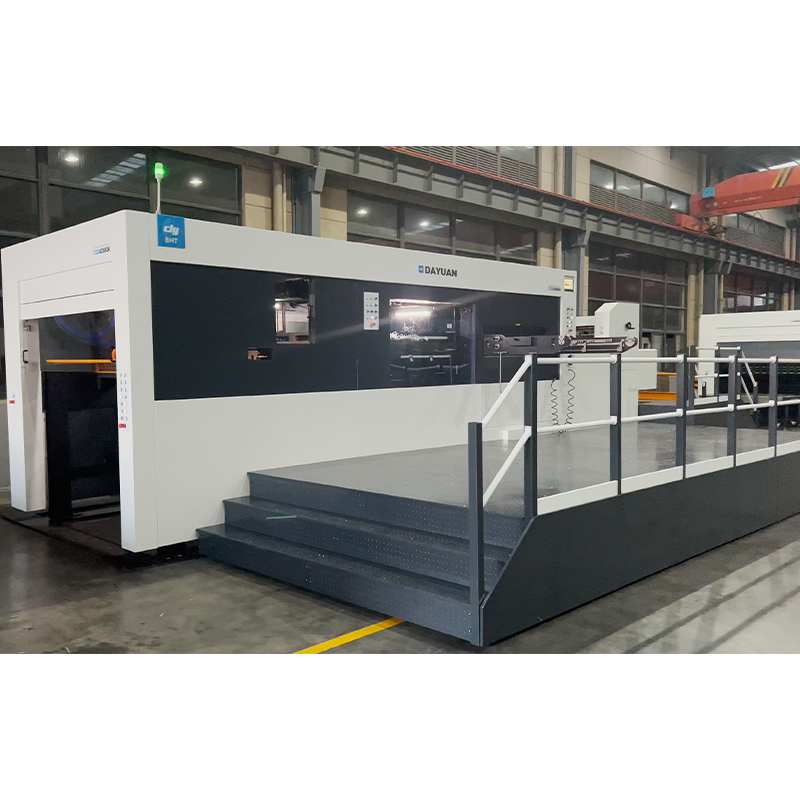
The flat bed die cutter represents a cornerstone technology in modern manufacturing and packaging industries, delivering precision cutting solutions for a diverse range of materials. This sophisticated machinery operates on a straightforward principle: a flat cutting surface accommodates materials while a die press descends to execute precise cuts, creases, and perforations. The flat bed die cutter excels in processing materials including cardboard, corrugated board, paperboard, foam, rubber, leather, textiles, and various plastics. Its main functions encompass cutting intricate shapes, creating fold lines through creasing, perforating for easy tearing, and embossing decorative patterns. The technological features of this equipment include hydraulic or pneumatic pressure systems that ensure consistent force distribution across the cutting die, adjustable stroke length to accommodate different material thicknesses, and programmable controls for repeatable accuracy. Modern flat bed die cutters incorporate safety mechanisms such as light curtains and emergency stop buttons to protect operators during production cycles. The application spectrum spans numerous industries: packaging companies utilize these machines to produce custom boxes and cartons, print shops create unique promotional materials and labels, automotive manufacturers cut gaskets and interior components, while fashion houses precision-cut fabric patterns and leather goods. The flat bed die cutter processing speed varies based on material complexity and thickness, typically ranging from 20 to 100 strokes per minute. Setup procedures involve mounting the cutting die onto the machine bed, positioning registration guides for material alignment, and calibrating pressure settings to match material specifications. This versatile equipment accommodates both short production runs for prototyping and long manufacturing cycles for mass production, making it an invaluable asset for businesses seeking flexibility in their operations while maintaining consistent quality standards throughout every production batch.

New Product Releases

Investing in a flat bed die cutter delivers tangible benefits that directly impact your production efficiency and bottom line profitability. The precision capabilities allow you to achieve clean, accurate cuts every single time, eliminating the waste associated with manual cutting methods or less sophisticated equipment. This consistency means fewer rejected pieces, reduced material costs, and improved customer satisfaction when delivering finished products. The versatility of the flat bed die cutter enables your business to handle multiple projects without purchasing separate machinery for different materials or applications. You can switch between cutting packaging materials in the morning and processing foam inserts in the afternoon, maximizing your equipment investment and floor space utilization. Production speed increases substantially compared to manual operations, allowing your team to complete orders faster and take on additional projects that boost revenue potential. The automation features reduce labor requirements, freeing your skilled workers to focus on quality control, machine setup, and other value-adding activities rather than repetitive cutting tasks. Operator safety improves significantly with modern safety systems that prevent accidents and reduce workplace injury risks, leading to lower insurance costs and maintaining workforce stability. The flat bed die cutter provides excellent repeatability, ensuring that the thousandth cut matches the first one precisely, which proves essential when producing components that must fit together perfectly or maintaining brand consistency across packaging materials. Setup time decreases as operators gain familiarity with the equipment, and quick-change die systems on advanced models allow rapid transitions between different jobs throughout the workday. The durability of commercial-grade flat bed die cutters means your investment continues delivering returns for many years with proper maintenance, avoiding the frequent replacement costs associated with lighter-duty alternatives. Energy efficiency in modern models keeps operational costs manageable while supporting your sustainability initiatives and corporate responsibility goals. The ability to handle thick materials and multiple layers simultaneously expands your service offerings, allowing you to pursue contracts that competitors with limited equipment cannot fulfill. Quality control becomes easier because the mechanical precision reduces variables that cause inconsistencies, simplifying inspection processes and reducing the time required to verify production batches meet specifications. The flat bed die cutter technology has matured over decades, meaning parts availability, service technician expertise, and operator training resources are readily accessible, ensuring minimal downtime and continuous productivity for your manufacturing operations.

Latest News

What Safety Features Should You Look for in Modern Paper Cutter Machines for Industrial Use?

18

Mar

What Safety Features Should You Look for in Modern Paper Cutter Machines for Industrial Use?

Industrial paper cutter machines represent a critical component in manufacturing, printing, and packaging operations worldwide. These sophisticated devices must balance precision, efficiency, and operator safety to meet the demanding requirements of ...
View More
How Does a 98,000㎡ Manufacturing Facility Ensure the Reliability of Paper Cutter Machines?

18

Mar

How Does a 98,000㎡ Manufacturing Facility Ensure the Reliability of Paper Cutter Machines?

Manufacturing excellence in the paper processing industry requires precise equipment and rigorous quality control measures. Large-scale production facilities spanning 98,000 square meters face unique challenges when ensuring the reliability of paper ...
View More
What Regular Maintenance Keeps Your Paper Die Cutting Machine’s Creasing and Cutting Tools in Top Shape?

02

Apr

What Regular Maintenance Keeps Your Paper Die Cutting Machine’s Creasing and Cutting Tools in Top Shape?

Maintaining optimal performance in your paper die cutting machine requires systematic attention to the creasing and cutting tools that form the heart of your production operation. These precision components endure tremendous stress during high-volume...
View More
How Do You Select the Right Paper Die Cutting Machine for Folding Cartons vs. Corrugated Board?

02

Apr

How Do You Select the Right Paper Die Cutting Machine for Folding Cartons vs. Corrugated Board?

Selecting the right paper die cutting machine for different packaging applications requires understanding the fundamental differences between folding carton and corrugated board production requirements. The choice between these substrate types direct...
View More

Get a Free Quote

Our representative will contact you soon.
Email
Name
Company Name
Required Product
Message
0/1000

flat bed die cutter

Exceptional Precision and Consistency for Quality Assurance

Exceptional Precision and Consistency for Quality Assurance

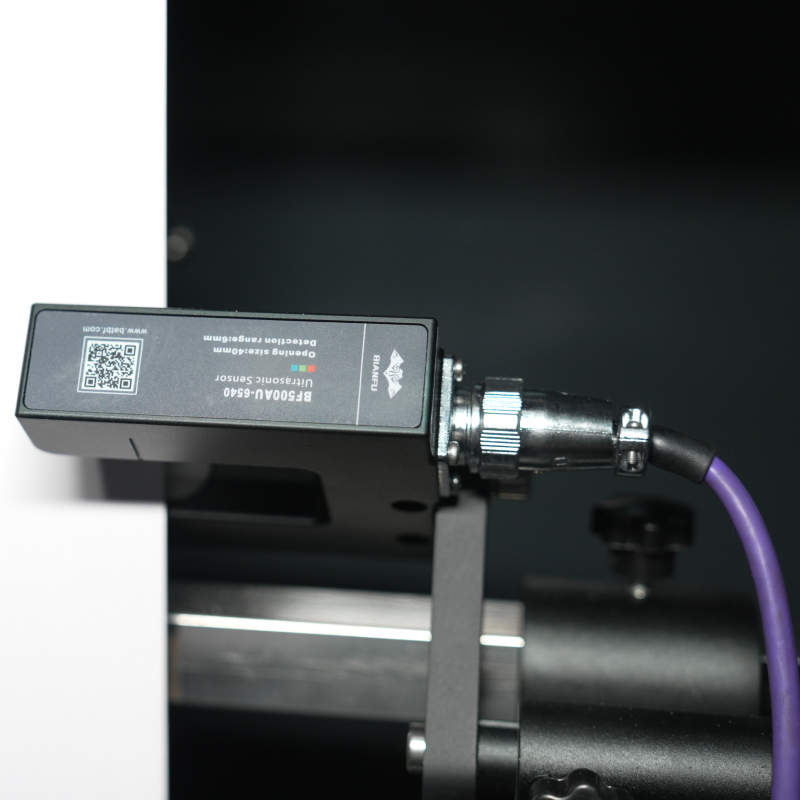
The flat bed die cutter delivers unmatched precision that transforms manufacturing quality control from a challenging task into a reliable process. Every cut, crease, and perforation occurs at exactly the specified location with tolerances measured in fractions of a millimeter, ensuring components fit together perfectly and finished products meet exact specifications. This precision stems from the rigid construction of the machine frame, which prevents flexing or vibration during operation, and the parallel alignment between the cutting die and machine bed that guarantees uniform pressure distribution across the entire cutting surface. When you process materials through a flat bed die cutter, the mechanical advantage of the press system generates consistent force regardless of operator strength or fatigue levels, eliminating the human variability that plagues manual cutting operations. The registration systems built into modern machines ensure materials position identically for every cycle, using mechanical stops, optical sensors, or pin registration methods that align materials before the cutting stroke begins. This consistency proves invaluable when producing packaging that must display graphics in precise locations, manufacturing gaskets where seal integrity depends on exact dimensions, or creating products where multiple components must align during assembly. The flat bed die cutter maintains this precision across entire production runs, whether you manufacture fifty pieces or fifty thousand, because the die remains securely mounted and the machine mechanics do not drift or wear significantly during normal operations. Quality assurance teams appreciate how this consistency reduces inspection requirements, as statistical sampling demonstrates the stability of the cutting process and builds confidence that specifications are met throughout production batches. The precision capabilities extend beyond simple outline cutting to include intricate internal cutouts, complex geometric shapes, and detailed patterns that would challenge even skilled craftspeople using hand tools. Material characteristics such as grain direction, density variations, or moisture content that might affect manual cutting operations have minimal impact on flat bed die cutter results because the mechanical force overpowers these inconsistencies. This reliability allows production planning teams to commit to tight delivery schedules with confidence, knowing the flat bed die cutter will produce acceptable parts without extensive rework or scrap losses that disrupt timelines and inflate costs for your business operations.
Versatile Material Processing Capabilities for Diverse Applications

Versatile Material Processing Capabilities for Diverse Applications

The remarkable versatility of the flat bed die cutter positions it as a central production asset capable of handling an extraordinary range of materials and applications that would otherwise require multiple specialized machines. This adaptability stems from adjustable pressure settings that allow operators to configure cutting force based on material resistance, accommodating everything from delicate tissue paper requiring minimal pressure to dense rubber compounds demanding substantial force for clean cuts. The flat bed die cutter processes materials in various thicknesses, from single sheets measuring fractions of a millimeter to stacked layers exceeding several centimeters, with stroke adjustments and die height configurations ensuring optimal cutting geometry regardless of material depth. Businesses benefit from this flexibility by accepting diverse customer orders without turning away projects due to equipment limitations, expanding market reach and revenue opportunities across multiple industries and application categories. Packaging operations utilize the flat bed die cutter for creating folding cartons, display boxes, protective inserts, and specialty packaging shapes that differentiate products on retail shelves and enhance brand perception. Printing companies leverage this equipment to finish labels, produce promotional materials with unique shapes, create greeting cards with intricate designs, and manufacture point-of-purchase displays that capture consumer attention. Industrial applications include gasket manufacturing where the flat bed die cutter cuts sealing components from rubber, cork, or composite materials to exact specifications that ensure proper function in automotive, aerospace, and machinery applications. Textile and fashion industries employ these machines to cut fabric patterns, process leather for bags and accessories, and create synthetic material components with edges that resist fraying and maintain dimensional stability. The die tooling flexibility allows you to create custom cutting dies for unique projects, modify existing dies to accommodate design changes, and maintain libraries of dies for recurring production jobs that return periodically throughout the year. Material handling capabilities include feeding sheet stock, processing roll materials with unwind systems, and handling pre-printed materials where registration accuracy ensures cuts align perfectly with printed graphics and text elements. The flat bed die cutter accommodates combination dies that perform multiple operations simultaneously, such as cutting the outline while creating fold lines and perforation patterns in a single press stroke, reducing handling steps and improving production efficiency throughout your manufacturing workflow.
Cost-Effective Production Through Efficiency and Longevity

Cost-Effective Production Through Efficiency and Longevity

The financial advantages of implementing a flat bed die cutter extend far beyond the initial purchase price, delivering ongoing cost savings and revenue enhancement opportunities that strengthen your competitive position in demanding markets. Production efficiency gains manifest immediately as the machine processes materials substantially faster than manual methods, with cycle times measured in seconds rather than minutes, allowing the same workforce to produce significantly higher volumes during standard work shifts. Labor cost reductions occur because one operator can supervise the flat bed die cutter while it executes cutting operations, compared to multiple workers required for hand-cutting equivalent production quantities, and the reduced physical demands mean workers remain productive throughout entire shifts without fatigue-related slowdowns or errors. Material utilization improves through precise cutting that minimizes scrap generation, optimized die layouts that nest multiple parts efficiently on material sheets, and consistent cuts that eliminate over-sized pieces cut with excessive safety margins to compensate for manual cutting variability. The flat bed die cutter reduces quality-related costs by eliminating defective parts that require rework or disposal, decreasing customer complaints about inconsistent products, and avoiding rush charges for replacement orders needed when manual processes produce unacceptable batches. Energy consumption remains reasonable despite the powerful hydraulic or pneumatic systems, as modern machines incorporate efficient components, idle-state power reduction features, and quick cycle times that minimize operating duration compared to slower alternative cutting methods. Maintenance requirements stay manageable with straightforward procedures that in-house staff can perform, including lubrication schedules, hydraulic fluid changes, and wear component replacement, avoiding expensive service contracts or specialized technicians for routine upkeep. The robust construction of industrial flat bed die cutters ensures decades of reliable operation when properly maintained, with many machines remaining productive for twenty or thirty years, spreading the capital investment across enormous production volumes that reduce per-unit equipment costs to negligible levels. Downtime minimization occurs through reliable mechanical systems, available replacement parts, and straightforward troubleshooting procedures that keep the flat bed die cutter operational and generating revenue rather than sitting idle awaiting repairs. Business growth opportunities emerge as the equipment capabilities allow you to pursue larger contracts, accept rush orders that command premium pricing, and develop new product lines that leverage your precision cutting capabilities to enter profitable market segments. The return on investment calculation becomes compelling when accounting for all these factors, with many operations recovering their flat bed die cutter purchase costs within months through efficiency gains, waste reduction, and expanded business opportunities that would remain inaccessible without this essential manufacturing capability in your production facility.

Get a Free Quote

Our representative will contact you soon.
Email
Name
Company Name
Required Product
Message
0/1000