Enhanced Productivity Through Automation
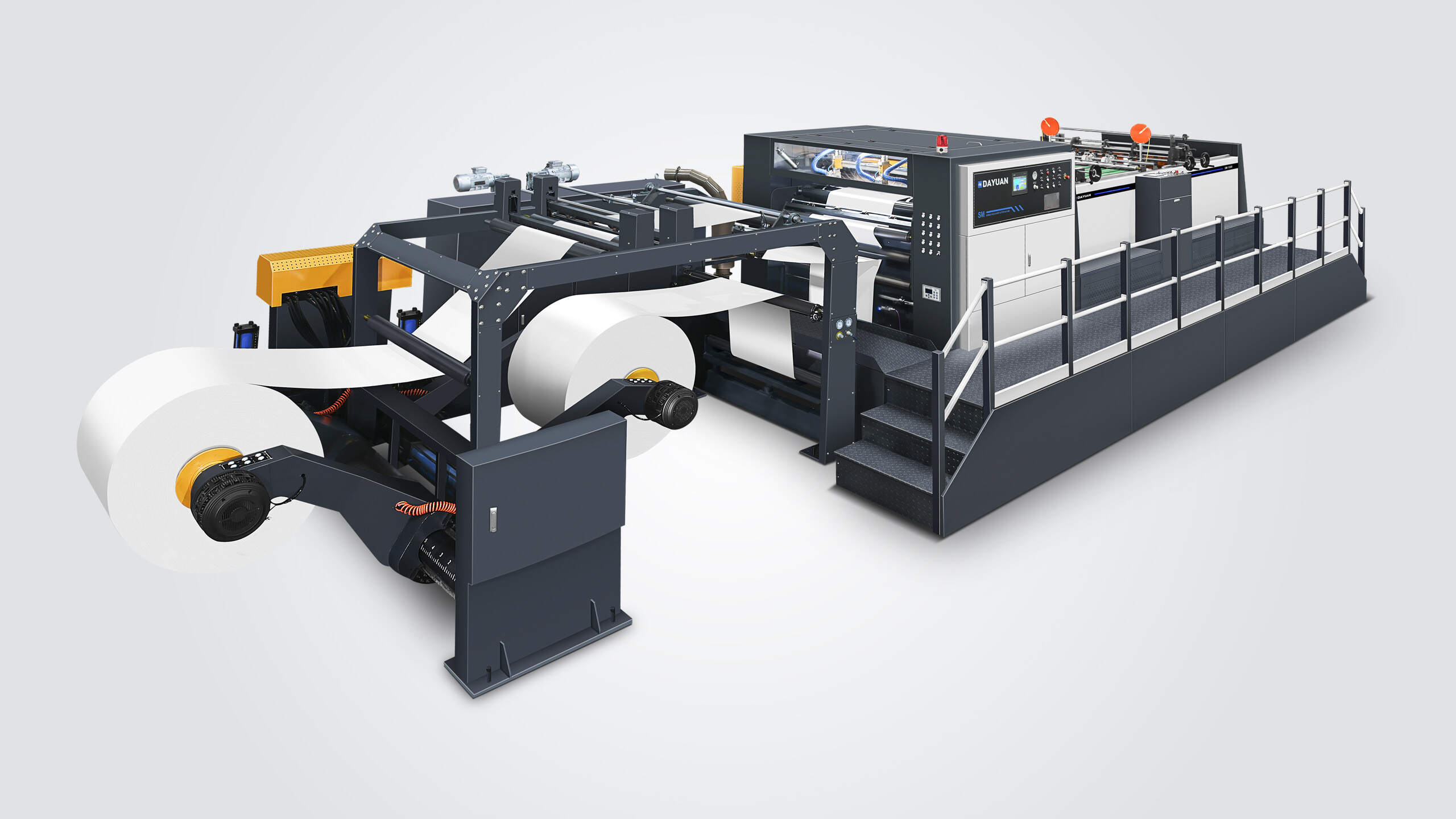
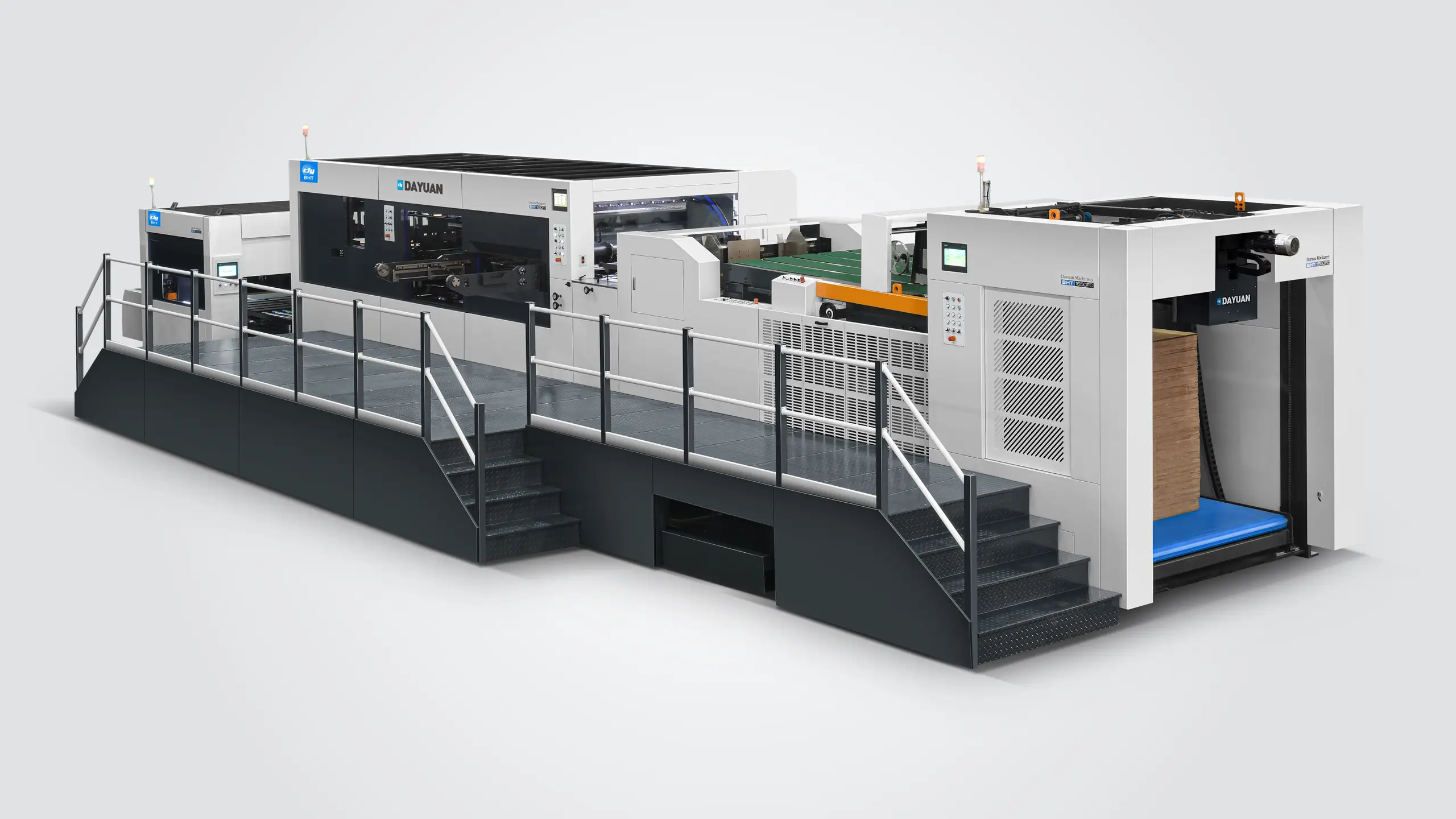
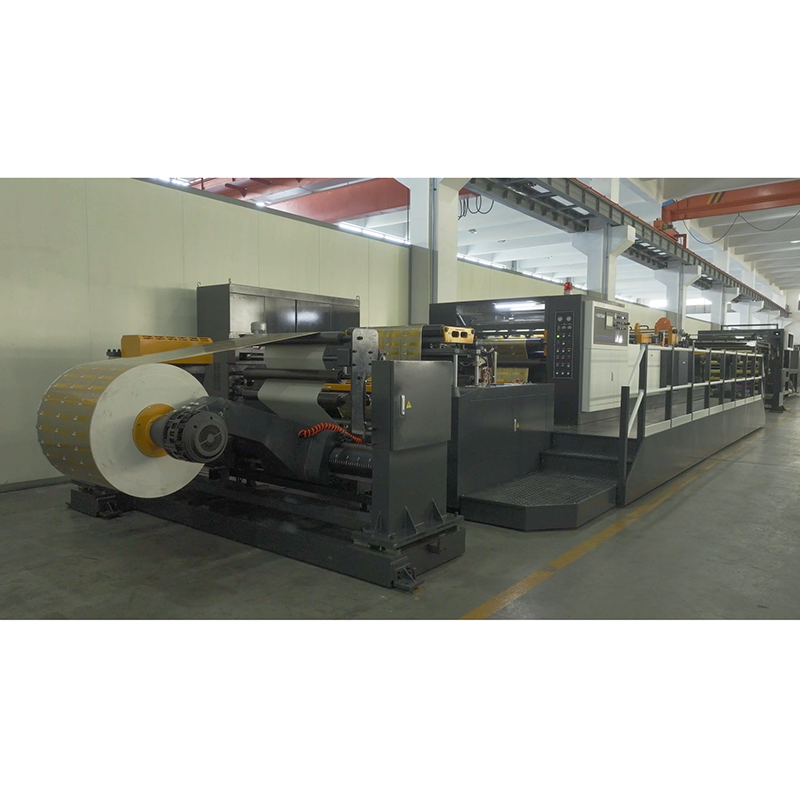
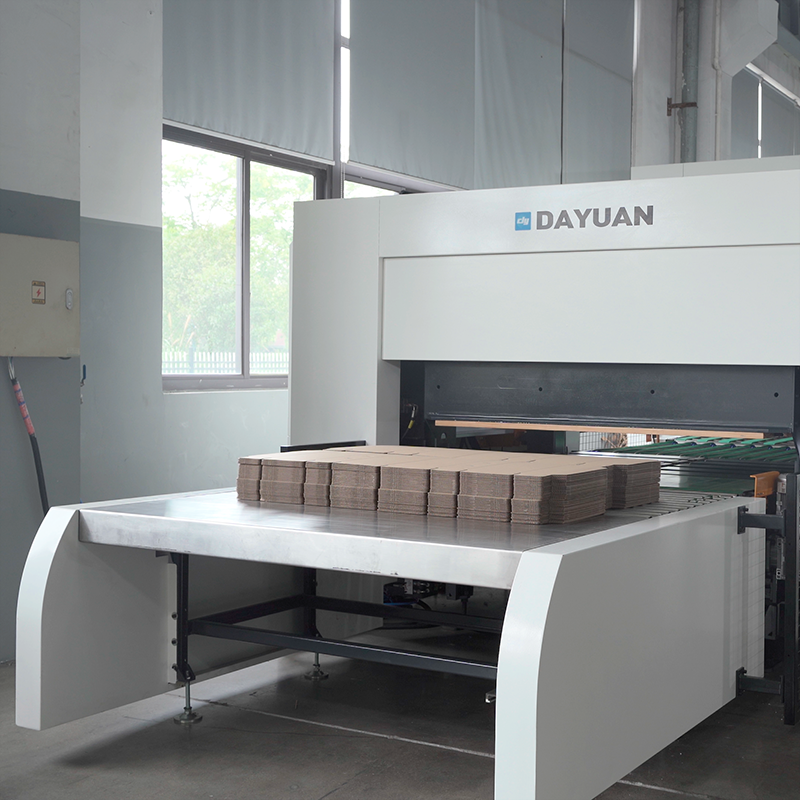
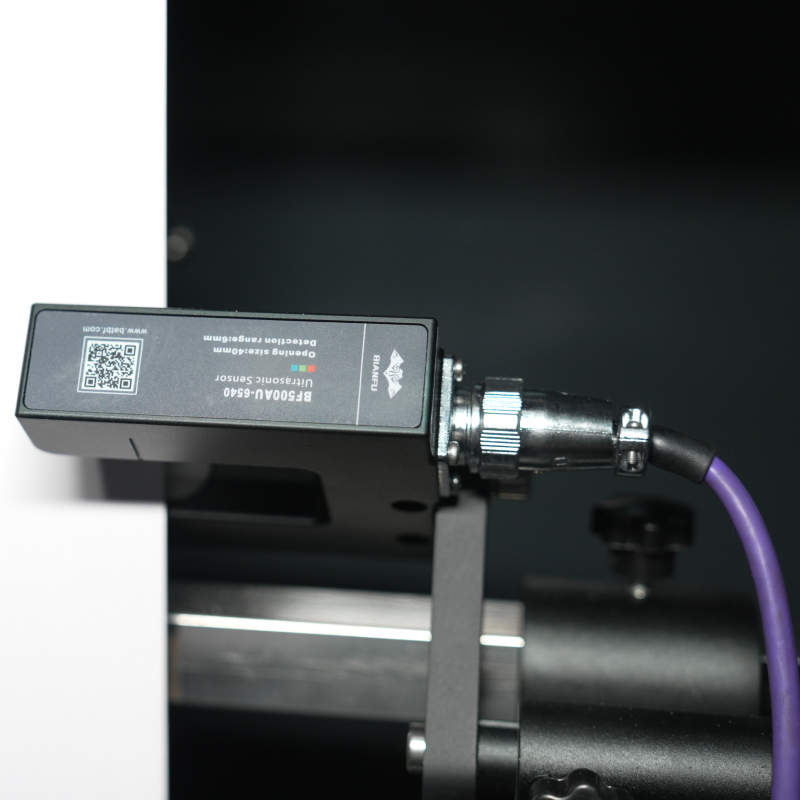
The automation features integrated into the odm flatbed die cutter revolutionize production workflows by eliminating bottlenecks and reducing labor dependencies that limit output in traditional operations. Modern manufacturing demands efficiency improvements that manual processes simply cannot deliver, and this equipment addresses those challenges directly through intelligent automation. The automatic feeding systems continuously present materials to the cutting area without operator intervention, maintaining consistent production speeds throughout extended runs. Sensors detect material presence and positioning, triggering the cutting cycle only when proper conditions exist, preventing costly mistakes from processing errors. The cutting cycle itself executes with optimized timing, moving through approach, dwell, and retraction phases at speeds calibrated for material type and complexity. Pneumatic or servo-driven systems provide the force required for clean cuts while electronic controls ensure repeatability across thousands of cycles. After cutting, automatic stripping mechanisms remove waste matrix material surrounding finished pieces, a labor-intensive task when performed manually that slows production considerably. The odm flatbed die cutter handles this stripping operation continuously, with adjustable parameters that accommodate different waste patterns and material characteristics. Finished piece removal occurs through various automated methods including vacuum conveyors, mechanical pushers, or robotic pick-and-place systems that deliver parts to subsequent processing stations or packaging areas. This continuous flow operation transforms the die-cutting process from a series of discrete manual steps into a streamlined automated sequence that maximizes throughput. Production counting systems track output automatically, providing real-time data on job progress and alerting operators when order quantities are reached. Quality monitoring features inspect pieces during production using vision systems that detect defects like incomplete cuts, registration errors, or material flaws. Rejected pieces divert automatically to separate collection areas, ensuring only acceptable products continue through your workflow. The automation reduces physical demands on workers, eliminating repetitive motions that cause fatigue and injury over time. Operators transition from manual laborers to machine supervisors who monitor systems, make adjustments, and ensure smooth operations across multiple machines. This evolution improves job satisfaction while allowing fewer staff members to manage higher production volumes. The consistency of automated operations means production output becomes predictable, enabling accurate delivery commitments to customers and efficient production scheduling. Your planning becomes more reliable when machine performance remains consistent rather than varying with operator skill levels or fatigue factors. The odm flatbed die cutter automation ultimately transforms your manufacturing capability from labor-limited to capacity-limited, shifting the constraint from workforce availability to equipment hours and allowing strategic growth planning based on measurable factors.
 EN
EN