 EN
EN

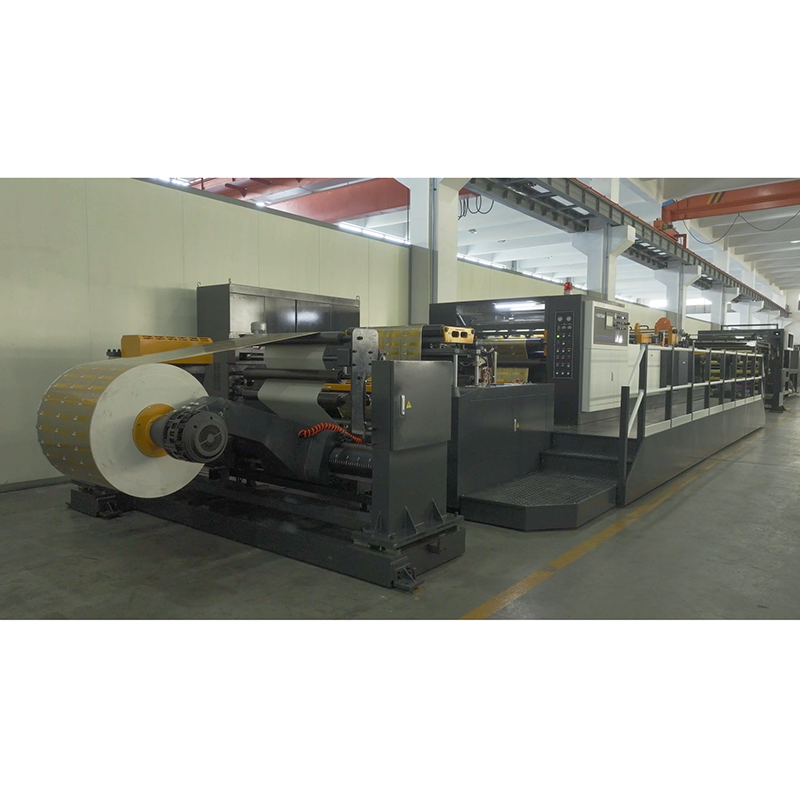
Selecting the appropriate paper die cutting machine for cardboard and carton production requires careful consideration of multiple technical and operational factors. Modern packaging industries demand precision, efficiency, and versatility in their die cutting operations, making the choice of equipment critical to overall production success. Understanding the specific requirements of your production line, material specifications, and output targets forms the foundation for making an informed decision that will impact your manufacturing capabilities for years to come.
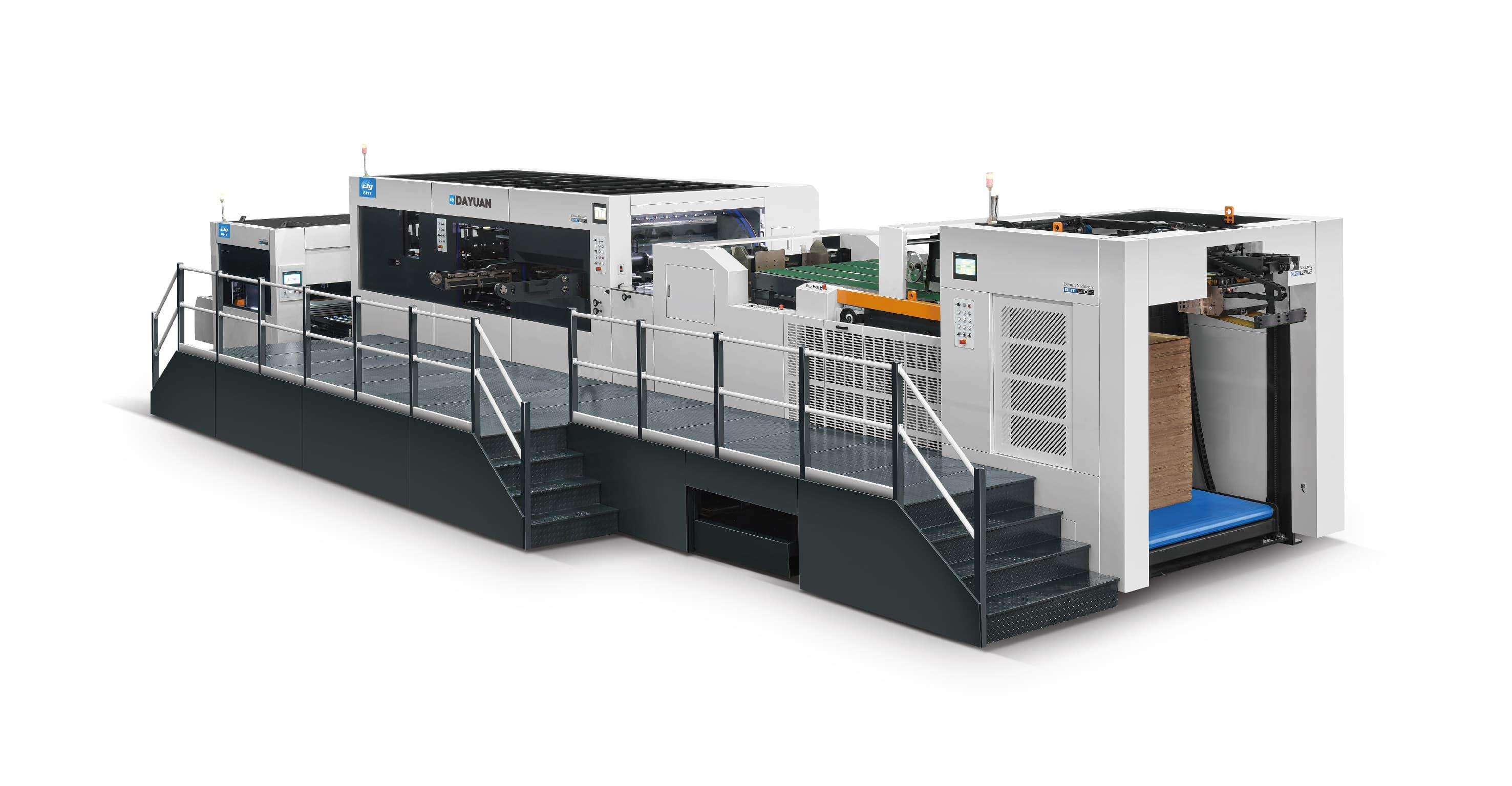
Understanding Paper Die Cutting Machine Fundamentals
Core Operating Principles
A paper die cutting machine operates through precise mechanical pressure applied to specially designed cutting dies against cardboard or carton materials. The fundamental mechanism involves creating clean, accurate cuts through coordinated movement of cutting plates, dies, and material feeding systems. Professional-grade machines integrate advanced servo motor controls, pneumatic systems, and computerized positioning to achieve consistent results across high-volume production runs.
The cutting process begins with material positioning through automatic or semi-automatic feeding mechanisms. Die alignment occurs through precision guides and registration systems that ensure accurate placement before the cutting cycle initiates. Pressure application varies based on material thickness, density, and cutting complexity, requiring sophisticated pressure control systems to prevent material damage while ensuring complete cutting penetration.
Machine Types and Configurations
Different paper die cutting machine configurations serve specific production requirements and material handling needs. Flatbed die cutting machines offer versatility for various cardboard thicknesses and complex cutting patterns, making them suitable for custom packaging applications. Rotary die cutting systems excel in continuous production environments where consistent material properties and standardized cutting patterns enable high-speed operations.
Semi-automatic machines provide cost-effective solutions for medium-volume production runs while maintaining operator control over critical cutting parameters. Fully automatic systems integrate material handling, cutting, waste removal, and stacking functions to minimize manual intervention and maximize throughput efficiency. Hybrid configurations combine elements of both approaches to address specific production workflow requirements.
Material Compatibility and Specifications
Cardboard Type Considerations
Cardboard material properties significantly influence paper die cutting machine selection and configuration requirements. Single-face corrugated cardboard requires different cutting approaches compared to double-wall or triple-wall materials due to varying structural characteristics and density distributions. Solid fiber cardboard presents unique challenges related to cutting force requirements and die wear patterns that must be addressed through appropriate machine specifications.
Recycled cardboard content affects cutting performance due to fiber composition variations and potential contaminant presence. Virgin fiber materials typically provide more consistent cutting results but may require adjusted pressure settings to prevent compression damage. Coated cardboard surfaces demand specialized die configurations to maintain clean edge quality while preventing coating delamination during the cutting process.
Thickness and Density Parameters
Material thickness directly impacts cutting force requirements and die selection for optimal paper die cutting machine performance. Standard corrugated cardboard ranging from 3mm to 7mm requires different pressure profiles and cutting speeds compared to thick industrial cardboard exceeding 10mm thickness. Density variations within the same thickness category necessitate adjustable cutting parameters to maintain consistent quality across production batches.
Multi-layer cardboard constructions create complex cutting challenges due to varying layer adhesion strengths and potential delamination risks. High-density materials require increased cutting force application while maintaining precise control to prevent over-compression or material distortion. Low-density materials may require specialized vacuum holding systems to maintain material stability during the cutting process.
Production Volume and Speed Requirements
Capacity Planning Considerations
Production volume requirements directly influence paper die cutting machine selection between different speed and automation categories. High-volume operations exceeding 5000 pieces per hour typically require fully automatic systems with integrated material handling and quality control features. Medium-volume production ranging from 1000 to 5000 pieces per hour can often achieve cost-effective results through semi-automatic configurations with operator-assisted material handling.
Batch production requirements may favor flexible machine configurations that accommodate frequent die changes and setup adjustments. Continuous production environments benefit from dedicated high-speed systems optimized for specific cutting patterns and material specifications. Mixed production scenarios require versatile machines capable of handling various materials and cutting requirements without extensive reconfiguration time.
Efficiency and Throughput Optimization
Maximizing paper die cutting machine efficiency requires careful consideration of cycle time components including material feeding, cutting, and waste removal operations. Automatic feeding systems eliminate manual handling delays while ensuring consistent material positioning for optimal cutting accuracy. Integrated waste removal systems prevent accumulation that could interfere with cutting operations or create safety hazards.
Setup time minimization through quick-change die systems and programmable cutting parameters enables efficient production transitions between different products. Preventive maintenance scheduling and predictive monitoring systems help maintain consistent performance while minimizing unplanned downtime. Quality control integration allows real-time monitoring and adjustment to maintain output standards throughout extended production runs.
Precision and Quality Standards
Cutting Accuracy Requirements
Precision requirements for cardboard and carton production vary significantly based on end-use applications and assembly tolerances. Packaging applications requiring tight assembly fits demand cutting accuracies within ±0.5mm tolerances, necessitating high-precision paper die cutting machine configurations with advanced positioning control systems. Display packaging and promotional materials may accommodate wider tolerances while maintaining acceptable appearance standards.
Registration accuracy becomes critical when multiple cutting operations or printing alignment requirements exist. Advanced machines incorporate vision systems and servo-controlled positioning to maintain consistent registration throughout production runs. Temperature and humidity variations can affect material dimensions and cutting accuracy, requiring environmental controls or compensating adjustments in critical applications.
Edge Quality and Finishing
Edge quality requirements influence die design and cutting parameter selection for optimal paper die cutting machine performance. Clean, smooth edges without fraying or compression marks require properly maintained cutting dies and appropriate pressure application. Beveled or shaped edge profiles may require specialized die configurations and additional processing capabilities.
Dust and debris generation during cutting operations can affect edge quality and contaminate subsequent processing steps. Effective dust collection systems integrated with the cutting process help maintain clean working environments and product quality. Surface finish preservation becomes important when pre-printed or coated materials require cutting without damaging decorative surfaces.
Integration and Workflow Considerations
Production Line Integration
Successful paper die cutting machine integration requires careful consideration of upstream and downstream process requirements and material flow patterns. Automated material handling systems must coordinate with existing conveyor systems, stacking equipment, and packaging machinery to maintain smooth production flow. Interface compatibility with existing control systems enables centralized monitoring and coordination of multiple production processes.
Space requirements and machine footprint considerations affect facility layout and workflow optimization. Maintenance access requirements must be incorporated into installation planning to ensure efficient service and repair operations. Utility requirements including electrical power, compressed air, and dust collection connections require proper infrastructure planning and installation.
Quality Control Integration
Integrated quality control systems enable real-time monitoring and adjustment of paper die cutting machine performance parameters. Vision inspection systems can automatically detect cutting defects, dimensional variations, and material handling issues before defective products proceed to subsequent operations. Statistical process control integration provides data collection and analysis capabilities for continuous improvement initiatives.
Traceability requirements in regulated industries may necessitate data logging and batch tracking capabilities integrated with the cutting process. Automated reject systems remove defective products from the production stream while maintaining production flow continuity. Quality documentation systems provide compliance records and performance metrics for process optimization and customer reporting requirements.
Cost Analysis and Return on Investment
Initial Investment Considerations
Paper die cutting machine investment analysis must consider both equipment costs and associated infrastructure requirements for proper installation and operation. High-volume automatic systems require substantial initial investment but may provide lower per-unit processing costs in appropriate applications. Semi-automatic systems offer reduced initial costs with higher labor requirements that may be suitable for lower volume or varied production requirements.
Auxiliary equipment costs including die sets, material handling systems, and safety equipment add to total project investment. Training requirements for operators and maintenance personnel represent additional implementation costs that should be factored into budget planning. Facility modifications for proper machine installation, utilities, and safety compliance may require significant additional investment.
Operational Cost Factors
Ongoing operational costs for paper die cutting machine operations include energy consumption, maintenance requirements, and consumable replacement expenses. Energy-efficient drive systems and optimized cutting cycles can significantly reduce electrical operating costs over the machine lifecycle. Preventive maintenance programs help minimize unexpected repair costs while maintaining consistent performance standards.
Die replacement and reconditioning costs vary based on cutting volume, material properties, and die quality specifications. Labor costs depend on automation level and operator skill requirements for different machine configurations. Waste material handling and disposal costs should be considered, particularly for high-volume operations generating significant cutting waste.
Maintenance and Support Requirements
Preventive Maintenance Programs
Effective maintenance programs ensure consistent paper die cutting machine performance while minimizing unexpected downtime and repair costs. Regular lubrication schedules for mechanical components prevent premature wear and maintain smooth operation throughout production cycles. Cutting die inspection and maintenance procedures help maintain edge sharpness and cutting quality while identifying replacement requirements before performance degradation occurs.
Electronic system maintenance includes regular calibration of sensors, drives, and control systems to maintain accuracy and repeatability. Pneumatic system maintenance involves filter replacement, pressure regulation verification, and leak detection to ensure reliable operation. Safety system testing and documentation ensure compliance with regulatory requirements while protecting operators and equipment.
Technical Support and Service
Manufacturer support capabilities significantly impact paper die cutting machine operational success and long-term cost effectiveness. Local service availability reduces response times and travel costs for urgent repairs or technical assistance. Parts availability and delivery times affect maintenance planning and inventory requirements for critical components.
Training programs for operators and maintenance personnel ensure proper machine operation and basic troubleshooting capabilities. Technical documentation quality and availability support efficient problem resolution and routine maintenance activities. Software updates and technology upgrades may be available to enhance performance or add new capabilities throughout the machine lifecycle.
FAQ
What factors determine the cutting speed capabilities of different paper die cutting machine models
Cutting speed depends on material thickness, complexity of cutting patterns, required precision tolerances, and machine design characteristics. Thicker materials require slower speeds to ensure complete cutting penetration, while complex patterns with intricate details need reduced speeds for accuracy. High-precision applications typically operate at lower speeds to maintain tight tolerances, whereas simple cutting patterns on thin materials can achieve maximum rated speeds. Machine design factors including servo motor capacity, mechanical drive systems, and control system response times ultimately determine maximum achievable cutting speeds.
How do environmental conditions affect paper die cutting machine performance and material handling
Temperature and humidity variations significantly impact cardboard material properties and cutting performance characteristics. High humidity can cause material expansion and softening, requiring adjusted cutting pressures and potentially causing registration issues. Low humidity may make materials brittle and prone to cracking during cutting operations. Temperature changes affect material dimensions and can cause warping or curling that interferes with automatic feeding systems. Climate-controlled production environments or compensating adjustments help maintain consistent cutting quality across varying environmental conditions.
What safety features should be prioritized when selecting industrial paper die cutting machine equipment
Essential safety features include emergency stop systems accessible from multiple locations, light curtains or pressure-sensitive safety mats around hazardous areas, and lockout/tagout capabilities for maintenance procedures. Automatic guards that prevent operator access during cutting cycles protect against injury from moving components and cutting dies. Dust collection systems reduce fire hazards from accumulated cardboard particles while improving air quality. Safety monitoring systems that detect abnormal operating conditions and automatically shut down equipment help prevent accidents and equipment damage.
How does die design and construction affect long-term operating costs for paper die cutting machine operations
Die quality directly impacts cutting performance, maintenance requirements, and replacement frequency, significantly affecting long-term operating costs. High-quality steel dies with proper heat treatment and precision grinding maintain sharp cutting edges longer, reducing replacement frequency and maintaining consistent cut quality. Dies designed with appropriate clearances and cutting angles minimize cutting forces and reduce wear on both dies and machine components. Modular die designs allow replacement of worn sections rather than entire dies, reducing replacement costs. Proper die storage and handling procedures help maximize die life and maintain cutting performance throughout their service life.
Table of Contents
- Understanding Paper Die Cutting Machine Fundamentals
- Material Compatibility and Specifications
- Production Volume and Speed Requirements
- Precision and Quality Standards
- Integration and Workflow Considerations
- Cost Analysis and Return on Investment
- Maintenance and Support Requirements
-
FAQ
- What factors determine the cutting speed capabilities of different paper die cutting machine models
- How do environmental conditions affect paper die cutting machine performance and material handling
- What safety features should be prioritized when selecting industrial paper die cutting machine equipment
- How does die design and construction affect long-term operating costs for paper die cutting machine operations