Flatbed Die Cutter Factory: Precision Manufacturing Equipment for Industrial Cutting Solutions

+86-577-58918888
All Categories

flatbed die cutter factory

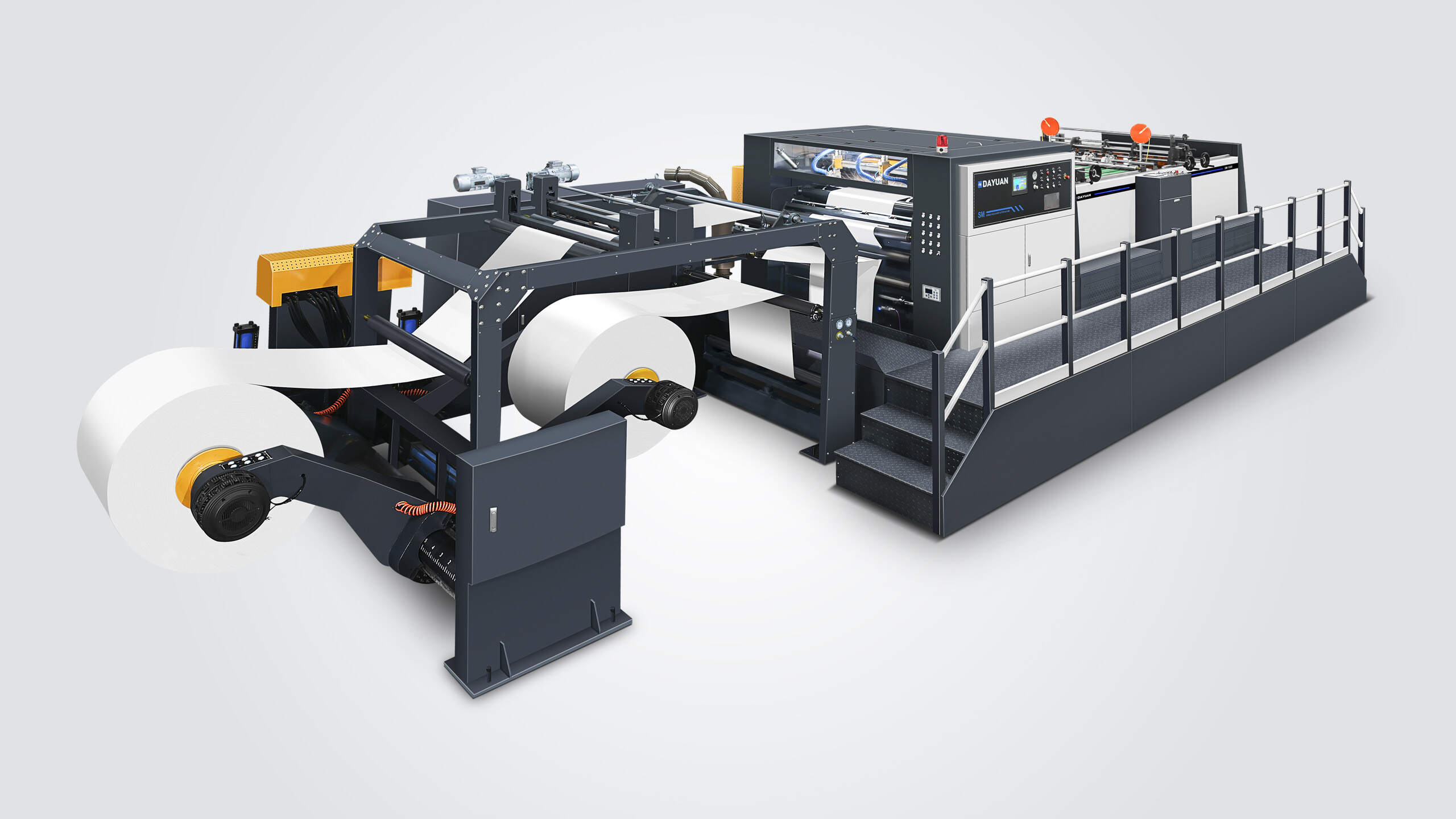
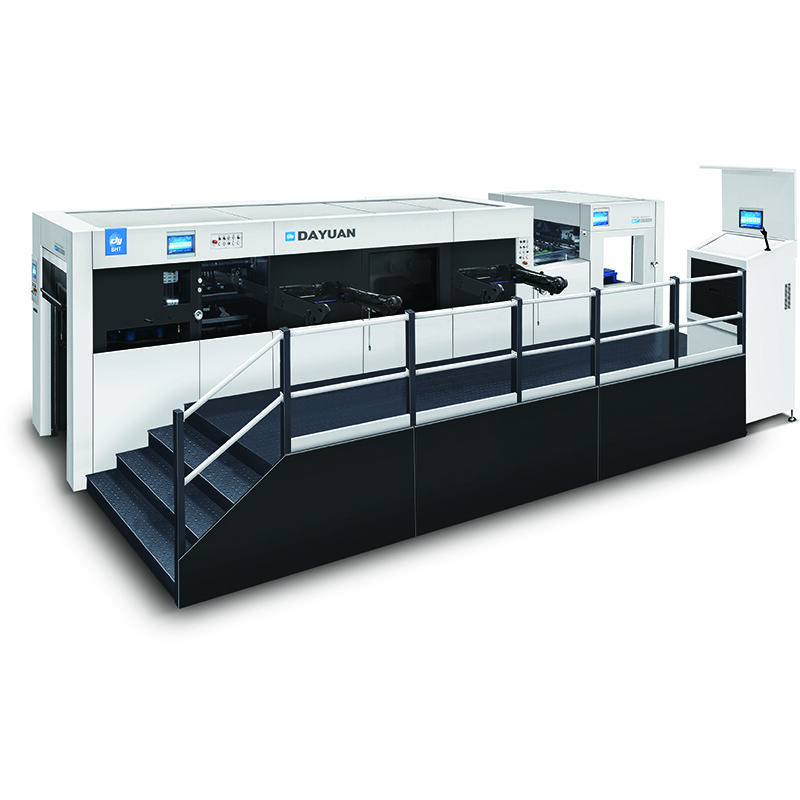
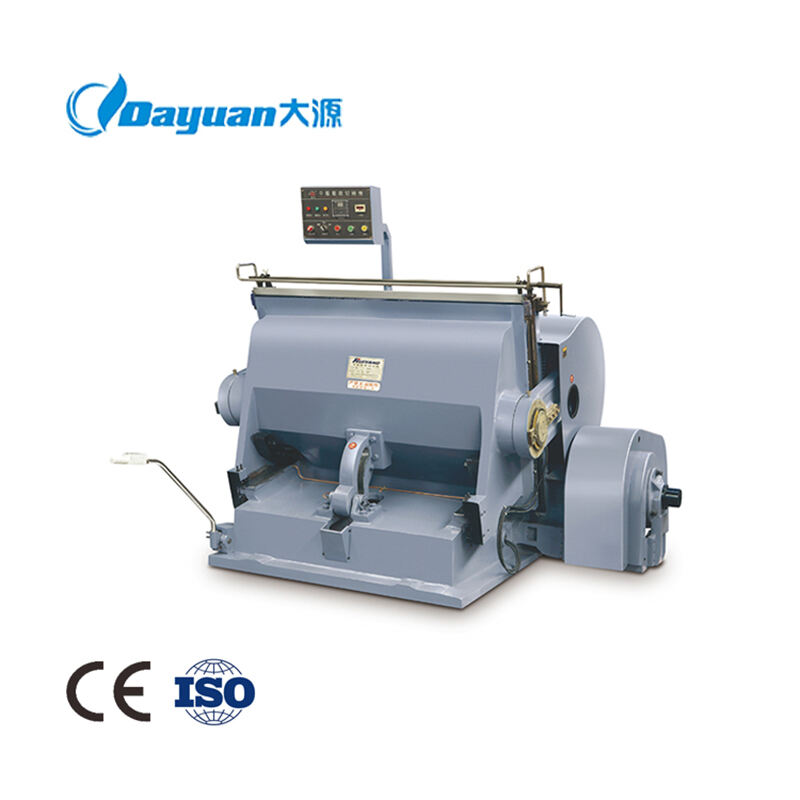
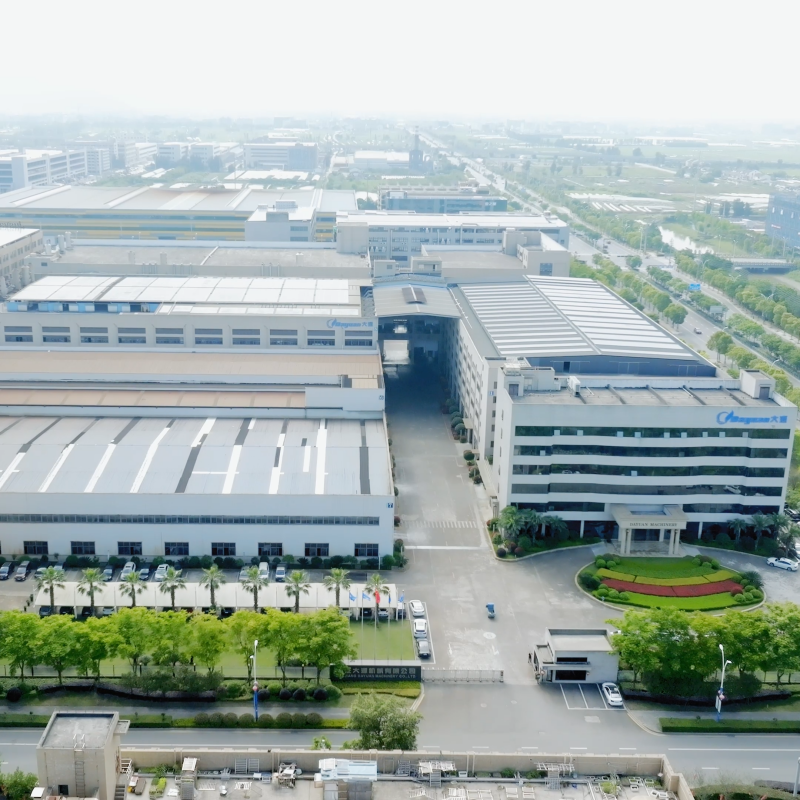
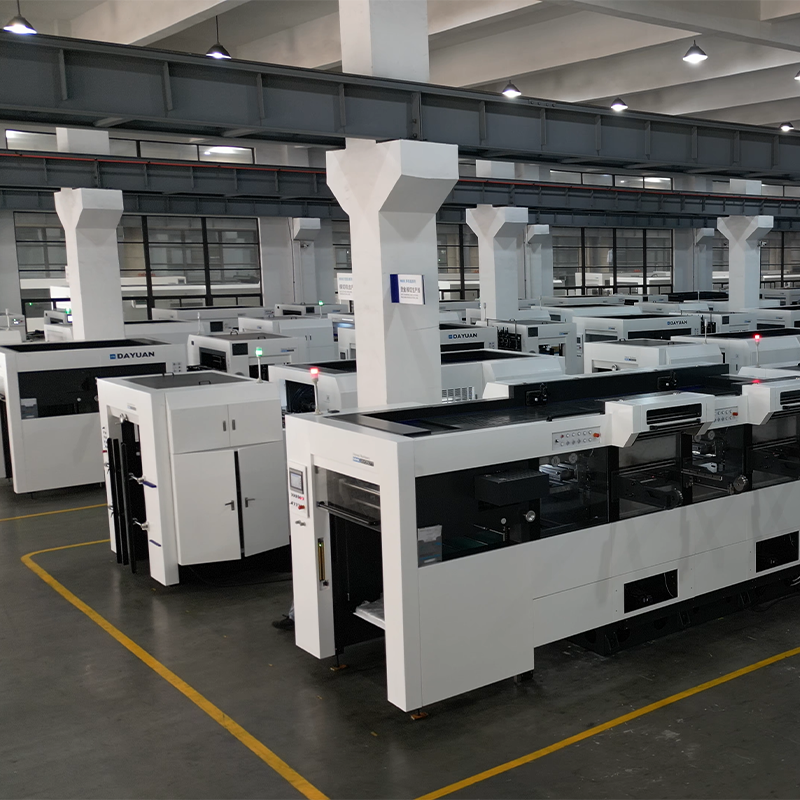
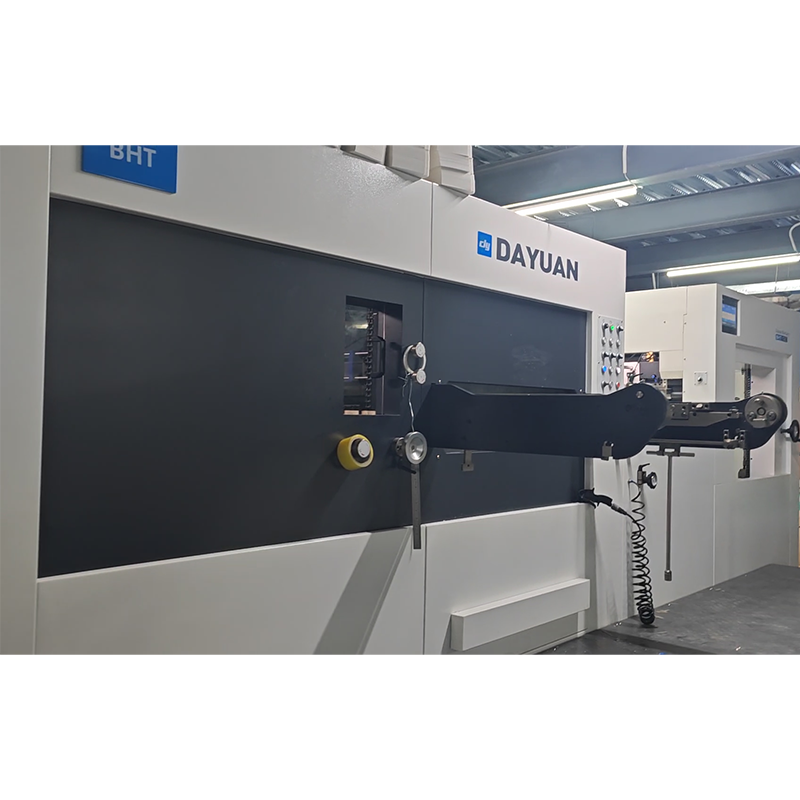
A flatbed die cutter factory represents a specialized manufacturing facility dedicated to producing precision cutting equipment used across diverse industries for material processing and product fabrication. These factories engineer machines that employ a flatbed platform combined with customized cutting dies to shape, cut, perforate, and crease various materials with exceptional accuracy. The primary function of equipment manufactured in a flatbed die cutter factory centers on transforming raw materials into finished components through controlled pressure application. Manufacturing operations within these facilities incorporate advanced engineering principles, precision machining capabilities, and quality control systems to ensure each machine meets rigorous performance standards. The technological features integrated into products from a flatbed die cutter factory include programmable control systems, adjustable pressure mechanisms, rapid die-change capabilities, and automated feeding systems that enhance operational efficiency. Modern facilities utilize computer-aided design software, precision metalworking equipment, and electronic testing apparatus to construct reliable cutting machines. Applications for flatbed die cutter factory products span packaging industries where boxes and cartons require precise cutting, printing sectors producing labels and specialty papers, textile manufacturing for fabric pattern cutting, automotive industries creating gaskets and interior components, electronics manufacturing for insulation materials, and pharmaceutical packaging operations. These machines process materials including paperboard, corrugated cardboard, plastic sheets, foam materials, rubber compounds, leather, fabric textiles, and thin metal sheets. The flatbed die cutter factory environment combines traditional metalworking craftsmanship with contemporary automation technology, creating equipment that balances mechanical reliability with digital precision. Quality assurance protocols within these factories verify dimensional accuracy, pressure consistency, safety compliance, and longevity testing before machines reach customers. The production process encompasses component fabrication, precision assembly, electrical integration, hydraulic or pneumatic system installation, calibration procedures, and comprehensive performance validation, ensuring every flatbed die cutter factory product delivers consistent cutting results throughout its operational lifespan.

New Product Recommendations

Investing in equipment from a flatbed die cutter factory delivers substantial practical benefits that directly impact your production efficiency and bottom line. First, these machines dramatically reduce material waste by executing precise cuts consistently, eliminating the irregular edges and dimensional variations common with manual cutting methods. This precision translates to significant cost savings over time, especially when processing expensive materials where every millimeter counts. The speed advantage cannot be overstated, as automated flatbed die cutters complete in minutes what would take workers hours to accomplish manually, multiplying your production capacity without proportionally increasing labor costs. Operational flexibility stands as another major benefit, since these machines accommodate diverse materials and thicknesses by simply changing the cutting die, allowing you to serve multiple markets with one equipment investment. Worker safety improves considerably because operators no longer handle sharp cutting tools directly, reducing workplace injuries and associated costs while creating a more comfortable working environment. The consistency delivered by flatbed die cutter factory equipment ensures every piece matches your specifications exactly, eliminating quality variations that lead to customer complaints and product returns. This reliability builds your reputation and strengthens customer relationships. Maintenance requirements remain manageable with straightforward mechanical systems that your existing maintenance staff can service without specialized expertise, avoiding costly service contracts. Energy efficiency represents another practical advantage, as modern designs consume less power than running multiple manual stations, reducing utility expenses month after month. The compact footprint of these machines optimizes floor space utilization, important for facilities where every square meter carries rental or ownership costs. Training new operators proves surprisingly quick because intuitive controls and safety features mean workers become productive within days rather than weeks. Scalability benefits emerge as your business grows, since adding capacity simply means acquiring additional machines rather than restructuring entire production processes. The return on investment timeline shortens considerably when you calculate saved labor hours, reduced material waste, increased output capacity, and improved product quality together. Long-term durability ensures these machines operate reliably for decades with proper maintenance, spreading the initial investment across many productive years. Production scheduling becomes more predictable because machine performance remains consistent regardless of operator fatigue or skill variations. Quality control simplifies when every cut meets the same standard automatically, reducing inspection time and rejection rates. Finally, competitive positioning strengthens because you can quote faster turnaround times, tighter tolerances, and better pricing than competitors still relying on manual methods, winning contracts that grow your business steadily.

Latest News

Why Is a Die Cutting Machine Essential for Consistent and Repeatable Paper Cutting Tasks?

15

Jan

Why Is a Die Cutting Machine Essential for Consistent and Repeatable Paper Cutting Tasks?

In the world of manufacturing and production, precision and repeatability are paramount for maintaining quality standards and operational efficiency. When it comes to paper processing applications, achieving consistent cuts across thousands or millio...
View More
What Safety Features Should You Look for in Modern Paper Cutter Machines for Industrial Use?

18

Mar

What Safety Features Should You Look for in Modern Paper Cutter Machines for Industrial Use?

Industrial paper cutter machines represent a critical component in manufacturing, printing, and packaging operations worldwide. These sophisticated devices must balance precision, efficiency, and operator safety to meet the demanding requirements of ...
View More
How Does a 98,000㎡ Manufacturing Facility Ensure the Reliability of Paper Cutter Machines?

18

Mar

How Does a 98,000㎡ Manufacturing Facility Ensure the Reliability of Paper Cutter Machines?

Manufacturing excellence in the paper processing industry requires precise equipment and rigorous quality control measures. Large-scale production facilities spanning 98,000 square meters face unique challenges when ensuring the reliability of paper ...
View More
How Do You Select the Right Paper Die Cutting Machine for Folding Cartons vs. Corrugated Board?

02

Apr

How Do You Select the Right Paper Die Cutting Machine for Folding Cartons vs. Corrugated Board?

Selecting the right paper die cutting machine for different packaging applications requires understanding the fundamental differences between folding carton and corrugated board production requirements. The choice between these substrate types direct...
View More

Get a Free Quote

Our representative will contact you soon.
Email
Name
Company Name
Required Product
Message
0/1000

flatbed die cutter factory

Precision Engineering for Unmatched Cutting Accuracy

Precision Engineering for Unmatched Cutting Accuracy

The precision engineering standards maintained throughout every flatbed die cutter factory manufacturing process represent a fundamental advantage that separates professional-grade equipment from basic cutting tools. Engineers within these specialized facilities apply decades of accumulated knowledge about material behavior, pressure distribution, and mechanical tolerances to design machines that achieve cutting accuracies measured in fractions of millimeters. This precision begins with the structural framework, where heavy-duty steel construction eliminates vibration and flex that would compromise cut quality. The flatbed platform itself undergoes precision grinding and surface treatment to create a perfectly flat reference plane, ensuring consistent contact between material, die, and cutting surface across the entire working area. Pressure distribution systems incorporate sophisticated hydraulic or pneumatic circuits with electronic monitoring that maintains uniform force application regardless of die size or material thickness variations. Advanced control systems allow operators to program specific pressure profiles for different materials, preventing crush damage on delicate substrates while ensuring complete cutting on tougher materials. The registration systems built into flatbed die cutter factory products enable repeatable positioning accuracy, critical when cutting pre-printed materials where alignment tolerances may be just a few tenths of a millimeter. Sophisticated sensors verify material position before each cutting cycle initiates, preventing costly mistakes from misaligned stock. The die-holding mechanisms designed into these machines secure cutting dies rigidly while allowing rapid changeovers, maintaining precision across different job setups. Temperature compensation systems account for thermal expansion in metal components, preserving dimensional accuracy even during extended production runs that generate heat. Quality verification features built into modern flatbed die cutter factory equipment include optical inspection systems that detect incomplete cuts or positioning errors in real time, stopping production before defective pieces accumulate. Calibration procedures programmed into machine controllers guide operators through routine accuracy checks, ensuring performance remains within specification throughout the equipment lifespan. The engineering excellence extends to electronic components, where industrial-grade controllers and sensors withstand manufacturing environment conditions while delivering reliable performance. Software interfaces designed specifically for flatbed die cutter factory machines simplify complex operations through intuitive touchscreen controls that reduce operator training requirements. This combination of mechanical precision, electronic control sophistication, and user-friendly operation creates cutting systems that consistently deliver professional results, supporting your quality reputation while minimizing production interruptions caused by equipment inconsistency or failure.
Versatile Material Processing Capabilities Across Industries

Versatile Material Processing Capabilities Across Industries

The remarkable versatility engineered into equipment from a flatbed die cutter factory provides businesses with exceptional flexibility to serve diverse markets and adapt quickly to changing customer requirements. This adaptability stems from fundamental design principles that accommodate vast material ranges without requiring separate machines for different substrates. The adjustable pressure systems central to flatbed die cutter factory products allow operators to dial in appropriate cutting force for materials ranging from delicate tissue paper to dense rubber compounds several millimeters thick. Quick-change die systems enable production transitions between completely different products in minutes rather than hours, maximizing equipment utilization rates and supporting economical short-run production. Packaging manufacturers leverage this versatility to produce everything from lightweight folding cartons to heavy-duty corrugated shipping containers using one machine platform, eliminating capital expenditure for specialized equipment. Printing operations benefit enormously because flatbed die cutter factory machines process the complete spectrum of printed materials including paper labels, plastic decals, magnetic sheets, and specialty substrates that conventional cutting methods cannot handle effectively. Textile and apparel industries utilize these capabilities to cut fabric patterns, leather components, and synthetic materials with identical precision, supporting both prototype development and production manufacturing. Gasket manufacturers serving automotive and industrial markets rely on flatbed die cutter factory equipment to process rubber, cork, foam, and composite materials that seal critical assemblies, where cutting accuracy directly impacts product performance and reliability. Electronics industries depend on this versatility to fabricate insulating materials, shielding components, and flexible circuit substrates that meet stringent dimensional tolerances. Medical and pharmaceutical packaging operations leverage the clean cutting characteristics of flatbed die cutter factory machines to process sterile packaging materials without contamination risks associated with blade cutting methods. The signage industry exploits material versatility to cut vinyl graphics, reflective sheeting, magnetic materials, and rigid substrates for both indoor and outdoor applications. Automotive interior manufacturers process sound-dampening materials, headliners, carpeting, and trim components using equipment from flatbed die cutter factory sources. Footwear production utilizes these machines to cut leather, synthetic uppers, insoles, and padding materials with the consistency required for quality footwear assembly. This cross-industry applicability means your investment in flatbed die cutter factory equipment opens multiple revenue streams rather than locking you into a single market sector. As customer demands evolve or new opportunities emerge, your existing equipment adapts through die changes and parameter adjustments rather than requiring new capital investment, protecting your competitive position while maintaining financial flexibility that supports business growth and market responsiveness.
Robust Manufacturing Standards Ensuring Long-Term Reliability

Robust Manufacturing Standards Ensuring Long-Term Reliability

The manufacturing standards implemented throughout every flatbed die cutter factory production process establish reliability foundations that translate directly into reduced downtime, lower maintenance costs, and extended equipment service life for your operation. These standards begin with material selection, where engineers specify industrial-grade steel, precision-machined components, and commercial-quality hydraulic or pneumatic elements proven through decades of industrial service. Component sourcing protocols within flatbed die cutter factory operations require supplier certifications and incoming inspection procedures that verify every part meets dimensional and material specifications before assembly begins. Welding procedures follow certified processes with documented welder qualifications, creating structural joints that withstand millions of operating cycles without fatigue cracks or joint failures. Machining operations employ computer-controlled equipment that holds tolerances measuring thousandths of inches, ensuring proper fit between moving components that minimizes wear and maintains performance over time. Surface treatments including hardening, grinding, and specialized coatings protect critical wear surfaces, extending component life substantially beyond untreated alternatives. Assembly processes within flatbed die cutter factory facilities follow documented procedures with quality checkpoints verifying proper installation, alignment, and adjustment at each stage, preventing assembly errors that compromise reliability. Hydraulic and pneumonic systems incorporate filtration, pressure regulation, and component protection features that prevent contamination damage and pressure spikes that cause premature failures. Electrical systems utilize industrial-grade components rated for manufacturing environment conditions including temperature extremes, vibration, and electromagnetic interference that would disable consumer-grade electronics. Wiring practices follow electrical codes with proper strain relief, connector specifications, and cable routing that prevents damage during operation and maintenance activities. Control software undergoes extensive testing including simulated failure modes, ensuring machines respond safely to unexpected conditions rather than creating hazardous situations or producing defective parts. Factory acceptance testing procedures run each flatbed die cutter factory product through comprehensive performance validation including dimensional accuracy verification, pressure calibration, safety system confirmation, and endurance cycling that simulates extended production use. Documentation packages accompanying equipment include detailed maintenance schedules, parts lists with supplier information, troubleshooting guides, and electrical schematics that support efficient service throughout the machine lifespan. Training programs offered by flatbed die cutter factory manufacturers transfer operational knowledge and maintenance skills to your staff, building internal capability that reduces dependence on external service providers. Spare parts availability through established distribution networks ensures critical components remain accessible years after purchase, preventing obsolescence concerns that plague equipment from unstable manufacturers. Warranty programs backing flatbed die cutter factory products reflect manufacturer confidence in reliability while protecting your investment during the critical early operation period. This comprehensive approach to manufacturing quality creates equipment that operates consistently shift after shift, year after year, delivering the predictable performance that production schedules and customer commitments demand while minimizing the unexpected failures that disrupt operations and damage profitability.

Get a Free Quote

Our representative will contact you soon.
Email
Name
Company Name
Required Product
Message
0/1000