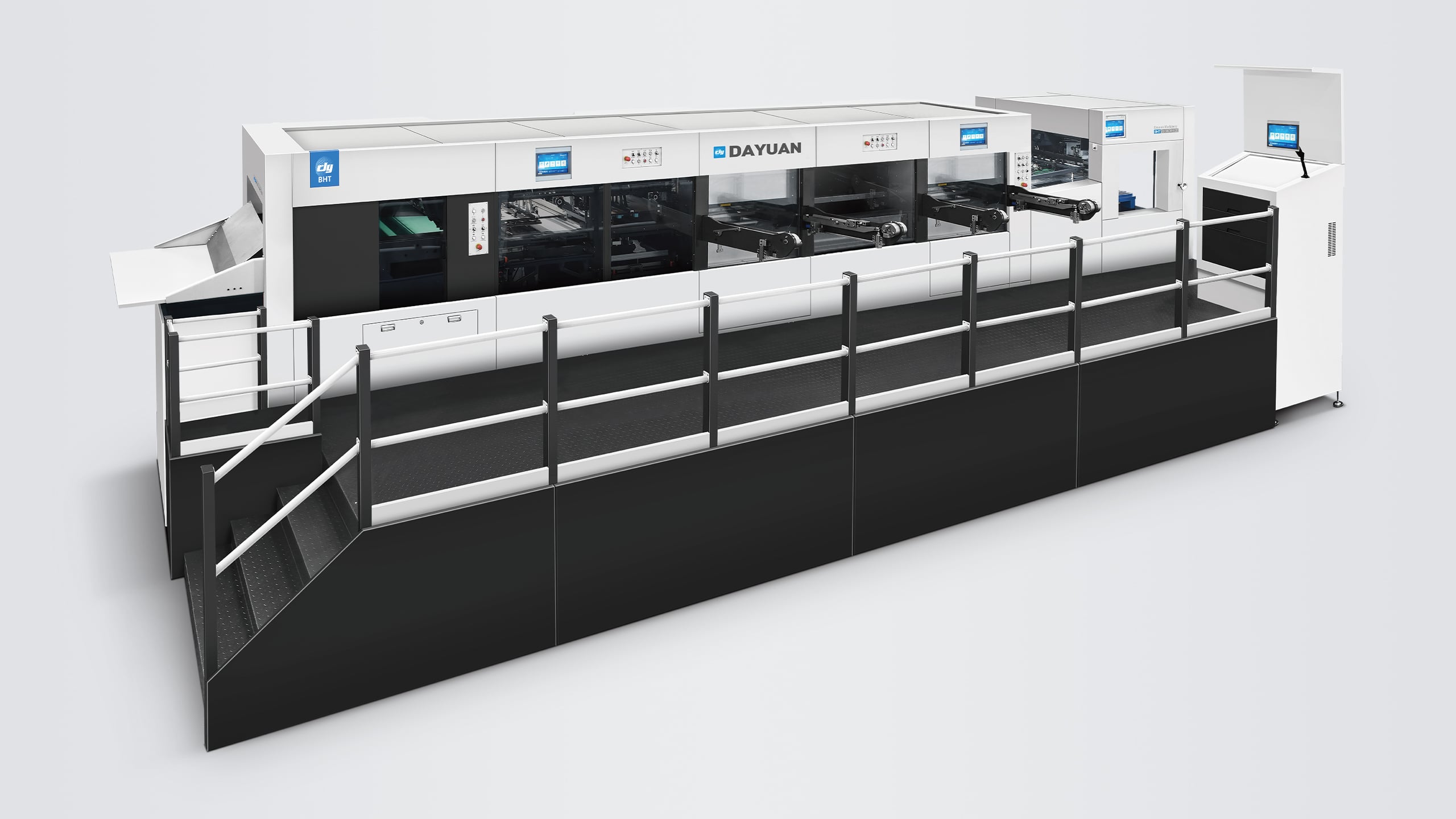
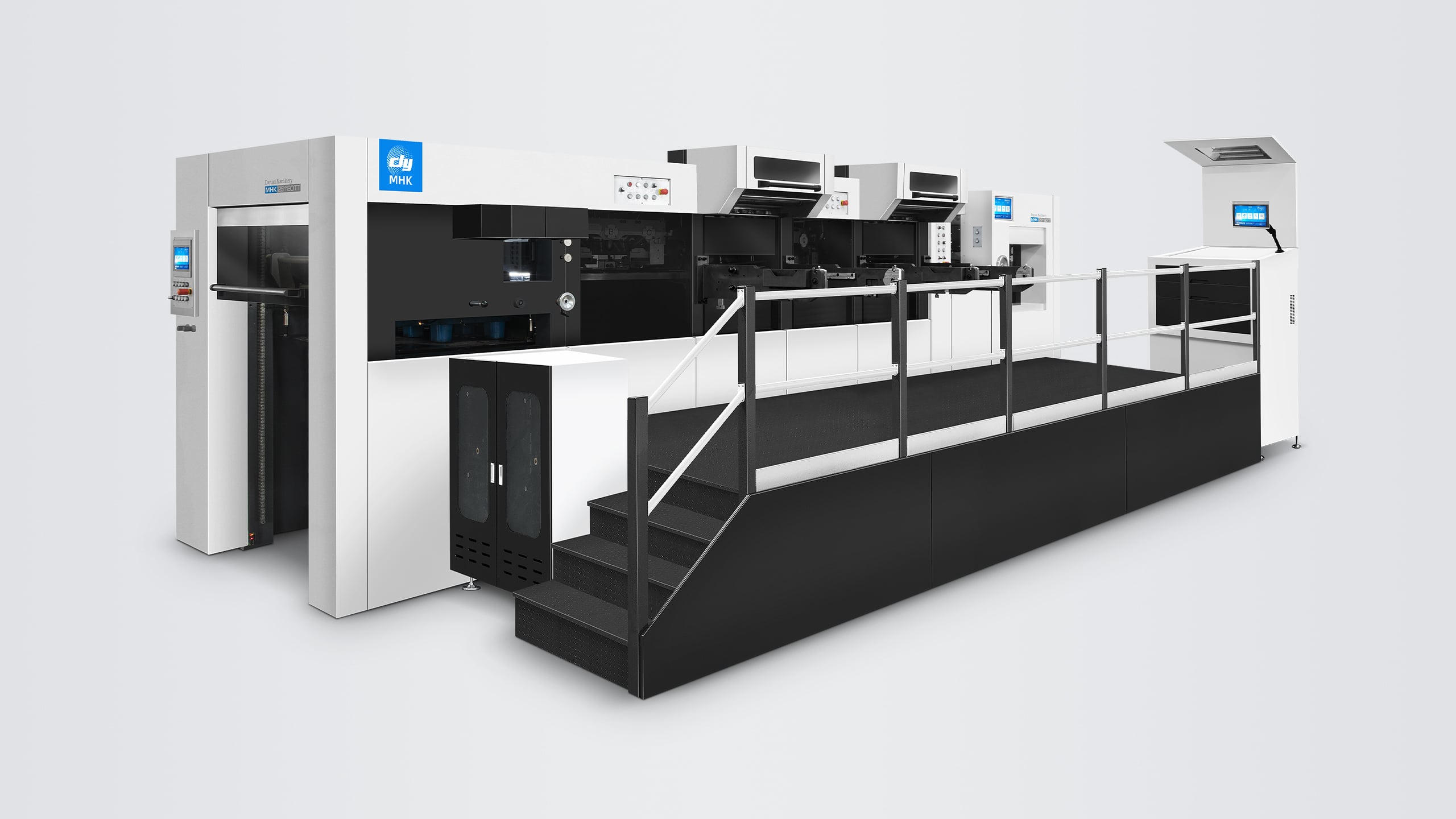
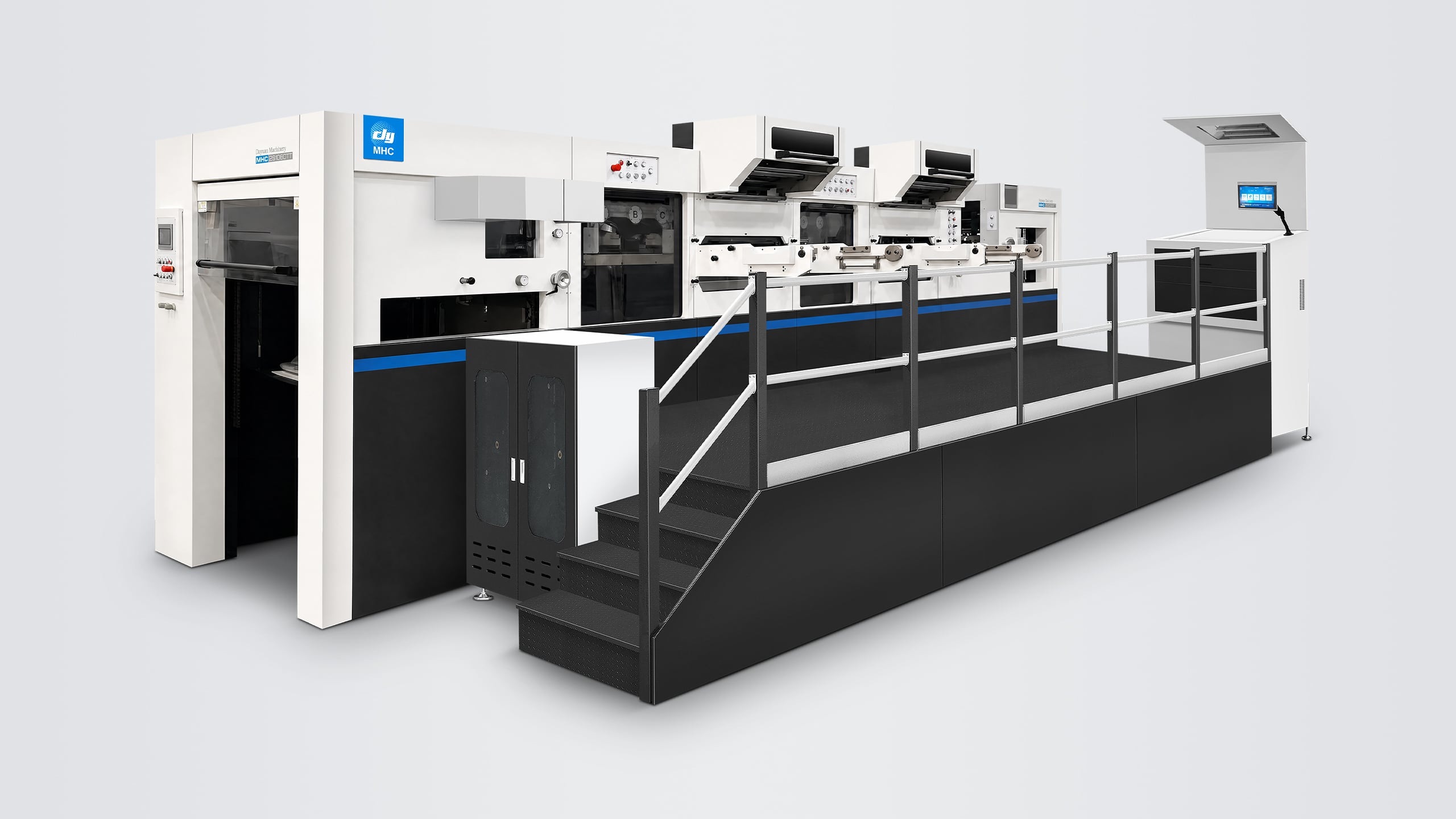
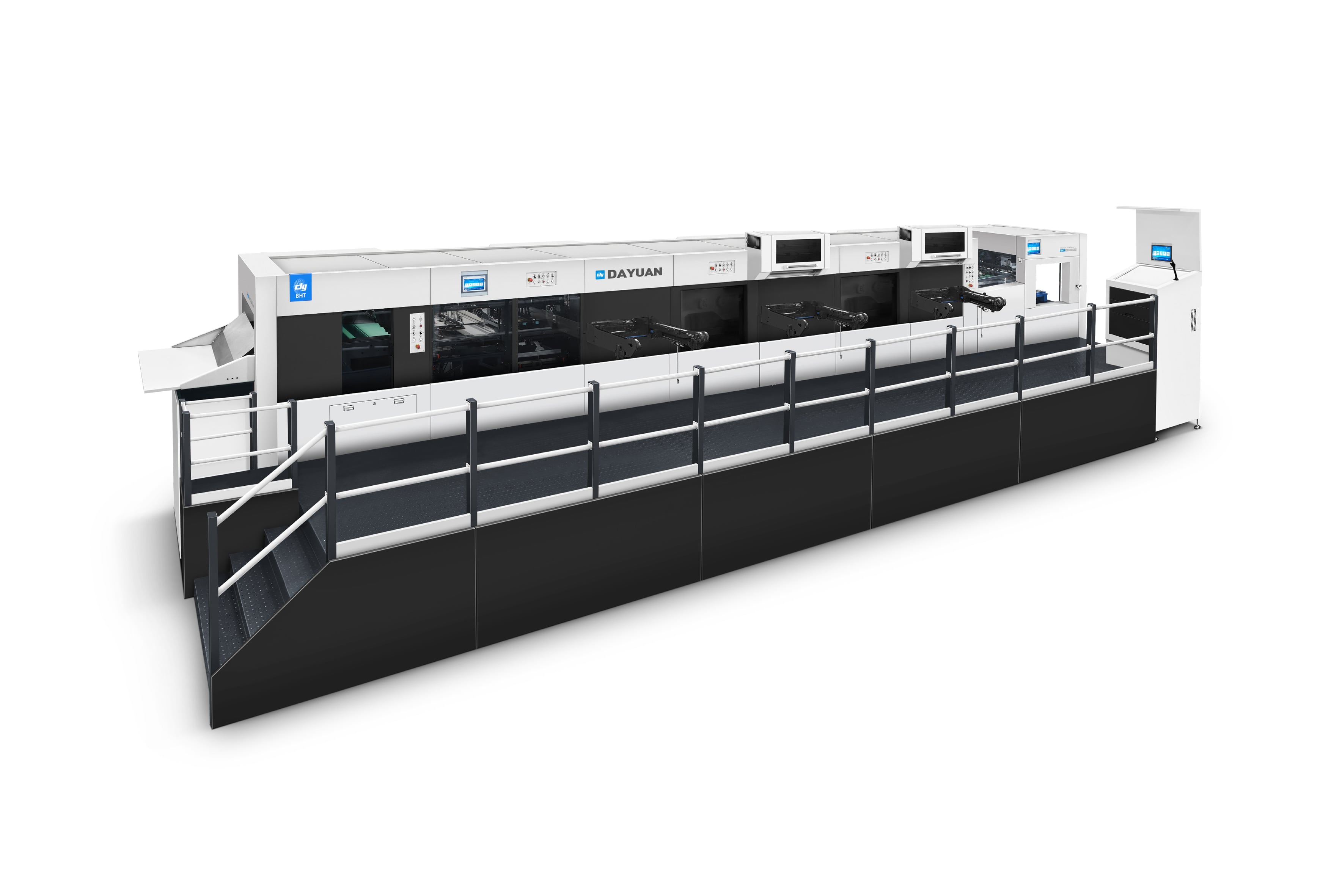
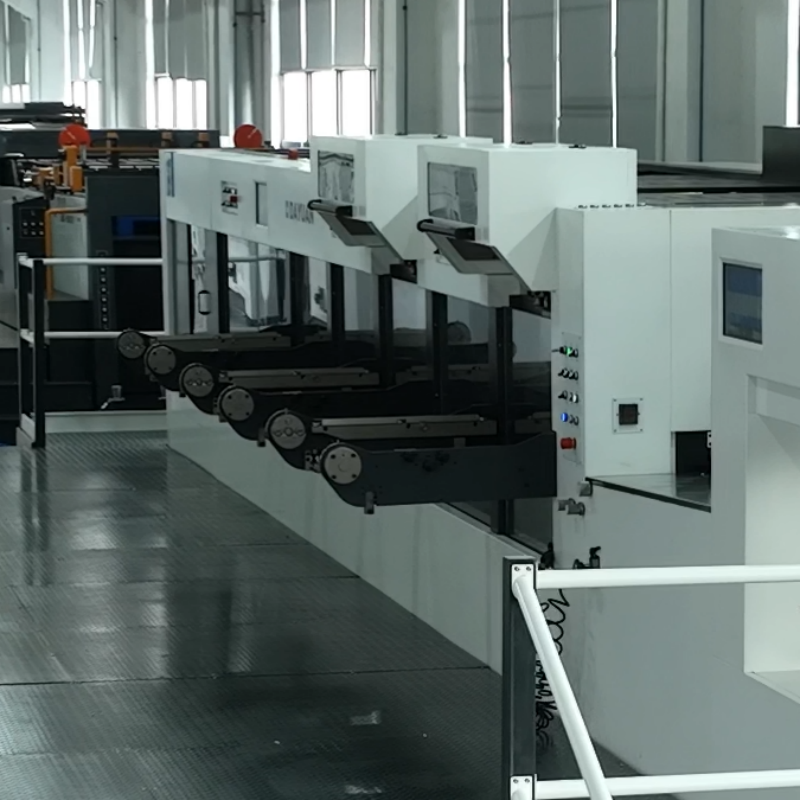
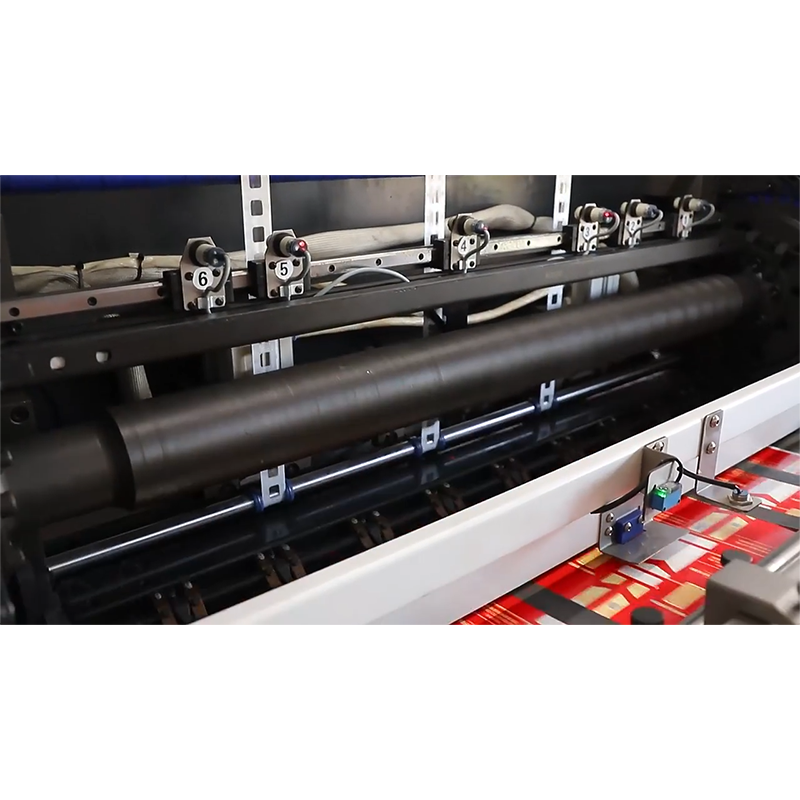
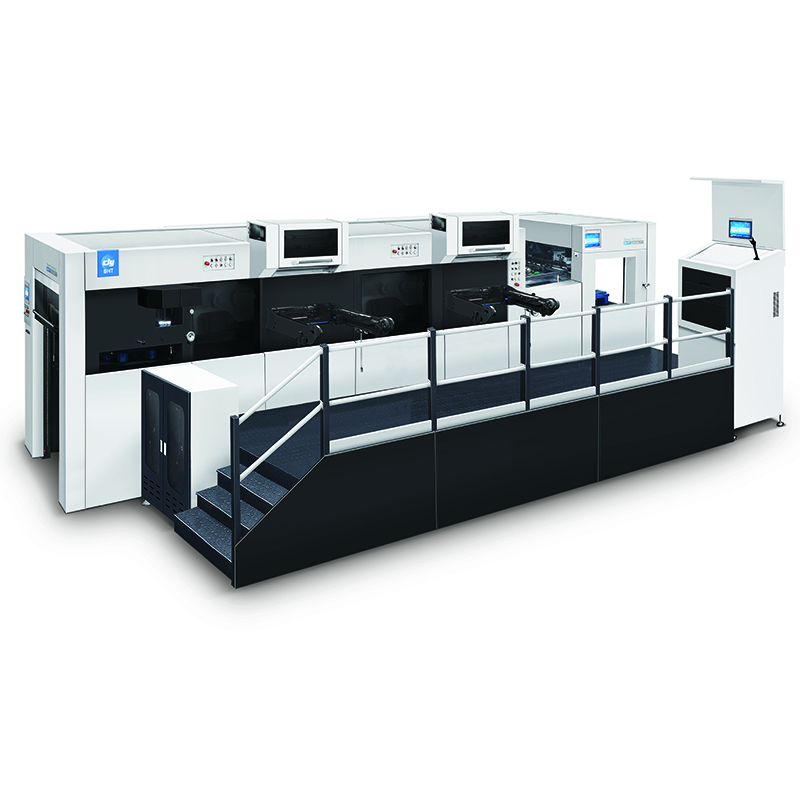
Hot foil stamping is a print-finishing process used to add decorative foil details to suitable materials. Heat and pressure are applied through a prepared die to transfer foil onto the substrate, creating a distinctive finish for printed products and packaging. The actual result depends on the materials used and the capabilities of the equipment.
Dayuan Machinery focuses on paper cutting, printing, and post-press production. Its product range includes hot foil stamping and die-cutting machines, flatbed die-cutting machines, servo precision sheet cutter machines, and stripping and blanking machines. These categories serve different production needs, from preparing paper sheets to shaping printed materials and completing post-press operations.
When evaluating hot foil stamping equipment, buyers should first identify the intended application. Decorative foil on paper-based packaging, for example, requires a different assessment from a process involving cutting materials into specific shapes. If both operations are needed, it is worth checking whether a combined hot foil stamping and die-cutting machine is appropriate for the workflow.
Material compatibility is another important consideration. Equipment intended for paper printing and packaging should not automatically be assumed to process leather, plastics, textiles, or other substrates. Buyers should confirm supported materials and applications in the specifications for the individual model before making a purchasing decision.
The choice of foil and the design of the die can also affect the finished result. Purchasers should verify which foil materials and processing conditions are suitable for the selected machine rather than assuming that all equipment supports metallic, holographic, and pigmented foils. Similarly, features such as automatic foil feeding, programmable controls, and multi-zone heating should only be treated as available when confirmed by the product documentation.
For printing and packaging businesses, equipment selection should be based on the desired finish, the material being processed, and the required production steps. Comparing these needs with documented machine capabilities provides a more reliable basis for evaluating suitable options than relying on broad claims about speed, versatility, or operating costs.
 EN