Gold foil finishing is commonly used in printing and packaging to create metallic decorative effects on suitable printed materials. Depending on the process and equipment, foil stamping can transfer a metallic foil design onto a substrate through heat and pressure. Embossing, by comparison, creates a raised or recessed effect in the material. Although these effects may be combined in some production processes, buyers should confirm whether the selected machine supports foil stamping, embossing, or both.
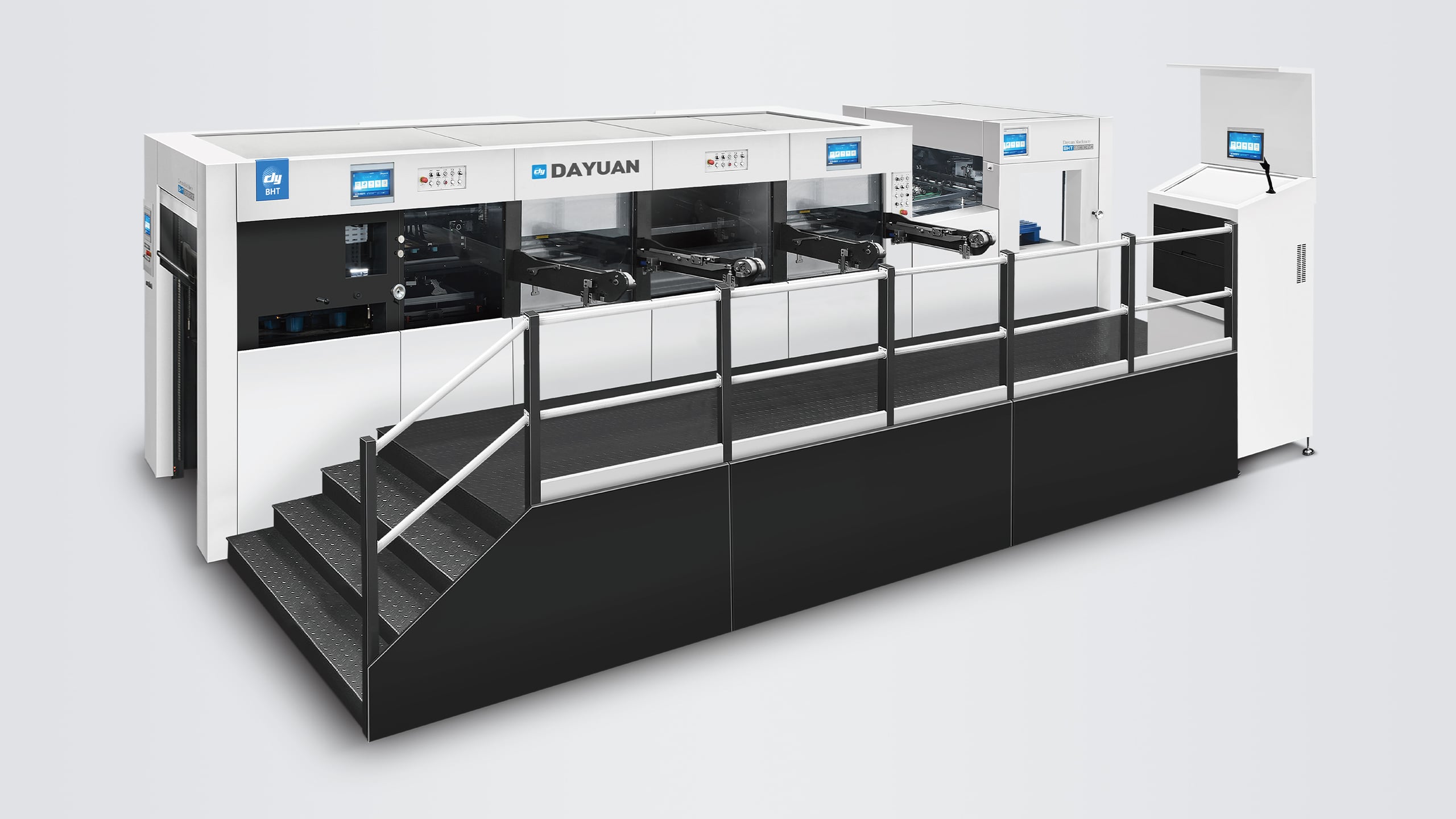
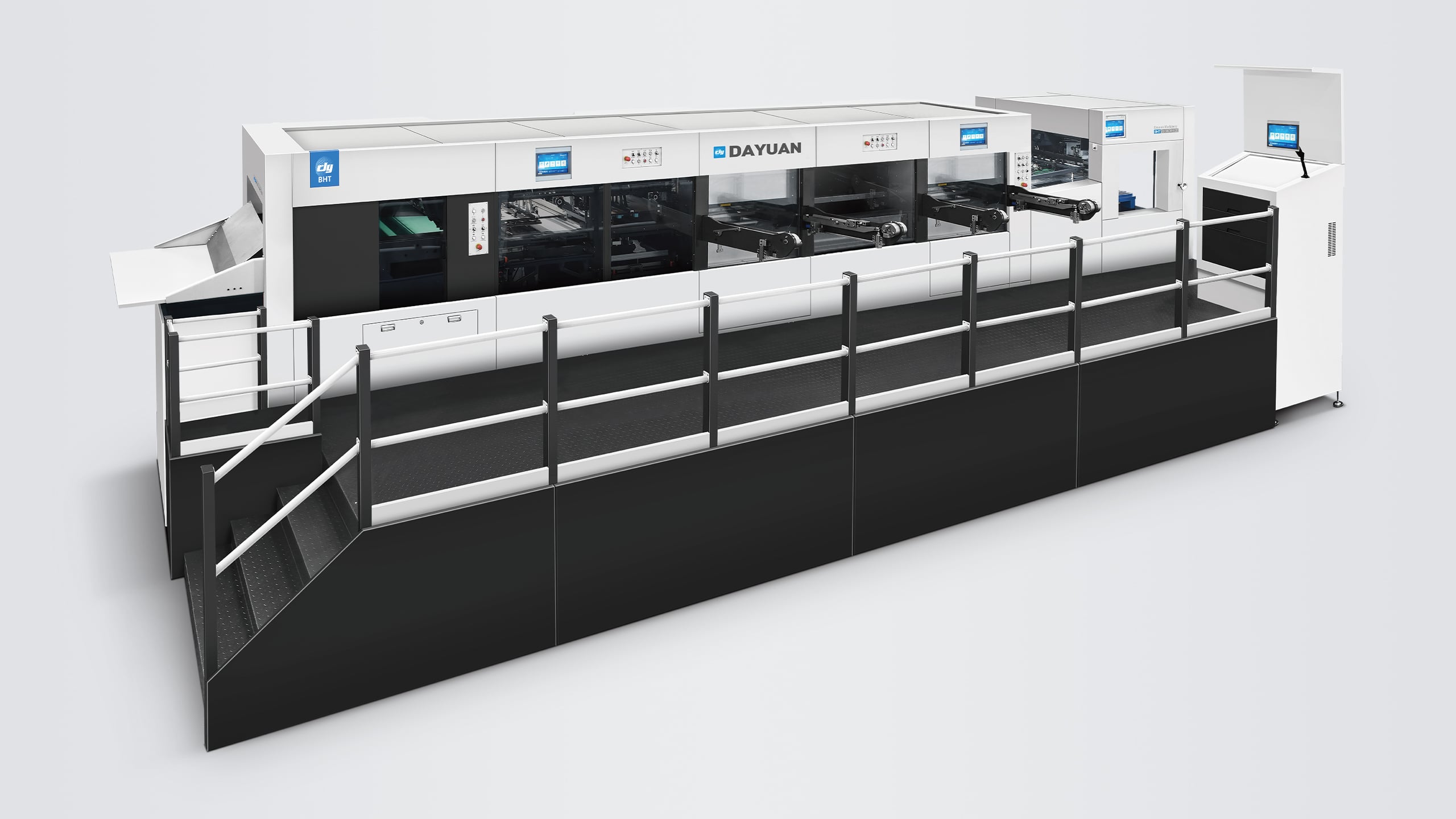
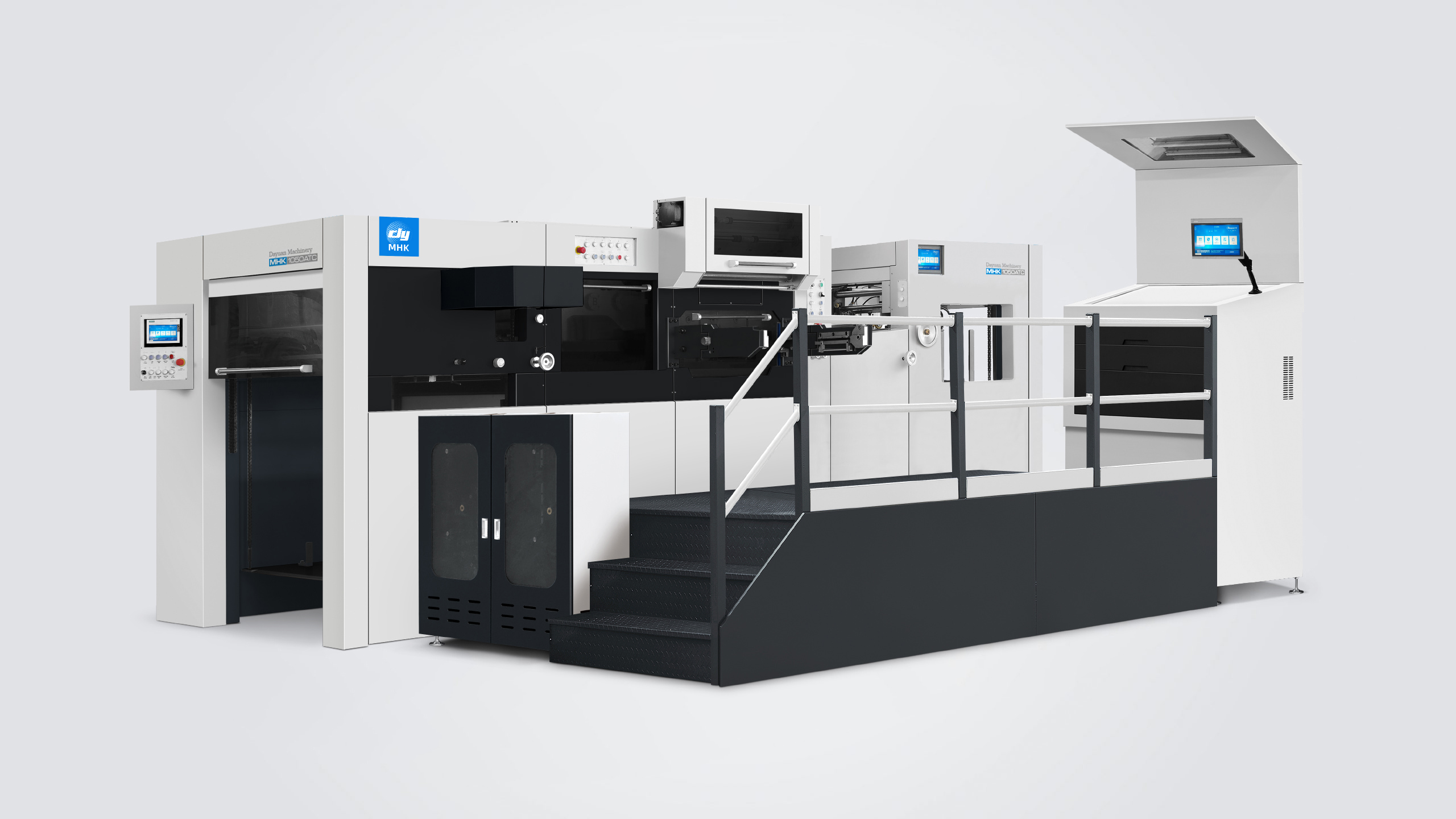
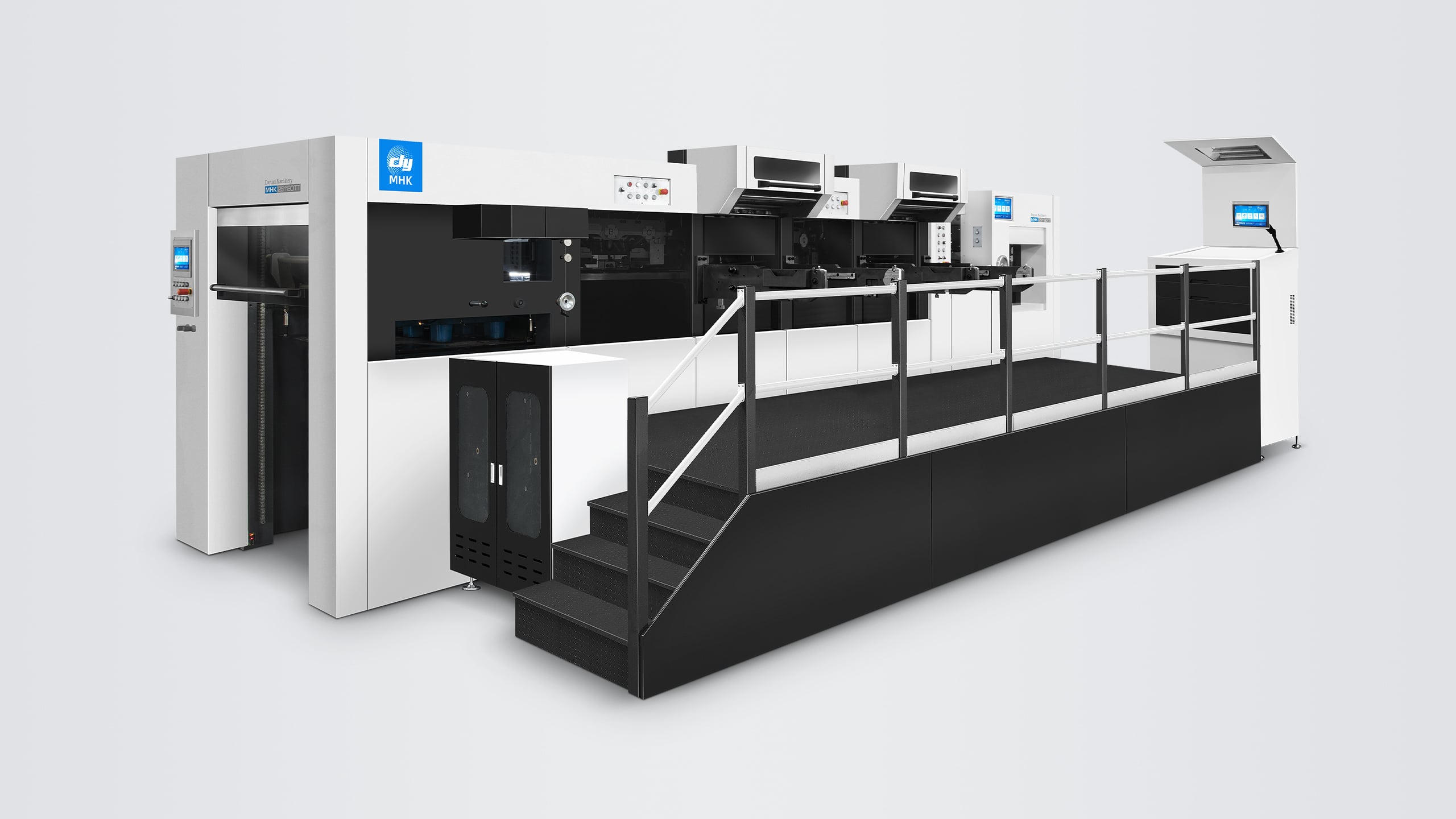
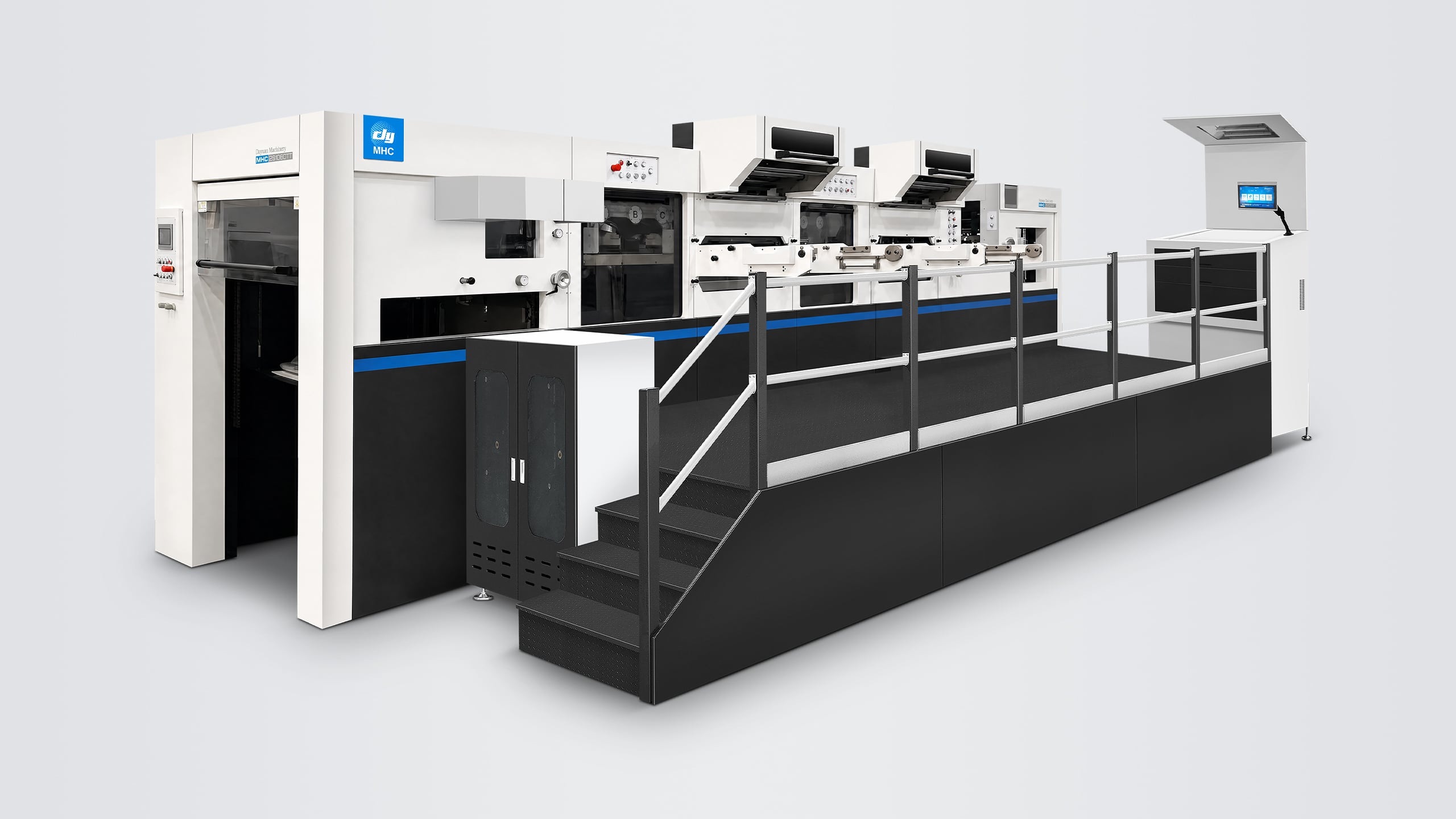
Dayuan Machinery focuses on paper cutting, printing, and post-press equipment. Its product range includes hot foil stamping and die-cutting machines, flatbed die-cutting machines, servo precision sheet cutter machines, and stripping and blanking machines. These machines serve different production stages, making it important for purchasers to match the equipment category to their required finishing process.
When evaluating a gold foil embossing machine manufacturer, buyers should first clarify the intended application. For paper printing and packaging, the key considerations may include the substrate format, foil design, finished appearance, and whether the production process requires foil stamping alone or a combination of stamping and die cutting. The capabilities of each machine should be checked against its official product documentation.
Material compatibility is equally important. Equipment intended for paper-based printing and packaging should not automatically be assumed to process leather, textiles, plastics, or other materials. Buyers should confirm the supported substrates and processing conditions for the specific model before placing an order.
Machine configurations can differ considerably. Heating arrangements, pressure adjustment, operating controls, feeding methods, and die dimensions should be evaluated based on the actual equipment specifications. Features such as variable speed settings, adjustable temperature controls, modular construction, or automated operation should not be treated as standard unless the manufacturer confirms them for the selected model.
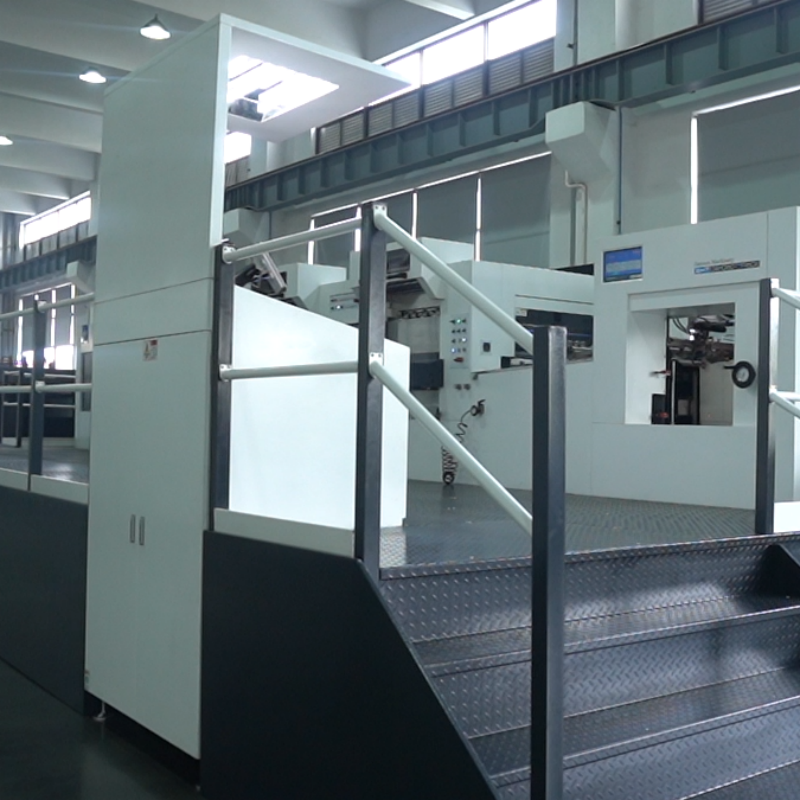
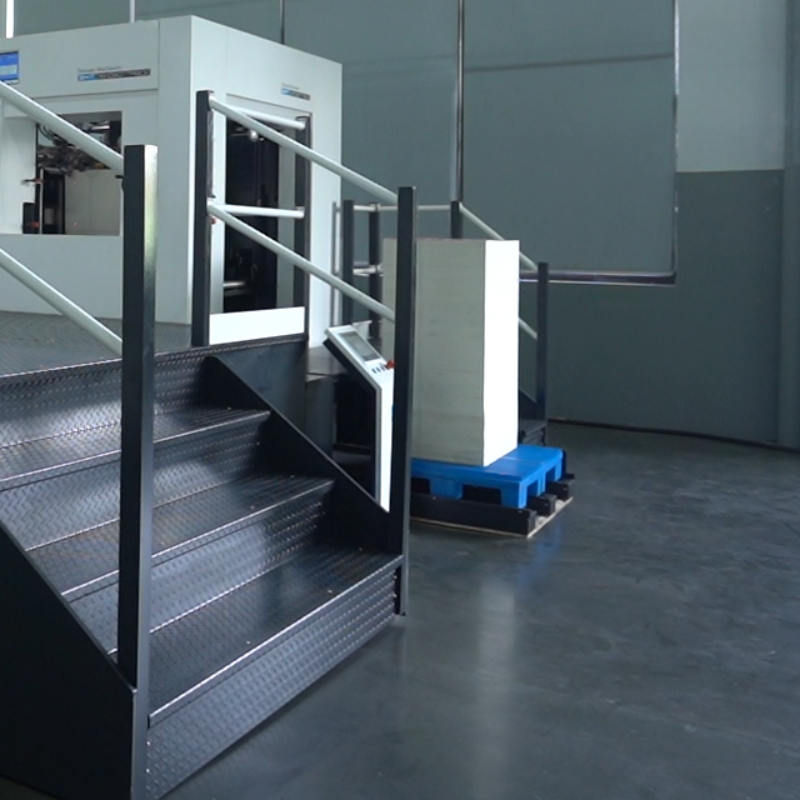
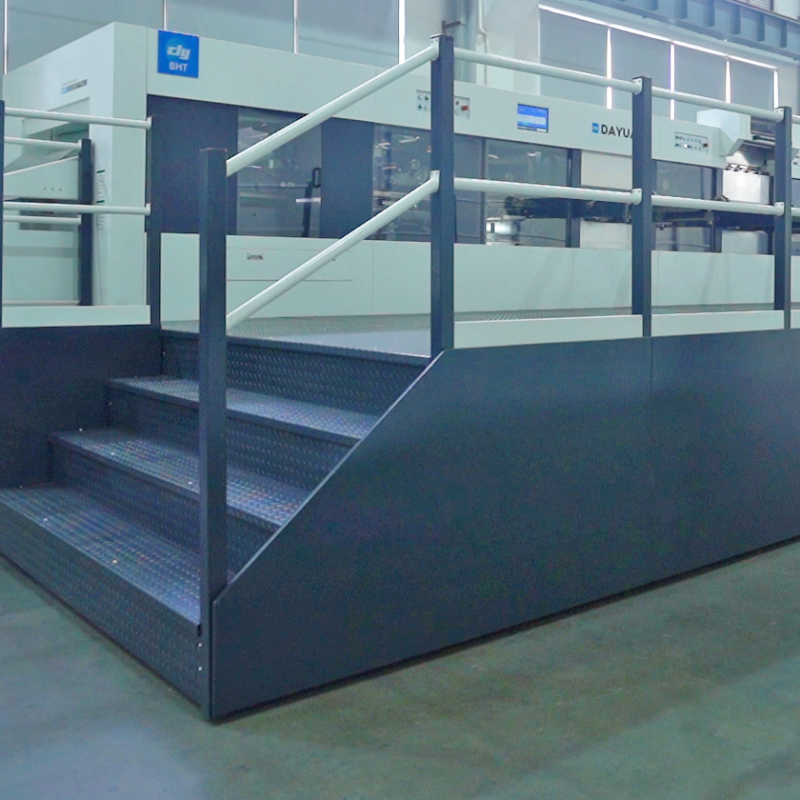
For production planning, purchasers should also consider the relationship between the finishing process and the rest of the workflow. The required output, material size, design complexity, and subsequent cutting or waste-removal steps can all influence equipment selection. Reviewing documented operating requirements, maintenance guidance, and safety information helps buyers assess whether a machine fits their production environment.
A reliable equipment comparison should focus on verifiable capabilities rather than general claims about efficiency, durability, or customization. By defining the desired foil effect, confirming material compatibility, and reviewing the functions of each model, printing and packaging businesses can make a more informed decision when sourcing suitable post-press equipment.
 EN