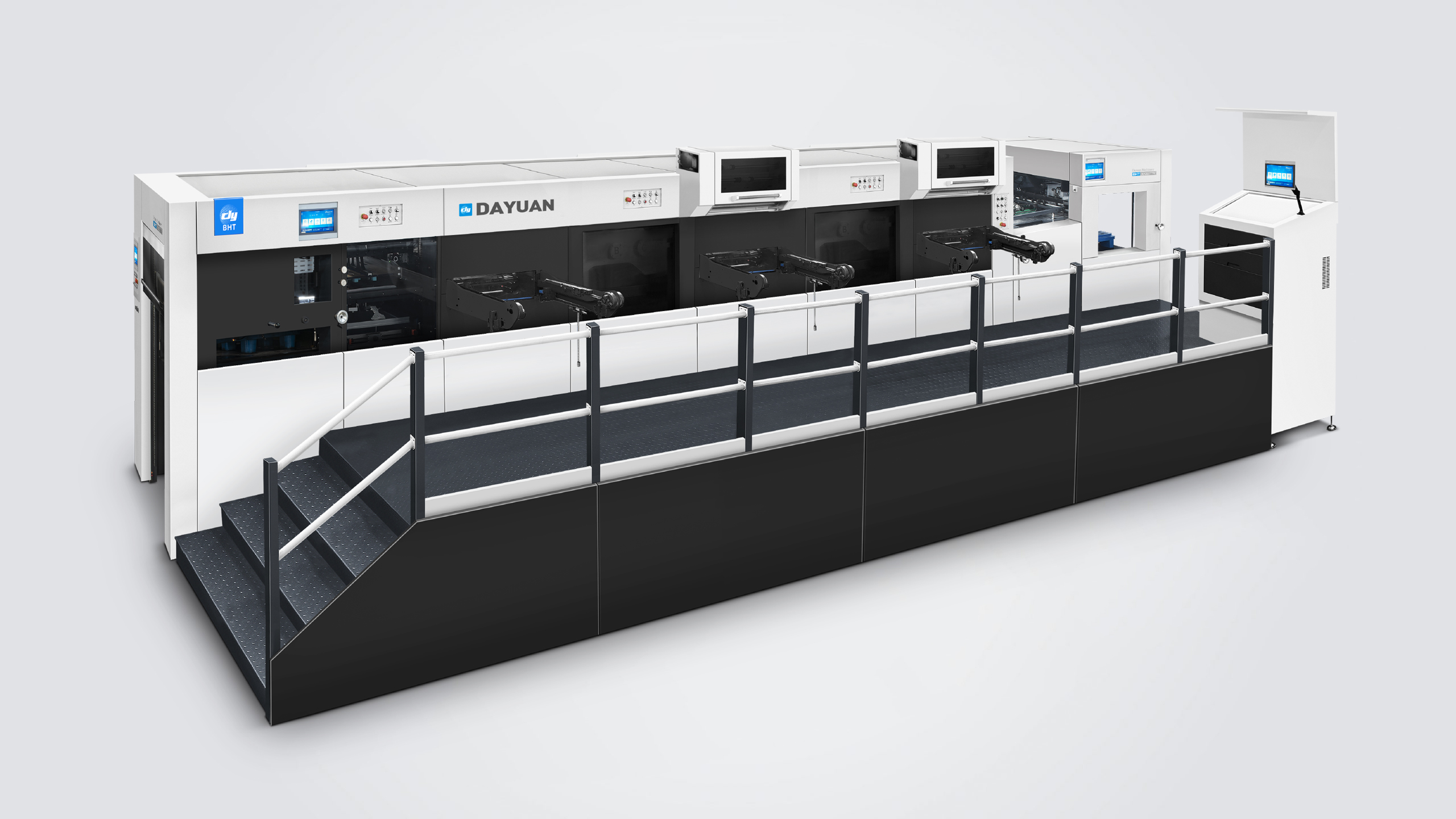
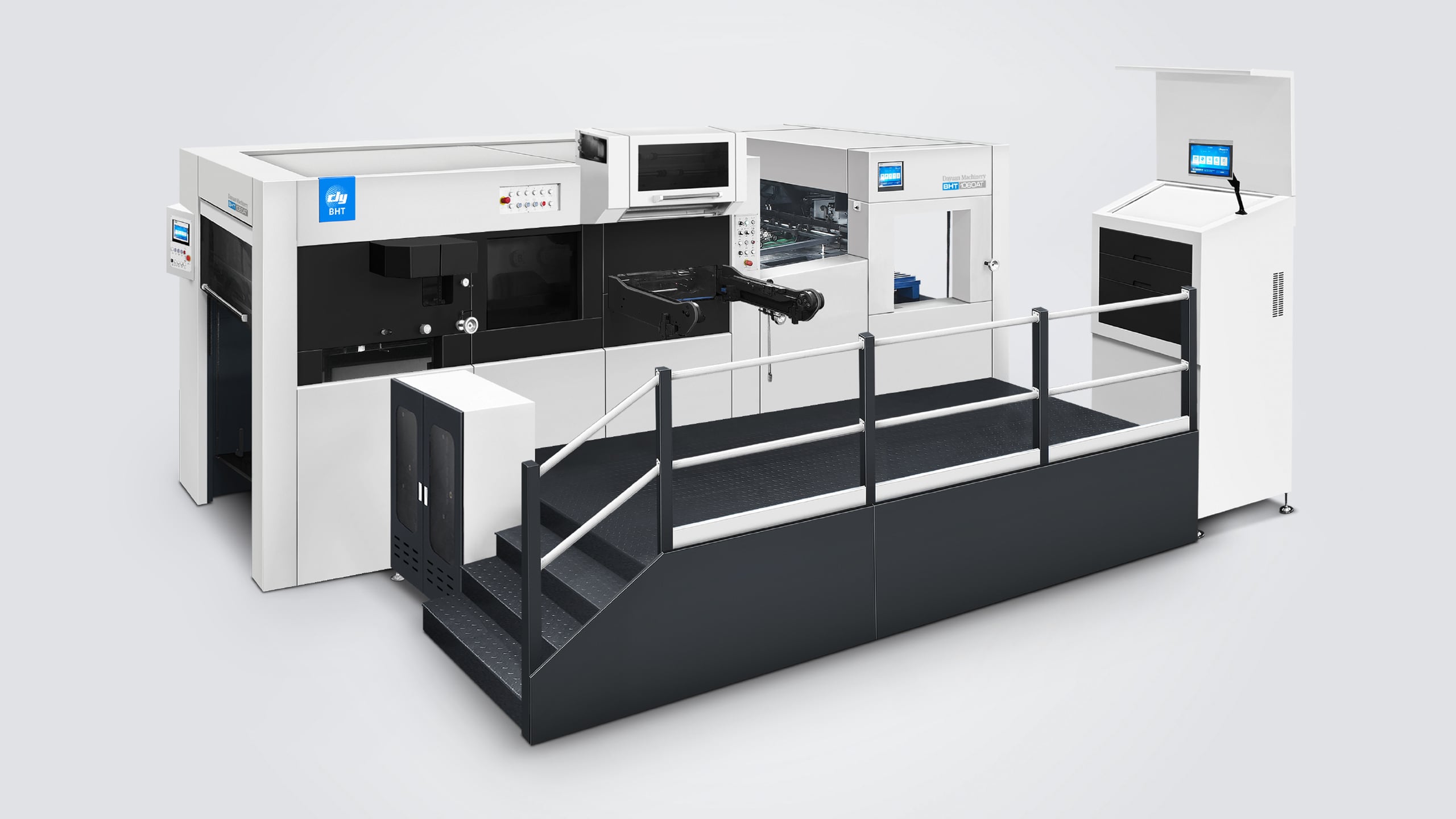
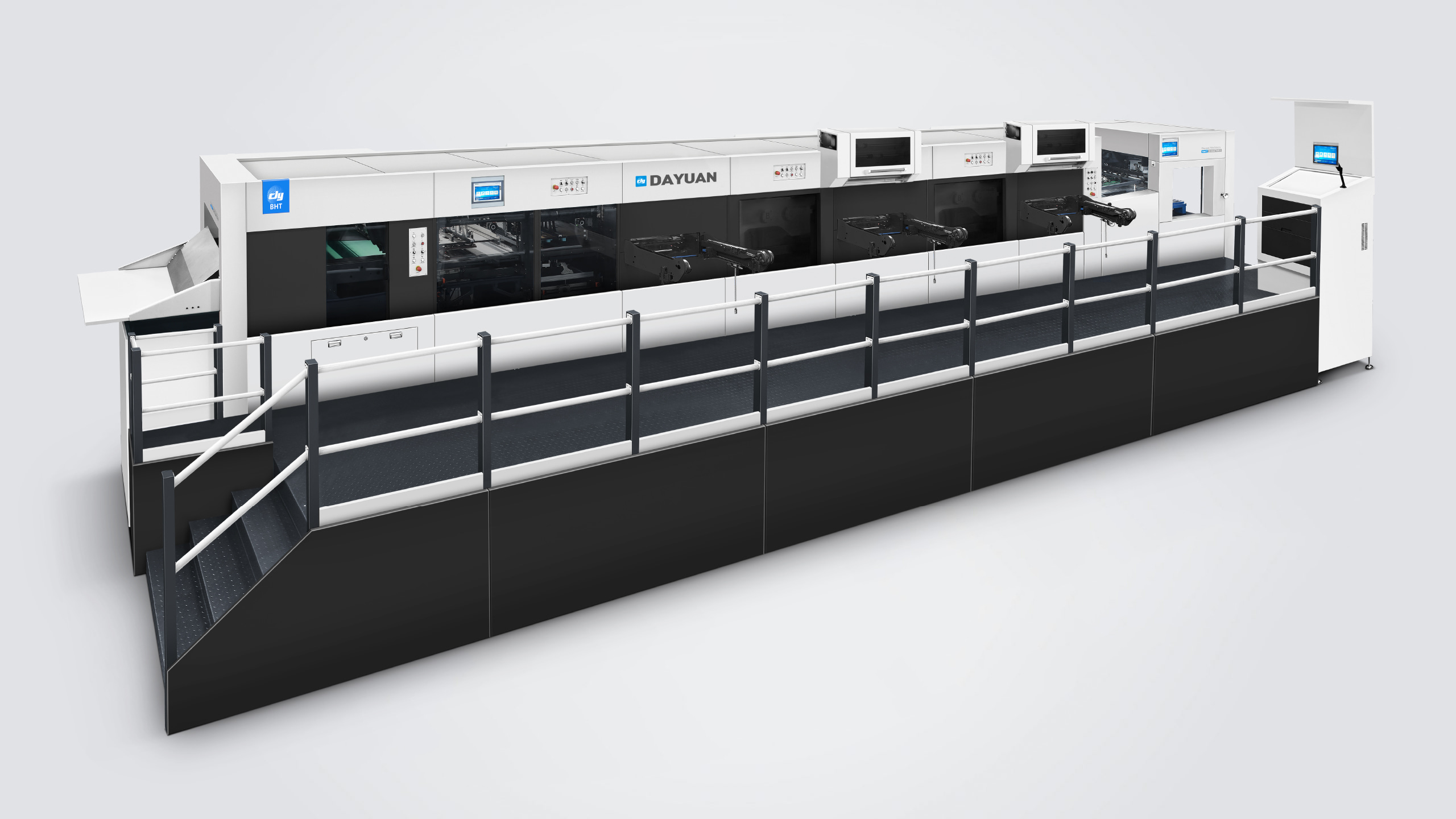
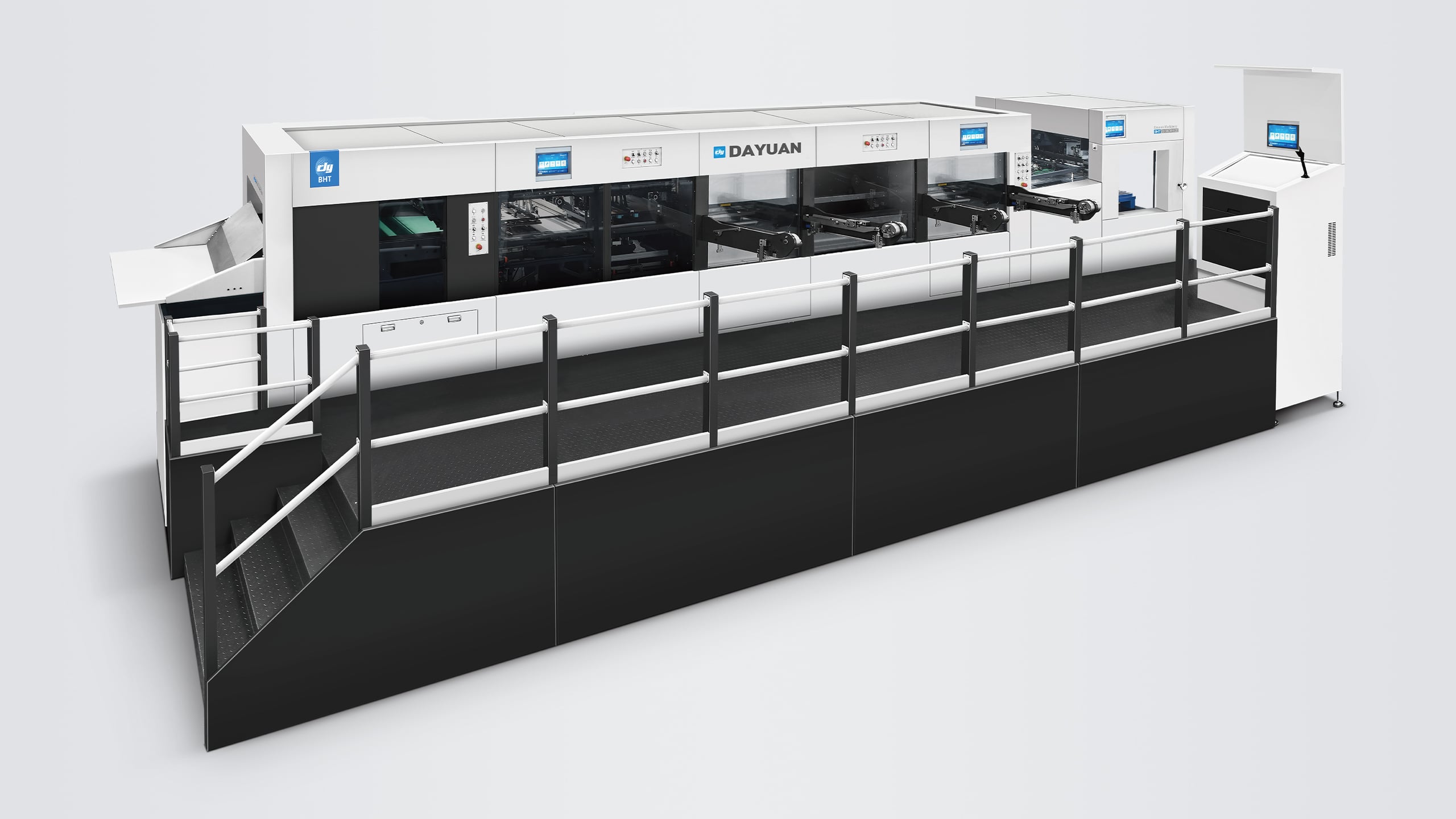
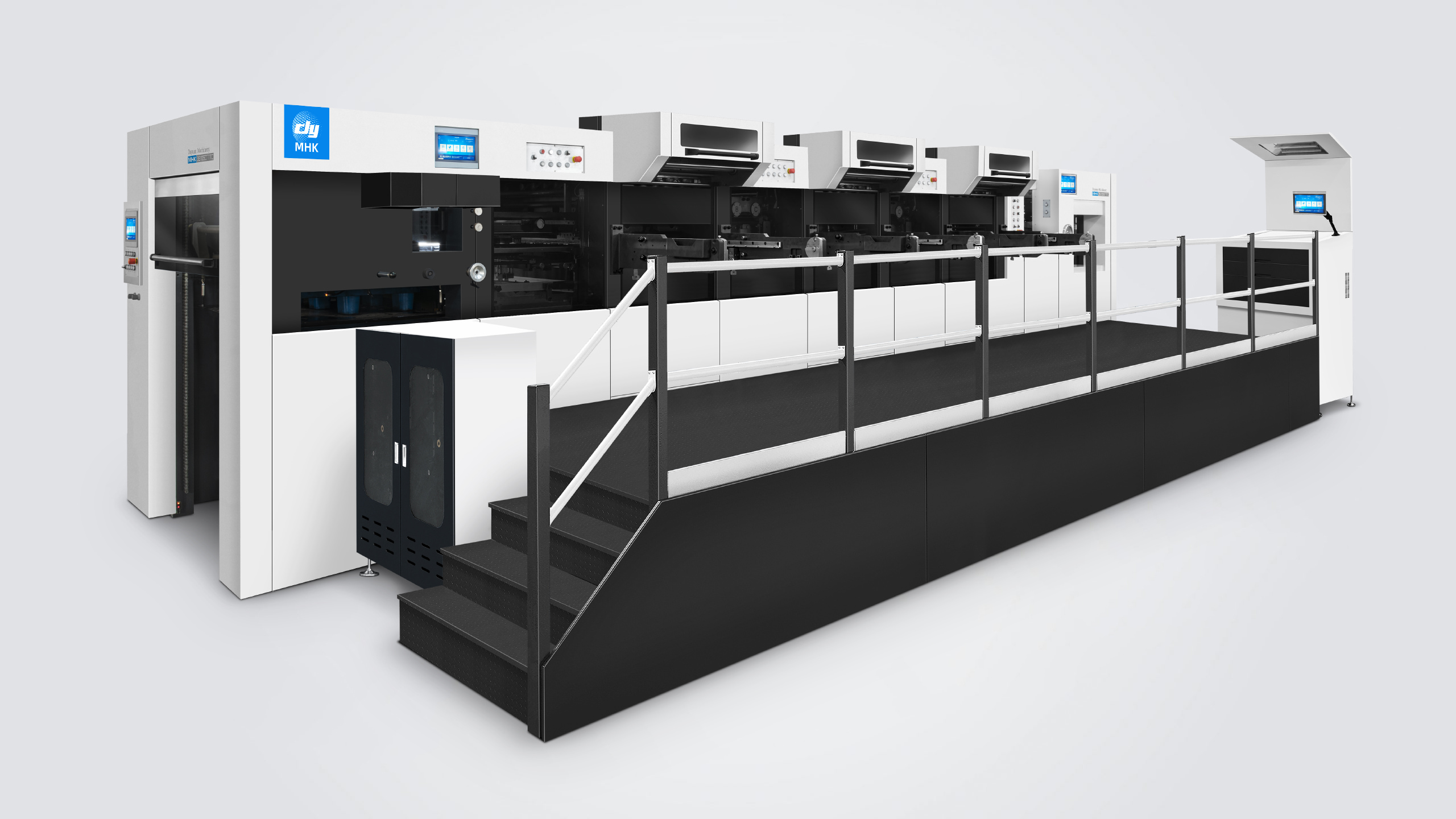
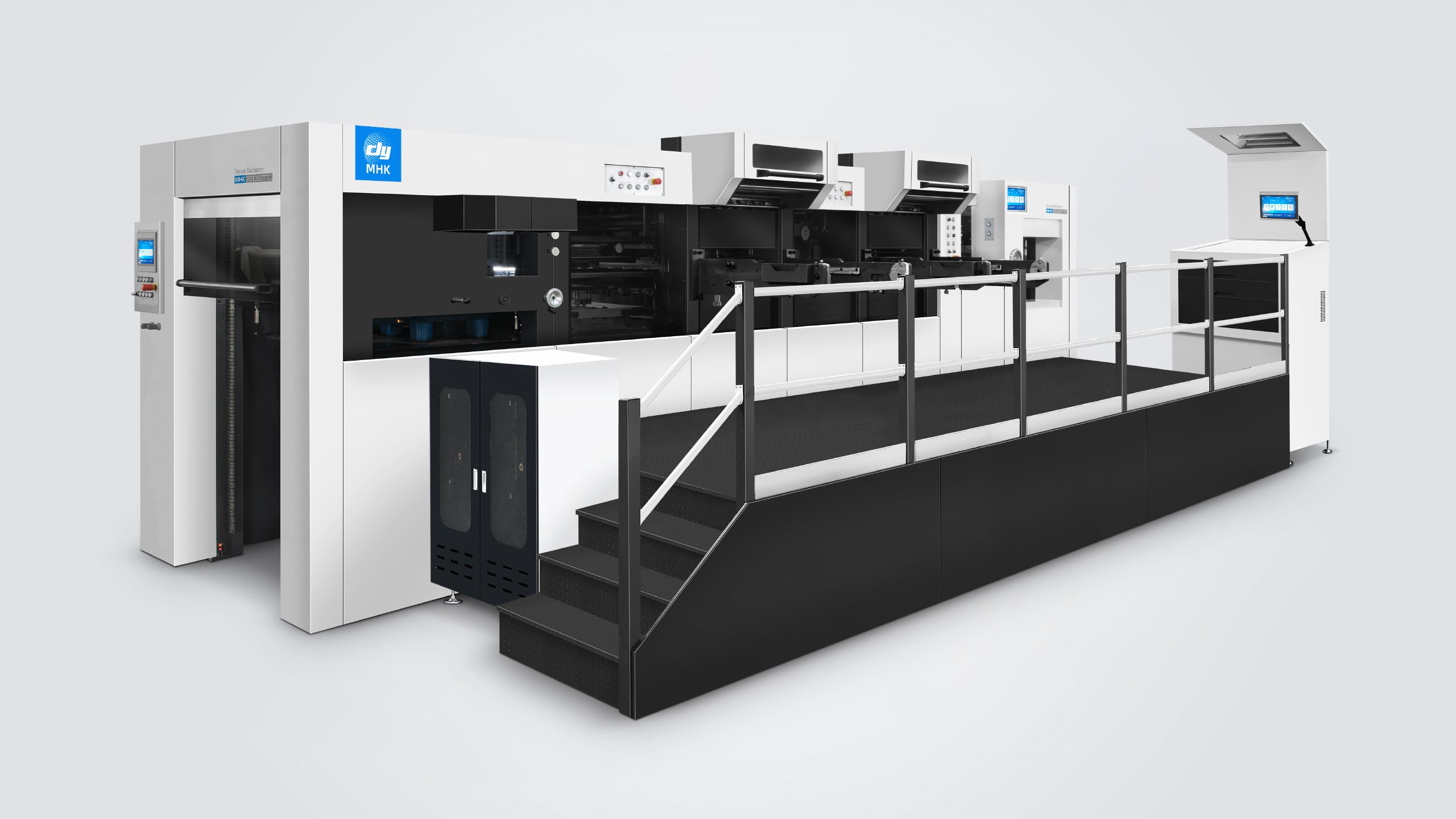
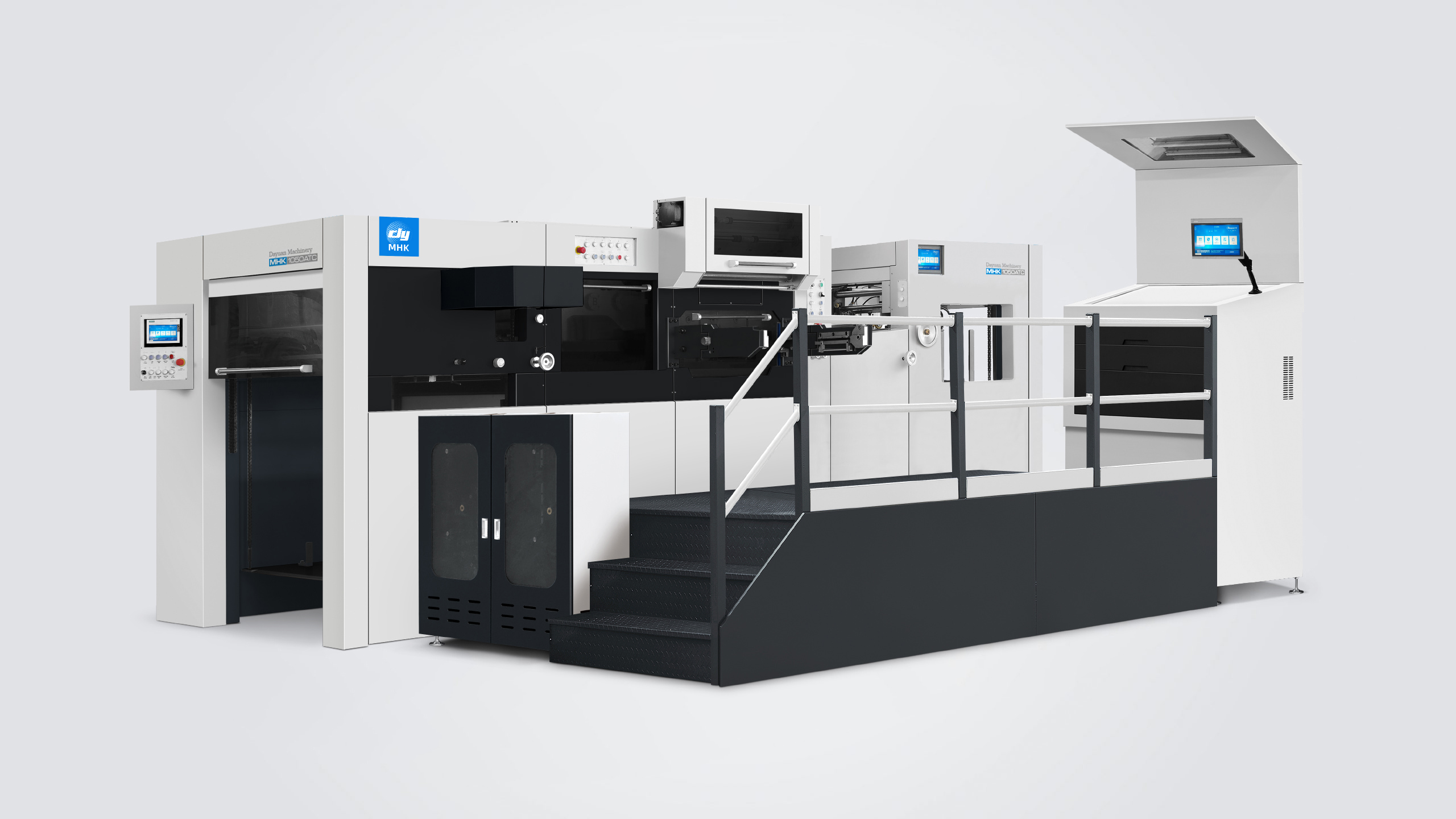
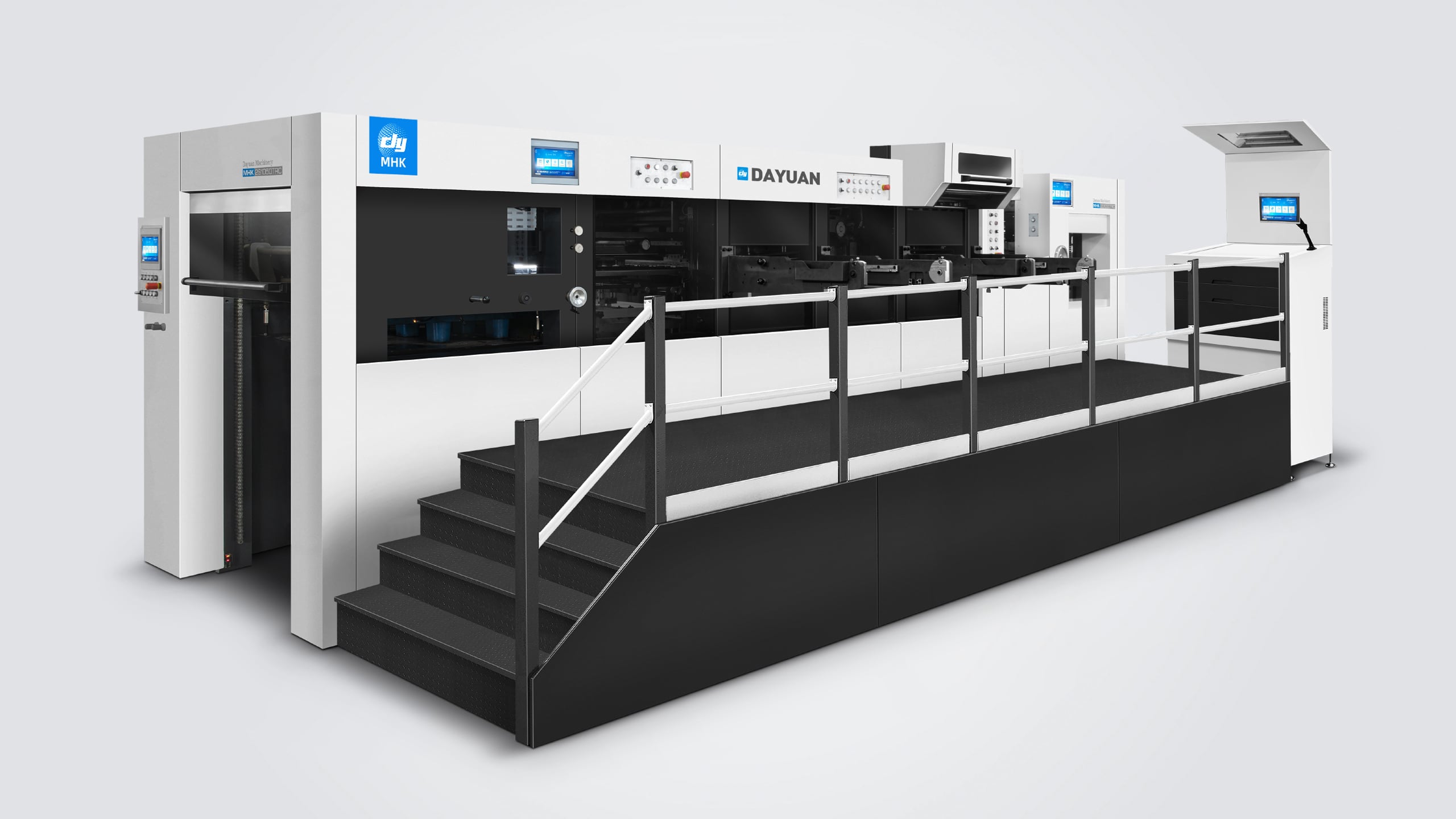
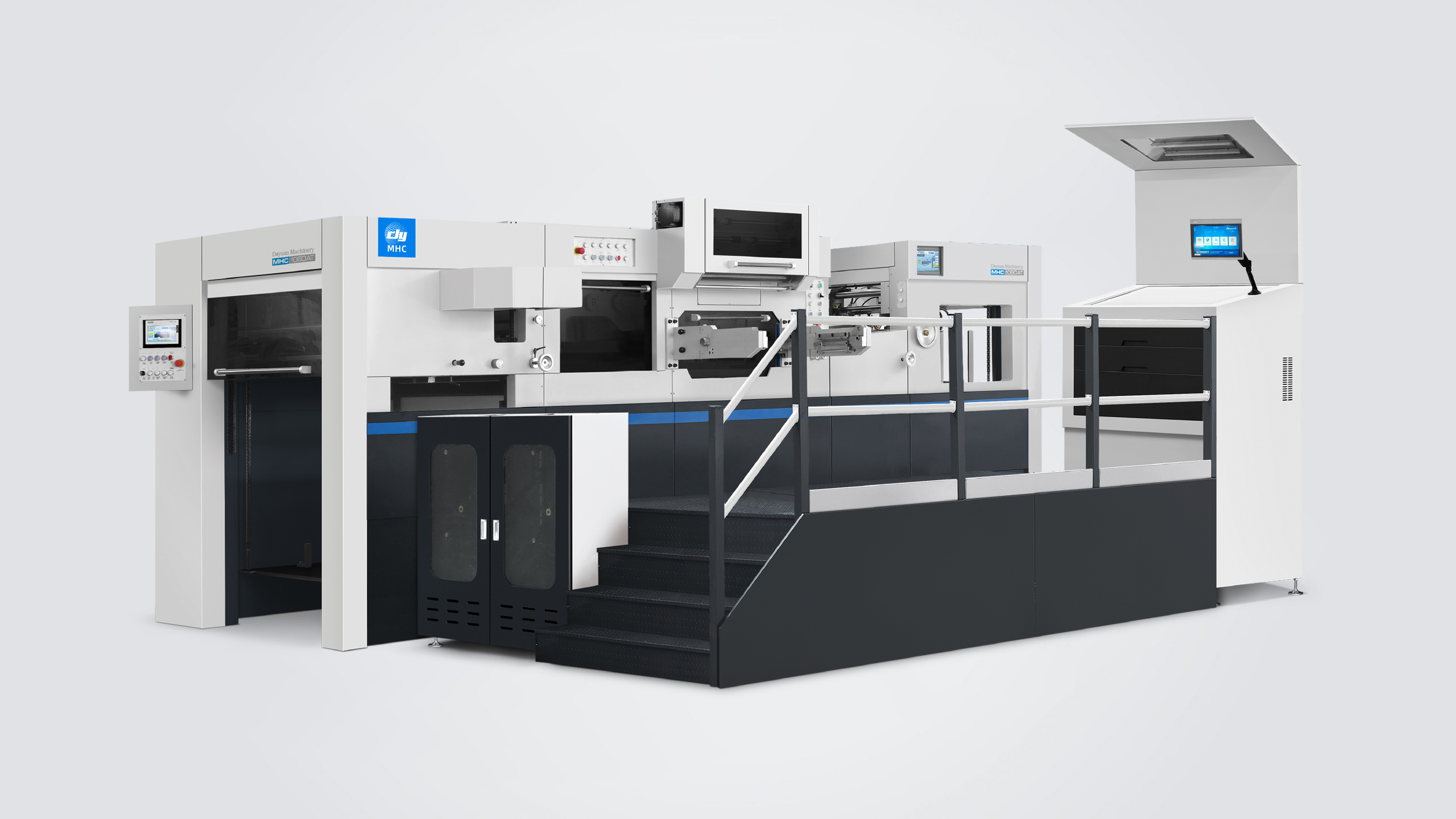
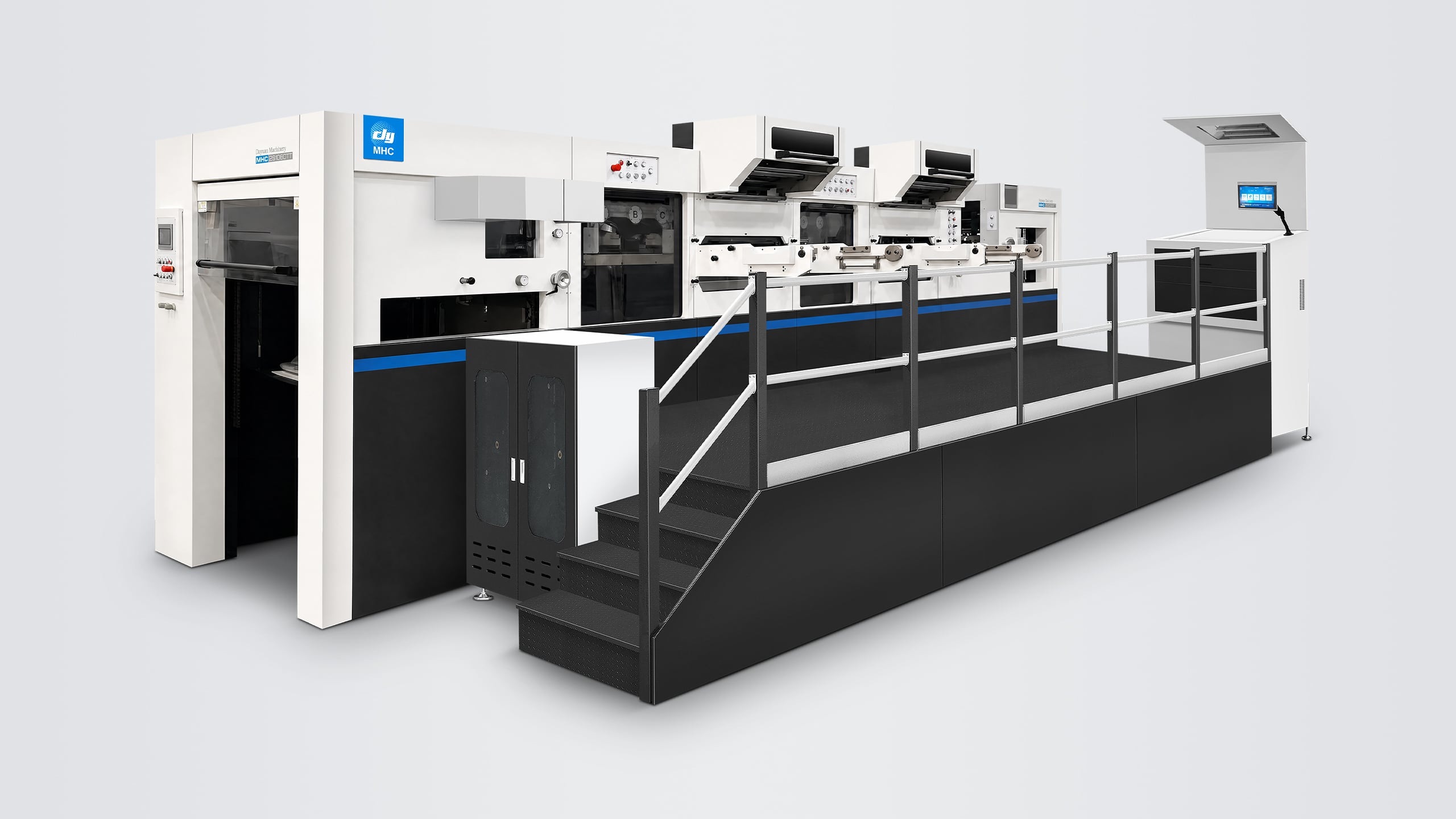
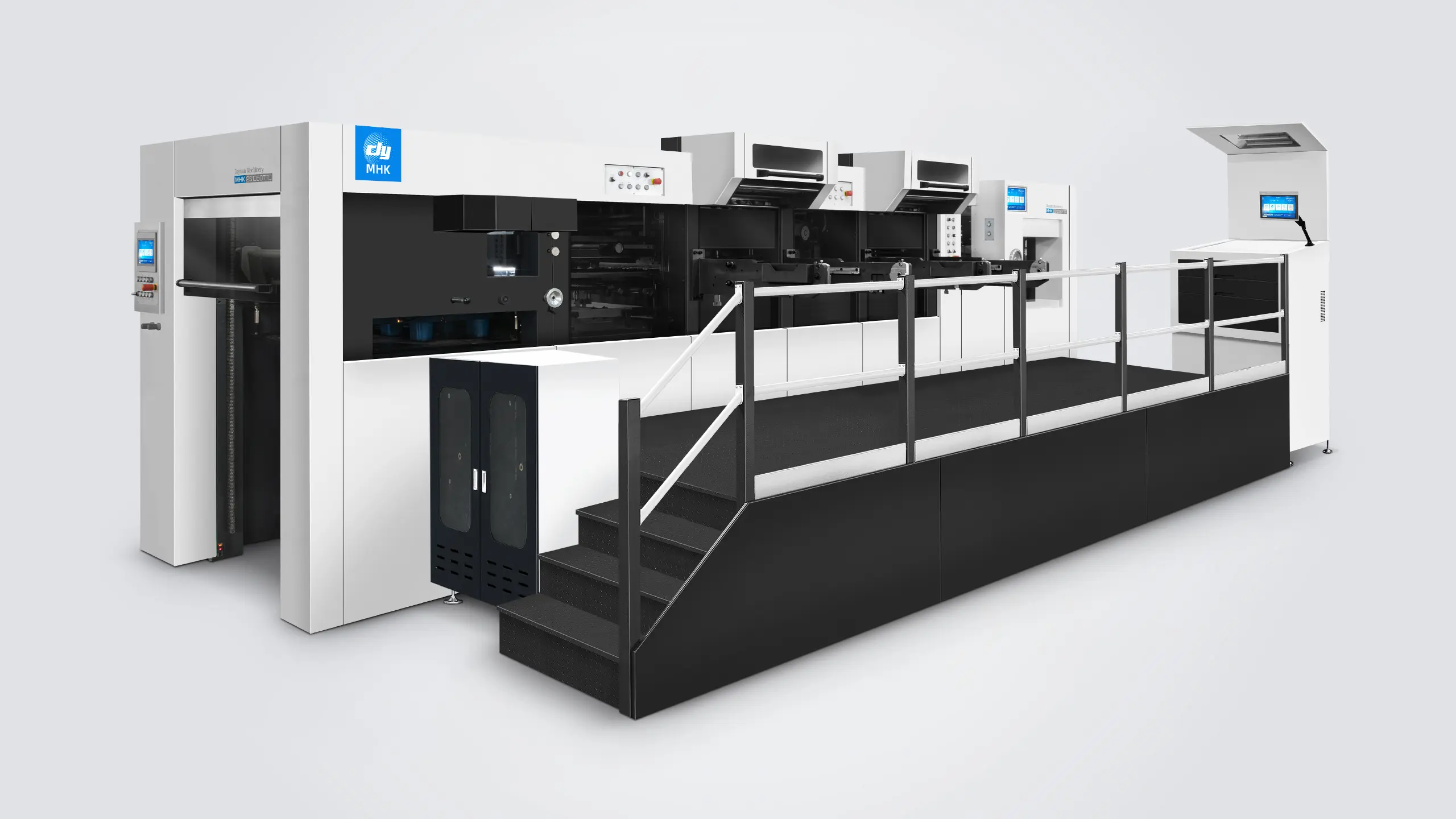
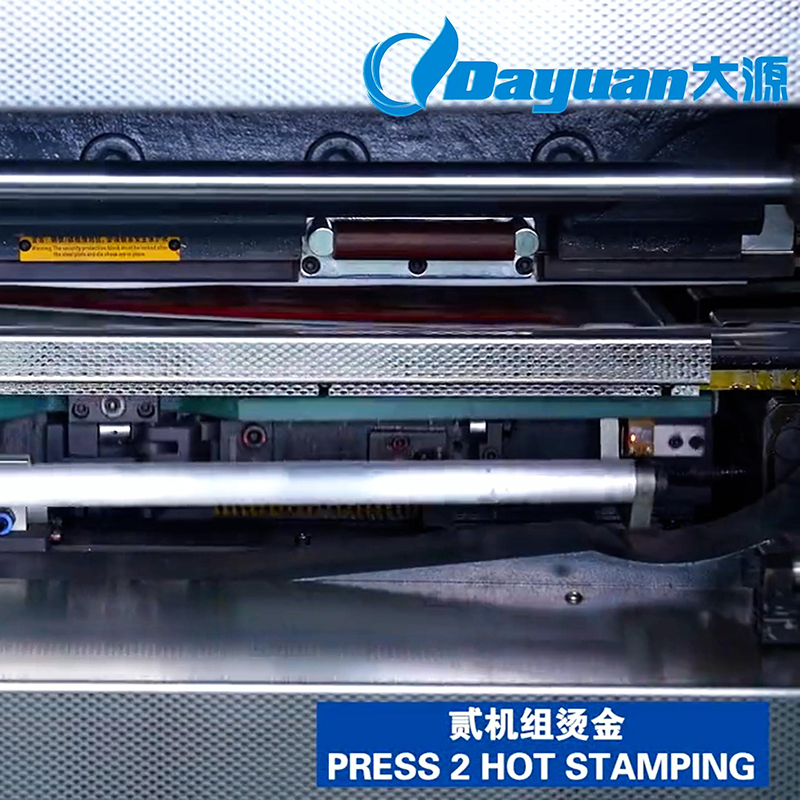
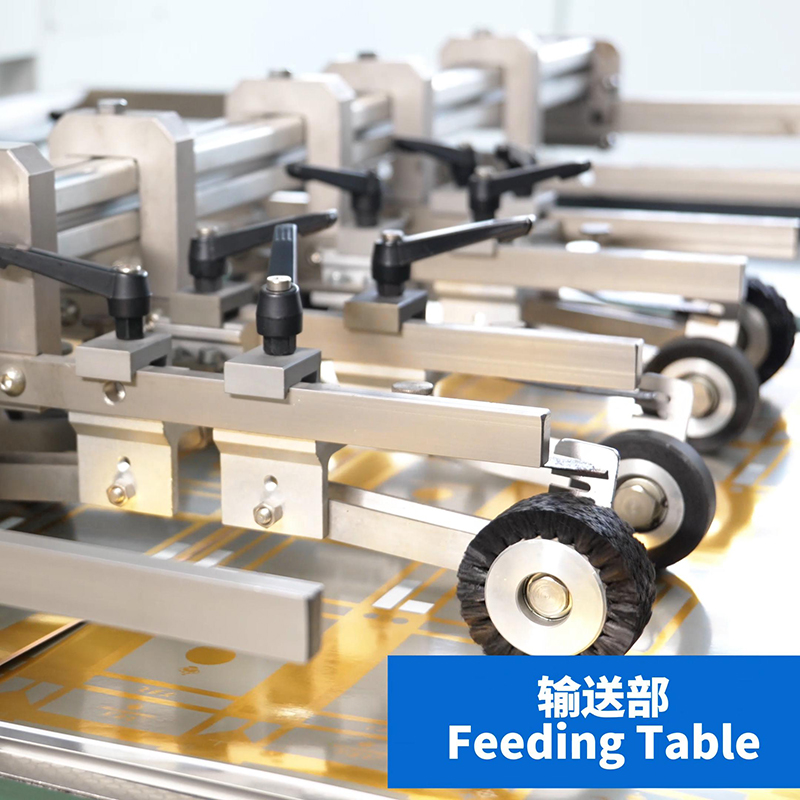
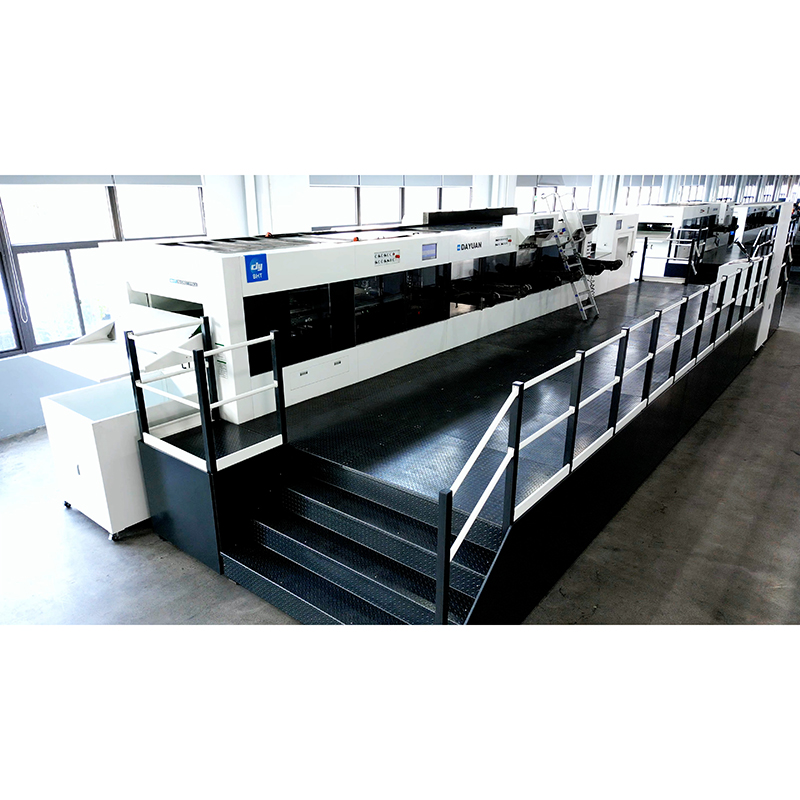
Hot foil stamping is a finishing process that transfers decorative foil onto a suitable substrate through heat and pressure. Embossing creates raised or recessed details on the material. In printing and packaging, these processes can be used to add metallic accents and dimensional effects to paper-based products. However, the ability to perform both operations in one machine depends on its design and configuration.
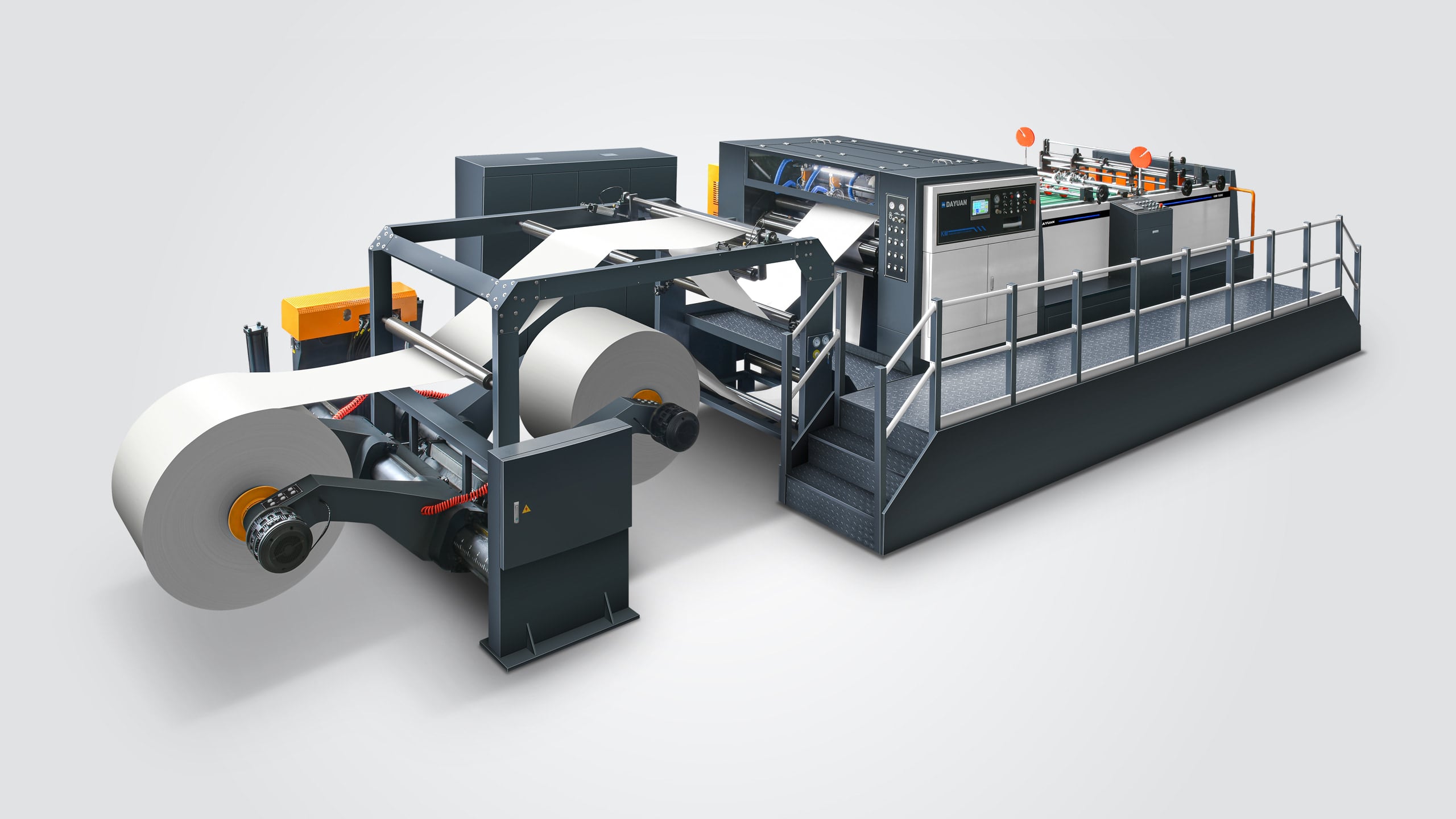
Dayuan Machinery specializes in paper cutting, printing, and post-press equipment. Its product range includes hot foil stamping and die-cutting machines, flatbed die-cutting machines, servo precision sheet cutter machines, and stripping and blanking machines. These equipment categories serve different production requirements, so buyers should identify the required finishing process before selecting a machine.
When evaluating a hot foil stamping and embossing machine, purchasers should first determine whether the project requires foil stamping alone, embossing alone, or both processes. They should also establish whether die cutting is needed as part of the same production stage. A machine that combines hot foil stamping and die cutting should not automatically be assumed to support every embossing process, so the available functions should be confirmed in the product documentation.
Material compatibility is another important consideration. For paper and packaging applications, buyers should check which paper types, cardboard grades, and sheet dimensions are supported by the selected model. Compatibility with leather, plastics, textiles, or other substrates should not be assumed without verified specifications. Material characteristics and the desired finished effect may influence the appropriate equipment configuration.
Machine specifications also require careful review. Heating systems, pressure adjustment, foil feeding arrangements, operating controls, and die configurations can vary between models. Details such as operating temperature ranges, automated foil feeding, multiple foil channels, digital controls, and the ability to complete multiple processes in one pass should only be included when confirmed by the manufacturer's technical information.
Buyers should also consider how the machine fits into their overall production workflow. Printed sheets may require foil stamping before die cutting, followed by waste removal or other finishing operations. Dayuan's product portfolio covers several relevant post-press equipment categories, but purchasers should verify whether the required operations are integrated into one machine or performed by separate units.
Before making a purchasing decision, review the machine's documented functions, material compatibility, working dimensions, operating requirements, and safety information. Production volume, design complexity, required foil effects, and available installation space can help determine which model is suitable. Claims about production speed, energy consumption, waste reduction, durability, and maintenance should be assessed using verified specifications rather than generalized descriptions.
For printing and packaging businesses, equipment selection should begin with the desired finished result and the production steps needed to achieve it. Confirming the machine's actual capabilities and compatible materials helps buyers choose appropriate post-press equipment without assuming that every model combines hot foil stamping, embossing, and die cutting.
 EN