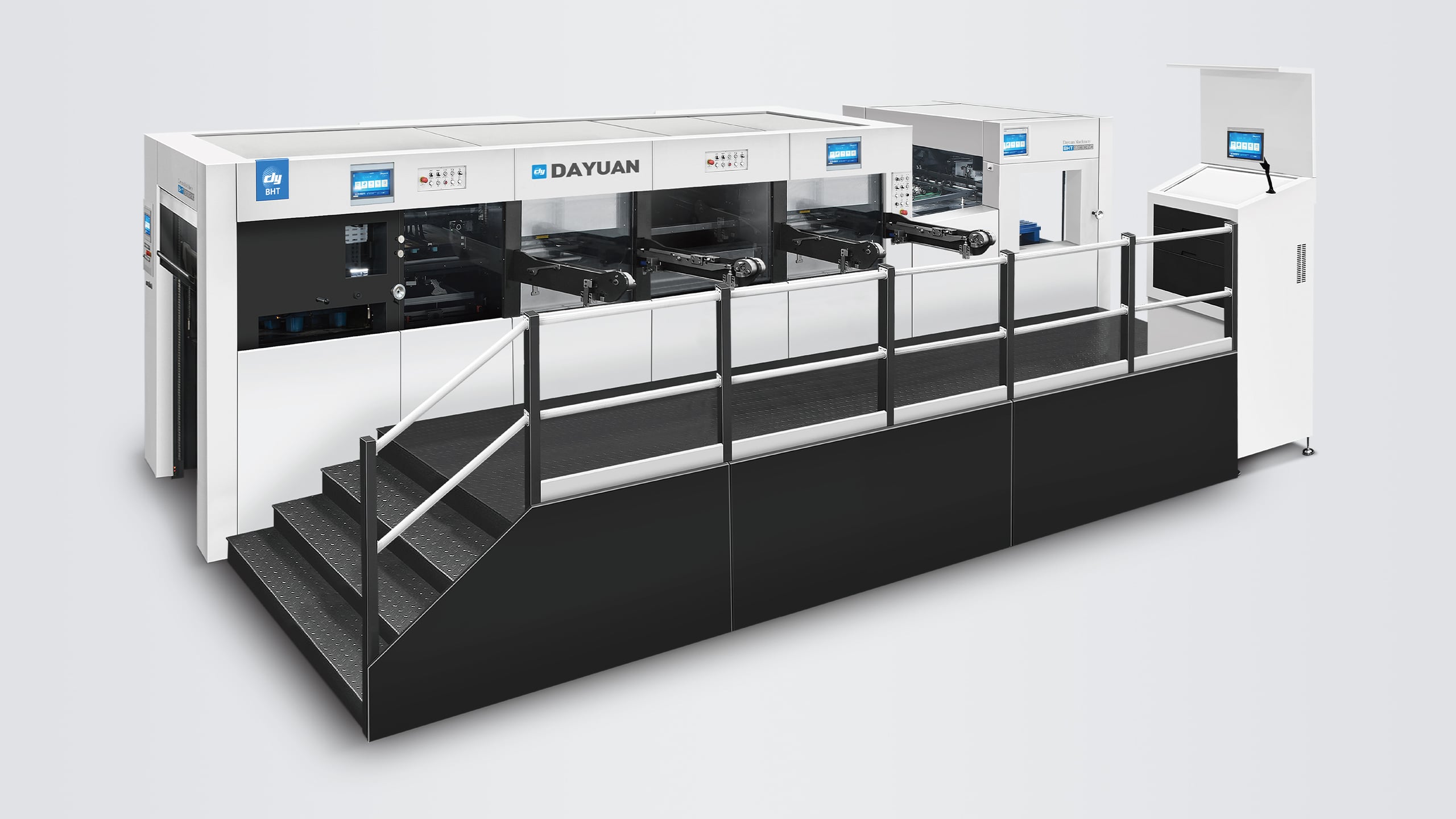
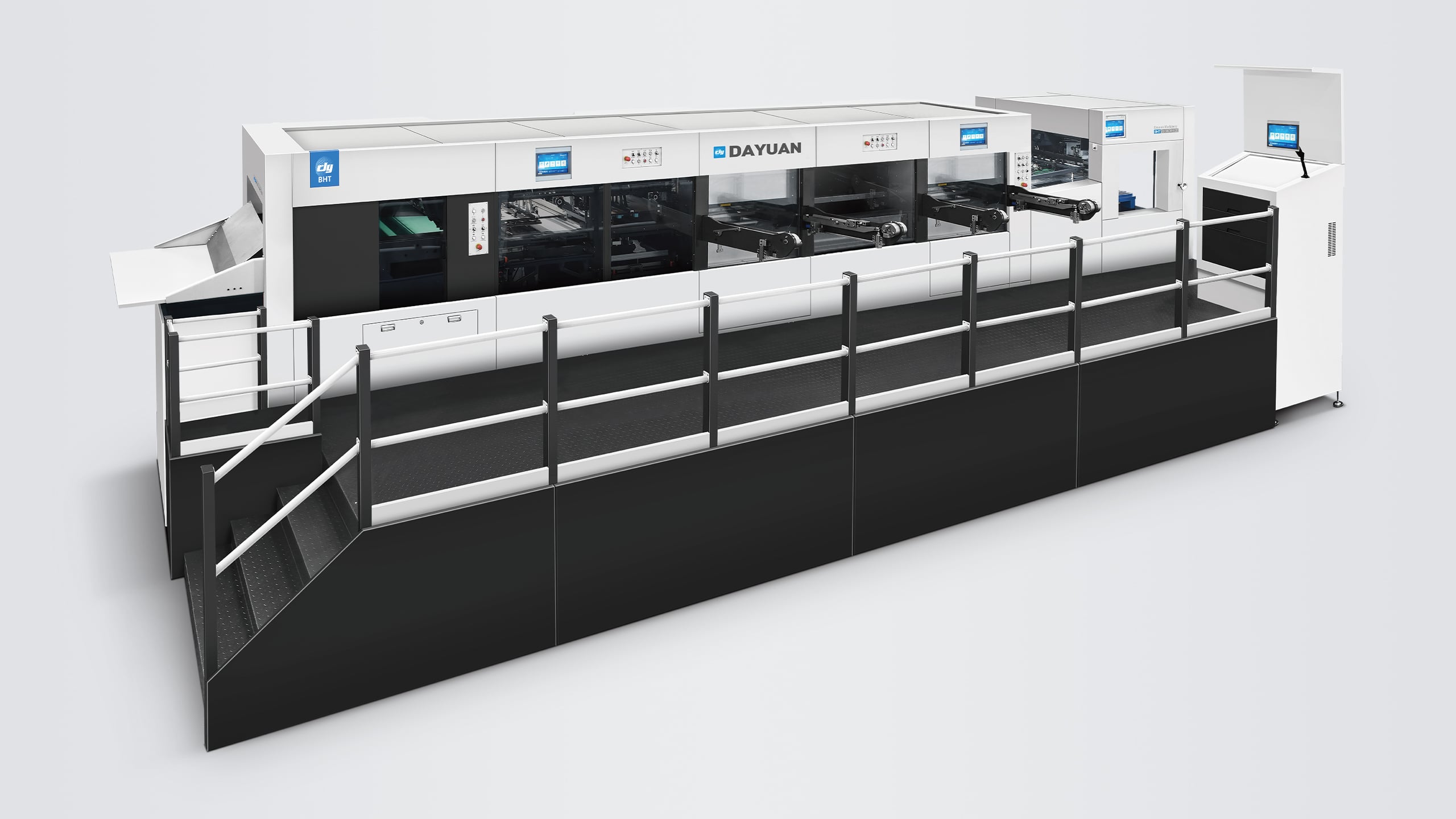
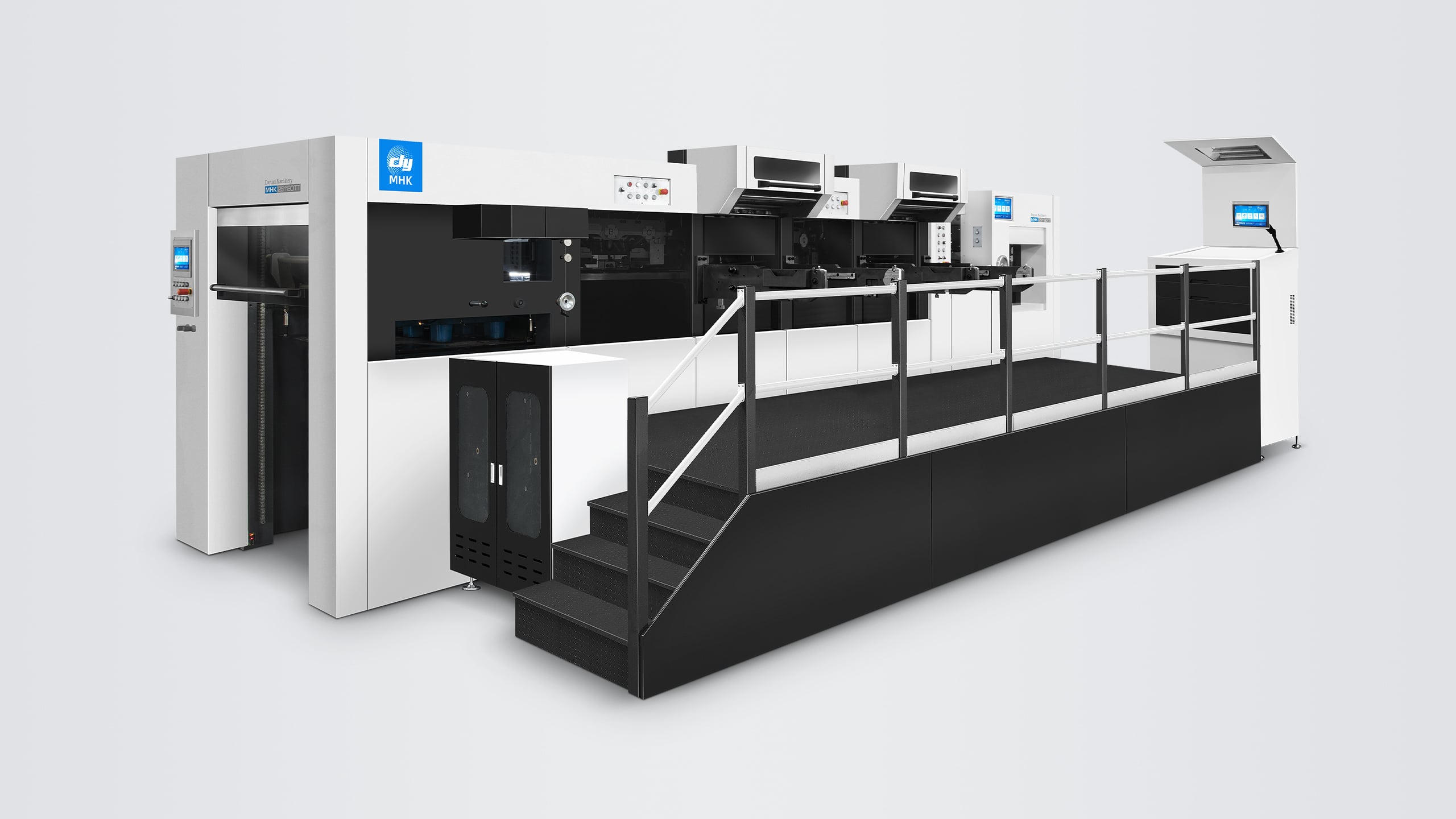
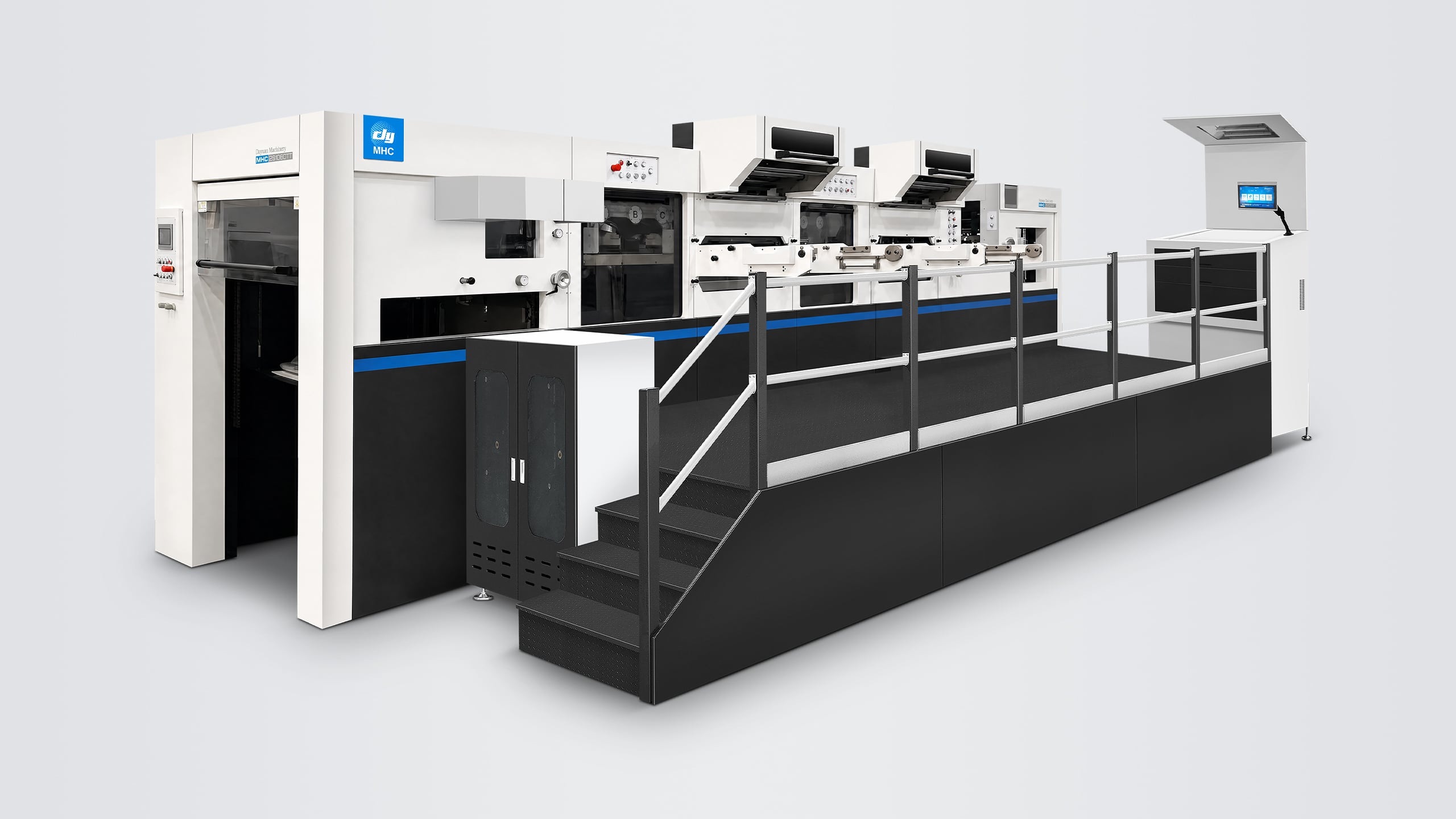
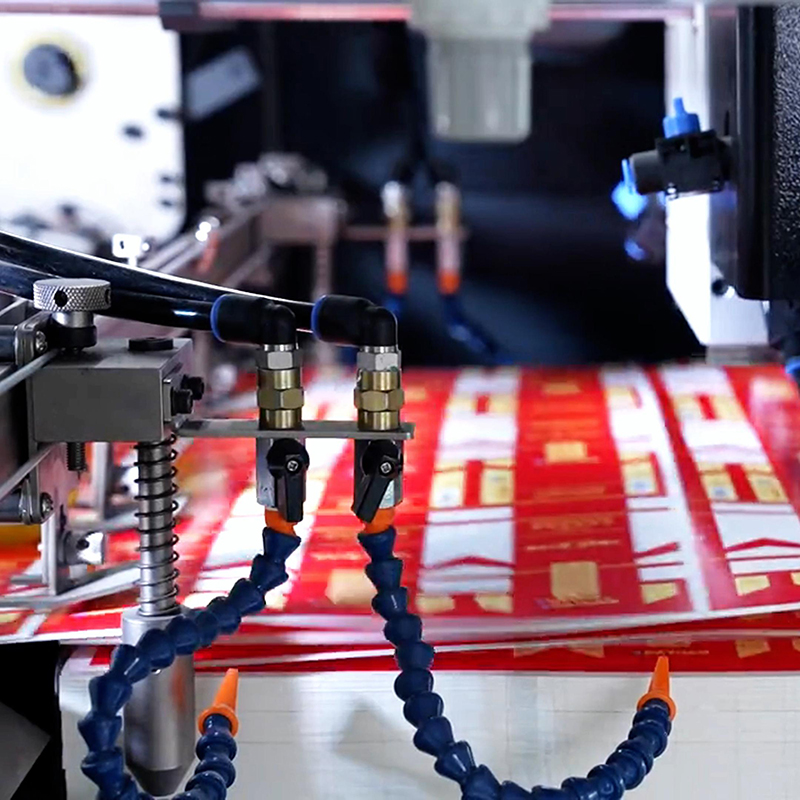
Foil stamping and embossing are finishing processes used to add decorative effects to printed materials. Foil stamping transfers metallic or pigmented foil onto a suitable substrate, while embossing creates raised or recessed details. Depending on the machine's design, these processes may be performed separately or combined in a single production workflow. Buyers should confirm the actual functions of the selected model rather than assume that every foil stamping machine also supports embossing.
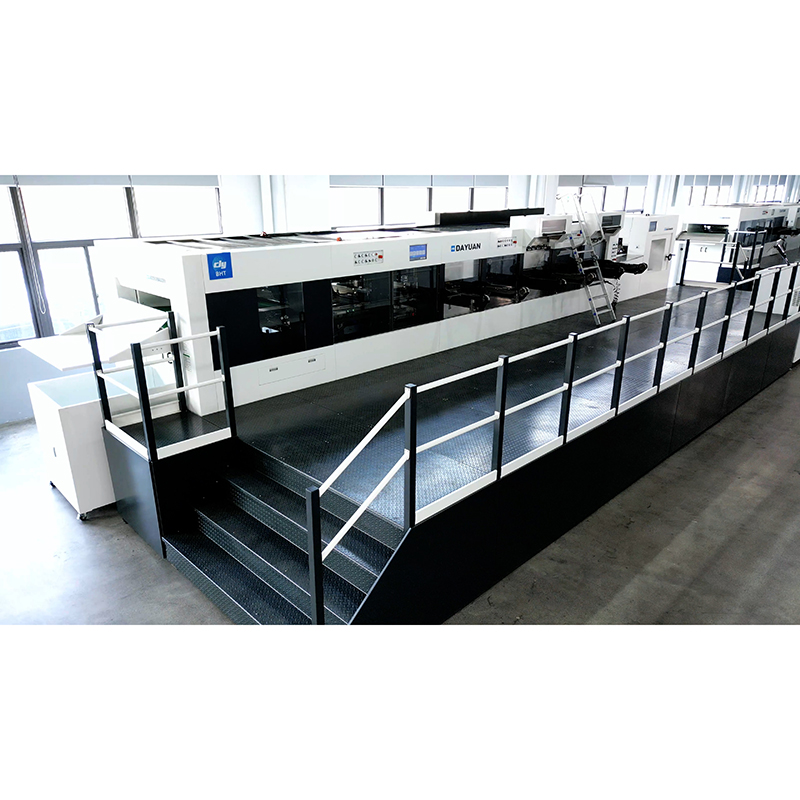
Dayuan Machinery focuses on paper cutting, printing, and post-press equipment for printing and packaging applications. Its product range includes hot foil stamping and die-cutting machines, flatbed die-cutting machines, servo precision sheet cutter machines, and stripping and blanking machines. These equipment categories support different stages of paper processing, making it important to match the machine to the intended finishing requirements.
When evaluating a foil stamping and embossing machine, buyers should first define the desired finished effect. Some projects require foil decoration alone, while others need raised patterns or a combination of decorative effects and die cutting. Understanding the required process helps purchasers determine whether a dedicated hot foil stamping machine or a machine combining stamping and die cutting is more appropriate.
Material compatibility is another essential consideration. For printing and packaging applications, purchasers should confirm which paper and cardboard types the machine is designed to handle. Compatibility with leather, plastics, textiles, or other substrates should not be assumed without supporting product specifications. Material thickness, sheet dimensions, and the characteristics of the finished product should all be considered during equipment selection.
Machine configurations can vary by model. Heating arrangements, pressure adjustment, operating controls, feeding methods, and die-changing procedures should be assessed against the manufacturer's documented specifications. Features such as digital control panels, automated feeding, servo motors, registration systems, and rapid die changes should only be attributed to a machine when they are confirmed in its technical documentation.
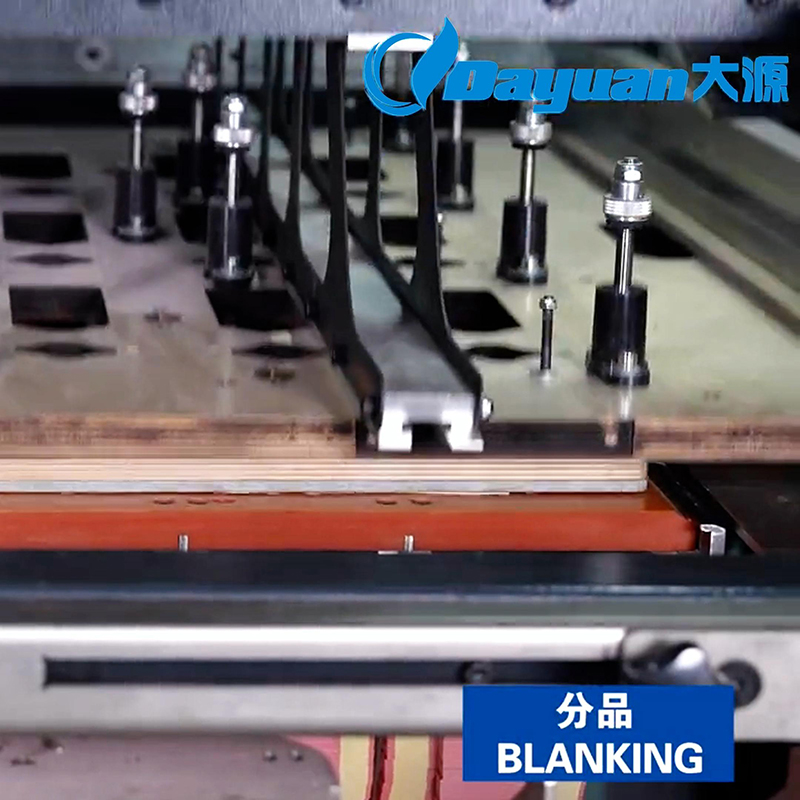
Buyers should also consider how the finishing process fits into the wider production workflow. For example, packaging production may require foil stamping followed by die cutting or waste removal. Dayuan's product portfolio includes equipment for several post-press operations, but purchasers should check whether the required functions are integrated into one machine or need separate equipment.
Before making a purchasing decision, review the supported materials, working dimensions, operating requirements, and safety documentation. Production volume, design complexity, required finishing effects, and available installation space can help narrow the options. Claims about energy efficiency, production speed, reduced waste, and maintenance requirements should be assessed using verified specifications for the individual model.
For printing and packaging businesses, the most effective selection process starts with the required finishing result and works backward to the necessary equipment functions. Confirming the process, substrate, and machine configuration helps buyers choose suitable equipment without relying on unsupported assumptions about combined functionality or performance.
 EN