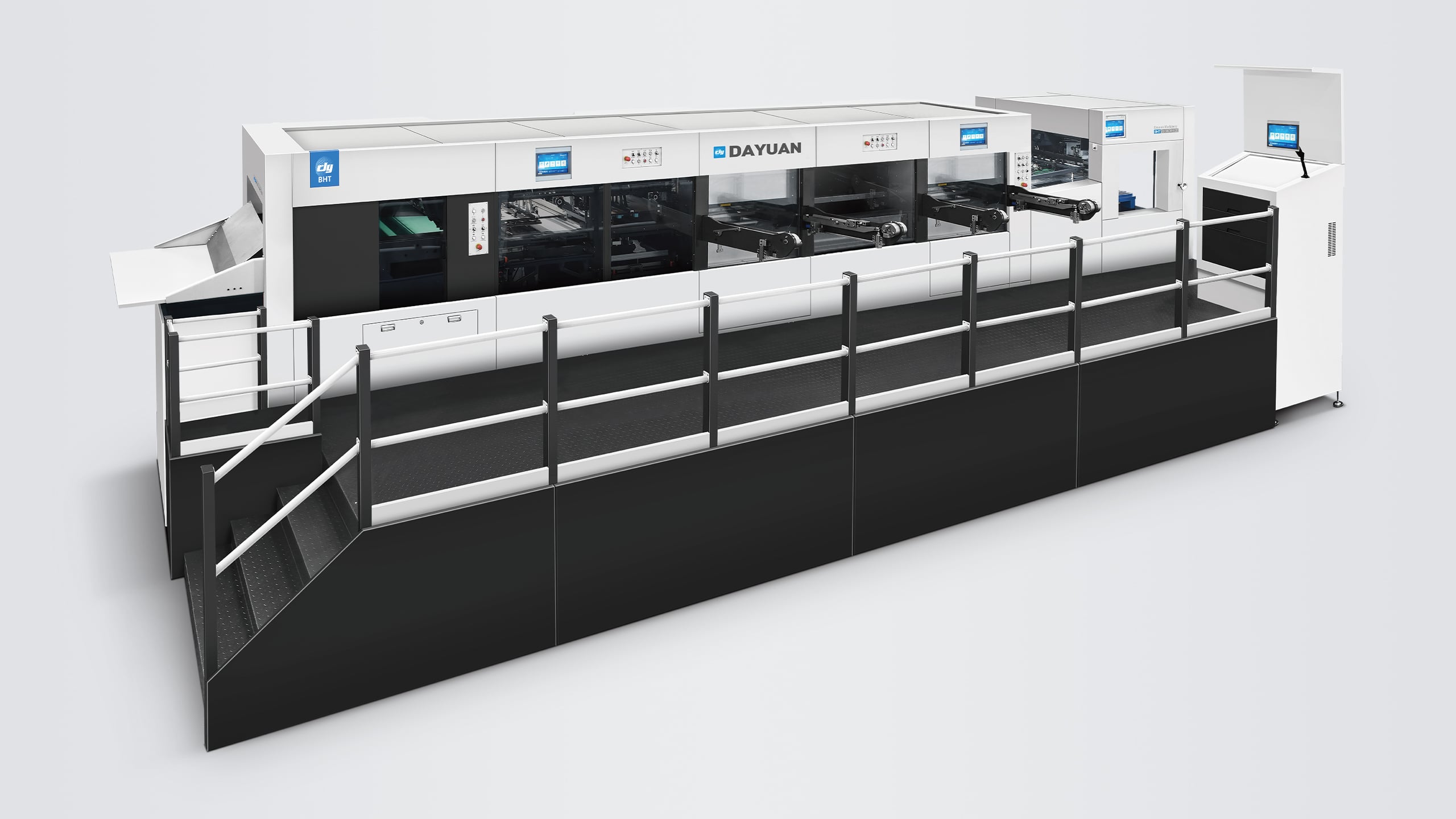
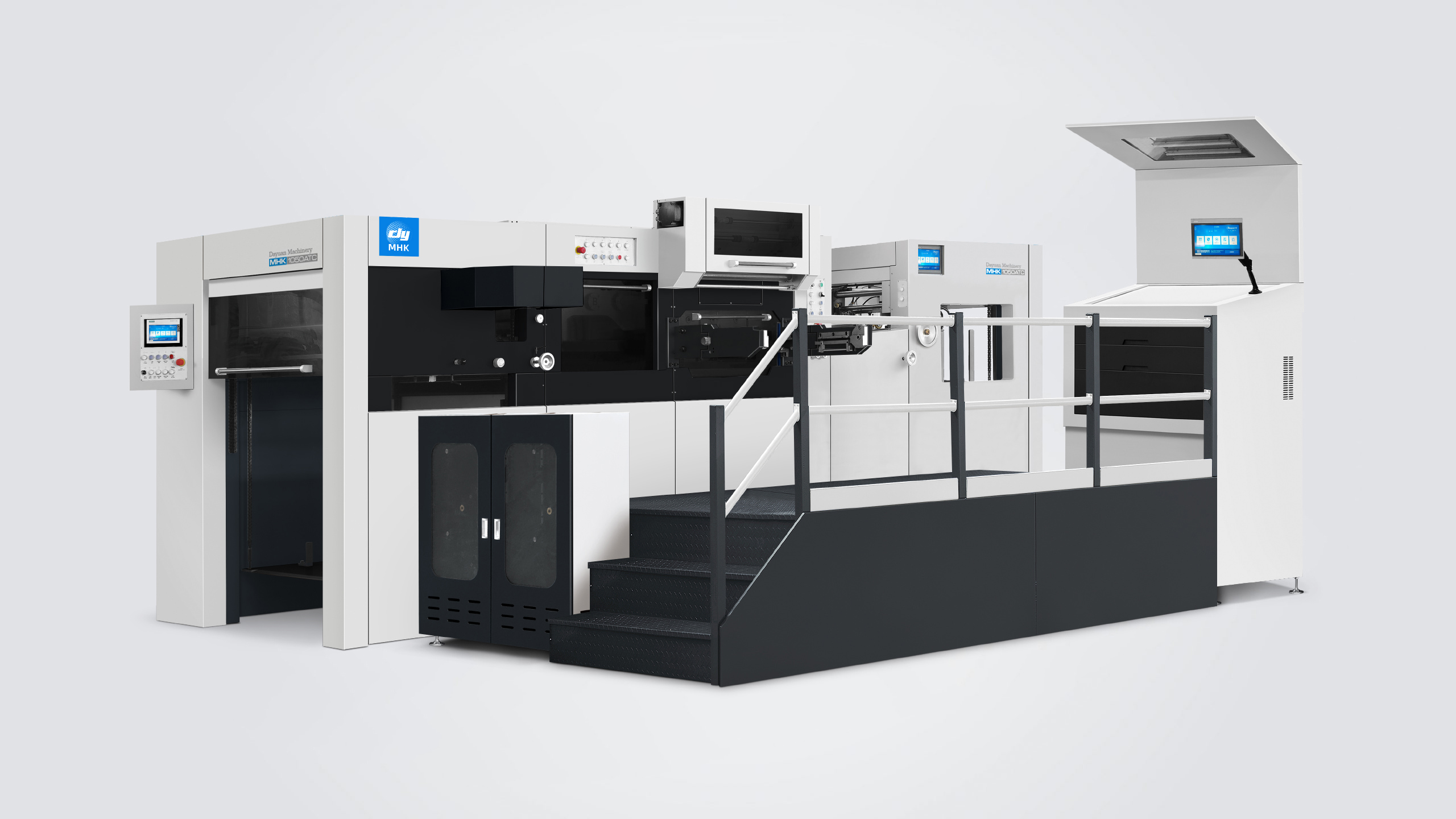
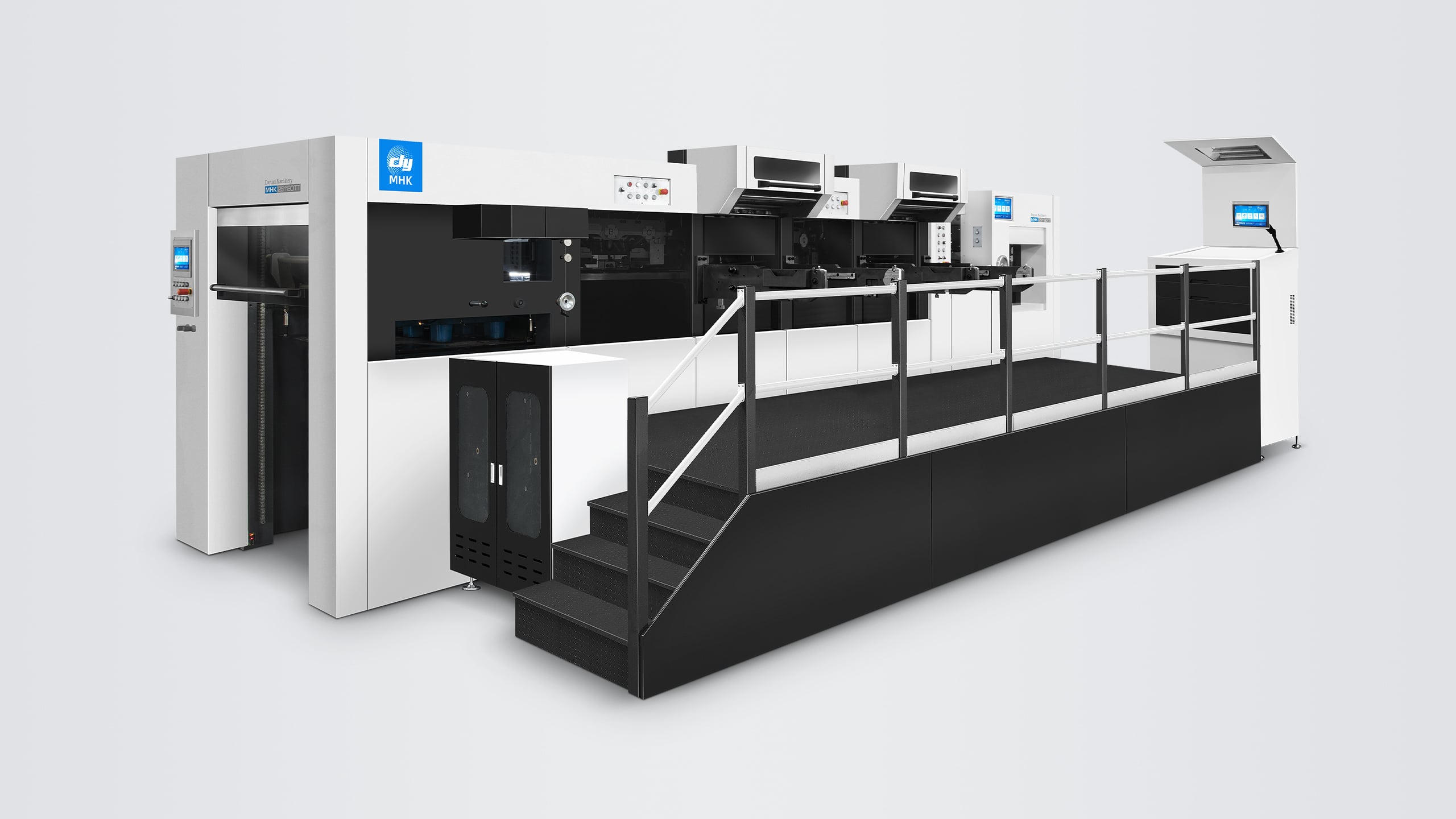
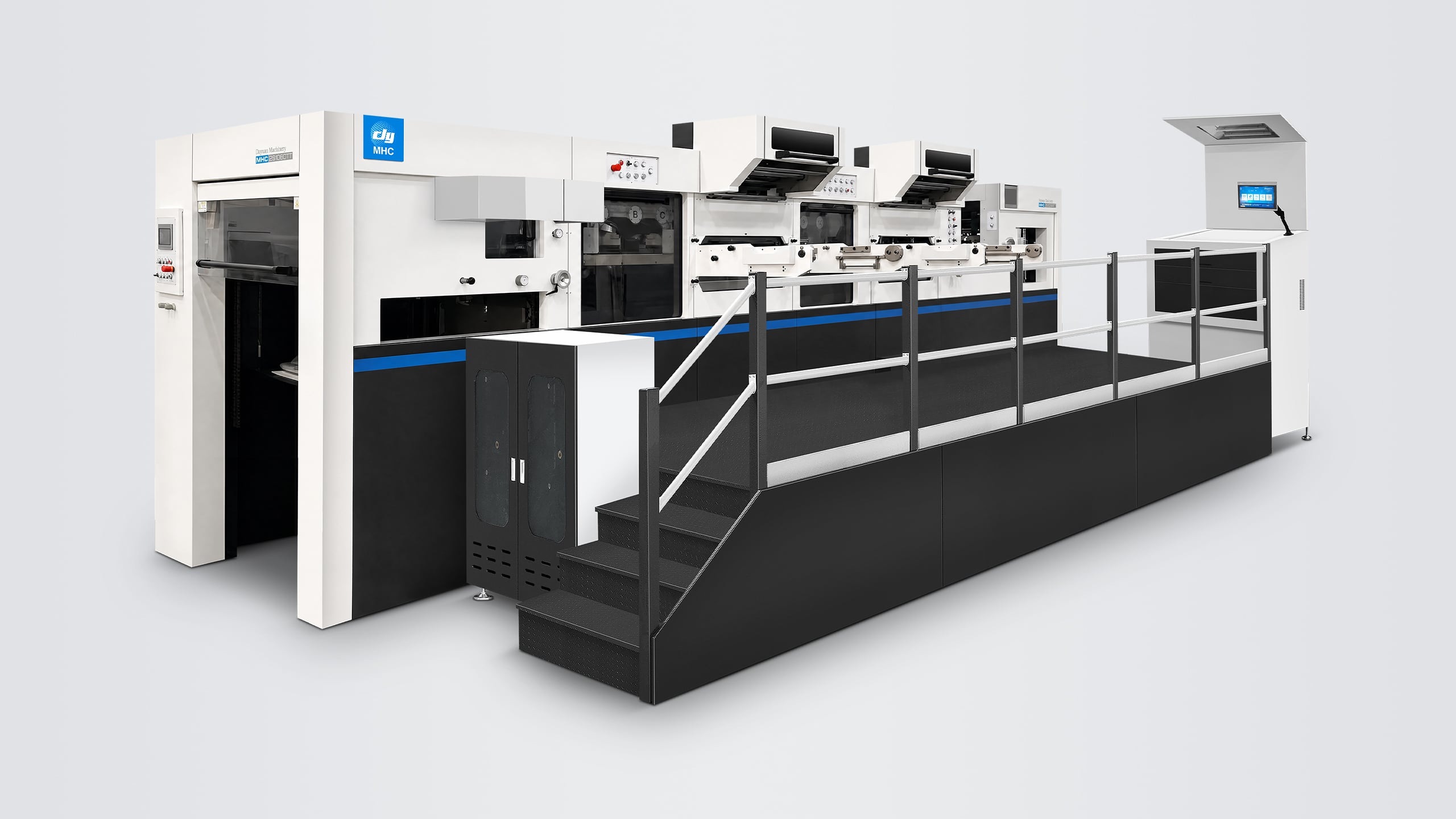
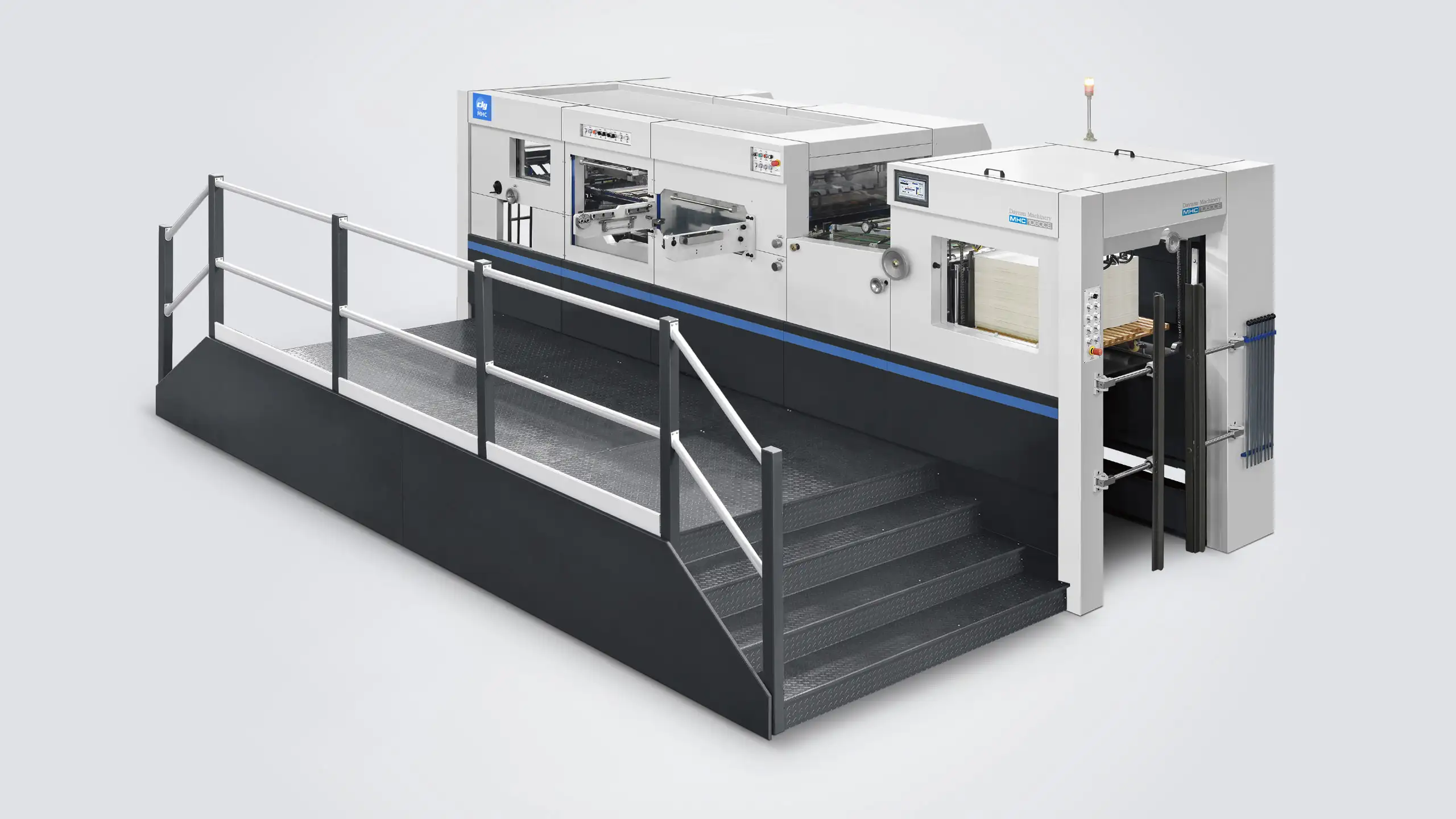
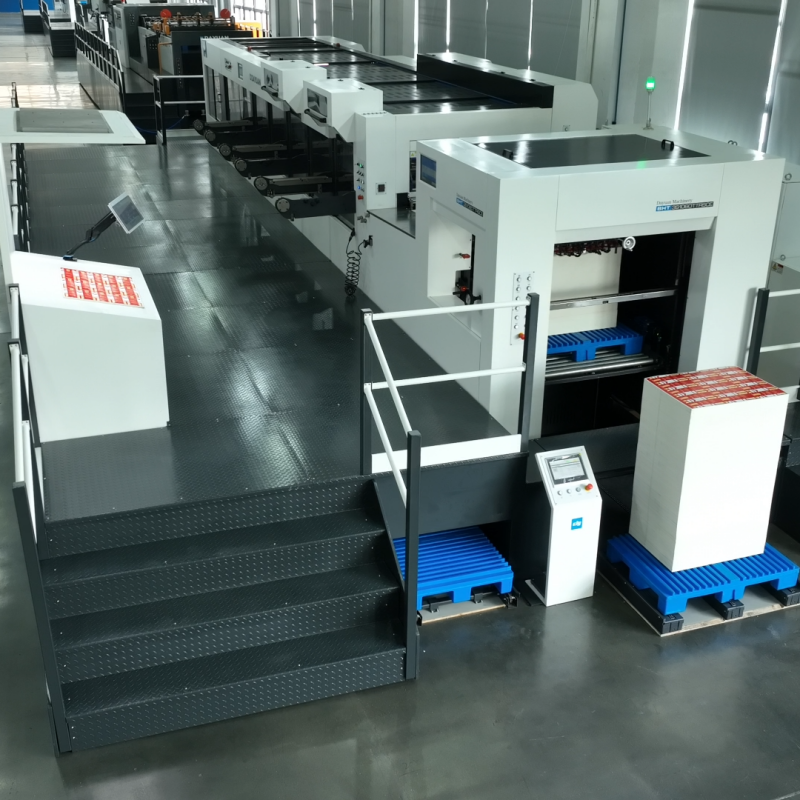
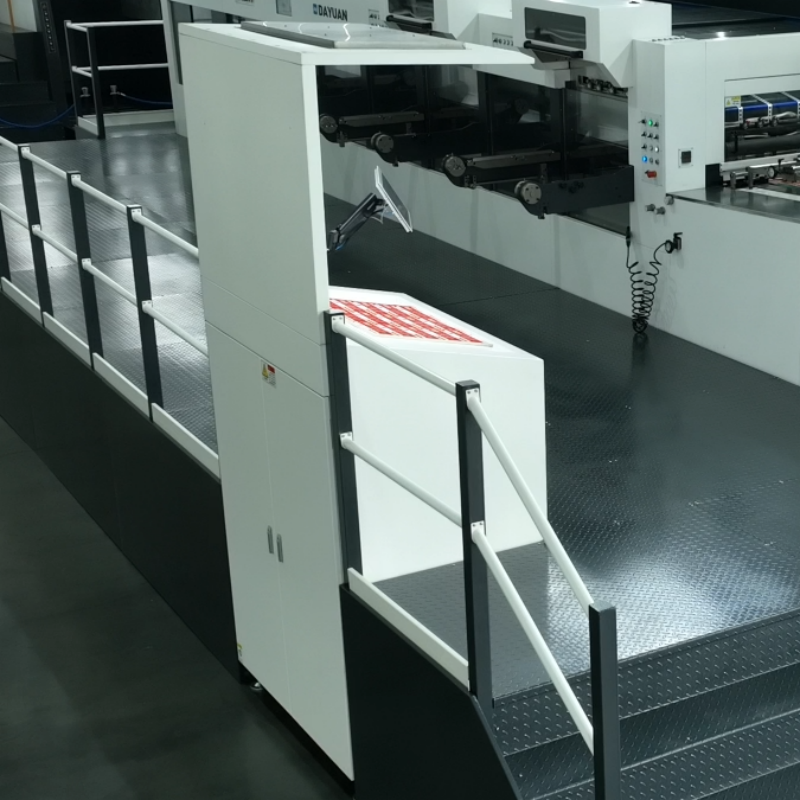
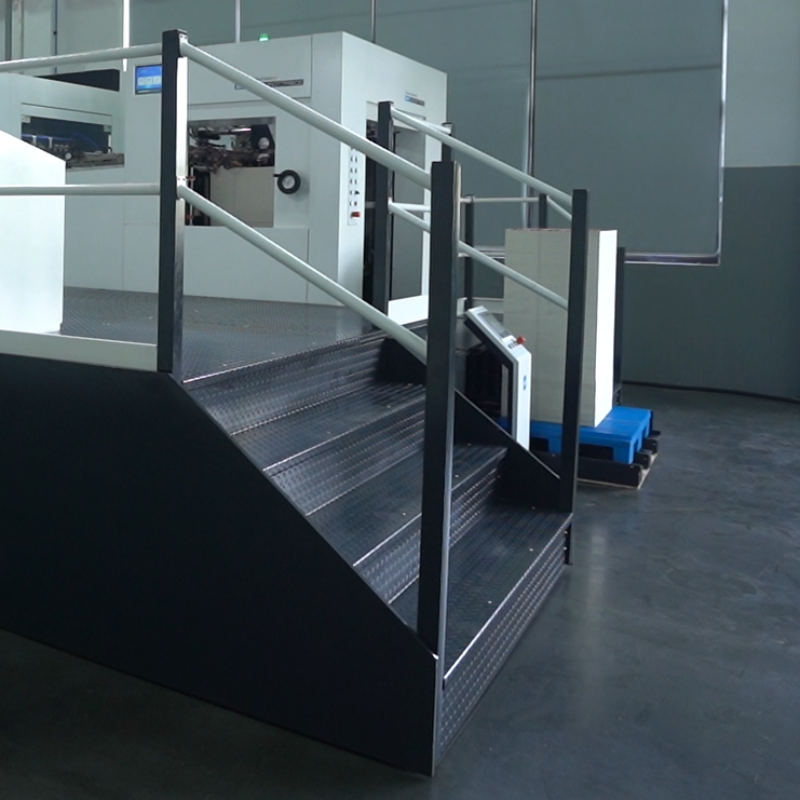
Hot foil pressing is a finishing process that uses heat and pressure to transfer decorative foil onto a suitable substrate. In printing and packaging, this process can add metallic details and other foil effects to printed materials, helping create distinctive visual finishes. The final result depends on factors such as the substrate, foil material, die design, and the capabilities of the selected machine.
Dayuan Machinery focuses on paper cutting, printing, and post-press equipment. Its product portfolio includes hot foil stamping and die-cutting machines, flatbed die-cutting machines, servo precision sheet cutter machines, and stripping and blanking machines. These product categories serve different production requirements, so buyers should identify the specific finishing or converting process needed before choosing equipment.
When evaluating a hot foil press manufacturer, purchasers should first determine whether they need a machine for foil stamping alone or equipment that combines foil stamping with die cutting. These processes may be integrated into one machine, but the available functions depend on the specific model. Reviewing product documentation helps confirm whether the equipment matches the intended production workflow.
Substrate compatibility is another important consideration. For printing and packaging applications, buyers should confirm which paper-based materials and other substrates a particular machine is designed to process. Compatibility with plastics, leather, or other materials should not be assumed without supporting product specifications.
Technical features also require careful evaluation. Heating arrangements, pressure adjustment, operating controls, feeding methods, and die-changing procedures can vary between models. Buyers should check the documented configuration of each machine rather than assume that every hot foil press includes programmable controls, multiple heating zones, automatic foil feeding, or rapid heating functions.
Production requirements should guide the final comparison. Consider the material format, required foil effect, production steps, available floor space, and expected output. It is also useful to review the machine's stated operating requirements, maintenance guidance, and safety information. Any claims about production speed, energy consumption, service life, or setup time should be assessed against verified specifications.
For printing and packaging businesses, selecting suitable equipment begins with matching the required process to the machine's actual capabilities. Comparing documented functions and material compatibility helps purchasers identify an appropriate solution while avoiding assumptions based on features that may not be available on every model.
 EN