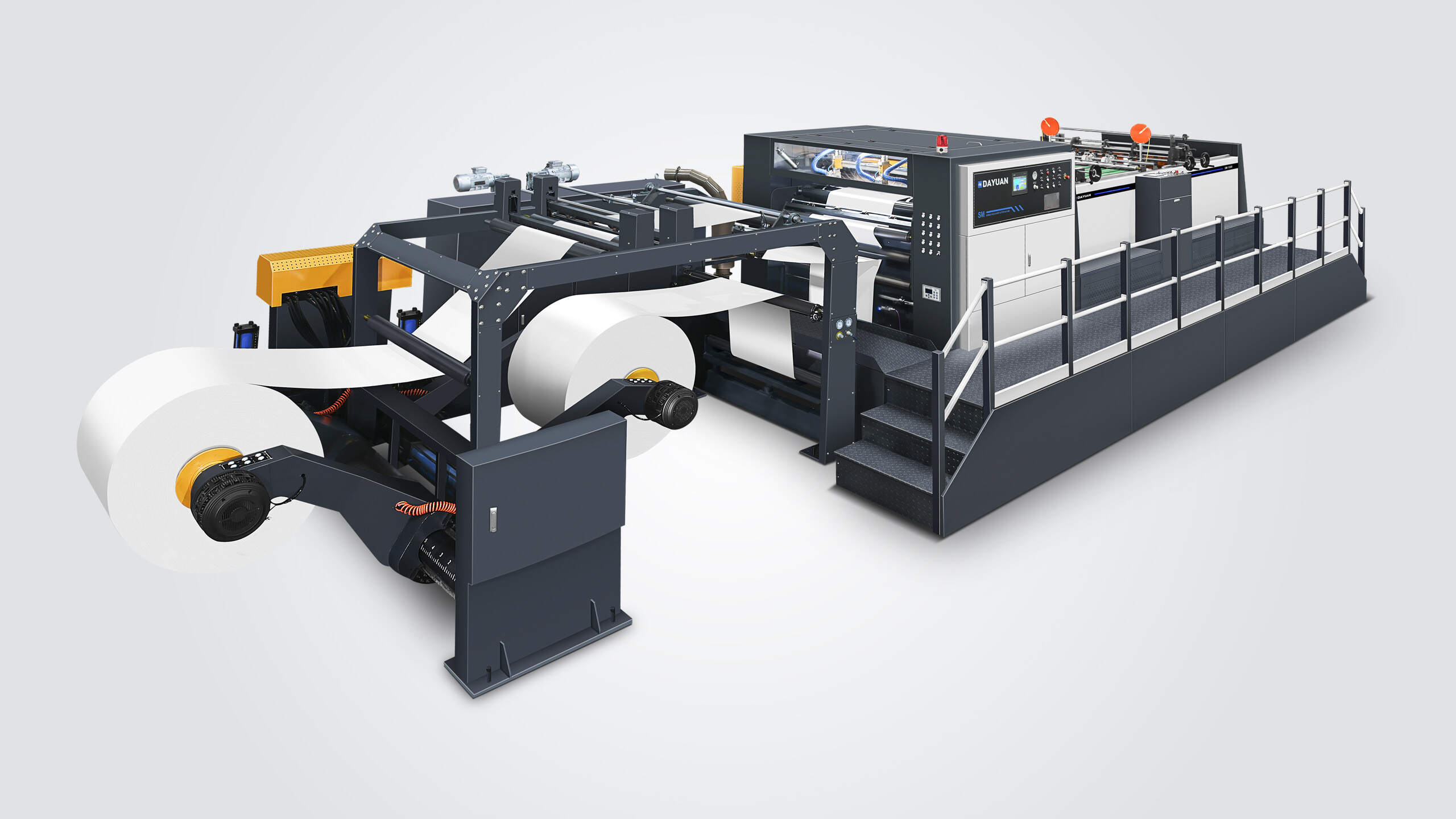
Flexible Configuration Options Accommodate Diverse Manufacturing Requirements
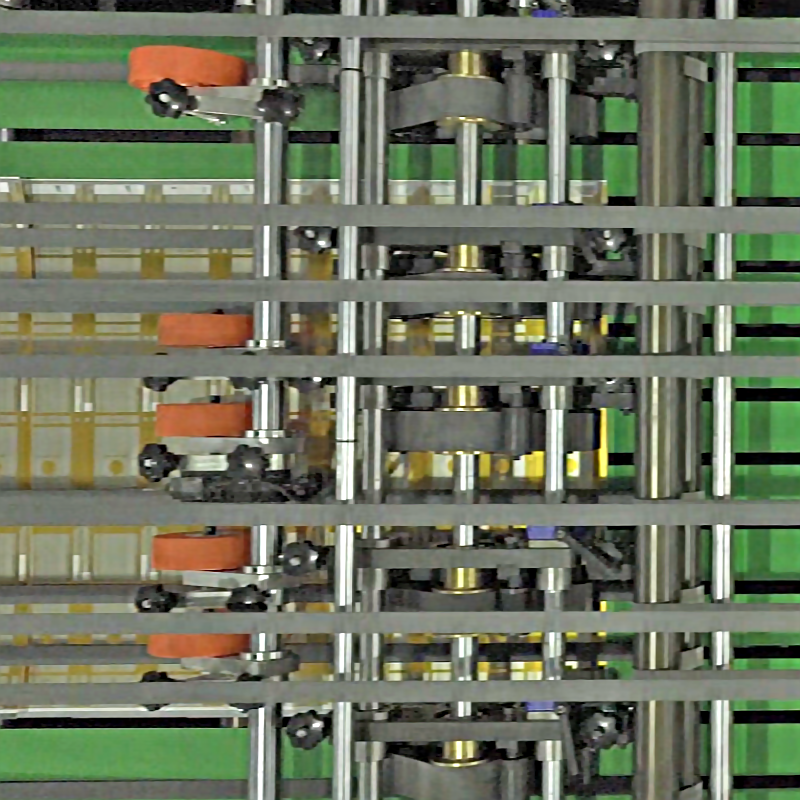
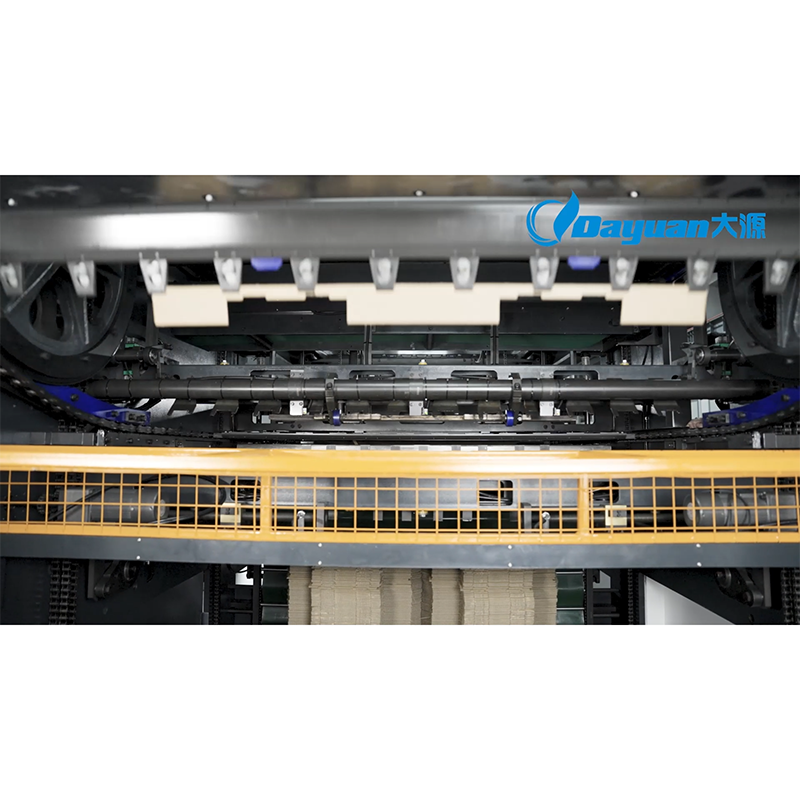
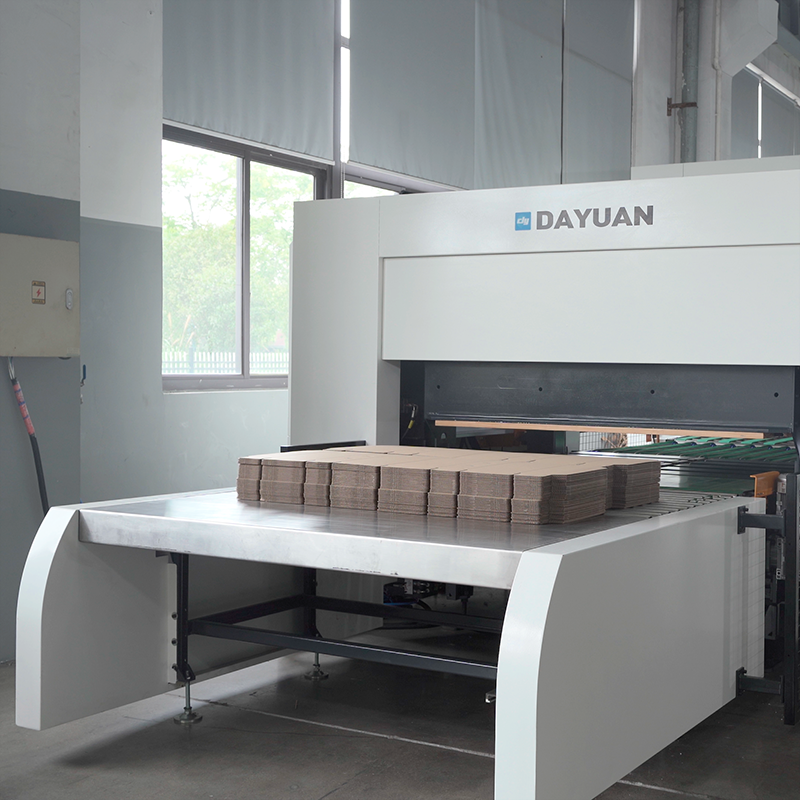
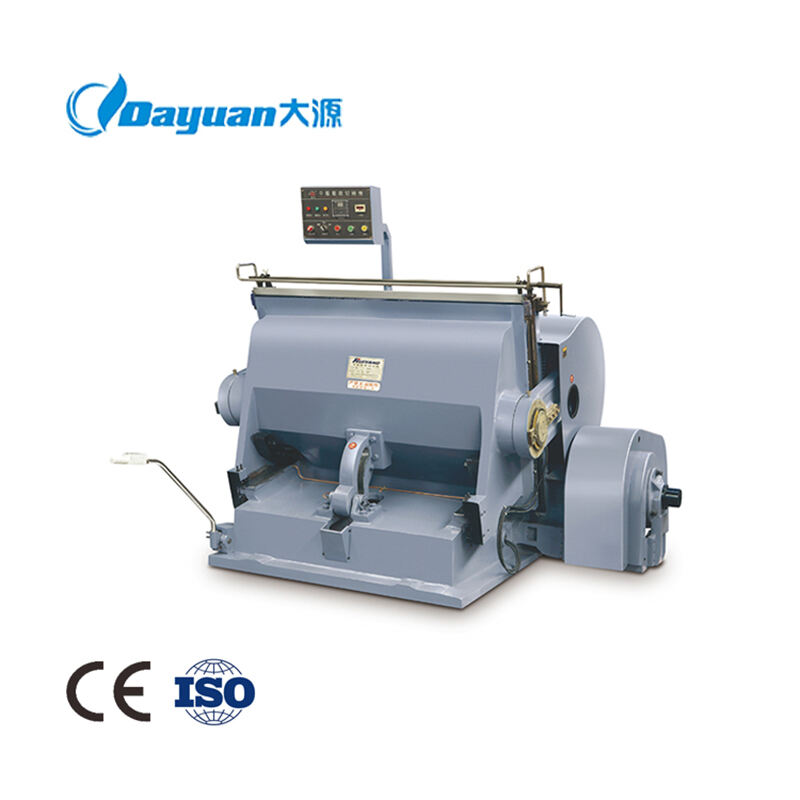
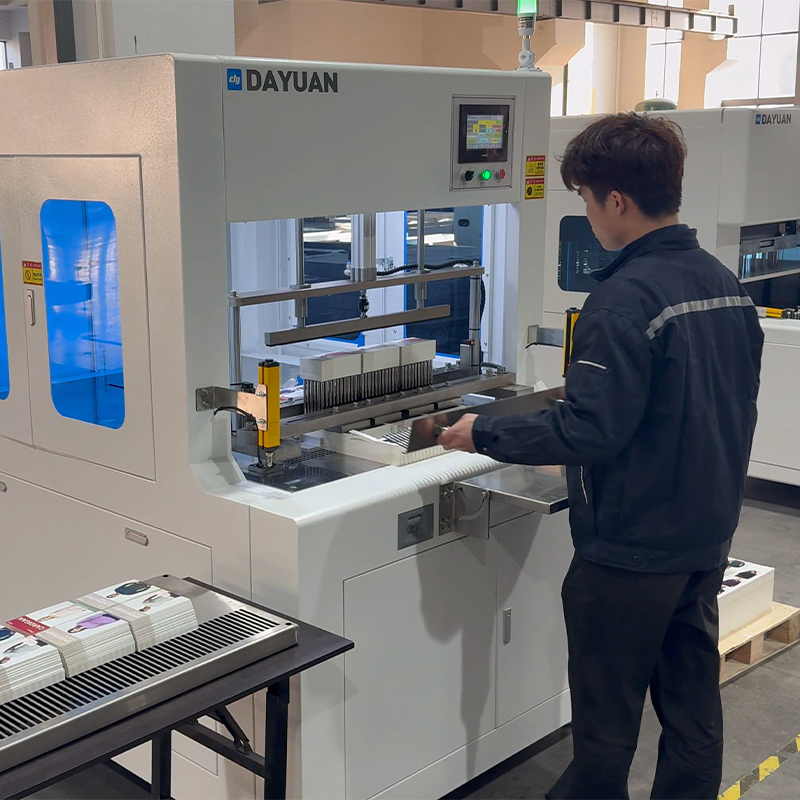
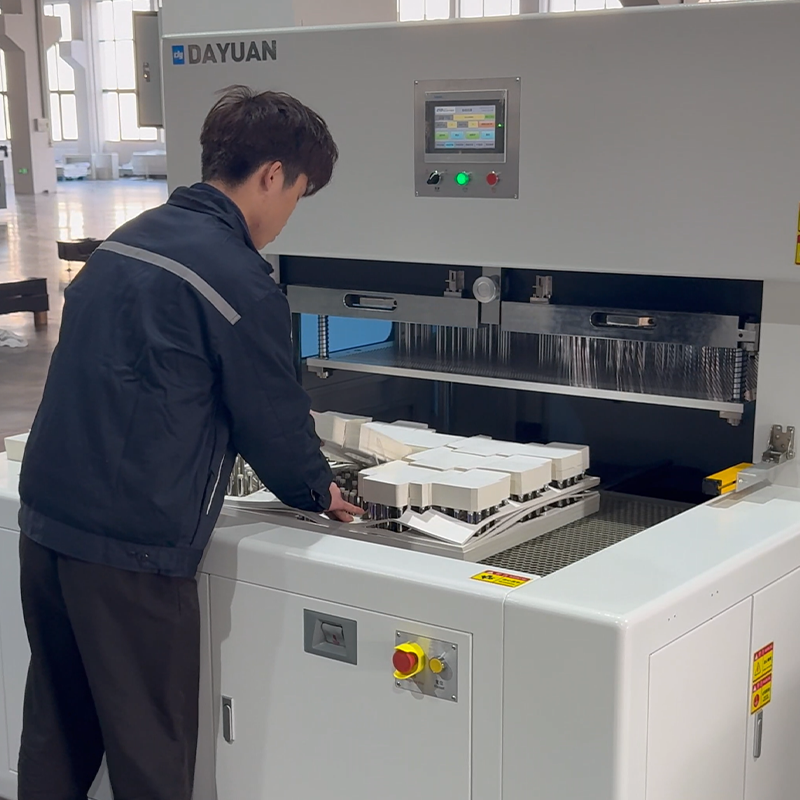
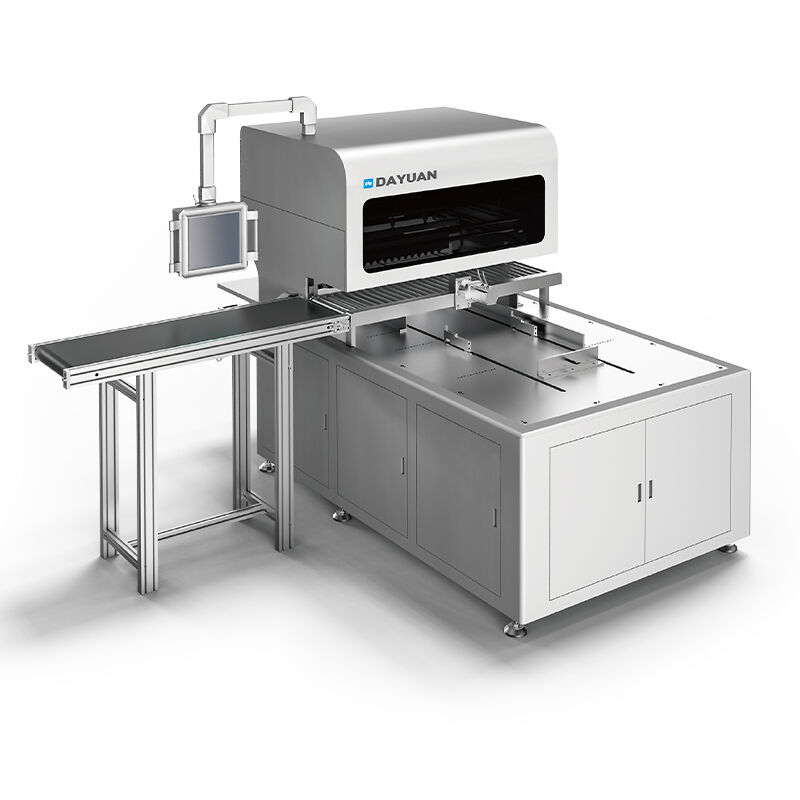
The versatility built into modern stripping and blanking machine platforms enables manufacturers to address widely varying application requirements without maintaining multiple specialized equipment types. This flexibility manifests across several dimensions including material compatibility, processing capacity, automation integration, and customization potential. Material compatibility represents a crucial consideration since manufacturing operations frequently process diverse substrates ranging from soft polymers to hardened metal alloys, each presenting distinct handling challenges. The stripping and blanking machine accommodates this diversity through adjustable material handling systems featuring variable tension controls, interchangeable feed rollers with different surface textures, and configurable support tables that prevent deflection in thin materials while accommodating rigid thick stock. Stripping mechanisms adapt to various coating types including pressure-sensitive adhesive films, heat-sealed layers, electroplated finishes, and mechanically bonded laminates through selectable stripping methods such as peel-back rollers, knife-edge separators, or thermal release systems. Blanking capabilities similarly span a wide range through exchangeable die sets that cut simple geometric shapes or complex contoured forms according to your product requirements. Quick-change tooling systems enable rapid die swaps that minimize setup time when transitioning between different part numbers, with some advanced systems featuring automatic tool changers that retrieve dies from storage carousels without manual intervention. Processing capacity scales from compact benchtop models suitable for prototype development or low-volume specialty production to high-capacity industrial systems processing wide sheets at rapid cycle rates for mass production applications. The stripping and blanking machine integrates seamlessly with upstream and downstream automation including coil feeding systems that supply continuous material from large rolls, robotic part removal systems that extract finished blanks and transfer them to subsequent operations, and stacking equipment that organizes completed parts for packaging or shipment. Communication protocols enable the stripping and blanking machine to participate in networked manufacturing environments, exchanging production data with enterprise resource planning systems, receiving job specifications from manufacturing execution systems, and reporting performance metrics to industrial internet of things platforms. Customization options allow equipment manufacturers to tailor stripping and blanking machine configurations to unique application requirements that standard machines cannot address. Special material handling features accommodate unusually wide sheets, extremely thin films prone to tearing, or materials requiring controlled environmental conditions such as specific temperature or humidity levels during processing. Custom tooling designs enable the blanking function to perform specialized operations beyond simple cutting, including embossing, forming, or coining features into parts during the blanking stroke. Safety enhancements can be incorporated to meet specific facility requirements or regional regulatory standards, including additional guarding, redundant safety circuits, or specialized emergency stop provisions. This configurability ensures that your investment in stripping and blanking machine technology remains relevant even as your product mix evolves or production requirements change over time.
 EN
EN