Versatility and Adaptability for Diverse Manufacturing Applications
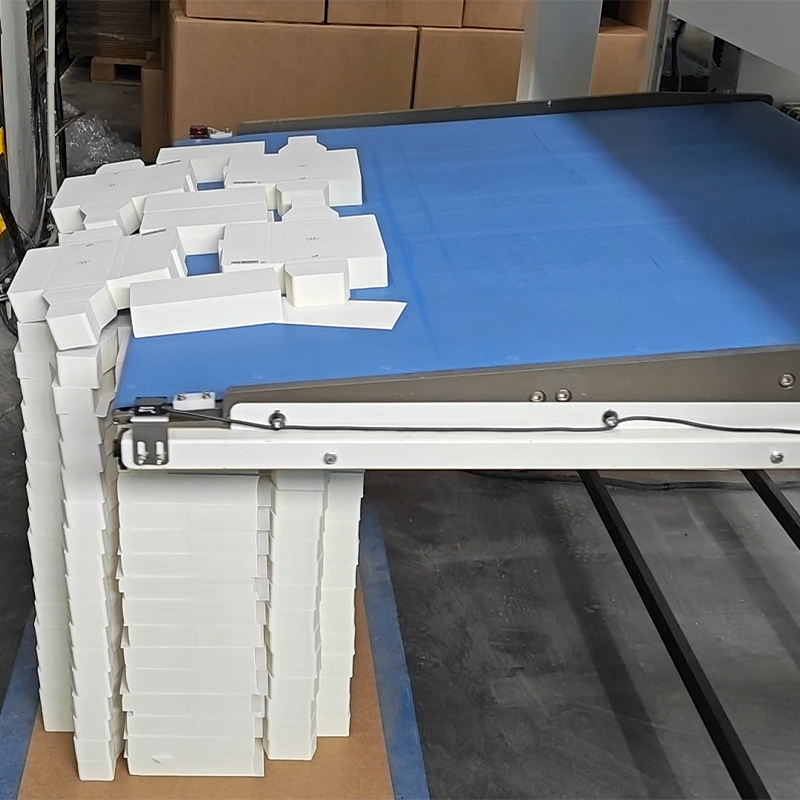
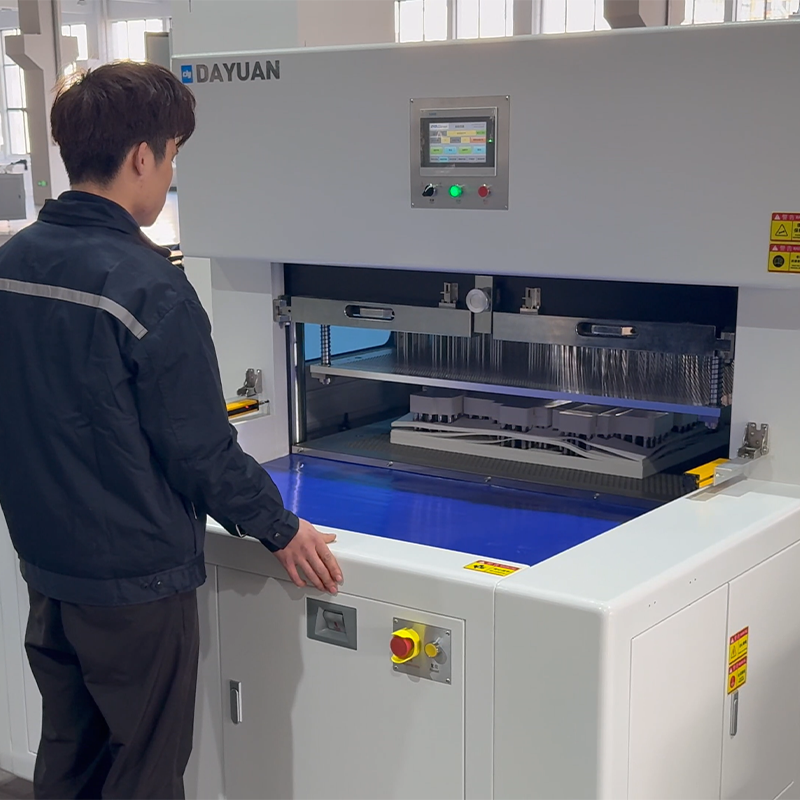
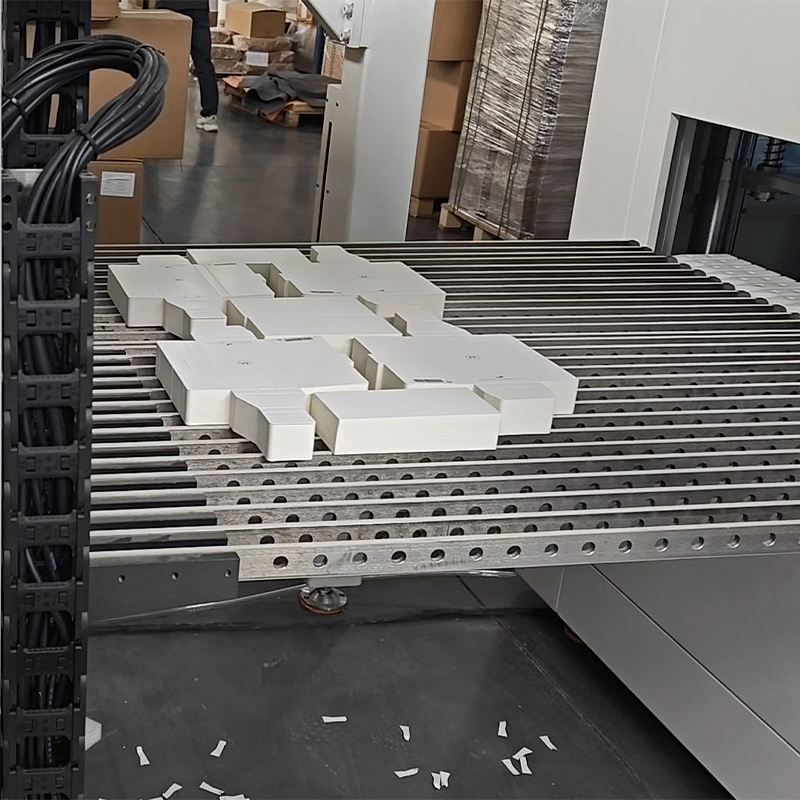
The versatility inherent in an industrial blanking machine makes it an extraordinarily adaptable solution capable of serving diverse manufacturing applications across multiple industries and material types. Unlike specialized equipment designed for narrow purposes, these machines accommodate an impressive range of materials including various metal alloys from soft aluminum to hardened steel, plastics from flexible polyethylene to rigid polycarbonate, composites, rubber, gasket materials, textiles, and paper products. This material versatility means a single machine can support multiple product lines, reducing capital equipment requirements and floor space allocation while simplifying maintenance and operator training. The adaptability extends to part geometry, with capability ranging from simple circles and rectangles to complex organic shapes with intricate internal features. Progressive dies enable the creation of sophisticated parts with multiple features formed in sequential stations as material advances through the machine, consolidating operations that would otherwise require separate processes. Tooling flexibility allows quick adaptation to changing production requirements, with modular die systems that can be reconfigured rather than completely replaced when designs evolve. Some industrial blanking machines accommodate multiple die sets on rotary tables or quick-change systems, enabling operators to switch between products in seconds, making small-batch production economically feasible and supporting mass customization strategies. The integration capabilities of modern machines further enhance versatility, with interfaces that connect to enterprise resource planning systems, accept files from computer-aided design software, and communicate with upstream and downstream equipment in automated production cells. This connectivity enables lights-out manufacturing where the industrial blanking machine operates autonomously during unmanned shifts, dramatically increasing asset utilization. Capacity versatility accommodates growth, with machines available in tonnage ratings from a few tons for delicate work to hundreds of tons for heavy plate, and bed sizes from compact benchtop models to massive units processing sheets several feet across. Application versatility spans industries including automotive manufacturing where the machines produce brackets, supports, and structural components, aerospace fabrication creating precise parts from exotic alloys, electronics manufacturing cutting enclosures and shielding, appliance production forming panels and internal components, construction supplying HVAC ductwork and electrical boxes, and packaging operations creating displays and containers. The adaptability to evolving technologies ensures investment protection, as upgradeable controls and retrofit capabilities allow older machines to gain new functionality without complete replacement. This versatility delivers strategic value by reducing dependence on outside suppliers, enabling rapid prototyping of new designs, supporting vertical integration strategies, and providing the flexibility to pursue emerging market opportunities without major capital investments in specialized equipment.
 EN
EN