 EN
EN

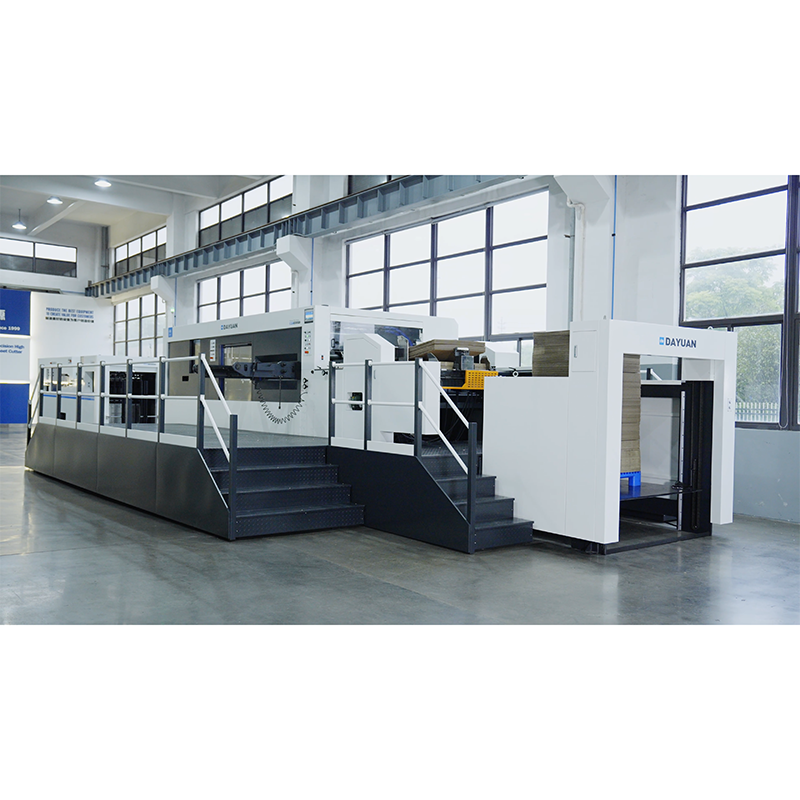
Proper maintenance of an industrial paper cutter machine is crucial for maximizing operational efficiency and extending equipment lifespan in commercial printing environments. These sophisticated cutting systems require systematic care to maintain precision, prevent costly downtime, and ensure consistent performance across thousands of cutting cycles. Understanding the fundamental maintenance principles for your industrial paper cutter machine can significantly impact your bottom line while maintaining the high-quality output your customers expect.
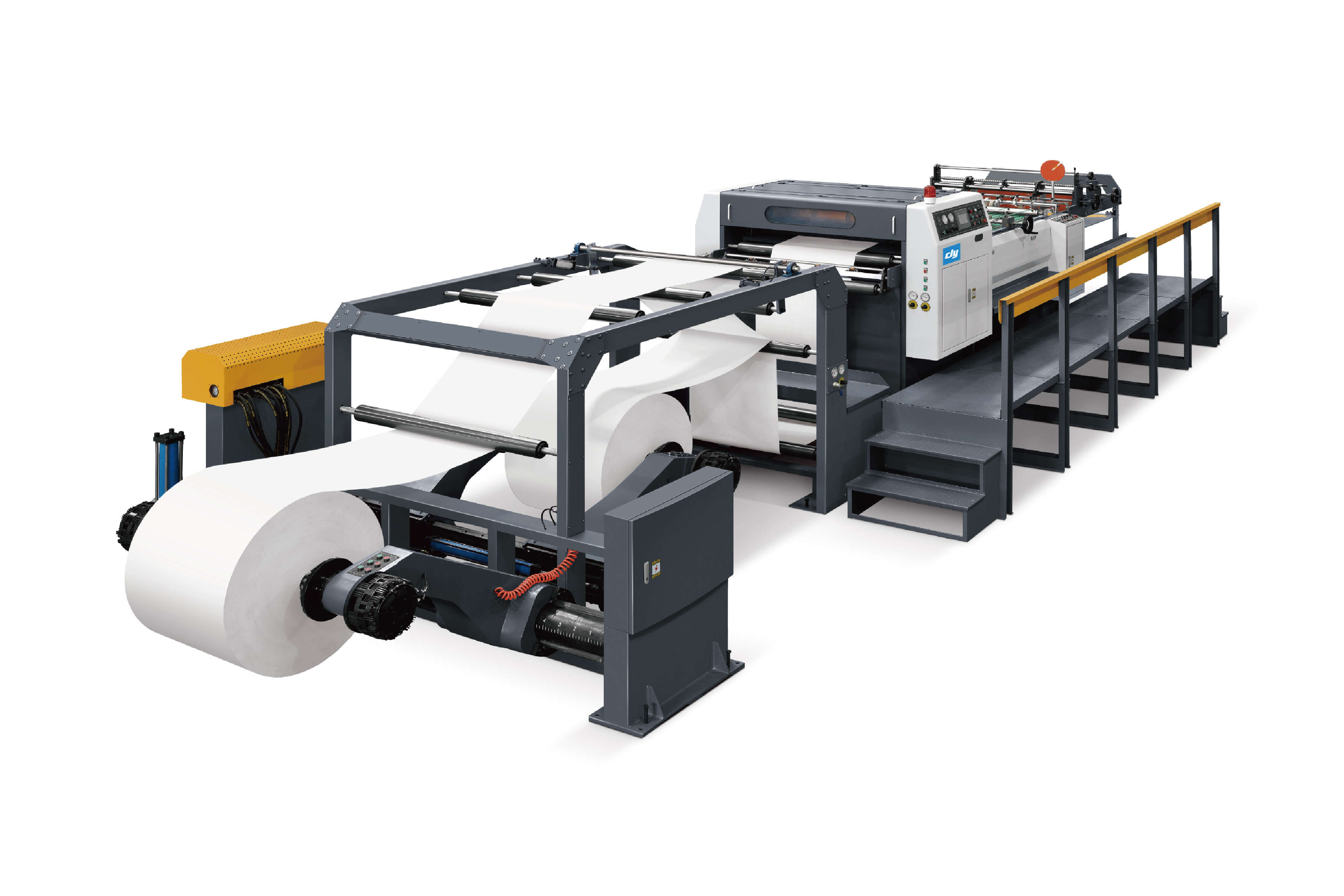
Modern industrial paper cutting equipment represents a substantial investment for any printing operation, making proactive maintenance strategies essential for protecting this valuable asset. The complexity of hydraulic systems, precision cutting mechanisms, and electronic controls demands a comprehensive approach to equipment care that goes beyond basic cleaning and lubrication. Implementing structured maintenance routines not only prevents unexpected failures but also maintains the accuracy and reliability that distinguishes professional-grade cutting operations from inferior alternatives.
Essential Daily Maintenance Procedures
Blade Inspection and Cleaning
Daily blade inspection forms the cornerstone of effective industrial paper cutter machine maintenance, as the cutting blade directly impacts both product quality and operational safety. Examine the blade edge for nicks, chips, or excessive wear that could compromise cutting precision or create safety hazards during operation. Clean the blade surface using appropriate solvents to remove paper dust, adhesive residue, and ink buildup that accumulates during normal cutting operations.
The blade inspection process should include checking the blade clamp mechanism for proper tension and alignment, ensuring the cutting edge remains perpendicular to the cutting table throughout its travel path. Document any irregularities or wear patterns that might indicate developing mechanical issues with the blade carrier or guide systems. Regular photographic documentation of blade condition creates valuable maintenance records that help predict replacement schedules and identify recurring problems.
Safety System Verification
Comprehensive safety system checks must be performed daily before beginning production runs on any industrial paper cutter machine to ensure operator protection and regulatory compliance. Test all emergency stop mechanisms, light curtains, and pressure-sensitive safety devices to confirm proper function and immediate response. Verify that safety guards and protective covers are securely fastened and properly positioned to prevent accidental contact with moving components.
The two-hand operation controls require particular attention during daily safety verification, as these systems prevent accidental activation while ensuring deliberate operator intention for each cutting cycle. Check the response time and sensitivity of all safety sensors, making certain they activate correctly when tested with appropriate blocking devices or test materials specified by the manufacturer.
Weekly Lubrication and Adjustment Protocols
Hydraulic System Maintenance
Weekly hydraulic system maintenance ensures smooth operation and prevents costly component failures in your industrial paper cutter machine. Check hydraulic fluid levels in the reservoir and examine the fluid condition for contamination, discoloration, or unusual odor that might indicate internal component wear or contamination. Monitor hydraulic pressure readings during operation to detect gradual pressure loss that could signal developing seal failures or pump wear.
Inspect all hydraulic connections, fittings, and hoses for signs of leakage, wear, or damage that could compromise system performance or create environmental hazards. Clean hydraulic components and surrounding areas to maintain proper operating temperatures and prevent contamination from entering the system through damaged seals or connections. Document pressure readings and fluid condition observations to establish baseline performance parameters for future reference.
Mechanical Component Lubrication
Systematic lubrication of mechanical components prevents premature wear and ensures smooth operation throughout the cutting mechanism of your industrial paper cutter machine. Apply appropriate lubricants to guide rails, bearing surfaces, and adjustment mechanisms according to manufacturer specifications and environmental conditions. Use only recommended lubricant types and quantities to avoid attracting excessive dust or interfering with precision adjustments.
The paper clamp mechanism requires particular attention during weekly lubrication routines, as consistent clamping pressure directly affects cutting accuracy and paper positioning. Clean and lubricate the clamp actuation system, including pivot points, adjustment screws, and pressure distribution mechanisms. Verify that clamping pressure remains uniform across the entire cutting width and adjust as necessary to maintain consistent results.
Monthly Calibration and Precision Checks
Cutting Accuracy Verification
Monthly precision verification ensures your industrial paper cutter machine maintains the accuracy standards required for professional printing applications. Perform test cuts using precision measuring tools to verify cutting angles, dimensional accuracy, and edge quality across various paper types and thicknesses. Document measurements and compare results to established baseline standards to identify gradual degradation in cutting performance.
The calibration process should include checking the squareness of cuts using precision squares and measuring tools to detect any deviation from perfect 90-degree angles. Test the repeatability of cuts by making multiple identical cuts and measuring dimensional consistency to ensure the positioning systems maintain their accuracy over repeated cycles. Address any deviations immediately to prevent quality issues from affecting production runs.
Electronic Control System Testing
Comprehensive electronic system testing validates the performance of digital controls and programmable features in modern industrial paper cutter machine designs. Verify the accuracy of digital position readouts by comparing displayed measurements with physical measurements using calibrated measuring instruments. Test all programmable cutting sequences and memory functions to ensure consistent repeatability and proper execution of complex cutting patterns.
The electronic testing protocol should include checking sensor calibration, display accuracy, and communication between various control modules within the system. Examine wiring connections and cable conditions for signs of wear, corrosion, or damage that could cause intermittent operation or control failures. Update software and firmware as recommended by manufacturers to maintain optimal performance and security.
Quarterly Deep Maintenance Procedures
Comprehensive Component Inspection
Quarterly deep inspections provide opportunities to examine components and systems that are not accessible during routine daily and weekly maintenance of your industrial paper cutter machine. Remove protective covers and access panels to inspect internal mechanisms, wiring harnesses, and structural components for wear, damage, or deterioration that could affect performance or safety. Document the condition of all major components with detailed photographs and written observations.
The comprehensive inspection should include measuring wear patterns on guide surfaces, checking structural alignment, and verifying the condition of all fasteners and mounting hardware. Examine the cutting table surface for wear, scratches, or damage that could affect paper positioning or cutting quality. Replace worn components proactively to prevent unexpected failures during critical production periods.
Preventive Component Replacement
Scheduled component replacement based on manufacturer recommendations and usage patterns prevents unexpected failures and maintains consistent performance in industrial paper cutter machine operations. Replace wear items such as seals, gaskets, and consumable components before they reach failure points that could cause secondary damage to more expensive systems. Maintain an inventory of critical spare parts to minimize downtime when replacements are needed.
The replacement schedule should consider both time-based and usage-based factors, including cutting cycles completed, operating hours, and environmental conditions that might accelerate component wear. Document all replacements with part numbers, installation dates, and performance observations to refine future replacement schedules and identify components that may require more frequent attention.
Environmental Factors and Protection Strategies
Climate Control Considerations
Environmental conditions significantly impact the longevity and performance of industrial paper cutter machine components, making climate control an essential aspect of comprehensive maintenance strategies. Maintain stable temperature and humidity levels to prevent condensation, corrosion, and dimensional changes in precision components. Monitor environmental conditions continuously and adjust facility climate control systems to maintain optimal operating conditions for sensitive electronic and mechanical systems.
Excessive humidity can cause rust and corrosion in hydraulic systems and structural components, while extremely dry conditions may generate static electricity that interferes with electronic controls. Install appropriate air filtration systems to minimize dust and airborne contaminants that can accelerate component wear and interfere with precision mechanisms. Regular cleaning of facility air handling systems ensures consistent air quality around your cutting equipment.
Contamination Prevention
Systematic contamination prevention protects critical systems and extends component life in industrial paper cutter machine applications. Implement regular cleaning schedules that remove paper dust, ink residue, and other contaminants before they can accumulate and cause mechanical problems. Use appropriate cleaning materials and methods that effectively remove contaminants without damaging sensitive surfaces or precision components.
The contamination prevention program should include procedures for cleaning work areas, storage systems, and material handling equipment that could introduce foreign materials into the cutting environment. Train operators on proper material handling techniques and contamination prevention practices to maintain clean operating conditions throughout production shifts. Regular inspection and replacement of air filters and protective covers helps maintain clean internal environments.
Record Keeping and Performance Tracking
Maintenance Documentation Systems
Comprehensive maintenance records provide valuable data for optimizing maintenance schedules and identifying patterns that could indicate developing problems in your industrial paper cutter machine. Implement systematic documentation procedures that capture all maintenance activities, component replacements, and performance observations in easily accessible formats. Digital maintenance management systems can automate record keeping and provide analytical tools for identifying trends and scheduling preventive maintenance.
The documentation system should include detailed records of all maintenance activities with dates, personnel involved, parts used, and observations about equipment condition and performance. Photograph equipment conditions before and after maintenance procedures to create visual documentation that supports written records and helps identify gradual changes in component condition over time.
Performance Monitoring Metrics
Systematic performance monitoring identifies subtle changes in industrial paper cutter machine operation that might indicate developing maintenance needs before they become critical problems. Establish baseline performance metrics for cutting accuracy, cycle times, and quality measurements that can be compared against ongoing performance data. Track key performance indicators such as cutting precision, production throughput, and quality consistency to identify gradual degradation that requires attention.
The monitoring program should include regular analysis of performance trends and correlation with maintenance activities to optimize maintenance schedules and procedures. Use statistical analysis tools to identify patterns and predict maintenance needs based on historical data and current performance indicators. This data-driven approach enables proactive maintenance decisions that prevent unexpected failures and maintain consistent production quality.
FAQ
How often should I replace the blade on my industrial paper cutter machine?
Blade replacement frequency depends on usage intensity, paper types, and cutting volume, but generally ranges from every 50,000 to 200,000 cuts for industrial applications. Monitor cutting quality and blade condition daily to determine optimal replacement timing based on your specific operating conditions and quality requirements.
What are the signs that my industrial paper cutter machine needs professional service?
Key indicators include inconsistent cutting angles, unusual noises during operation, hydraulic pressure fluctuations, electronic control malfunctions, and degraded cutting quality despite proper maintenance. Any safety system malfunction requires immediate professional attention to ensure operator protection.
Can environmental conditions affect the maintenance requirements of my cutting equipment?
Yes, high humidity accelerates corrosion and affects electronic components, while excessive dust increases wear on moving parts and precision mechanisms. Maintaining stable environmental conditions and implementing appropriate contamination control measures significantly extends equipment life and reduces maintenance requirements.
What spare parts should I keep in inventory for my industrial paper cutter machine?
Essential spare parts include cutting blades, hydraulic seals, safety sensors, electronic fuses, lubrication supplies, and commonly worn mechanical components specific to your equipment model. Consult manufacturer recommendations and maintenance history to determine optimal inventory levels for your operation.
Table of Contents
- Essential Daily Maintenance Procedures
- Weekly Lubrication and Adjustment Protocols
- Monthly Calibration and Precision Checks
- Quarterly Deep Maintenance Procedures
- Environmental Factors and Protection Strategies
- Record Keeping and Performance Tracking
-
FAQ
- How often should I replace the blade on my industrial paper cutter machine?
- What are the signs that my industrial paper cutter machine needs professional service?
- Can environmental conditions affect the maintenance requirements of my cutting equipment?
- What spare parts should I keep in inventory for my industrial paper cutter machine?