Comprehensive Safety and Operational Protection Systems
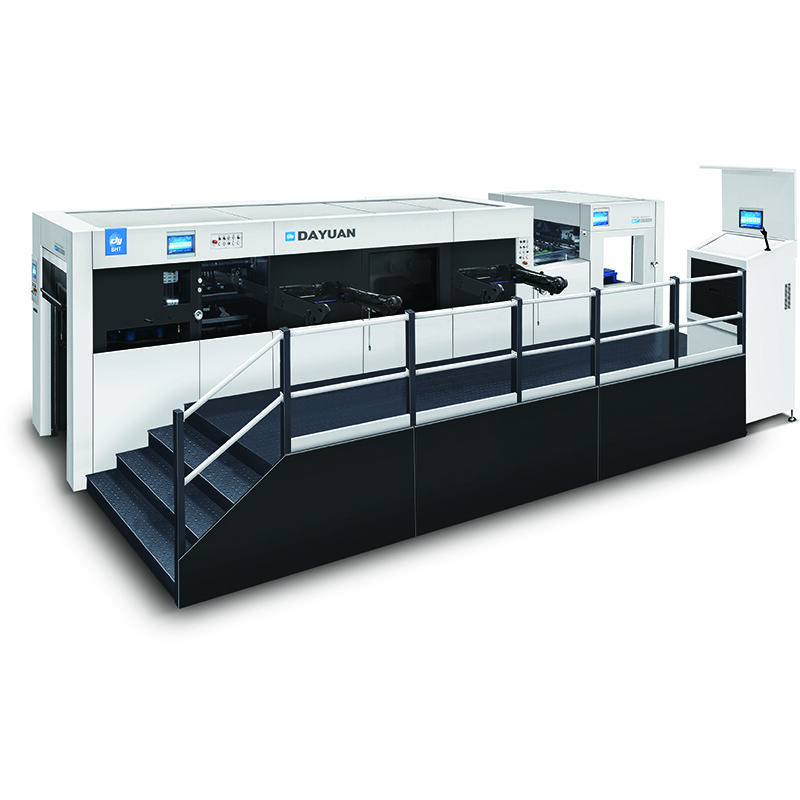
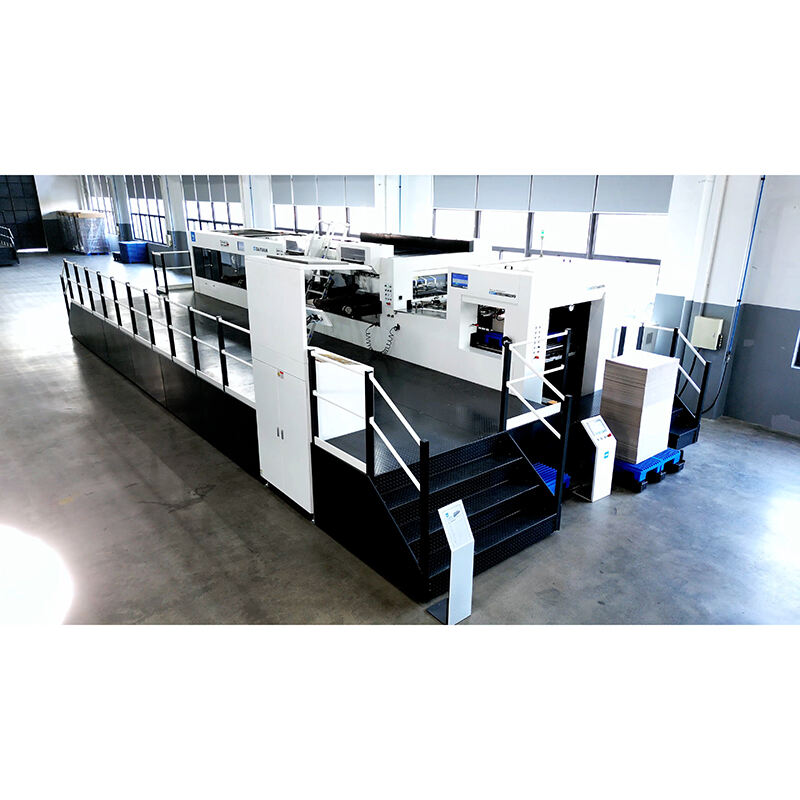
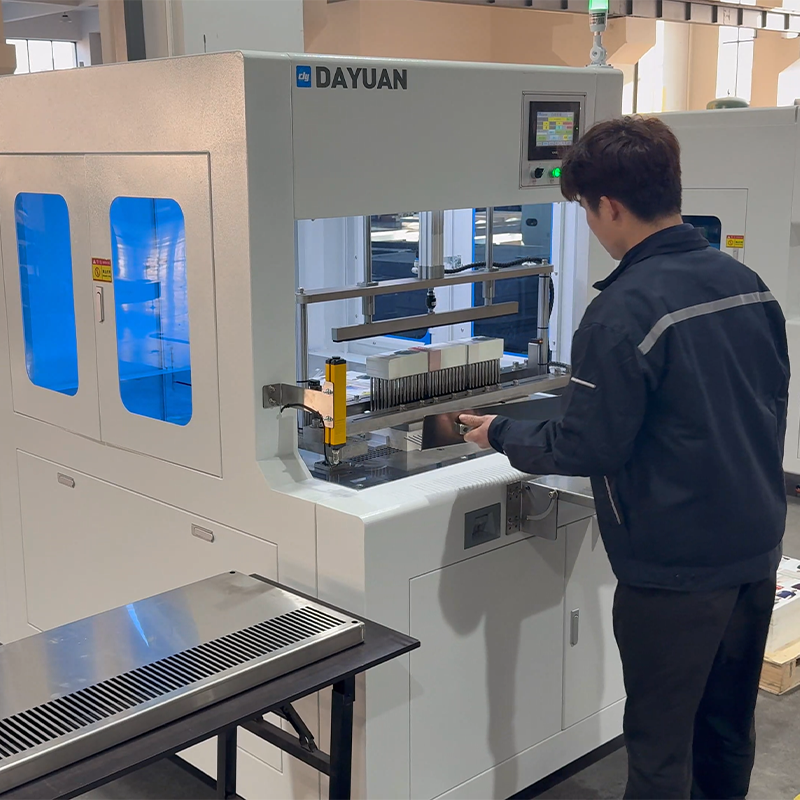
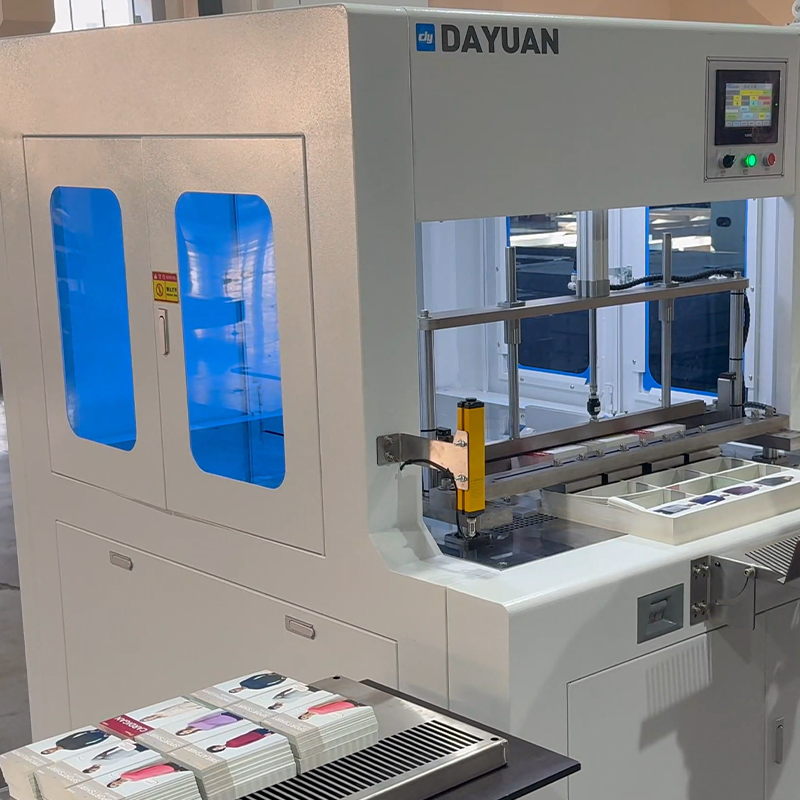
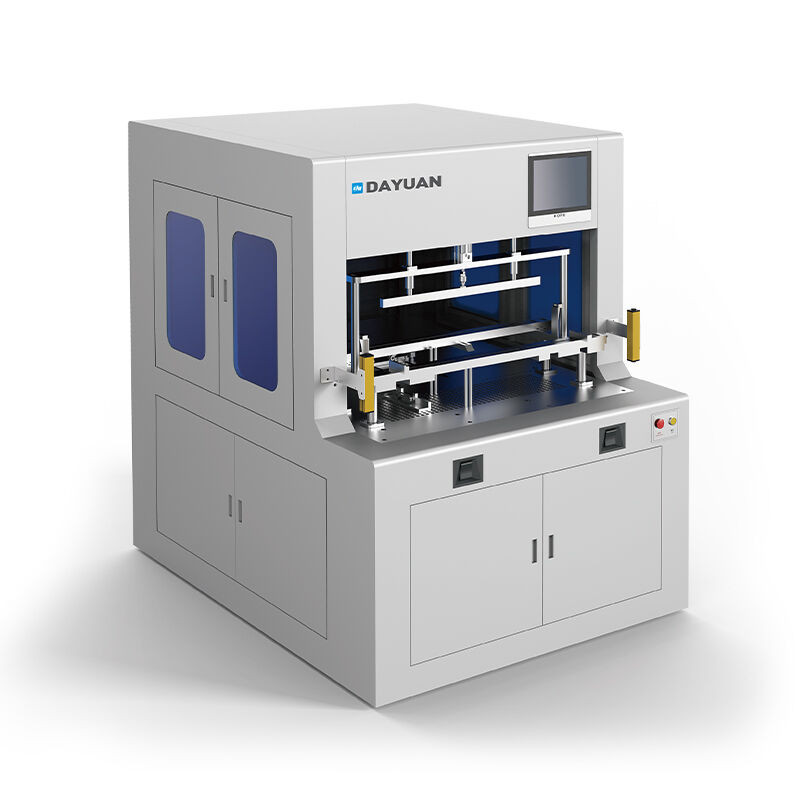
Safety represents a paramount concern in any industrial environment, and a responsible blanking machine manufacturer prioritizes comprehensive protection systems that safeguard both operators and equipment. Modern blanking machines incorporate multiple layers of safety features designed to prevent accidents while maintaining productivity. Light curtains create invisible barriers around hazardous areas, immediately stopping machine operation if an operator's hand or body part crosses the threshold during the cutting cycle. Two-hand control systems require simultaneous activation of buttons positioned far enough apart that operators must use both hands, ensuring hands remain away from the die area during operation. Emergency stop buttons positioned at multiple locations around the machine provide instant shutdown capability from any working position. A conscientious blanking machine manufacturer also implements programmable safety controllers that continuously monitor all safety devices and machine functions, detecting anomalies that could indicate equipment malfunction or unsafe conditions. These controllers prevent machine startup if any safety device is bypassed or malfunctioning, eliminating the temptation to defeat safety systems to maintain production schedules. Mechanical guards and barriers physically prevent access to pinch points, rotating components, and cutting areas while allowing necessary access for die changes and maintenance. Interlocked access doors automatically disable machine power when opened, preventing accidental activation during setup or troubleshooting. Beyond operator safety, equipment from a quality blanking machine manufacturer includes protection systems that prevent damage to expensive tooling and machine components. Overload sensors detect abnormal force levels that indicate material thickness variations, foreign objects in the die, or tool wear, stopping the machine before catastrophic failure occurs. Misfeed detection systems verify proper material positioning before each cut, preventing costly die damage from attempting to blank improperly located material. Hydraulic and pneumatic systems incorporate pressure relief valves, temperature monitors, and contamination sensors that protect against system failures. Electrical cabinets feature thermal overload protection, short circuit prevention, and proper grounding to prevent electrical fires and equipment damage. A forward-thinking blanking machine manufacturer also designs machines with maintenance safety in mind, incorporating lockout-tagout provisions, secure elevated platforms with railings for accessing upper machine areas, and clearly labeled lubrication points that can be serviced without entering hazardous zones. These comprehensive safety features reduce insurance costs, minimize lost-time accidents, demonstrate regulatory compliance, and create a workplace culture where employees feel valued and protected.
 EN
EN