Flexible Material Handling Capabilities Maximize Production Efficiency
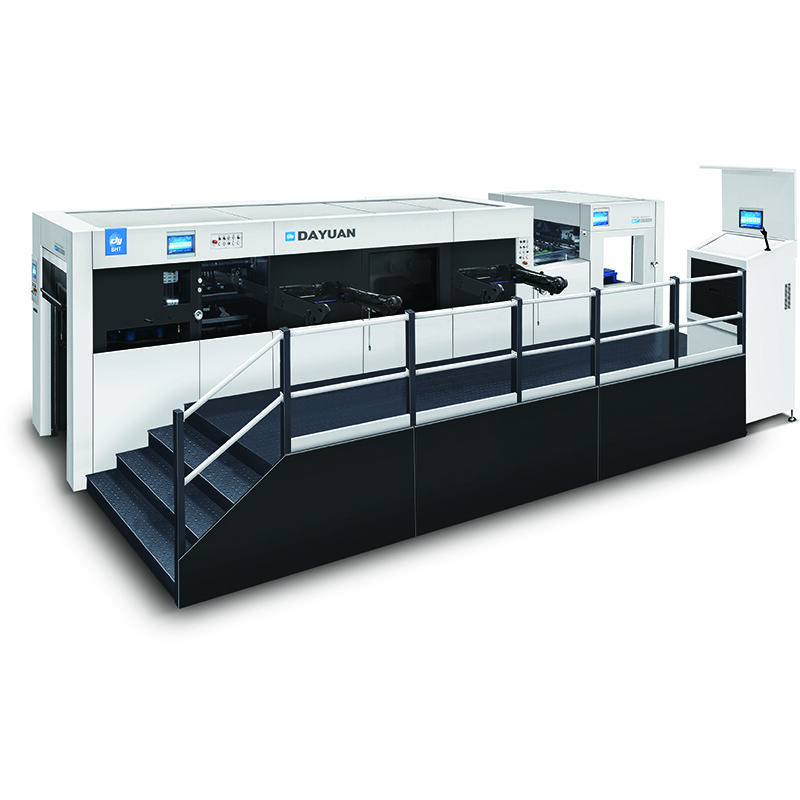
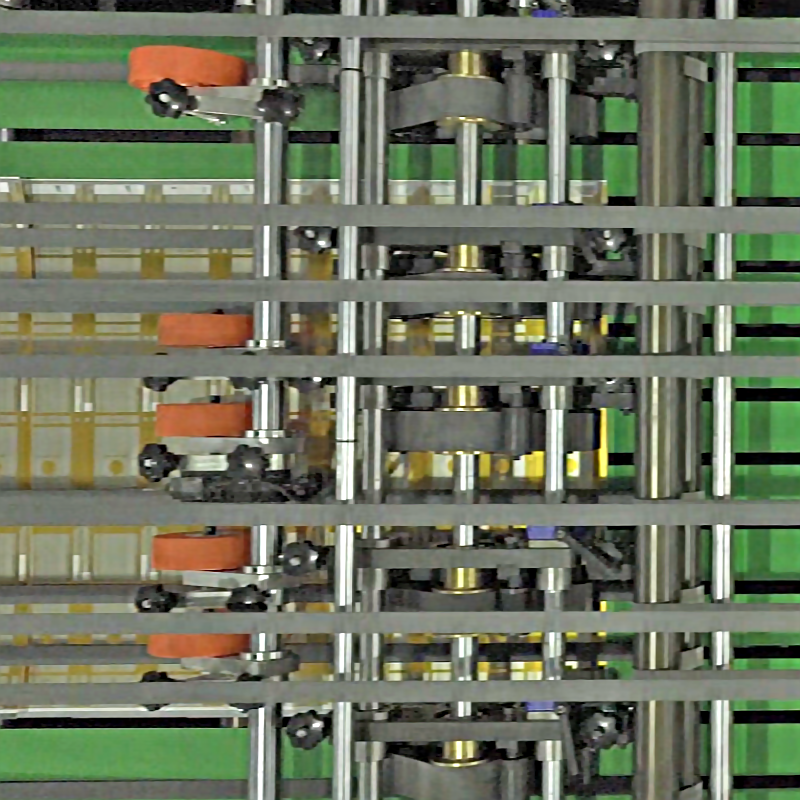
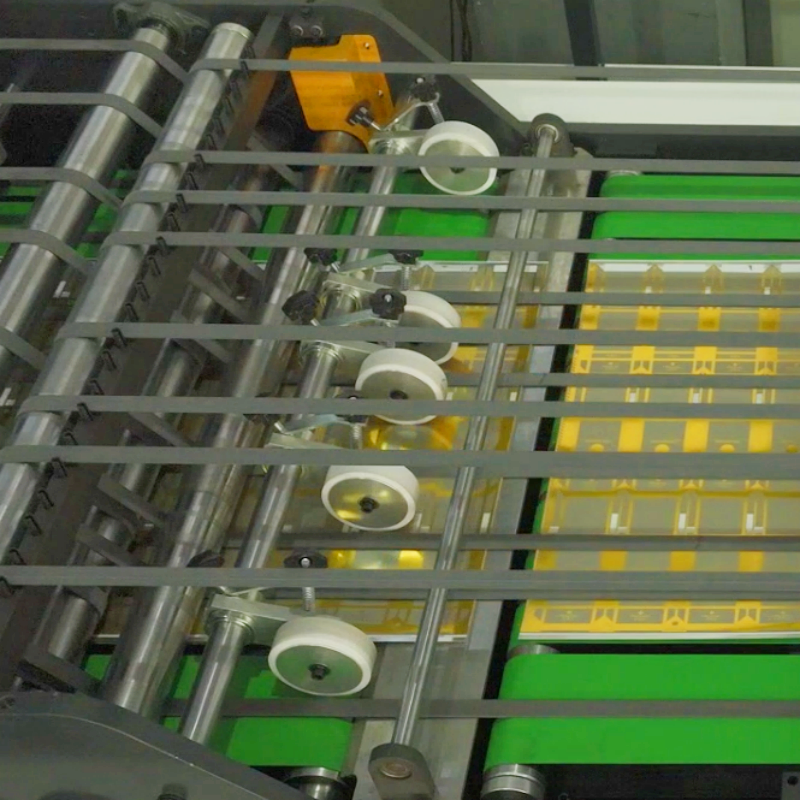
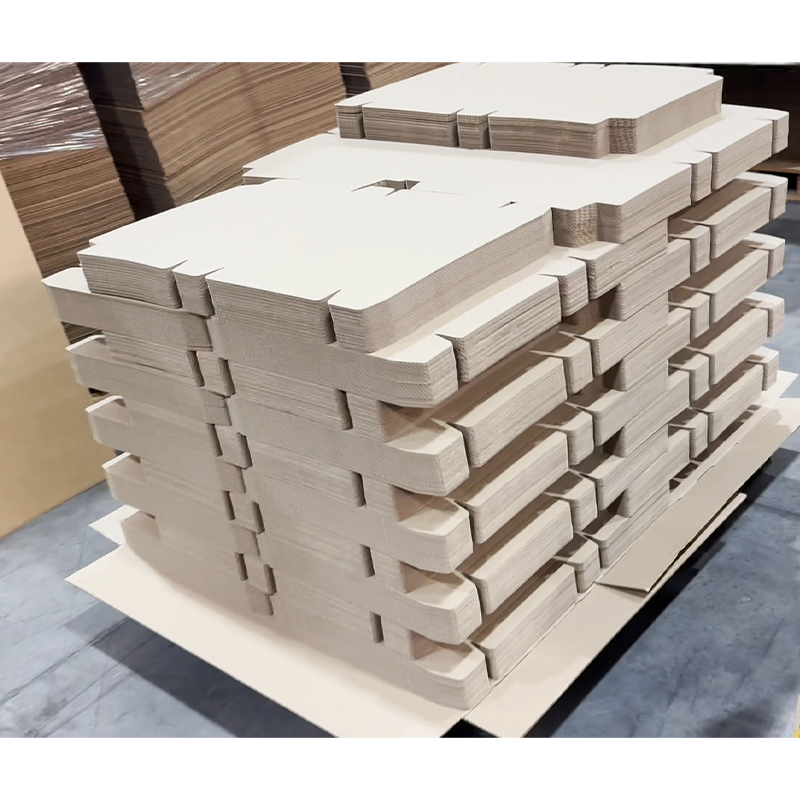
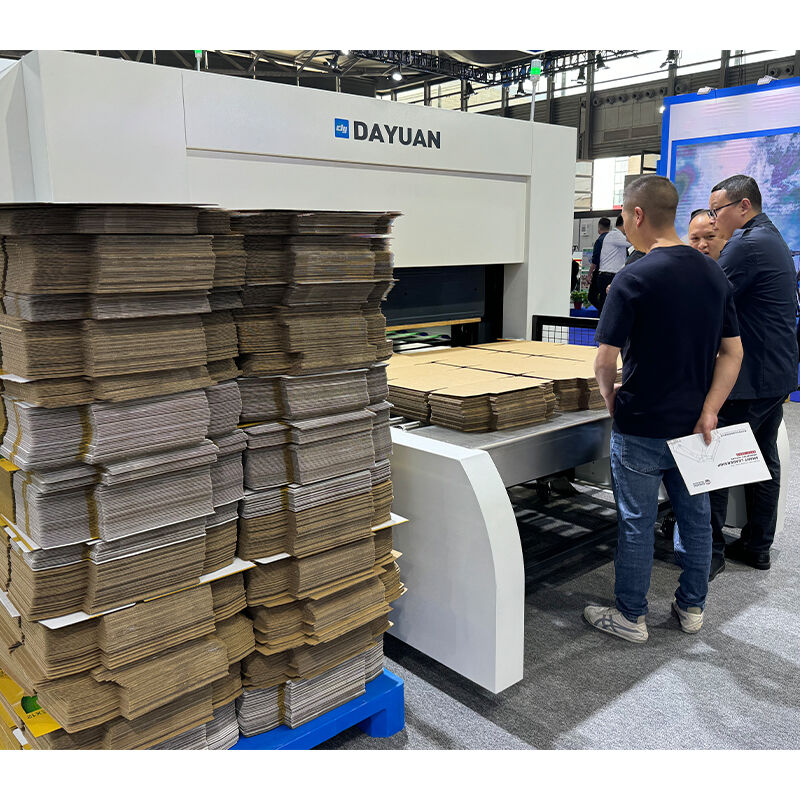
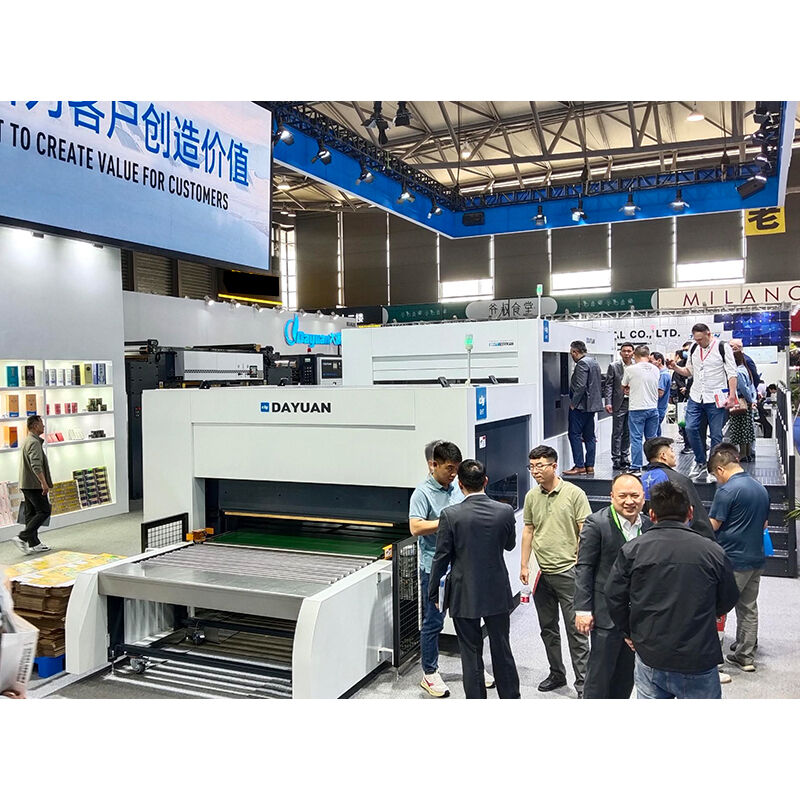
The material handling systems integrated into advanced blanking machines provide flexible capabilities that dramatically improve production efficiency while reducing labor requirements. These sophisticated feeding mechanisms accommodate various material forms including coil stock, sheet materials, and pre-cut blanks, allowing you to select the most economical raw material format for each application. The automated feeding systems utilize servo-driven mechanisms that precisely position material for each cutting cycle, ensuring perfect blank placement and optimal material utilization. The control systems calculate nesting patterns that minimize scrap generation, extracting maximum value from every sheet or coil. For coil-fed operations, the blanking machine incorporates uncoiling systems with tension control that maintains consistent material flow without inducing waves, curls, or stretch marks. These uncoilers handle heavy coils safely, eliminating manual handling that risks worker injury and material damage. The straightening rollers downstream from the uncoiler remove coil set, delivering flat material to the cutting zone for optimal results. The feeding mechanism advances material with programmable step distances, allowing production of blanks in various sizes without manual adjustment. The precision of these movements ensures consistent spacing between blanks, maximizing material yield while maintaining quality standards. For sheet-fed operations, automated loading systems can handle individual sheets, eliminating manual positioning that slows production and introduces variability. Vacuum or magnetic grippers lift sheets from supply stacks and place them accurately on the feeding table. Sensor systems verify correct positioning before initiating the cutting cycle, preventing misfeeds that waste material and damage tooling. The blank removal systems downstream from the cutting zone automatically separate finished parts from scrap skeleton, sorting them into collection bins or conveying them to downstream processes. This automation eliminates manual sorting that ties up skilled workers and creates bottlenecks in production flow. The scrap handling systems efficiently manage waste material, either compacting skeleton scrap for recycling or routing it to waste collection points. These automated systems maintain clean work areas while recovering valuable scrap material that generates revenue. The flexibility of modern material handling systems allows quick changeovers between different products and material types. Tool-less adjustments enable operators to reconfigure feeding width, positioning stops, and blank collection arrangements in minutes rather than hours. This rapid changeover capability supports small-batch production and just-in-time manufacturing strategies that improve inventory management and cash flow. The integration capabilities of these material handling systems allow connection with upstream and downstream equipment, creating seamless production lines that minimize work-in-process inventory and handling steps. Material can flow directly from cutting through forming, assembly, or finishing operations without intermediate storage or manual transfer. This integration reduces lead times, improves quality by preventing handling damage, and lowers labor costs throughout your manufacturing process. The monitoring systems track material consumption, blank production, and scrap generation, providing data that supports inventory management, cost accounting, and process optimization initiatives.
 EN
EN