Custom Blanking Machine Solutions - Precision Metal Cutting Equipment for Manufacturing

+86-577-58918888
All Categories

custom blanking machine

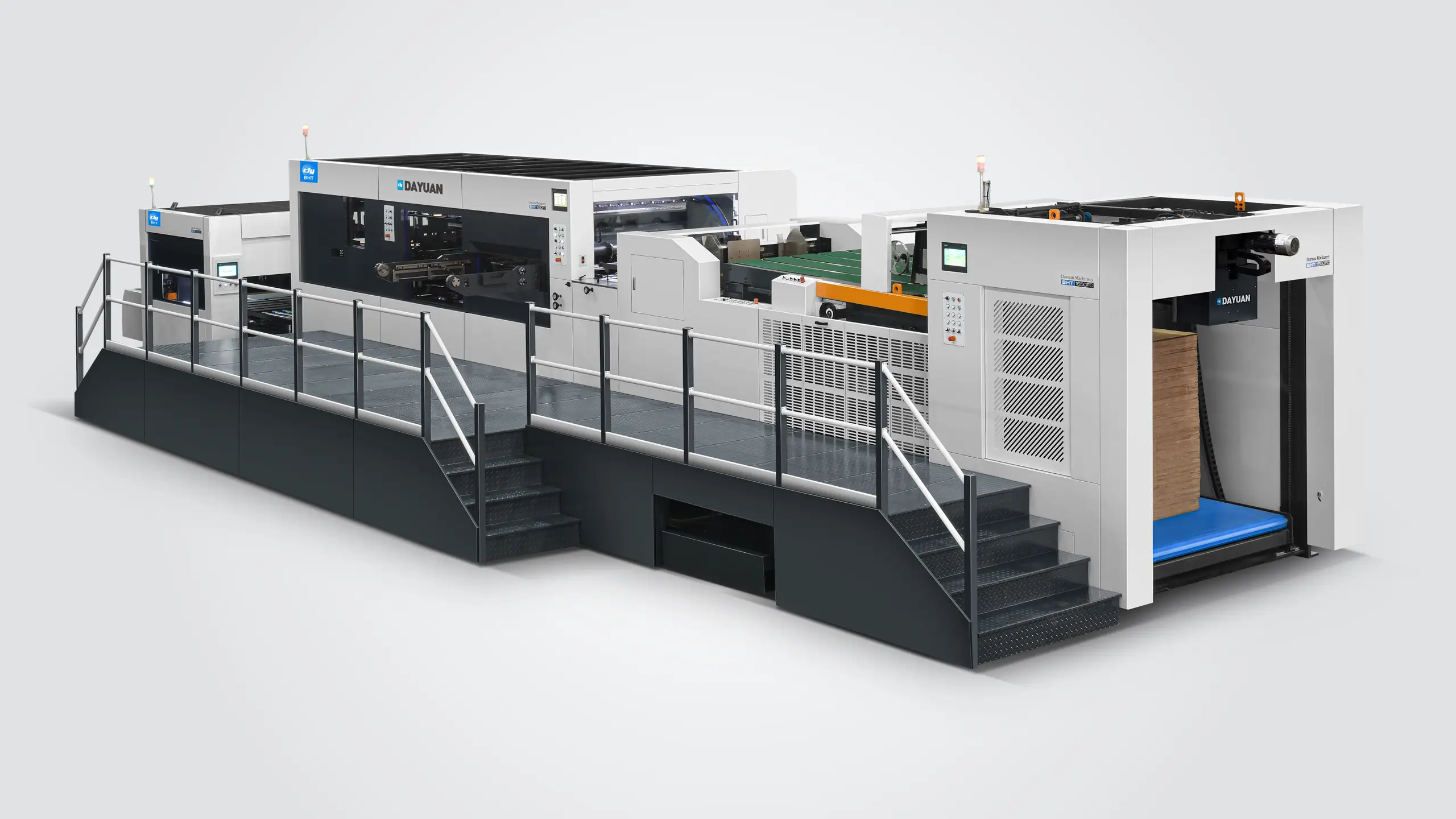
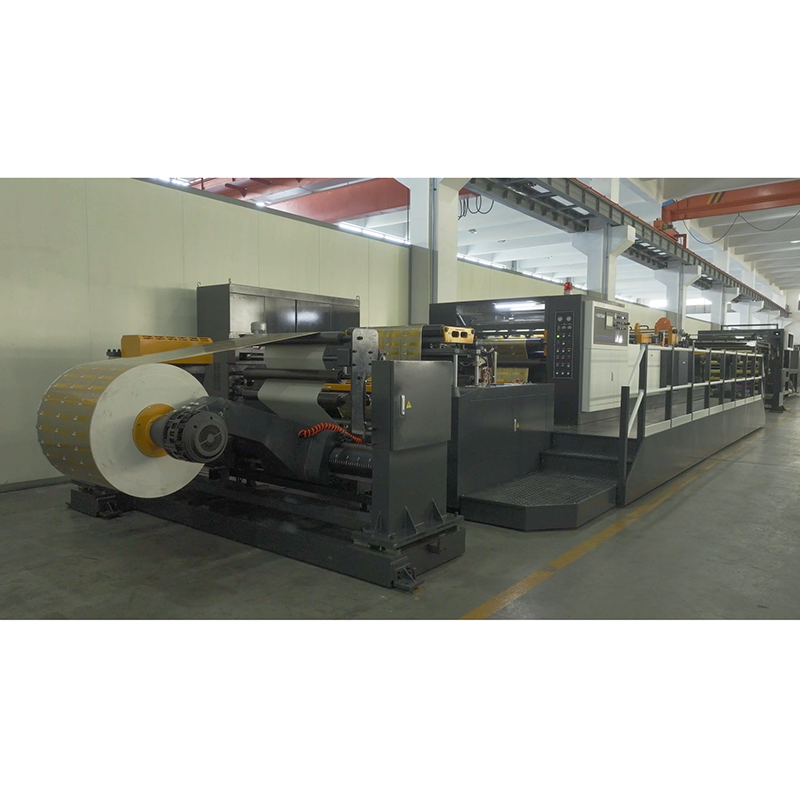
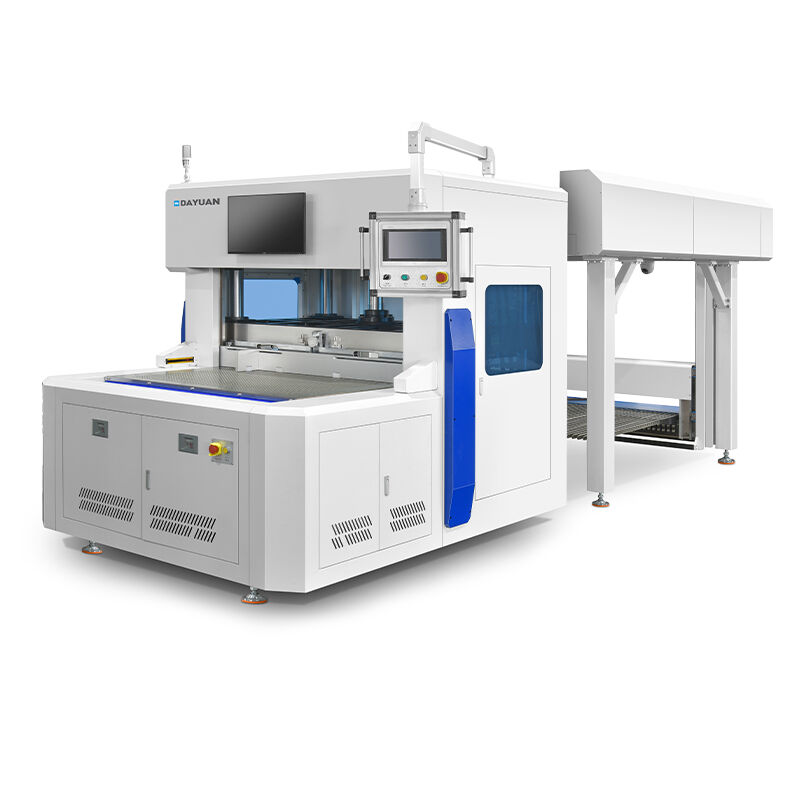
A custom blanking machine represents a specialized industrial equipment solution designed to cut flat metal sheets, coils, or other materials into precise shapes and dimensions according to specific manufacturing requirements. This sophisticated machinery serves as an essential component in modern production facilities where standardized equipment cannot adequately address unique operational demands. The custom blanking machine integrates advanced cutting technology with programmable controls to deliver accurate, repeatable results across diverse applications. Manufacturing operations benefit from equipment that can be tailored to handle particular material types, thickness ranges, production volumes, and dimensional specifications. The machine typically features a robust frame construction that provides stability during high-speed operations, reducing vibrations and ensuring consistent cut quality. Hydraulic or mechanical press systems generate the necessary force to shear through materials cleanly, while precision guides maintain proper alignment throughout the cutting cycle. Modern custom blanking machine models incorporate servo-driven systems that optimize energy consumption and improve positioning accuracy. The tooling configuration can be adapted to accommodate various blank geometries, from simple rectangular shapes to complex contours with multiple cutouts. Programmable logic controllers enable operators to store multiple job parameters, facilitating quick changeovers between different production runs. Safety features including light curtains, emergency stop mechanisms, and guarding systems protect personnel while maintaining operational efficiency. Material handling systems can be integrated to automate feeding and stacking processes, reducing manual intervention and increasing throughput. The versatility of a custom blanking machine extends to processing various materials including cold-rolled steel, stainless steel, aluminum, copper, and specialized alloys. Industries ranging from automotive and appliance manufacturing to electronics and construction rely on these machines to produce components that meet exacting standards. Investment in customized blanking technology delivers long-term value through enhanced productivity, reduced waste, and improved product consistency compared to manual cutting methods or generic equipment solutions.

New Product Releases

The custom blanking machine delivers substantial operational benefits that directly impact your production efficiency and bottom line. First, you gain the ability to process materials with specifications that match your exact requirements rather than compromising with standard equipment limitations. This customization translates to fewer rejected parts, less material waste, and higher overall quality in your finished products. Your production team will appreciate the intuitive control systems that simplify operation and reduce training time for new employees. The machine responds quickly to program changes, allowing you to switch between different product designs without lengthy setup procedures that interrupt workflow. You will notice immediate improvements in cutting precision, with tolerances maintained consistently across thousands of cycles without degradation in quality. This reliability means fewer customer complaints and reduced costs associated with rework or scrapped materials. Energy efficiency represents another significant advantage, as modern systems consume power only during actual cutting operations rather than running continuously like older mechanical designs. Your facility will experience lower utility costs while also reducing environmental impact through decreased energy consumption. The robust construction ensures years of dependable service with minimal maintenance requirements, protecting your capital investment and avoiding unexpected downtime that disrupts production schedules. Automated material handling options eliminate repetitive manual tasks that contribute to worker fatigue and potential injuries, creating a safer work environment while simultaneously boosting output rates. You can scale production volumes up or down easily to accommodate fluctuating demand without sacrificing efficiency or adding extra shifts. The machine processes materials at speeds that manual methods cannot match, dramatically increasing the number of parts produced per hour. This throughput advantage allows you to accept larger orders, meet tighter deadlines, and grow your business without proportional increases in labor costs. Quality control becomes simpler because the machine produces identical parts repeatedly, eliminating variations introduced by human factors in manual cutting operations. Your inspection processes become faster and more straightforward when every piece conforms to the same precise dimensions. The compact footprint of modern designs maximizes your available floor space, allowing you to install additional equipment or expand other operations within existing facilities. Integration capabilities enable the custom blanking machine to connect with your existing production management systems, providing real-time data on output, efficiency, and maintenance needs. This connectivity supports informed decision-making and helps you optimize overall manufacturing operations for maximum profitability.

Latest News

How to Choose a Flatbed Die Cutter for Thick Materials

13

Mar

How to Choose a Flatbed Die Cutter for Thick Materials

Understanding Industrial Die Cutting Excellence The world of industrial die cutting has evolved significantly, with flatbed die cutters emerging as essential tools for businesses handling thick materials. These robust machines combine precision, powe...
View More
How to Select the Right Paper Die Cutting Machine for Your Specific Cardboard or Carton Production?

10

Feb

How to Select the Right Paper Die Cutting Machine for Your Specific Cardboard or Carton Production?

Selecting the appropriate paper die cutting machine for cardboard and carton production requires careful consideration of multiple technical and operational factors. Modern packaging industries demand precision, efficiency, and versatility in their d...
View More
Why Is Blade Quality Critical for Consistent Performance in Paper Cutter Machines?

18

Mar

Why Is Blade Quality Critical for Consistent Performance in Paper Cutter Machines?

The precision and efficiency of paper cutter machines directly depend on the quality of their cutting blades, making blade selection one of the most critical factors in achieving consistent performance across industrial applications. Professional pri...
View More
How Does a 98,000㎡ Manufacturing Facility Ensure the Reliability of Paper Cutter Machines?

18

Mar

How Does a 98,000㎡ Manufacturing Facility Ensure the Reliability of Paper Cutter Machines?

Manufacturing excellence in the paper processing industry requires precise equipment and rigorous quality control measures. Large-scale production facilities spanning 98,000 square meters face unique challenges when ensuring the reliability of paper ...
View More

Get a Free Quote

Our representative will contact you soon.
Email
Name
Company Name
Required Product
Message
0/1000

custom blanking machine

Advanced Precision Engineering for Exceptional Accuracy

Advanced Precision Engineering for Exceptional Accuracy

The custom blanking machine incorporates state-of-the-art precision engineering that ensures every cut meets your exact dimensional specifications with remarkable consistency. This level of accuracy stems from multiple integrated technologies working in harmony to eliminate variables that compromise quality in conventional cutting systems. The machine utilizes precision linear guides and ball screws that position the cutting tooling with micrometer-level accuracy, ensuring that each blank maintains identical dimensions regardless of where it appears in a production run of thousands of pieces. Sophisticated sensor systems continuously monitor critical parameters such as material position, cutting force, and tool wear, making real-time adjustments that compensate for any variations before they affect output quality. The rigid frame construction eliminates flexing and vibration that can introduce dimensional errors, while thermal management systems prevent heat buildup that might cause expansion and contraction affecting tolerances. You receive components that fit perfectly into downstream assembly processes without requiring additional trimming, filing, or adjustment operations that add cost and time to your manufacturing workflow. This precision advantage becomes especially valuable when producing parts with tight tolerances for applications where dimensional accuracy directly impacts functionality or safety. The machine maintains consistent performance across different material thicknesses and types, adapting cutting parameters automatically to achieve optimal results whether processing thin gauge aluminum or heavy plate steel. Advanced programming capabilities allow you to specify complex geometries with curves, angles, and intricate cutout patterns that would be extremely difficult or impossible to achieve through manual methods. The system stores these programs for instant recall, ensuring that repeat orders match original specifications exactly without variation between production batches. Quality assurance processes become streamlined because you can trust that the custom blanking machine will deliver the same precise results every time, reducing inspection requirements and associated labor costs. Customers appreciate receiving components that meet specifications consistently, strengthening your reputation for quality and reliability in competitive markets.
Customizable Configuration for Your Specific Requirements

Customizable Configuration for Your Specific Requirements

The defining characteristic of the custom blanking machine lies in its ability to be configured precisely for your unique operational needs rather than forcing you to adapt your processes to fit generic equipment limitations. This customization begins during the initial consultation phase where engineers analyze your specific materials, production volumes, part geometries, and facility constraints to design a solution optimized for your application. You select the bed size that accommodates your largest blank dimensions without paying for excess capacity you will never utilize, while the tonnage rating matches the maximum material thickness and strength you process. Tooling configurations can be designed for quick-change systems if you frequently switch between different part designs, or optimized for long production runs of consistent products if that better describes your operation. The control system interface can be customized with your preferred language, measurement units, and workflow sequences that match how your operators actually work rather than requiring them to learn unfamiliar procedures. Material handling integration options range from manual loading for low-volume operations to fully automated systems with coil feeders, straighteners, and stacking equipment for high-volume production environments. You specify whether hydraulic, mechanical, or servo-electric drive systems best suit your requirements based on factors like cycle speed needs, energy costs, and maintenance capabilities. Safety features can be enhanced beyond standard requirements if your facility serves particularly hazardous applications or employs workers with varying experience levels. The machine can be designed to integrate seamlessly with existing production equipment, matching connection points, control protocols, and physical layouts that minimize disruption during installation. Electrical specifications adapt to your available power supply whether that involves standard voltages or specialized requirements, avoiding costly facility upgrades. Software capabilities scale from basic operation for simple repetitive tasks to advanced programming with statistical process control integration for complex quality management systems. This comprehensive customization ensures you invest in equipment that delivers maximum value for your specific situation rather than compromising with standard models that include features you do not need while lacking capabilities you require. The result is a custom blanking machine that functions as though it was always part of your operation, fitting naturally into existing workflows and delivering productivity improvements from the first day of operation.

Exceptional Return on Investment Through Operational Efficiency

Exceptional Return on Investment Through Operational Efficiency

Investing in a custom blanking machine delivers measurable financial returns that extend far beyond the initial purchase price, creating value through multiple efficiency improvements that compound over years of service. The immediate impact comes from dramatically increased production speed compared to manual cutting methods or older equipment, allowing you to produce more parts per shift with the same labor investment. This throughput advantage enables you to accept larger orders, reduce lead times, and grow revenue without proportionally increasing overhead costs. Material utilization improves significantly because the machine optimizes blank placement and nesting patterns to minimize scrap, directly reducing your raw material expenses which often represent the largest component of manufacturing costs. Consistent cutting quality eliminates waste from rejected parts that fail to meet specifications, further reducing material costs while also avoiding the labor expense of producing unusable components. Energy efficiency features in modern designs consume substantially less power than older mechanical systems, delivering ongoing utility cost savings that accumulate to significant amounts over the machine's operational lifetime. Maintenance requirements remain minimal due to robust construction and quality components, reducing both parts costs and downtime that interrupts production schedules. The reliability of a properly specified custom blanking machine means you avoid unexpected breakdowns that force expensive rush repairs and lost production time. Automated features reduce labor requirements for material handling and machine operation, allowing you to redeploy personnel to higher-value tasks or manage increased production volumes without adding staff. The precision and consistency of automated cutting improves product quality in ways that strengthen customer satisfaction and reduce warranty claims or returns that damage profitability. Quick changeover capabilities enable you to serve diverse customer needs efficiently, accepting smaller batch orders that might be unprofitable with equipment requiring lengthy setup procedures. Integration with production management systems provides data visibility that supports continuous improvement initiatives, helping you identify and eliminate inefficiencies throughout your operation. The machine maintains its performance characteristics over many years of service, protecting your investment value and providing predictable costs that support accurate financial planning. Financing options and various configuration choices allow you to match the initial investment to your budget constraints while still obtaining equipment that meets your operational requirements. The combination of increased revenue potential through higher production capacity and reduced operating costs through efficiency improvements typically results in payback periods measured in months rather than years, making the custom blanking machine an attractive investment that strengthens your competitive position in the marketplace.

Get a Free Quote

Our representative will contact you soon.
Email
Name
Company Name
Required Product
Message
0/1000