Blanking Stripping Machine - Automated Metal Part Separation for Efficient Manufacturing

+86-577-58918888
All Categories

blanking stripping machine

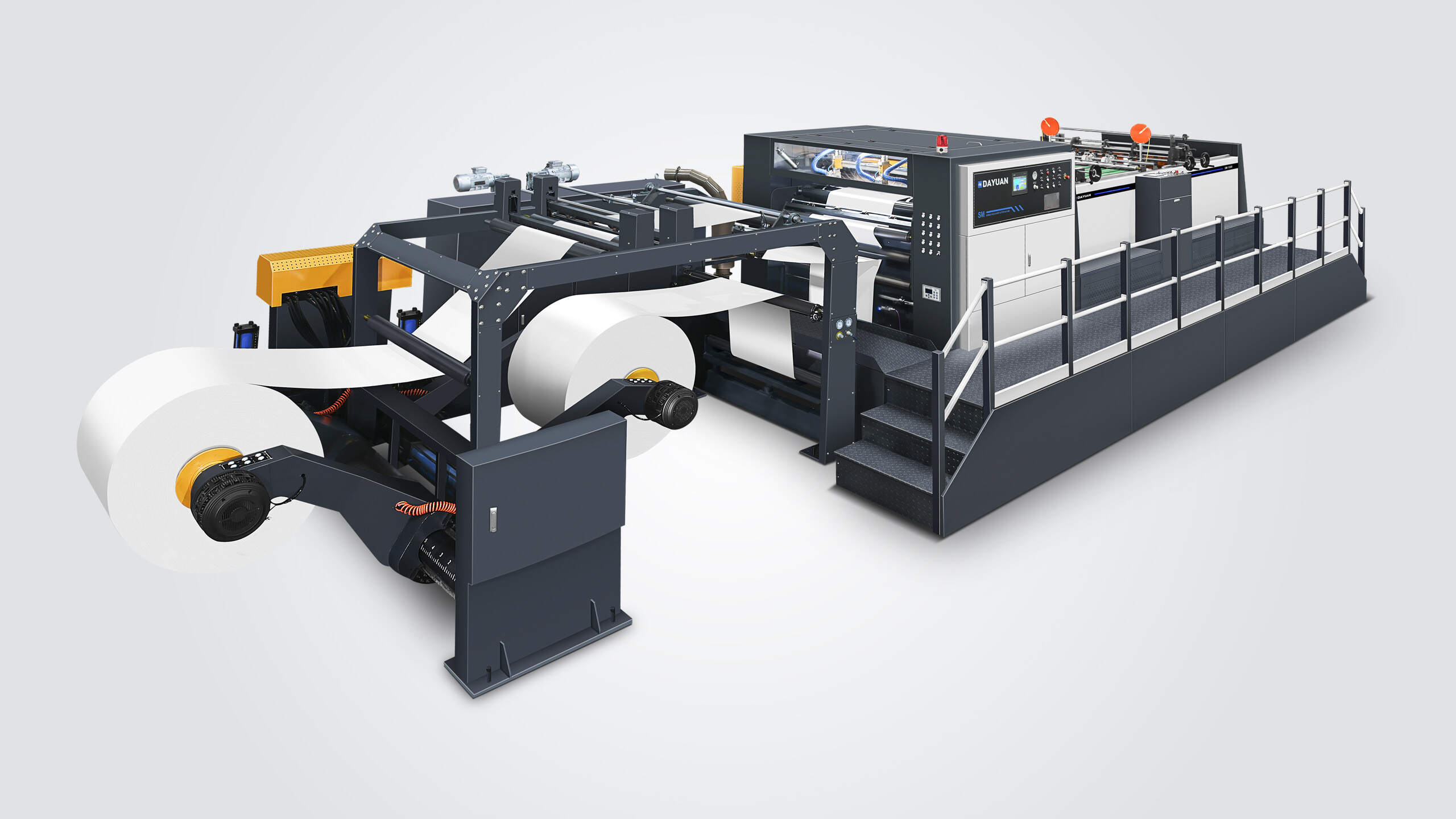
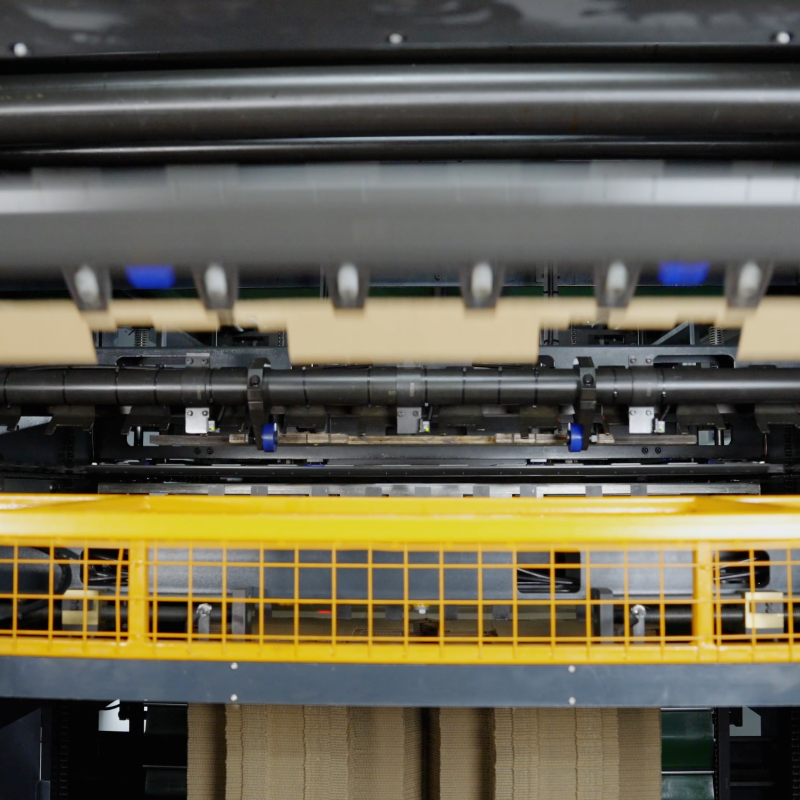
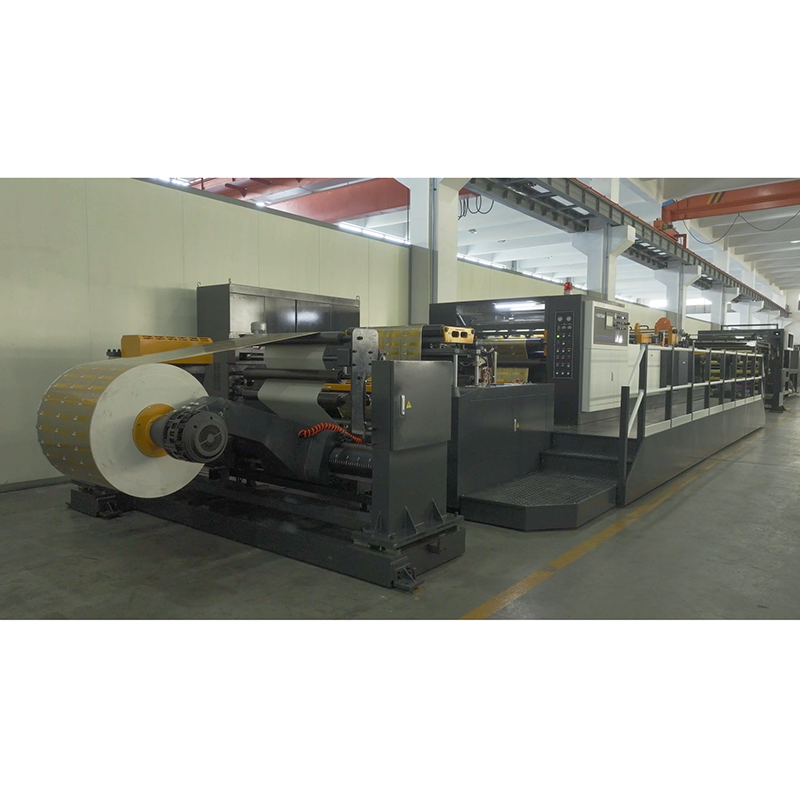
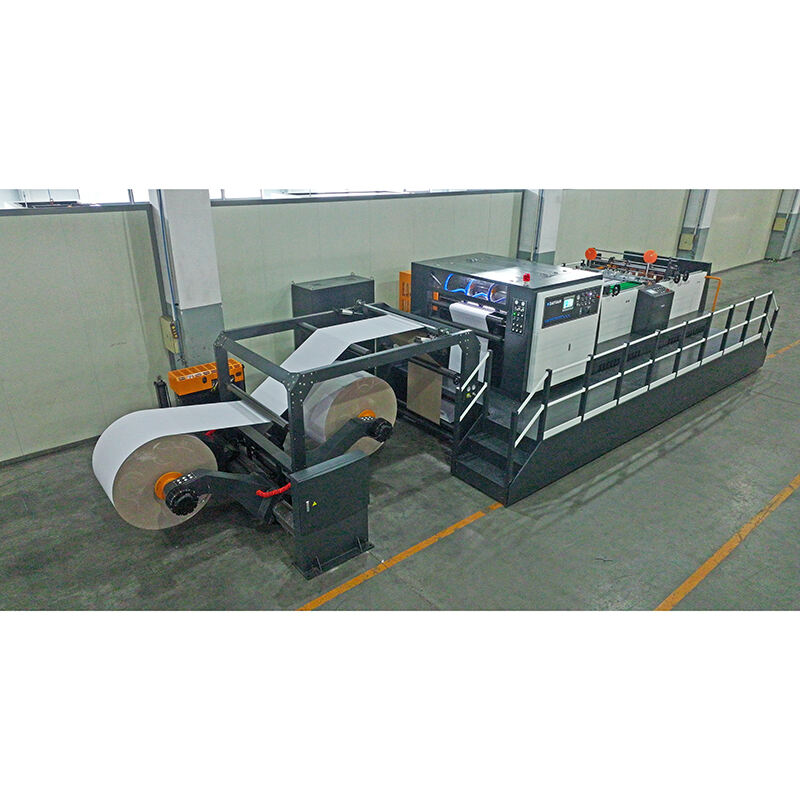
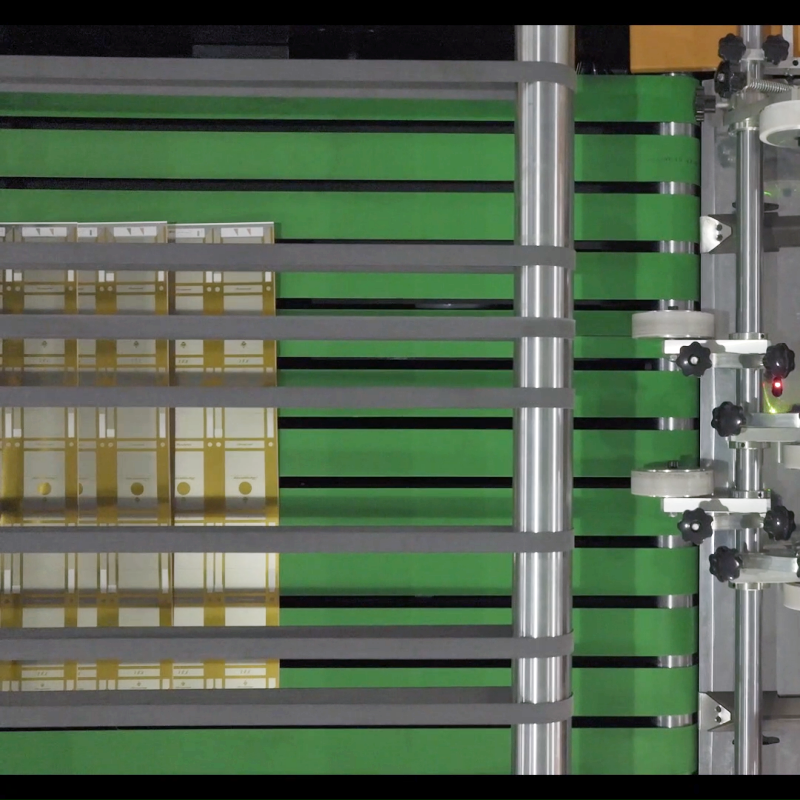
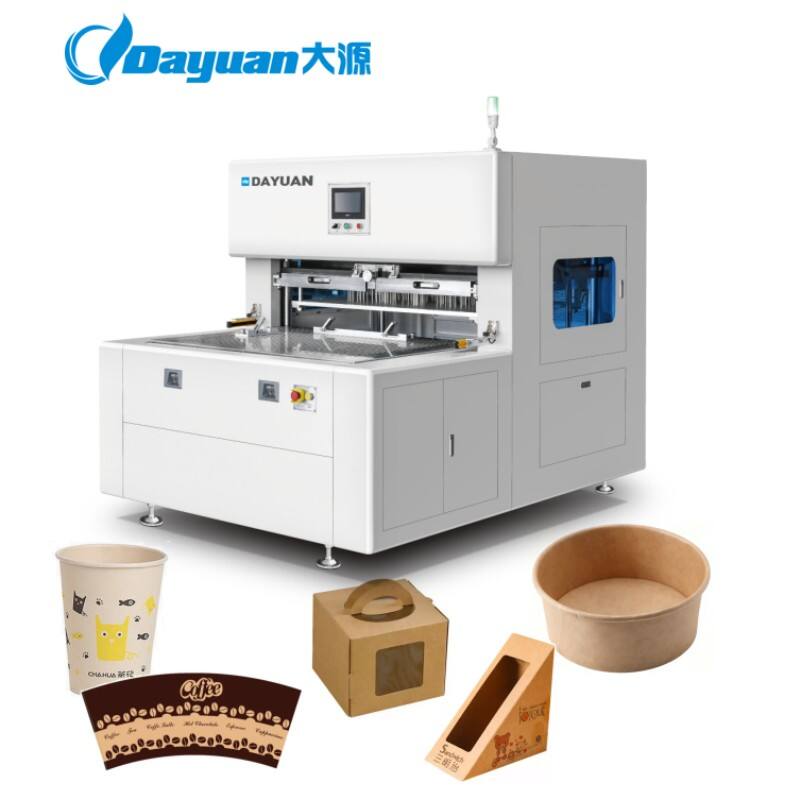
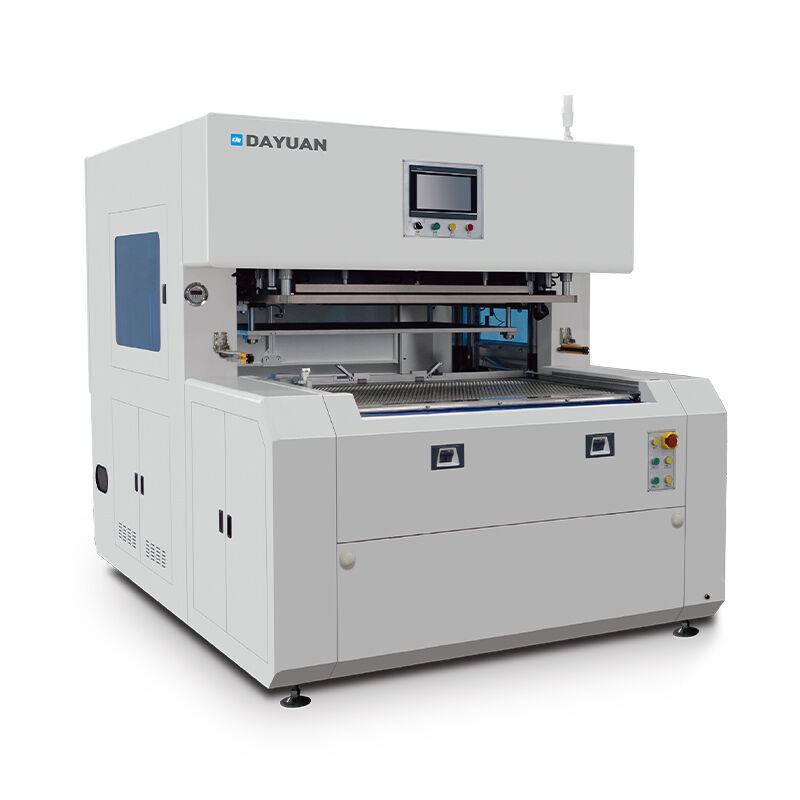
A blanking stripping machine represents an essential piece of manufacturing equipment designed to automate the process of removing finished parts from metal sheets after stamping operations. This sophisticated machinery plays a critical role in modern production facilities where efficiency and precision are paramount. The primary function of a blanking stripping machine involves separating stamped components from the carrier strip or skeleton material that remains after the blanking process. By automating this traditionally manual task, manufacturers can significantly enhance their operational workflow while maintaining consistent quality standards. The blanking stripping machine utilizes advanced mechanical systems and precise controls to handle various materials including steel, aluminum, copper, and other metals commonly used in industrial applications. Technological features of these machines include programmable logic controllers that allow operators to customize stripping parameters based on specific production requirements. Many modern blanking stripping machines incorporate sensor technology that detects part positioning and adjusts the stripping mechanism accordingly, ensuring minimal damage to finished components. The equipment typically features adjustable pressure settings, variable speed controls, and multiple stripping stations that can process different part geometries simultaneously. Safety mechanisms are integrated throughout the design, including emergency stop functions and protective guards that shield operators from moving components. Applications for blanking stripping machines span numerous industries including automotive manufacturing, electronics production, appliance fabrication, and precision metal forming operations. In automotive plants, these machines efficiently separate brackets, clips, and structural components from metal strips. Electronics manufacturers rely on blanking stripping machines to handle delicate connector pins and circuit board components. The versatility of these machines makes them suitable for both high-volume production runs and specialized low-volume manufacturing where flexibility is essential. Investment in a blanking stripping machine delivers measurable improvements in production capacity while reducing labor costs associated with manual stripping operations. The equipment accommodates various material thicknesses and strip widths, making it adaptable to changing production demands.

New Products

The blanking stripping machine delivers substantial advantages that directly impact your bottom line and operational efficiency. First and foremost, this equipment dramatically increases production speed compared to manual stripping methods. Workers who previously spent hours carefully removing parts from metal strips can now accomplish the same task in minutes, allowing your facility to meet demanding production schedules without adding shifts or expanding workforce numbers. This acceleration in processing time means you can accept larger orders and deliver products faster to customers, creating competitive advantages in your market segment. Cost savings represent another compelling benefit of implementing a blanking stripping machine in your operation. By reducing the labor hours required for stripping tasks, you lower ongoing operational expenses while reallocating skilled workers to higher-value activities that require human expertise. The machine operates consistently throughout shifts without fatigue, eliminating the productivity variations that naturally occur with manual labor. This consistency translates to predictable output rates that simplify production planning and inventory management. Quality improvements become immediately apparent when you transition from manual to automated stripping. The blanking stripping machine applies uniform force and positioning during each cycle, preventing the bending, scratching, or deformation that can occur when workers manually pry parts from carrier strips. This consistency means fewer rejected parts, less waste material, and higher customer satisfaction due to improved product quality. Your inspection processes become more streamlined because parts arrive at the next production stage in predictable condition. Safety benefits cannot be overstated when discussing blanking stripping machines. Manual stripping operations expose workers to sharp metal edges, repetitive stress injuries, and potential hand injuries from slipping tools. The automated machine eliminates direct hand contact with sharp materials, significantly reducing workplace injury risks and associated workers compensation costs. Operators interact with the equipment through controlled interfaces that keep them at safe distances from moving components. Flexibility in handling different part designs makes the blanking stripping machine a versatile addition to your manufacturing capabilities. Quick changeover features allow you to switch between different strip configurations without extensive downtime, enabling your facility to produce varied product lines efficiently. This adaptability becomes particularly valuable when serving customers with diverse requirements or when introducing new product designs. The machine accommodates various material types and thicknesses, expanding the range of projects your facility can undertake. Return on investment typically occurs within reasonable timeframes due to the combination of labor savings, quality improvements, and increased throughput. The durability of properly maintained blanking stripping machines means years of reliable service, spreading the initial capital investment across extended operational periods.

Practical Tips

What Key Maintenance Steps Ensure Consistent Performance in a High-Cycle Paper Die Cutting Machine?

10

Feb

What Key Maintenance Steps Ensure Consistent Performance in a High-Cycle Paper Die Cutting Machine?

Industrial packaging and printing operations rely heavily on the consistent performance of their paper die cutting machine systems to meet demanding production schedules. These sophisticated pieces of equipment process thousands of sheets per hour, c...
View More
How to Select the Right Paper Die Cutting Machine for Your Specific Cardboard or Carton Production?

10

Feb

How to Select the Right Paper Die Cutting Machine for Your Specific Cardboard or Carton Production?

Selecting the appropriate paper die cutting machine for cardboard and carton production requires careful consideration of multiple technical and operational factors. Modern packaging industries demand precision, efficiency, and versatility in their d...
View More
Why Is a Globally Experienced Supplier Important for Sourcing Reliable Paper Die Cutting Machines?

10

Feb

Why Is a Globally Experienced Supplier Important for Sourcing Reliable Paper Die Cutting Machines?

The manufacturing industry increasingly relies on precision equipment to maintain competitive advantages in global markets. When sourcing paper die cutting machines, businesses face critical decisions that can impact their operational efficiency, pro...
View More
Why Is Blade Quality Critical for Consistent Performance in Paper Cutter Machines?

18

Mar

Why Is Blade Quality Critical for Consistent Performance in Paper Cutter Machines?

The precision and efficiency of paper cutter machines directly depend on the quality of their cutting blades, making blade selection one of the most critical factors in achieving consistent performance across industrial applications. Professional pri...
View More

Get a Free Quote

Our representative will contact you soon.
Email
Name
Company Name
Required Product
Message
0/1000

blanking stripping machine

Precision Automation That Eliminates Production Bottlenecks

Precision Automation That Eliminates Production Bottlenecks

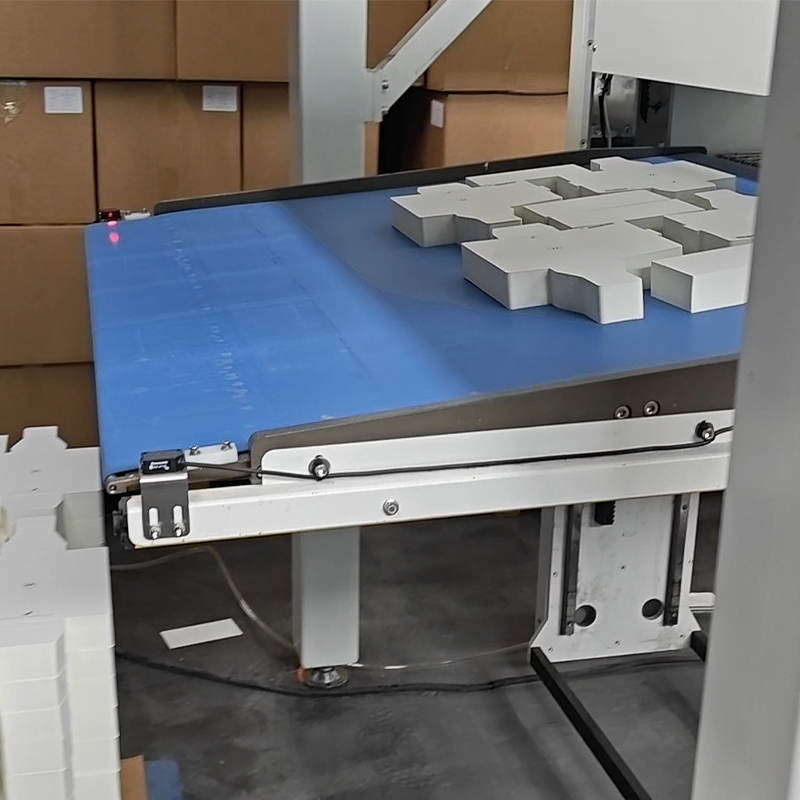
The blanking stripping machine incorporates precision automation technology that fundamentally transforms how manufacturers handle post-stamping operations. Traditional manual stripping creates production bottlenecks where finished stamped parts accumulate faster than workers can separate them from carrier strips, forcing expensive slowdowns in upstream stamping operations. This automated solution eliminates those constraints by processing parts at speeds matching or exceeding your stamping press output. The machine employs servo-driven mechanisms that position strips with micron-level accuracy, ensuring the stripping tools engage parts at optimal locations for clean separation. Sophisticated control systems monitor force application in real time, adjusting pressure dynamically based on material resistance to prevent part damage while ensuring complete separation. This intelligent force modulation proves especially valuable when processing delicate components or working with materials that exhibit variable mechanical properties. The automation extends beyond simple mechanical stripping to include part handling and sorting capabilities. Advanced blanking stripping machines feature integrated conveyors or robotic arms that collect separated parts and route them to designated collection bins or directly to subsequent production stages. This seamless material flow eliminates manual transfer steps that previously required worker intervention between each production phase. Operators can configure the machine to sort parts by quality criteria, automatically diverting pieces that fail dimensional checks or exhibit surface defects. The precision of automated stripping also preserves the integrity of complex part geometries that would be difficult or impossible to strip manually without deformation. Components featuring fine details, thin cross-sections, or intricate cutouts emerge from the blanking stripping machine in pristine condition, ready for assembly or finishing operations without additional straightening or rework. This capability opens opportunities to manufacture more sophisticated designs that deliver enhanced functionality to end users. Production scheduling becomes more predictable when blanking stripping machines anchor your workflow. Managers can calculate throughput with confidence, knowing the equipment will maintain consistent cycle times throughout shifts. This reliability enables just-in-time manufacturing strategies that minimize inventory carrying costs while ensuring materials arrive precisely when needed for downstream processes.
Versatile Material Compatibility Across Diverse Manufacturing Requirements

Versatile Material Compatibility Across Diverse Manufacturing Requirements

One of the most compelling attributes of modern blanking stripping machines is their remarkable versatility in handling diverse materials and strip configurations. Manufacturing facilities frequently work with multiple metal types ranging from mild steel to exotic alloys, each presenting unique characteristics that affect stripping operations. The blanking stripping machine accommodates this material diversity through adjustable parameters that operators can modify to suit specific requirements. Whether processing soft aluminum that requires gentle handling or hardened steel that demands substantial stripping force, the equipment adapts accordingly. Material thickness variations that once complicated manual stripping operations become manageable when the blanking stripping machine applies consistent, calibrated force regardless of gauge. The machine handles thin foils measuring fractions of a millimeter as competently as heavy-gauge plates several millimeters thick. This thickness adaptability means facilities can consolidate stripping operations for multiple product lines onto a single machine rather than maintaining separate equipment for different material specifications. Strip width accommodation represents another dimension of versatility that enhances the blanking stripping machine's value proposition. Production runs involving narrow strips for small components or wide strips for large parts both process efficiently through appropriate fixture adjustments. Quick-change tooling systems allow operators to reconfigure the machine for different strip widths in minutes rather than hours, minimizing downtime between production batches. The ability to handle varying part densities within strips adds further operational flexibility. Some stamping patterns produce tightly spaced parts that maximize material utilization, while others feature widely separated components due to geometric constraints. The blanking stripping machine processes both configurations effectively, adjusting stripping sequences to accommodate different spacing patterns. Complex strip layouts incorporating multiple part types in single strips present no obstacle for machines equipped with programmable stripping patterns that selectively remove specific components while leaving others attached for subsequent operations. Surface finish preservation across different material types showcases the sophisticated control these machines exercise during stripping operations. Polished stainless steel components emerge without scratches, painted parts retain their coating integrity, and plated materials maintain their surface treatments because the equipment applies precisely calibrated stripping forces that separate parts without surface contact damage. This capability proves essential when manufacturing finished components that proceed directly to packaging after stripping, eliminating costly secondary finishing operations.
Reduced Operating Costs Through Enhanced Efficiency and Minimal Maintenance

Reduced Operating Costs Through Enhanced Efficiency and Minimal Maintenance

Financial considerations drive most equipment acquisition decisions, and the blanking stripping machine delivers compelling economic benefits that extend far beyond initial purchase price considerations. Operating cost reductions manifest through multiple channels, beginning with the dramatic decrease in labor expenses associated with automated stripping versus manual methods. A single blanking stripping machine can replace several workers previously dedicated to manual stripping tasks, redirecting that labor capacity toward activities that generate greater value or eliminating positions through attrition as production needs evolve. The labor savings compound over time as wage rates increase while the machine's operating costs remain relatively stable. Energy efficiency represents another area where modern blanking stripping machines excel compared to older equipment designs or labor-intensive manual processes. Contemporary machines employ energy-efficient motors, optimized hydraulic systems, and intelligent power management that reduces electricity consumption during idle periods between cycles. These efficiency measures translate to lower utility bills month after month, year after year, contributing to total cost of ownership advantages. When facilities calculate energy costs per part processed, the automated machine consistently outperforms manual methods that require extensive facility lighting, climate control, and support infrastructure for workers. Maintenance requirements for properly engineered blanking stripping machines remain remarkably modest relative to the intensive service demands of more complex manufacturing equipment. Routine maintenance typically involves simple tasks such as lubrication, belt inspection, and periodic replacement of wear items like stripping blades or guide rollers. These maintenance activities require minimal specialized knowledge, allowing in-house technicians to perform most service work without expensive external support contracts. The machine's robust construction ensures mechanical components withstand years of continuous operation before requiring replacement, spreading maintenance costs across extended service intervals. Downtime costs that plague many manufacturing operations are substantially reduced when blanking stripping machines anchor your production processes. The equipment's reliability means scheduled production runs proceed without unexpected interruptions that force costly rescheduling and customer delivery delays. Predictive maintenance features available on advanced models monitor component wear and alert operators before failures occur, enabling planned maintenance during scheduled downtime rather than emergency repairs during production hours. Scrap reduction contributes additional cost savings by preserving material value in finished parts rather than losing components to damage during manual stripping. When workers manually separate parts from carrier strips, occasional mistakes result in bent, scratched, or broken components that must be scrapped. The blanking stripping machine's consistent, controlled stripping action virtually eliminates damage-related scrap, ensuring that material costs invested in stamping operations translate fully into saleable finished products.

Get a Free Quote

Our representative will contact you soon.
Email
Name
Company Name
Required Product
Message
0/1000