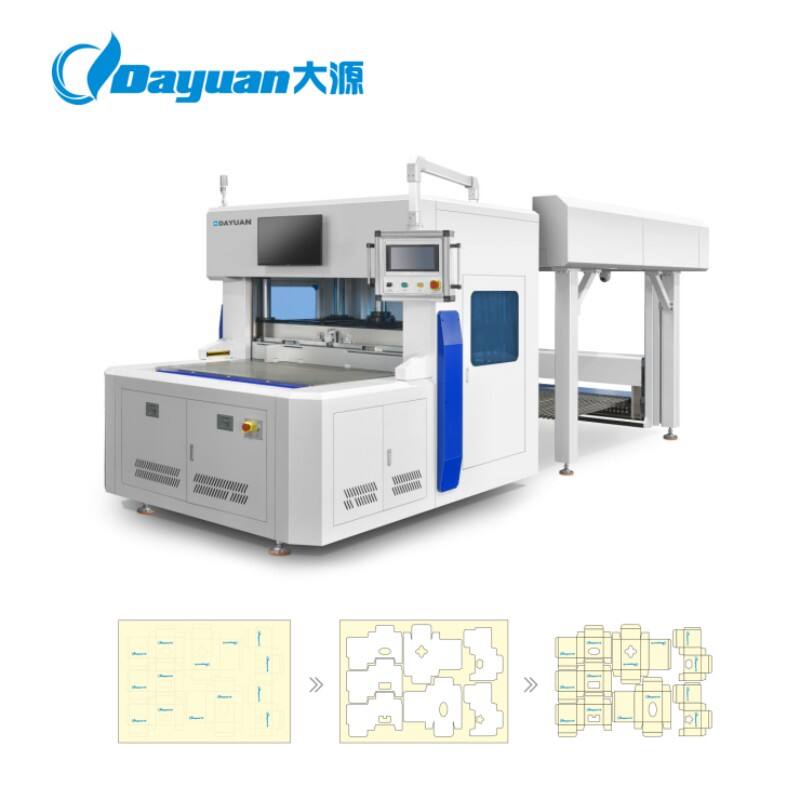
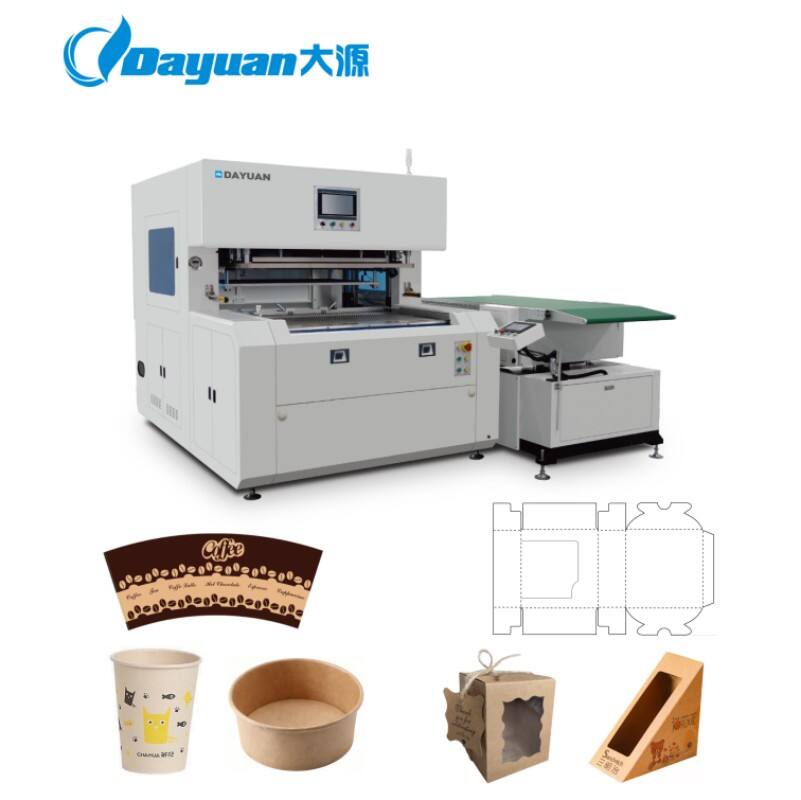
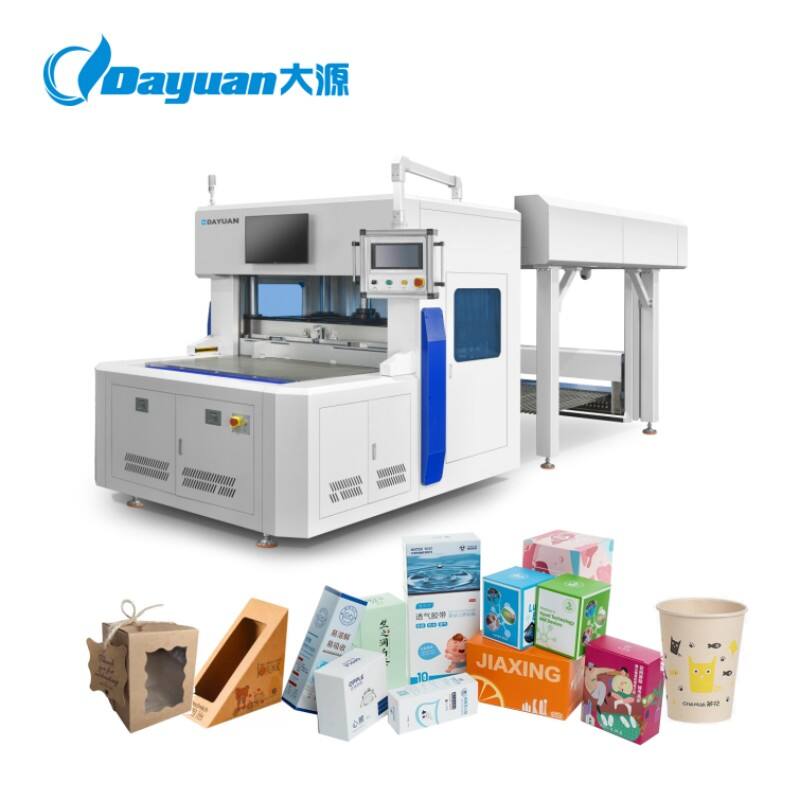
Application Versatility That Adapts to Evolving Manufacturing Requirements
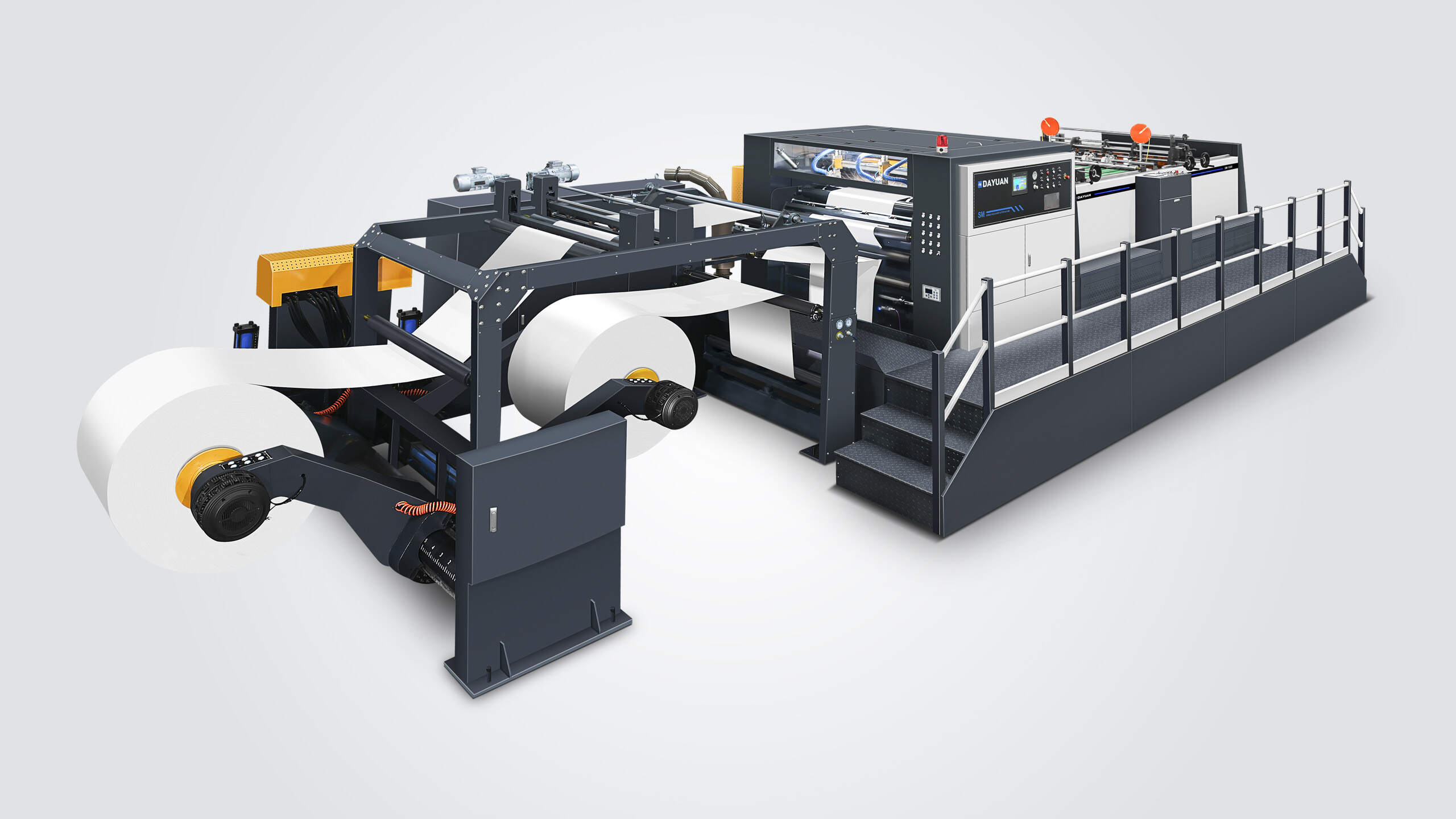
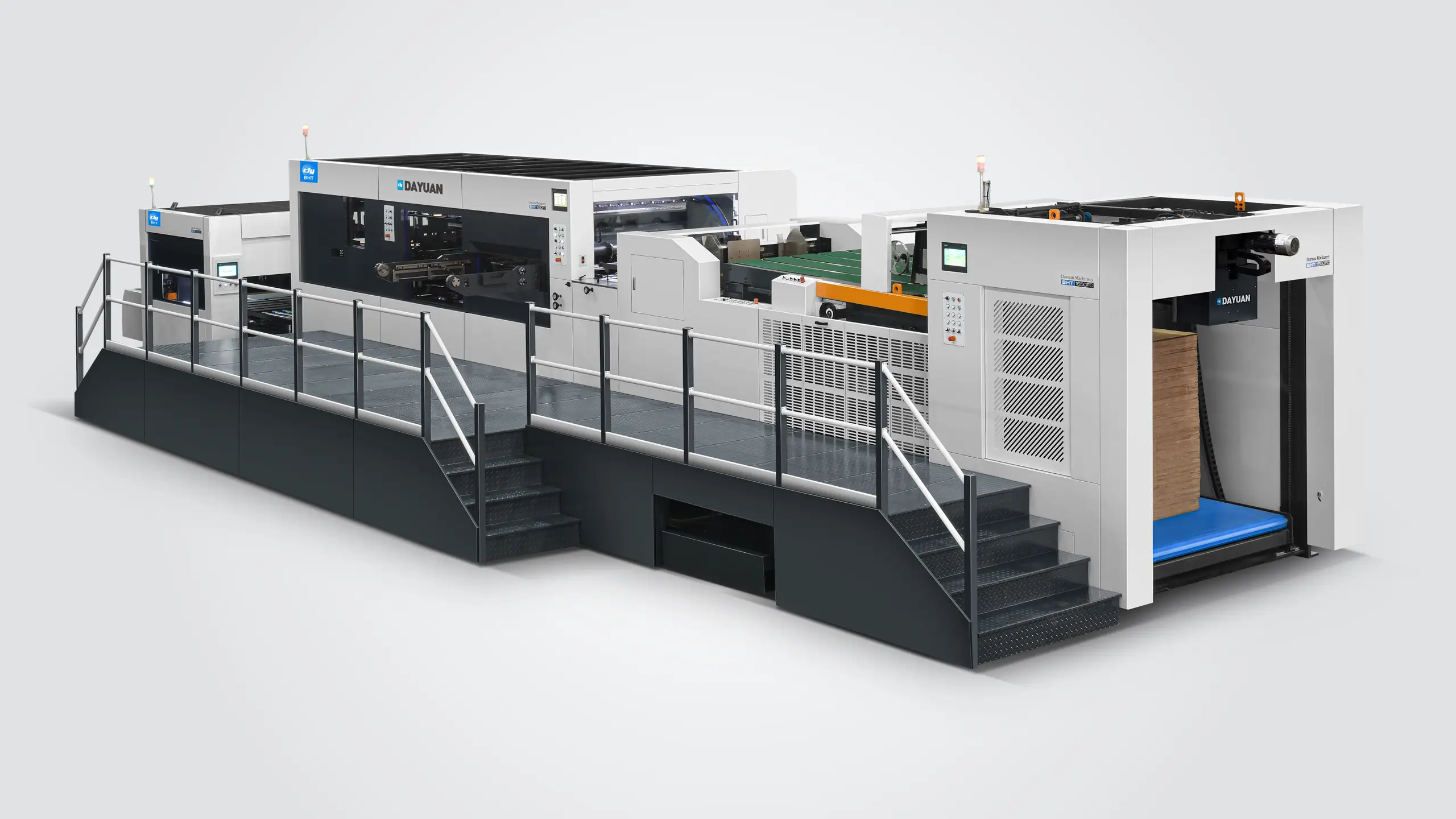
Manufacturing environments continually evolve with changing product designs, new material specifications, varying production volumes, and shifting market demands, making equipment versatility a valuable asset that protects capital investments while enabling business growth. A forward-thinking blanking machine company designs equipment with inherent flexibility that accommodates diverse applications without requiring substantial modifications or auxiliary equipment investments. This versatility begins with the fundamental machine capacity, incorporating adjustable stroke lengths, variable tonnage settings, and flexible bed dimensions that handle different blank sizes and material thicknesses within a single machine platform. Rather than limiting manufacturers to narrow application windows, a versatile blanking machine company provides equipment that serves multiple product lines, reducing the total machinery investment required while simplifying operator training and maintenance procedures. The material compatibility represents another crucial versatility dimension, with quality equipment capable of processing various metals including mild steel, stainless steel, aluminum alloys, copper, brass, and specialty materials that each present unique cutting characteristics. A professional blanking machine company engineers their equipment with adjustable parameters that optimize performance for each material type, preventing the common problems of excessive burr formation, work hardening, or die wear that plague less sophisticated machines. The die integration flexibility offered by an experienced blanking machine company enables manufacturers to utilize both proprietary die systems and industry-standard configurations, preventing vendor lock-in while allowing gradual tooling upgrades as budgets permit. Quick-change die systems minimize the downtime associated with product transitions, with some advanced designs achieving complete die changes in minutes rather than hours, dramatically improving overall equipment effectiveness when producing multiple part numbers. Production volume flexibility represents a significant advantage as quality equipment from a reputable blanking machine company performs efficiently across a wide range from small custom batches to high-volume continuous runs. Variable speed controls, programmable feeding sequences, and adjustable automation levels allow operators to configure the machine appropriately for each job rather than compromising between batch and production modes. The integration capabilities with upstream and downstream equipment further enhance versatility, with modern blanking machine company offerings featuring standard communication protocols, conveyor interfaces, robotic loading compatibility, and quality inspection system connections that facilitate complete production line automation. This integration potential means your initial equipment purchase can evolve into a comprehensive manufacturing cell as your operations grow and automation needs expand. Future modification potential distinguishes exceptional blanking machine company equipment, with modular designs that accept capability upgrades such as enhanced controls, additional safety features, improved feeding systems, or increased tonnage capacity without requiring complete machine replacement. This upgradeability protects your investment while providing a clear path for performance enhancement as your manufacturing requirements become more demanding. The application versatility ultimately provides manufacturers with operational agility, enabling rapid response to customer requests, efficient handling of prototype through production quantities, and the confidence to pursue new market opportunities knowing their blanking equipment can adapt to emerging requirements.
 EN
EN