Professional Blanking Machine Supplier - Quality Equipment and Comprehensive Solutions

+86-577-58918888
All Categories

blanking machine supplier

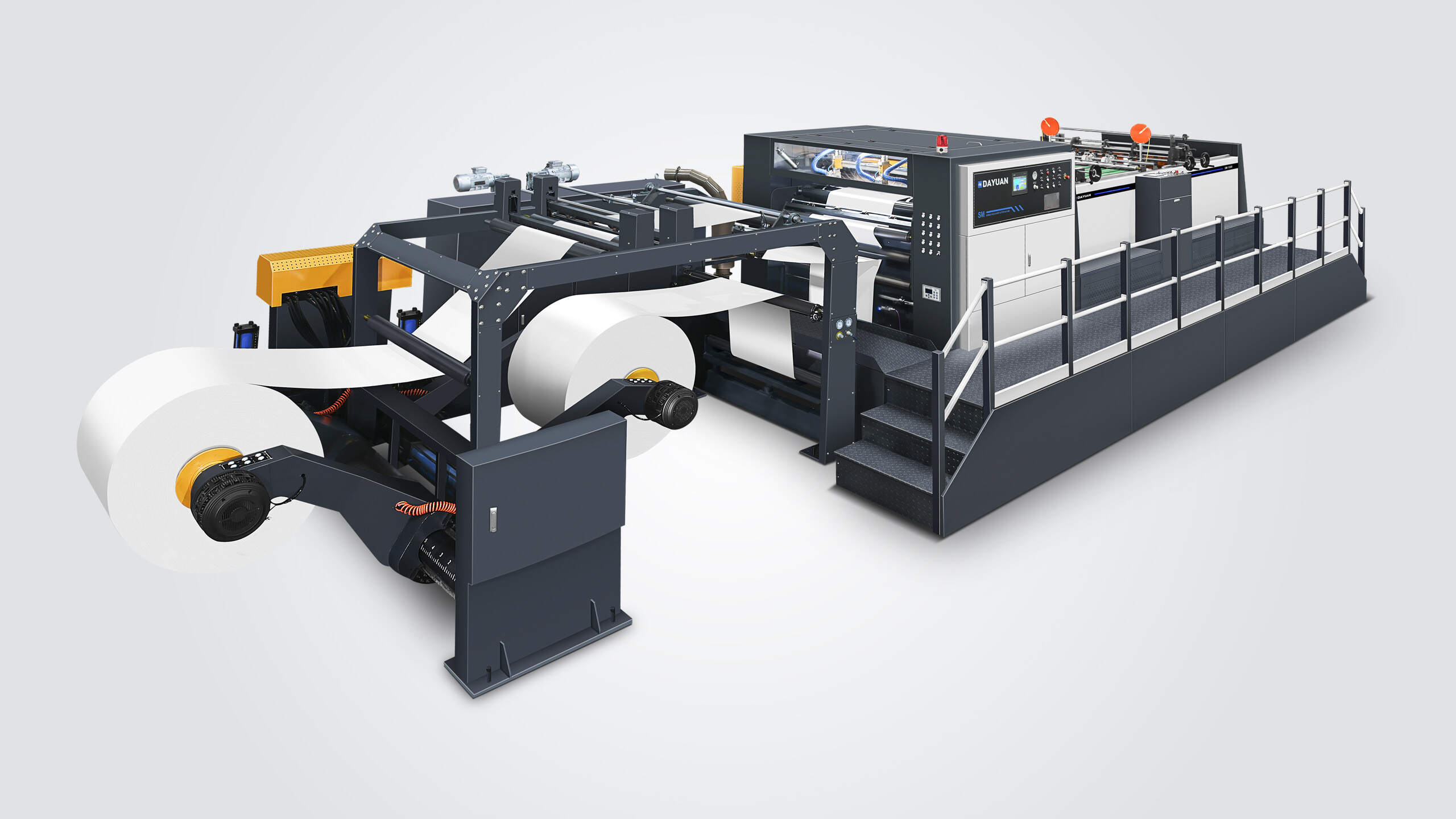
A blanking machine supplier serves as a crucial industrial partner that provides specialized equipment designed to cut flat materials into precise shapes and dimensions. These suppliers offer comprehensive solutions that include manufacturing, delivering, installing, and maintaining blanking machines used across multiple industries. The primary function of equipment from a blanking machine supplier centers on converting raw sheet materials such as metal, plastic, cardboard, and composite materials into uniform blanks through automated cutting processes. Modern blanking machine suppliers integrate advanced technologies including computer numerical control systems, hydraulic press mechanisms, servo-driven components, and precision tooling systems that ensure consistent cutting quality. The technological features available through a reputable blanking machine supplier encompass programmable logic controllers for automated operation sequences, touch-screen interfaces for simplified user interaction, quick-change die systems for rapid production transitions, and safety interlocks that protect operators during machine operation. These machines utilize either mechanical, hydraulic, or pneumatic power systems depending on material thickness and production volume requirements. Applications for equipment from a blanking machine supplier span diverse manufacturing sectors including automotive component production, appliance manufacturing, electronics enclosure fabrication, packaging material preparation, and construction hardware creation. The blanking process eliminates material waste by optimizing nesting patterns and enables manufacturers to produce components with tight tolerances and clean edge quality. A professional blanking machine supplier provides not only the equipment itself but also offers technical training, spare parts inventory, maintenance services, and production consulting to maximize operational efficiency. Suppliers maintain relationships with material handling equipment manufacturers to provide complete production line integration. The selection of an appropriate blanking machine supplier directly impacts manufacturing productivity, product quality consistency, operational safety standards, and long-term equipment reliability. Experienced suppliers understand material behavior characteristics and can recommend optimal machine configurations, cutting speeds, and tooling selections based on specific production requirements and budget considerations.

Popular Products

Choosing the right blanking machine supplier delivers multiple practical benefits that directly improve manufacturing operations and business profitability. First and foremost, working with an established blanking machine supplier ensures access to equipment built with proven engineering standards and quality components that withstand demanding production environments. These machines reduce material waste significantly compared to manual cutting methods because computerized nesting software calculates the most efficient layout patterns before cutting begins. This optimization translates into direct cost savings on raw material purchases that accumulate substantially over time. Another advantage involves production speed improvements, as automated blanking machines from a reliable blanking machine supplier process materials many times faster than traditional cutting approaches while maintaining superior accuracy. This increased throughput allows manufacturers to accept larger orders, reduce lead times, and respond quickly to market demand fluctuations. Labor cost reduction represents another compelling benefit because a single operator can manage machine operations that previously required multiple workers, and the automated nature of modern equipment minimizes the skill level needed for basic operation. Safety improvements constitute a critical advantage when partnering with a responsible blanking machine supplier, as contemporary machines incorporate protective guards, emergency stop systems, light curtains, and two-hand control mechanisms that dramatically reduce workplace injury risks. Equipment reliability becomes substantially better when sourcing from an experienced blanking machine supplier because these partners conduct rigorous testing before delivery and provide comprehensive commissioning services to ensure proper installation and calibration. Technical support availability offers peace of mind, knowing that troubleshooting assistance, replacement parts, and maintenance guidance remain readily accessible throughout the equipment lifecycle. A quality blanking machine supplier also provides flexibility through modular machine designs that accommodate future capacity expansion or capability upgrades without requiring complete equipment replacement. Energy efficiency has become increasingly important, and modern blanking machines feature power-saving modes, efficient hydraulic systems, and optimized cutting cycles that reduce electricity consumption compared to older technology. Consistent product quality emerges naturally from precision-engineered equipment supplied by reputable manufacturers, as automated controls maintain exact specifications across thousands of parts without the variation inherent in manual processes. Documentation and training materials from a professional blanking machine supplier enable faster operator competency development and easier knowledge transfer when workforce changes occur. Finally, partnering with an established supplier often provides access to financing options, leasing programs, and trade-in opportunities that make equipment acquisition more financially manageable for growing businesses.

Practical Tips

Why Does Regular Blade Maintenance and Calibration Matter for Your Paper Cutter Machine's Performance?

10

Feb

Why Does Regular Blade Maintenance and Calibration Matter for Your Paper Cutter Machine's Performance?

Industrial printing operations depend heavily on precision cutting equipment to maintain quality standards and operational efficiency. A well-maintained paper cutter machine represents the cornerstone of any successful commercial printing facility, w...
View More
What Key Maintenance Steps Ensure Consistent Performance in a High-Cycle Paper Die Cutting Machine?

10

Feb

What Key Maintenance Steps Ensure Consistent Performance in a High-Cycle Paper Die Cutting Machine?

Industrial packaging and printing operations rely heavily on the consistent performance of their paper die cutting machine systems to meet demanding production schedules. These sophisticated pieces of equipment process thousands of sheets per hour, c...
View More
Why Should Your Paper Die Cutting Machine Be Part of an Intelligent Production Line for Smart Manufacturing?

02

Apr

Why Should Your Paper Die Cutting Machine Be Part of an Intelligent Production Line for Smart Manufacturing?

Modern manufacturing demands more than isolated equipment operating independently. The question of why your paper die cutting machine should integrate into an intelligent production line reflects a fundamental shift toward smart manufacturing paradig...
View More
How Do You Select the Right Paper Cutter Machine for Heavy-Duty vs. Light-Duty Applications?

02

Apr

How Do You Select the Right Paper Cutter Machine for Heavy-Duty vs. Light-Duty Applications?

Selecting the appropriate paper cutter machine for your specific operational requirements involves understanding the fundamental differences between heavy-duty and light-duty applications. The choice you make directly impacts productivity, operationa...
View More

Get a Free Quote

Our representative will contact you soon.
Email
Name
Company Name
Required Product
Message
0/1000

blanking machine supplier

Advanced Technology Integration for Superior Performance

Advanced Technology Integration for Superior Performance

Modern blanking machine suppliers distinguish themselves through sophisticated technology integration that transforms traditional cutting operations into precise, efficient manufacturing processes. The implementation of computer numerical control systems represents a fundamental technological advancement offered by leading blanking machine suppliers, enabling operators to program complex cutting patterns, store multiple job configurations, and execute production runs with exceptional repeatability. These control systems interface seamlessly with computer-aided design software, allowing engineering teams to transfer part geometries directly from design files to production equipment without manual programming or template creation. Servo-driven press mechanisms available through progressive blanking machine suppliers provide variable speed control, adjustable stroke length, and programmable force application that adapts to different material characteristics and thickness variations. This technological capability ensures optimal cutting conditions for each specific application, preventing material deformation, tool wear, and edge quality issues that compromise finished part specifications. Touch-screen human-machine interfaces simplify equipment operation by presenting intuitive graphics, real-time production monitoring, diagnostic information, and maintenance reminders in formats easily understood by operators with varying technical backgrounds. Advanced blanking machine suppliers incorporate sensor technology throughout their equipment, including material presence detection, die alignment verification, hydraulic pressure monitoring, and temperature tracking systems that continuously assess operating conditions and trigger alerts before minor issues escalate into costly breakdowns. Automatic tool positioning systems eliminate manual setup time by precisely locating cutting dies, hold-down mechanisms, and stripper plates according to programmed specifications, reducing changeover duration from hours to minutes and enabling economical production of smaller batch quantities. Safety technology integration represents another critical aspect where responsible blanking machine suppliers excel, implementing laser safety scanners, pressure-sensitive mats, trapped key interlocks, and dual-palm control systems that prevent operator contact with moving components during hazardous operation phases. Data collection and connectivity features enable modern blanking machines to communicate with enterprise resource planning systems, providing real-time production status, cycle counting, downtime tracking, and efficiency metrics that support informed management decisions. Leading blanking machine suppliers also incorporate predictive maintenance capabilities using vibration analysis, oil condition monitoring, and cycle counting algorithms that forecast component wear and schedule maintenance activities before unexpected failures interrupt production schedules. Energy management technology reduces operational costs through variable frequency drives, automatic standby modes, and optimized hydraulic circuits that minimize power consumption during idle periods and low-demand operation phases.
Comprehensive Support Services Throughout Equipment Lifecycle

Comprehensive Support Services Throughout Equipment Lifecycle

Exceptional blanking machine suppliers differentiate themselves not merely through equipment sales but through comprehensive support services that maximize customer success throughout the entire equipment lifecycle. Pre-purchase consultation services demonstrate the commitment of quality blanking machine suppliers to understanding customer requirements, as experienced application engineers conduct facility assessments, analyze production specifications, evaluate material characteristics, and recommend optimal equipment configurations tailored to specific manufacturing objectives. These consultations often include feasibility studies, return-on-investment calculations, and production capacity modeling that help customers make informed purchasing decisions backed by quantitative analysis rather than assumptions. Installation services provided by professional blanking machine suppliers ensure proper equipment placement, utility connections, safety compliance, and initial calibration performed by factory-trained technicians who understand every aspect of machine setup and commissioning. Comprehensive operator training represents a critical service component, with reputable suppliers offering multi-level instruction covering basic operation, routine maintenance, troubleshooting procedures, and advanced programming techniques delivered through hands-on sessions, detailed manuals, and video tutorials that accommodate different learning preferences. Ongoing technical support availability distinguishes superior blanking machine suppliers, providing customers with direct access to knowledgeable service personnel via phone, email, and remote connectivity platforms capable of diagnosing issues, guiding troubleshooting efforts, and even adjusting machine parameters remotely to restore production quickly. Preventive maintenance programs offered by forward-thinking suppliers include scheduled inspections, lubrication services, component testing, and wear part replacement performed according to manufacturer specifications, extending equipment lifespan and preventing unexpected breakdowns that disrupt production schedules. Spare parts inventory management becomes substantially easier when working with established blanking machine suppliers who maintain comprehensive stock of critical components, offer expedited shipping options, and provide parts identification assistance through detailed exploded diagrams and online catalogs. Equipment upgrades and retrofits enable customers to enhance existing machine capabilities as technology advances or production requirements evolve, with experienced suppliers offering control system modernization, automation additions, and capacity expansion modifications that extend equipment relevance without complete replacement costs. Application development support helps customers optimize processes for new materials, part geometries, or production volumes through tooling recommendations, cutting parameter adjustments, and die design consultation provided by engineering teams with extensive blanking expertise. Documentation quality reflects supplier professionalism, with comprehensive manuals, wiring diagrams, pneumatic schematics, maintenance schedules, and safety procedures delivered in clear formats that support efficient operation and regulatory compliance. Warranty coverage and service agreements provide financial protection and operational confidence, with transparent terms specifying covered components, response times, and service inclusions that prevent unexpected expenses during critical production periods.
Customization Capabilities Meeting Diverse Industry Requirements

Customization Capabilities Meeting Diverse Industry Requirements

Leading blanking machine suppliers recognize that manufacturing operations vary dramatically across industries, requiring equipment customization capabilities that address specific production challenges, material characteristics, and operational environments. Material versatility represents a primary customization consideration, with advanced blanking machine suppliers engineering equipment capable of processing diverse substrate types including cold-rolled steel, stainless steel, aluminum, copper, brass, various plastics, fiberboard, rubber, and composite materials spanning wide thickness ranges from thin foils to heavy plate stock. Tonnage customization allows suppliers to match press force precisely to application requirements, offering machines ranging from light-duty units suitable for electronics components to heavy-duty presses generating hundreds of tons of force for thick structural parts, ensuring customers invest in appropriate capacity without overpaying for unnecessary capability. Bed size variations accommodate different part dimensions and production strategies, with blanking machine suppliers providing compact footprints for space-constrained facilities, standard configurations for typical applications, and oversized beds enabling multiple-out tooling arrangements that maximize productivity for high-volume production runs. Feed system customization addresses material handling requirements, with options including manual loading for prototype work and small batches, pneumatic feeding for moderate production volumes, servo-driven roll feeds for continuous coil processing, and robotic integration for fully automated production cells. Die changing mechanisms receive special attention from responsive blanking machine suppliers, offering solutions from manual die mounting using standard bolting patterns to quick-change systems with automated clamping, pneumatic die carts, and robotic die exchange that minimize changeover duration in high-mix manufacturing environments. Control system customization enables integration with existing facility infrastructure, with flexible blanking machine suppliers providing various controller brands, networking protocols, data output formats, and interface languages that ensure compatibility with enterprise systems and operator preferences. Environmental adaptation allows equipment operation in challenging conditions, with suppliers offering sealed electrical enclosures for dusty environments, corrosion-resistant coatings for humid locations, temperature compensation for extreme climates, and noise reduction packages for operations near sensitive areas. Safety customization addresses jurisdiction-specific regulations and company standards, with experienced blanking machine suppliers configuring guarding, interlocks, control systems, and warning devices compliant with regional safety codes, industry standards, and corporate risk management policies. Automation level customization ranges from manual operation with basic controls through semi-automatic cycles incorporating material feeding and part ejection to fully automated production cells with upstream material preparation, in-process quality verification, downstream part sorting, and integrated data management. Special feature integration demonstrates supplier responsiveness to unique customer requirements, incorporating capabilities such as part marking systems, lubrication applicators, scrap chopping mechanisms, dust collection interfaces, vision inspection systems, and specialized tooling arrangements that address application-specific challenges encountered in particular industries or production processes.

Get a Free Quote

Our representative will contact you soon.
Email
Name
Company Name
Required Product
Message
0/1000