Operational Flexibility for Diverse Manufacturing Needs
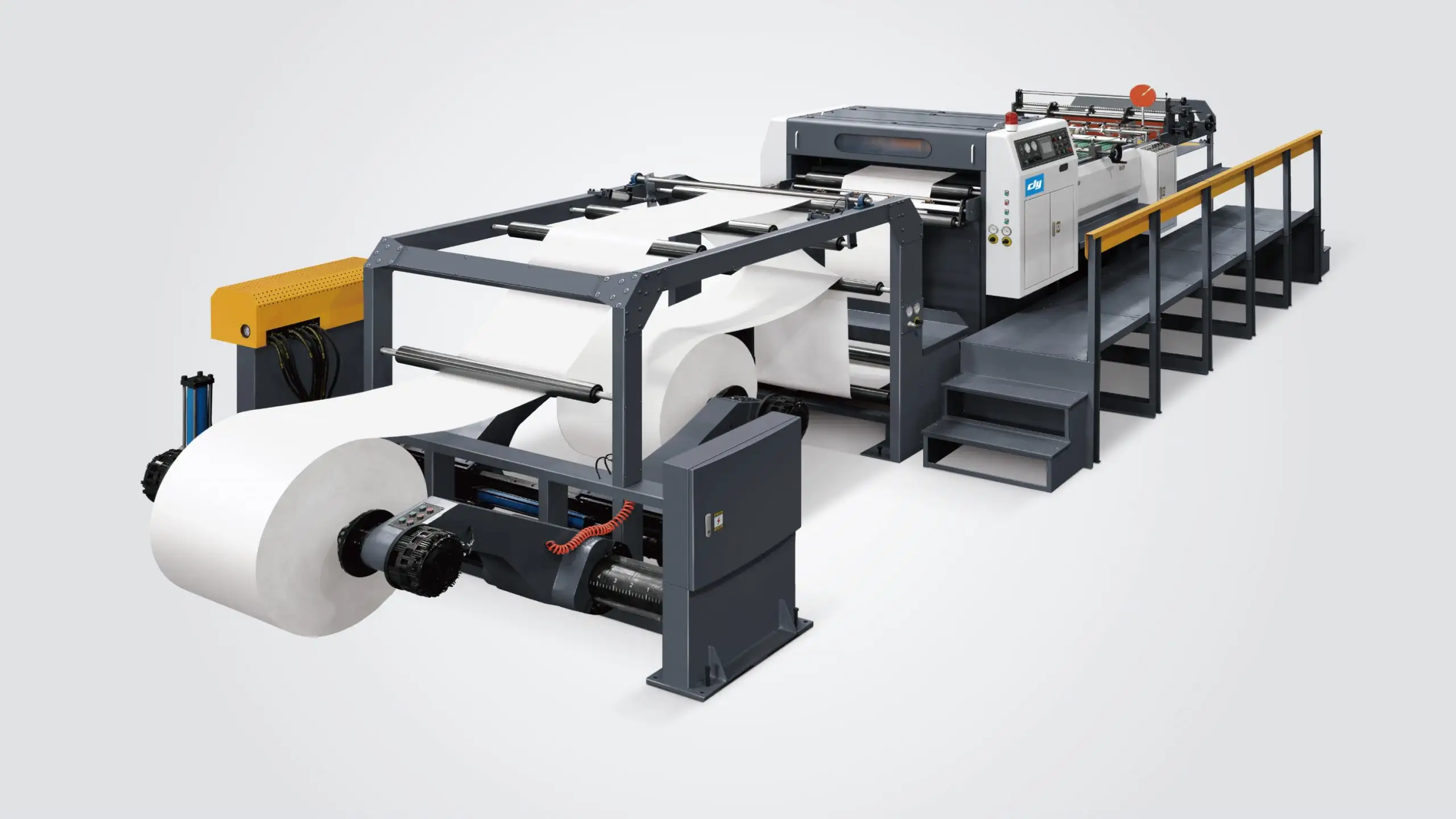
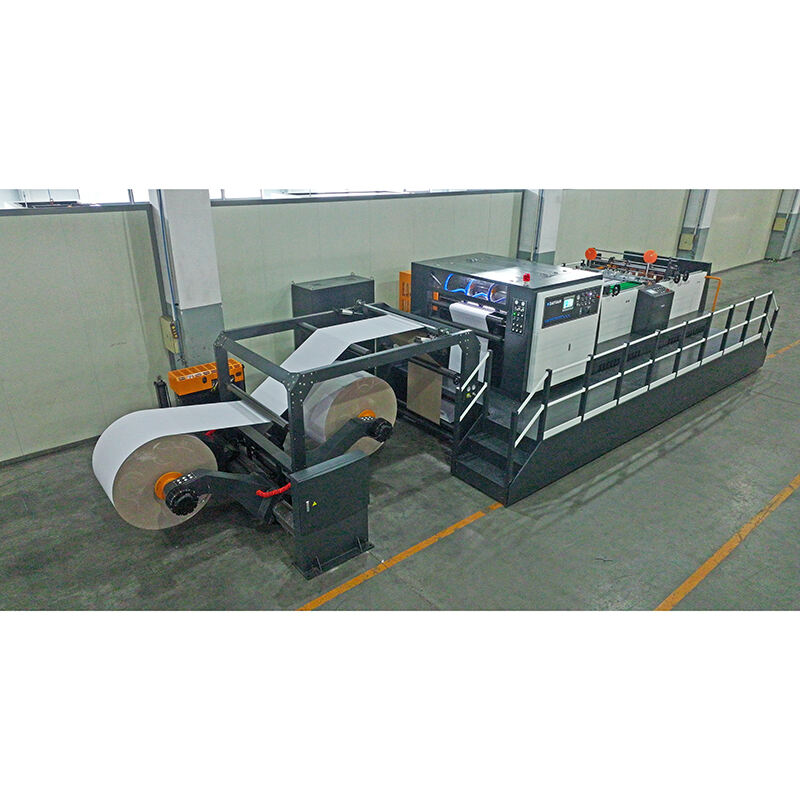
Operational flexibility stands as perhaps the most valuable characteristic of offline blanking machines, enabling manufacturers to adapt quickly to changing market demands and customer requirements without significant retooling or production disruptions. Unlike dedicated blanking lines configured for specific blank sizes, offline machines accommodate virtually unlimited dimensional variations through simple program changes entered via user-friendly control interfaces. This adaptability allows you to switch between producing small electrical enclosure blanks and large appliance panels within minutes rather than hours, maximizing equipment utilization and minimizing downtime between jobs. The quick-change capabilities extend to material handling as well, with adjustable uncoiler mandrels accommodating different coil widths and diameters, while configurable support systems adapt to various material thicknesses from thin gauge sheet to heavy plate. This material versatility means a single machine can process stainless steel for food processing equipment, aluminum for automotive components, and carbon steel for construction materials without requiring separate dedicated equipment for each material type. The programmable nature of modern offline blanking machines allows you to store unlimited blank specifications in memory, recalling exact parameters for repeat orders instantly without manual measurements or setup adjustments. This feature proves invaluable for manufacturers serving multiple customers with recurring orders, as it eliminates setup errors and ensures consistent results across multiple production runs separated by weeks or months. Production volume flexibility represents another dimension of operational adaptability, as offline machines economically produce anything from a single prototype blank to thousands of pieces for larger orders. This scalability eliminates the economic pressure to maintain minimum order quantities, allowing you to serve customers with diverse volume requirements and build business relationships that might otherwise be impossible. The independent operation of offline blanking machines provides scheduling flexibility that integrated production lines cannot match, allowing you to prioritize urgent orders, accommodate last-minute changes, and balance workload across shifts according to actual demand rather than predetermined production schedules. Integration capabilities with existing enterprise resource planning systems enable seamless information flow between order entry, production scheduling, and inventory management, ensuring blank production synchronizes perfectly with overall manufacturing operations. The modular design philosophy of contemporary machines allows you to add optional equipment such as automatic stackers, edge trimming units, or oiling systems as your needs evolve, protecting your initial investment while providing growth capacity.
 EN
EN