Unmatched Production Speed and Throughput Capacity
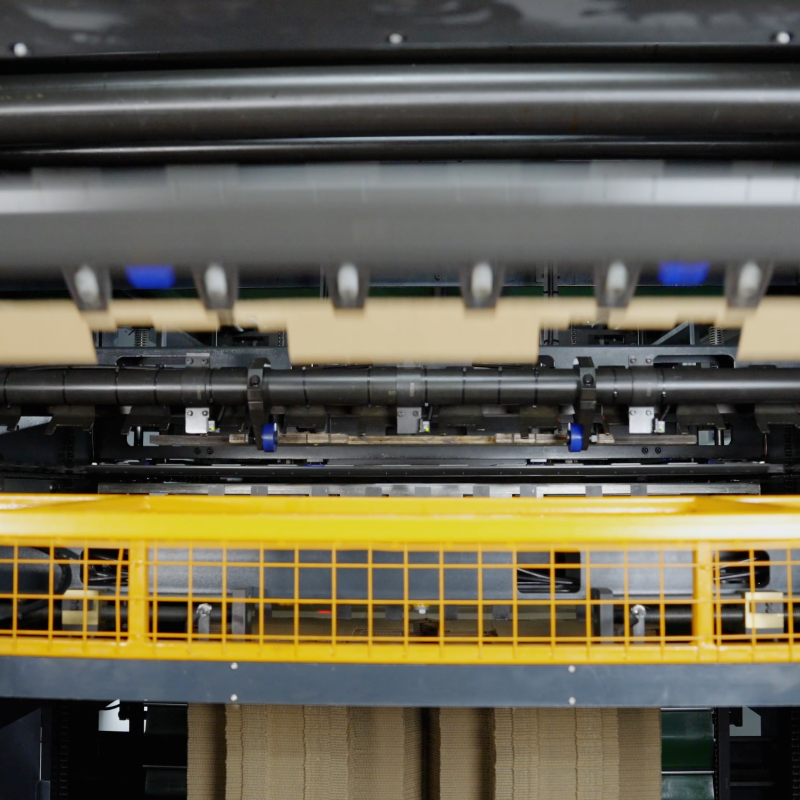
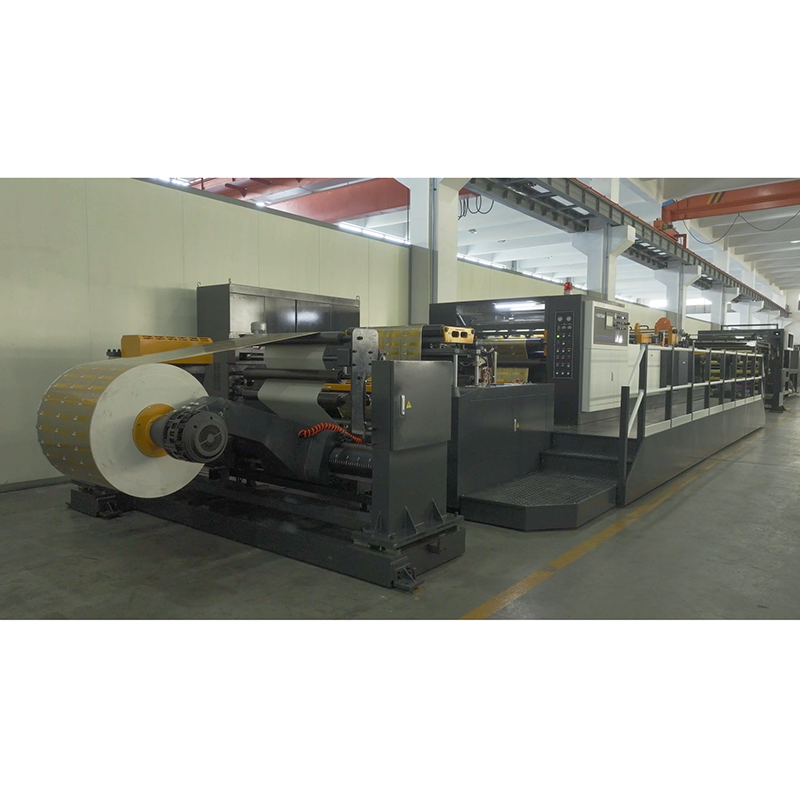
The blanking press machine revolutionizes manufacturing speed by delivering cycle times that dramatically outpace alternative cutting methods, fundamentally transforming production economics for metal fabricators. Where traditional cutting approaches might require 30 to 60 seconds per part when accounting for measurement, setup, and actual cutting time, a properly configured blanking press machine completes the entire process in 2 to 5 seconds, representing a twelve-fold to thirty-fold improvement in throughput. This velocity advantage compounds throughout production shifts, enabling facilities to produce 1,000 to 1,500 parts per hour compared to perhaps 100 parts hourly through manual methods. For businesses facing high-volume orders or rapid delivery requirements, this speed differential determines whether contracts prove profitable or impossible to fulfill. The economic implications extend beyond simple part count, as faster production cycles reduce the per-unit allocation of overhead costs including facility rent, utilities, and equipment depreciation, directly improving profit margins on every component manufactured. Modern blanking press machines achieve these remarkable speeds through sophisticated synchronization of material feeding, press actuation, and part ejection systems that operate in seamless coordination. Servo motors provide precise control over ram speed and position, optimizing the velocity profile throughout the cutting stroke to maximize speed while maintaining cut quality. Automatic material feeding systems eliminate manual handling delays, continuously advancing sheet stock into cutting position as soon as the previous cycle completes. Progressive die configurations enable multiple cutting operations within a single press stroke, creating complex blanks with holes, notches, and formed features without requiring multiple machine setups or transfers between workstations. The consistency of these high-speed operations ensures quality remains stable across extended production runs, avoiding the accuracy degradation that affects manual operators as fatigue sets in during repetitive tasks. This combination of speed and consistency proves particularly valuable for just-in-time manufacturing environments where production schedules compress lead times and inventory buffers shrink to minimal levels. Businesses discover that blanking press machine investments often pay for themselves within 18 to 36 months purely through labor savings and increased production capacity, after which the machines continue generating value for decades of operational life.
 EN
EN