Automatic Blanking Machine: Advanced Precision Cutting Solutions for Modern Manufacturing

+86-577-58918888
All Categories

automatic blanking machine

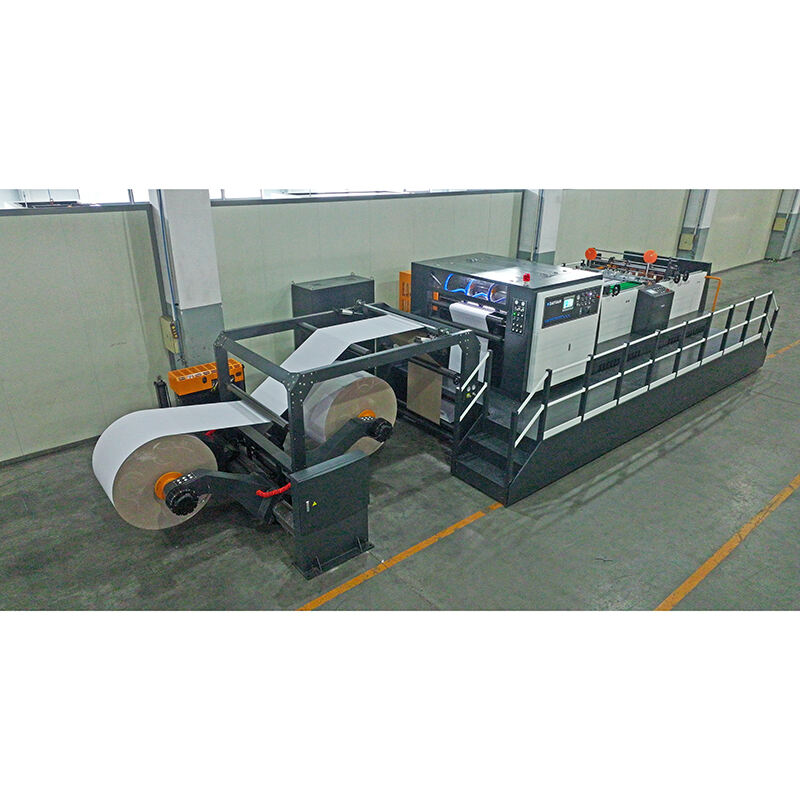
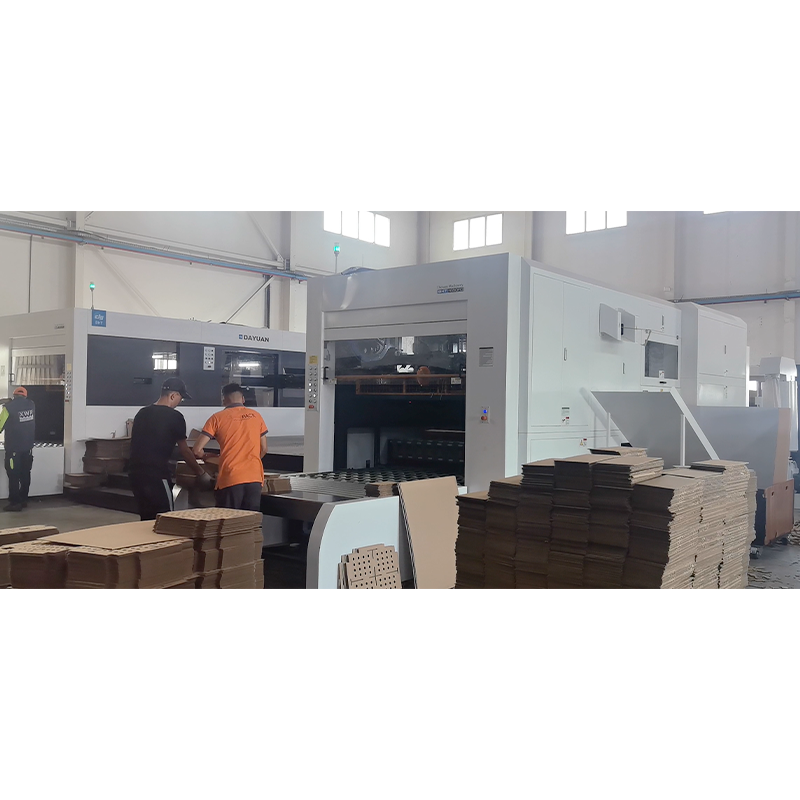
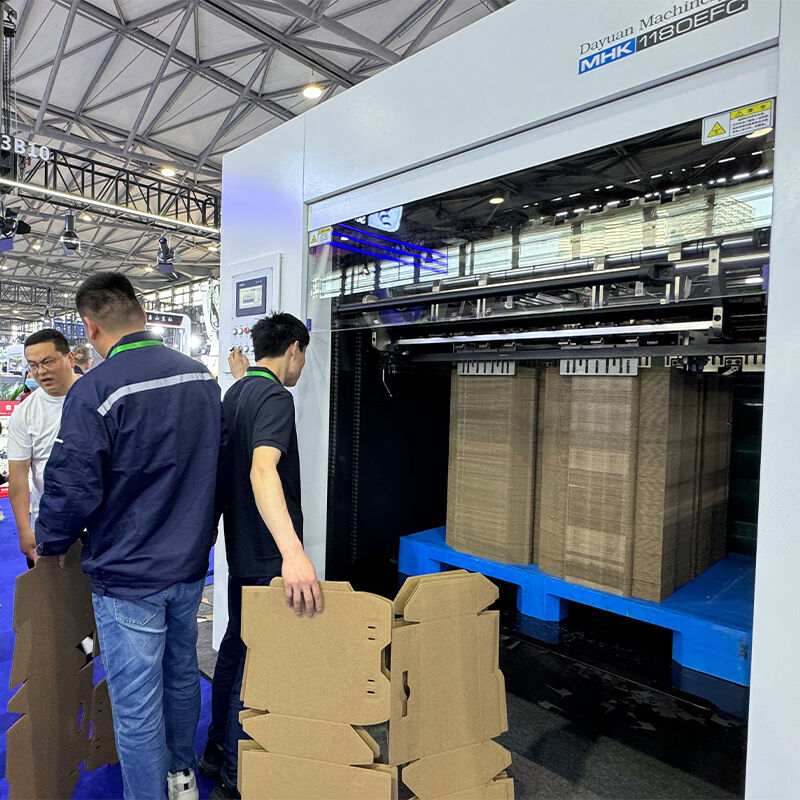
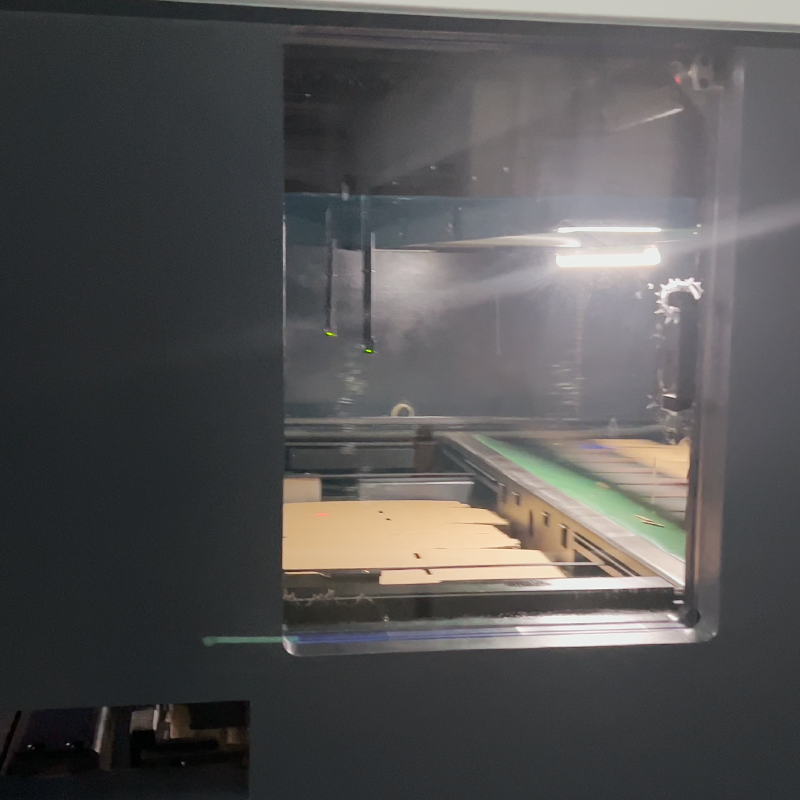
The automatic blanking machine represents a revolutionary advancement in manufacturing technology, designed to streamline the material cutting and preparation process across various industries. This sophisticated equipment combines precision engineering with intelligent automation to deliver consistent, high-quality blanks from sheet materials such as metal, plastic, fabric, leather, and composite materials. At its core, the automatic blanking machine utilizes advanced servo-driven systems and computerized controls to execute precise cutting patterns with minimal human intervention. The main functions of this equipment include automated material feeding, precise positioning, rapid cutting operations, blank separation, and systematic stacking or collection of finished pieces. The technological features incorporated into modern automatic blanking machines are impressive and forward-thinking. These machines typically employ CNC control systems that allow operators to program complex cutting patterns through user-friendly interfaces. High-speed hydraulic or mechanical pressing mechanisms ensure clean, accurate cuts at production rates that far exceed manual operations. Sensor technology integrated throughout the system monitors material position, thickness variations, and cutting quality in real-time, making automatic adjustments to maintain optimal performance. Many models feature quick-change tooling systems that enable rapid transitions between different blank shapes and sizes, maximizing production flexibility. The applications for automatic blanking machines span numerous manufacturing sectors. In the automotive industry, these machines produce body panels, gaskets, and interior components with exacting specifications. Electronics manufacturers rely on them for creating circuit board blanks and component housings. The textile and apparel industries use automatic blanking machines to cut fabric patterns for garments, upholstery, and accessories. Packaging companies employ this technology to produce box blanks, labels, and protective inserts. Metalworking facilities utilize these machines for creating precision blanks that serve as starting materials for stamping, forming, and assembly operations. The versatility and adaptability of the automatic blanking machine make it an indispensable asset for businesses seeking to enhance their production capabilities while maintaining strict quality standards.

New Product Releases

Investing in an automatic blanking machine delivers substantial benefits that directly impact your bottom line and operational efficiency. The most immediate advantage is the dramatic increase in production speed compared to manual cutting methods. These machines can process hundreds or even thousands of blanks per hour, depending on material type and complexity, allowing you to fulfill larger orders faster and take on more business without expanding your workforce. This speed advantage translates directly into reduced labor costs, as one operator can manage the machine while it performs work that would otherwise require multiple manual workers. The consistency and precision offered by automatic blanking machines eliminate the quality variations inherent in manual cutting processes. Every blank produced matches exact specifications, reducing waste from incorrectly sized or damaged pieces. This precision means your downstream manufacturing processes receive perfectly prepared materials, improving the quality of finished products and reducing rejection rates. Material waste reduction represents another significant financial benefit, as the computerized nesting software optimizes how blanks are arranged on raw material sheets, maximizing material utilization and minimizing scrap. Over time, these material savings can offset a substantial portion of the equipment investment. Safety improvements constitute a critical advantage that protects your most valuable asset, your employees. The automatic blanking machine removes workers from direct contact with cutting operations, substantially reducing the risk of injuries associated with manual cutting tools and repetitive motion tasks. The enclosed cutting area and integrated safety systems ensure operations proceed without exposing personnel to dangerous situations. Enhanced workplace safety leads to lower insurance costs, reduced workers compensation claims, and improved employee morale. Flexibility in production planning becomes significantly easier with automatic blanking machines. The ability to quickly switch between different blank configurations through simple program changes means you can respond rapidly to changing customer demands without lengthy retooling procedures. This agility allows you to accept smaller custom orders that might be unprofitable with manual methods, opening new market opportunities. The machines also operate reliably over extended periods, enabling lights-out manufacturing during off-hours to maximize equipment utilization. Modern automatic blanking machines collect valuable production data that helps you make informed business decisions. The systems track output rates, material consumption, maintenance needs, and quality metrics, providing insights into operational efficiency and opportunities for improvement. This data-driven approach to manufacturing enables continuous optimization of your processes. Additionally, the professional appearance and capabilities of automated equipment enhance your company image, demonstrating to customers and partners that you operate a modern, quality-focused facility. The reduced physical demands on operators also help with workforce recruitment and retention, as jobs become less strenuous and more technology-focused, appealing to younger workers and creating opportunities for employees who might struggle with physically demanding manual cutting work.

Latest News

How to Maintain the Blade and Calibration of Your Paper Cutter Machine for Safe Operation?

22

Jan

How to Maintain the Blade and Calibration of Your Paper Cutter Machine for Safe Operation?

Maintaining your paper cutter machine is essential for ensuring consistent performance, operator safety, and product longevity. Regular maintenance of both the cutting blade and calibration system prevents costly repairs while maximizing productivity...
View More
How Does a High-Precision Paper Cutter Machine Ensure Perfect Edge Quality for Fine Printing?

10

Feb

How Does a High-Precision Paper Cutter Machine Ensure Perfect Edge Quality for Fine Printing?

In the demanding world of fine printing and commercial printing operations, achieving consistently perfect edge quality remains one of the most critical challenges facing print professionals. The difference between an acceptable print job and an exce...
View More
Why Does Regular Blade Maintenance and Calibration Matter for Your Paper Cutter Machine's Performance?

10

Feb

Why Does Regular Blade Maintenance and Calibration Matter for Your Paper Cutter Machine's Performance?

Industrial printing operations depend heavily on precision cutting equipment to maintain quality standards and operational efficiency. A well-maintained paper cutter machine represents the cornerstone of any successful commercial printing facility, w...
View More
Why Is a Globally Experienced Supplier Important for Sourcing Reliable Paper Die Cutting Machines?

10

Feb

Why Is a Globally Experienced Supplier Important for Sourcing Reliable Paper Die Cutting Machines?

The manufacturing industry increasingly relies on precision equipment to maintain competitive advantages in global markets. When sourcing paper die cutting machines, businesses face critical decisions that can impact their operational efficiency, pro...
View More

Get a Free Quote

Our representative will contact you soon.
Email
Name
Company Name
Required Product
Message
0/1000

automatic blanking machine

Unmatched Precision and Repeatability for Superior Product Quality

Unmatched Precision and Repeatability for Superior Product Quality

The precision engineering at the heart of every automatic blanking machine ensures that each blank produced meets exact dimensional specifications with remarkable consistency. This level of accuracy stems from several integrated technological systems working in harmony. The CNC control system stores cutting programs with tolerances measured in hundredths of millimeters, ensuring that the cutting mechanism follows the exact same path for every piece. Servo motors provide precise control over material feeding, advancing the raw material exactly the correct distance between cuts without cumulative error. High-resolution encoders constantly monitor position and provide feedback to the control system, making micro-adjustments thousands of times per second to maintain perfect alignment. The cutting mechanisms themselves, whether hydraulic press, mechanical die, or alternative technologies, deliver consistent force application across the entire cutting surface, preventing the partial cuts or ragged edges that can occur with manual operations. This precision matters enormously in manufacturing environments where components must fit together perfectly. Consider automotive applications where gaskets must seal precisely, or electronic enclosures where misaligned blanks would create assembly problems and potential product failures. The automatic blanking machine eliminates these concerns by delivering identical parts throughout production runs lasting hours or days. Quality control becomes simpler and more reliable because you can verify the first few pieces and have confidence that subsequent blanks will match the same specifications. This repeatability also simplifies inventory management and just-in-time manufacturing strategies, as you can produce exactly the quantities needed when required, knowing that parts produced months apart will be interchangeable. The reduction in quality-related issues extends throughout your manufacturing process, decreasing rework, reducing customer complaints, and strengthening your reputation for reliability. Furthermore, the consistent quality enables tighter process control in subsequent manufacturing steps, as operators and equipment can be optimized for materials that always arrive with predictable dimensions and characteristics. The precision of automatic blanking machines also facilitates innovative product designs that require tight tolerances, giving your engineering team greater freedom to create sophisticated products without worrying about whether manufacturing capabilities can meet the specifications. This precision advantage ultimately differentiates your products in competitive markets where quality separates industry leaders from followers.
Dramatic Cost Reduction Through Operational Efficiency and Material Optimization

Dramatic Cost Reduction Through Operational Efficiency and Material Optimization

The financial benefits of implementing an automatic blanking machine extend far beyond simple labor savings, creating value through multiple operational improvements that compound over time. Labor efficiency gains represent the most visible advantage, as a single operator can oversee automated production that would otherwise require several workers performing manual cutting. This staffing reduction lowers direct labor costs while freeing skilled workers for higher-value tasks that require human judgment and expertise. The machine operates at consistent speeds without fatigue, maintaining productivity throughout entire shifts and enabling extended production runs during off-hours with minimal supervision. Material optimization represents another substantial cost reduction mechanism that significantly impacts profitability, especially when working with expensive raw materials. The advanced nesting software integrated with automatic blanking machines analyzes blank shapes and intelligently arranges them on material sheets to minimize waste. This optimization considers material grain direction, minimizes scrap between pieces, and ensures maximum utilization of every sheet. In many applications, optimization improvements of five to fifteen percent are achievable compared to manual layout methods, translating directly into material cost savings. For manufacturers processing significant volumes of metals, composites, or technical textiles, these savings quickly accumulate to substantial annual amounts. Maintenance costs remain predictable and manageable with automatic blanking machines, as these systems are engineered for industrial durability and longevity. Preventive maintenance schedules are straightforward, and the machines alert operators to service needs before problems cause unexpected downtime. This reliability contrasts sharply with manual cutting equipment that requires frequent blade changes, adjustment, and repair. Energy efficiency also contributes to operational cost reduction, as modern automatic blanking machines incorporate power management systems that minimize consumption during idle periods and optimize energy use during cutting operations. The reduction in defective parts provides another financial benefit by eliminating the costs associated with scrapping failed pieces, reworking assemblies, and managing customer returns. When you consider these combined advantages over the typical equipment lifespan of ten to twenty years, the total cost of ownership becomes highly favorable. Many manufacturers find that automatic blanking machines pay for themselves within two to four years through direct savings, after which the equipment continues generating positive financial returns while supporting business growth through increased capacity and capability.

Transformative Flexibility Enabling Rapid Response to Market Demands

Transformative Flexibility Enabling Rapid Response to Market Demands

Modern manufacturing success requires the ability to adapt quickly to changing customer requirements, market trends, and production priorities. The automatic blanking machine delivers this essential flexibility through versatile design and intelligent control systems that accommodate diverse production scenarios. Program storage capabilities allow operators to maintain libraries of cutting patterns for different products, switching between configurations in minutes rather than the hours required for manual retooling. This rapid changeover capability means you can economically produce smaller batch sizes, accept custom orders, and respond to urgent requests without disrupting your production schedule. The ability to handle various material types and thicknesses within a single machine provides additional flexibility that simplifies equipment decisions and facility planning. Many automatic blanking machines accommodate material thickness ranges spanning several millimeters, automatically adjusting cutting parameters based on sensor feedback about the material being processed. This adaptability means you can pursue opportunities in different market segments without investing in specialized equipment for each application. The machines also accommodate different material widths and can process both roll-fed and sheet-fed materials depending on configuration, further expanding their utility across various production requirements. Integration capabilities with upstream and downstream processes create flexible manufacturing cells that respond dynamically to production demands. The automatic blanking machine can receive cutting programs directly from design systems, eliminating programming time and reducing the potential for errors in pattern transfer. Connection to inventory management systems enables automated production scheduling based on stock levels and customer orders, creating responsive manufacturing environments that minimize inventory carrying costs while ensuring product availability. Output handling options provide flexibility in how finished blanks are collected, sorted, and prepared for subsequent operations, whether that involves automatic stacking, sorting by size or type, or direct feeding to assembly processes. This flexibility also extends to future business growth and changing requirements. As your product line evolves or you enter new markets, the automatic blanking machine adapts through software updates and tooling changes rather than requiring complete equipment replacement. This investment protection ensures the technology remains relevant and valuable throughout its service life. The flexibility inherent in automatic blanking machines also supports lean manufacturing principles by enabling pull-based production strategies, reducing work-in-process inventory, and shortening lead times from order to delivery. Companies implementing these systems often discover new business opportunities that were previously impractical, such as offering customization options to customers or producing prototype quantities economically during product development phases.

Get a Free Quote

Our representative will contact you soon.
Email
Name
Company Name
Required Product
Message
0/1000