Blanking Machine Factory - Precision Metal Cutting Equipment Manufacturing Solutions

+86-577-58918888
All Categories

blanking machine factory

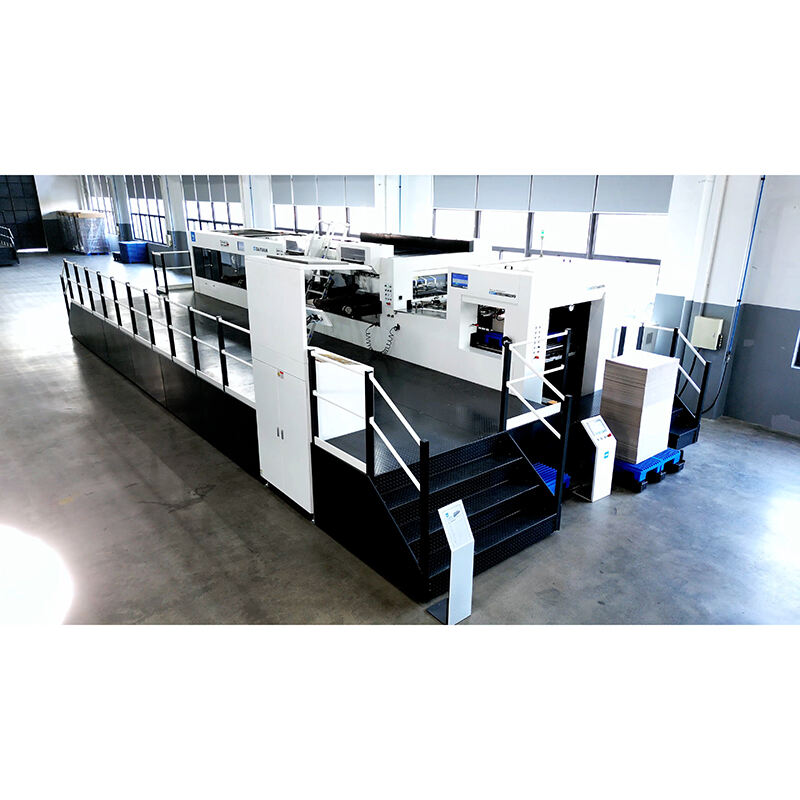
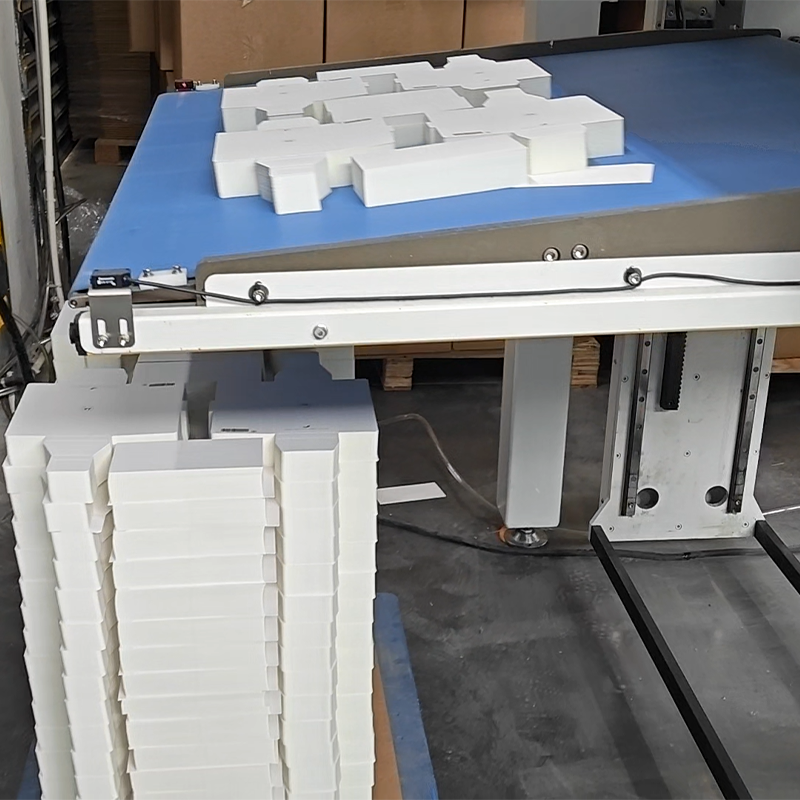
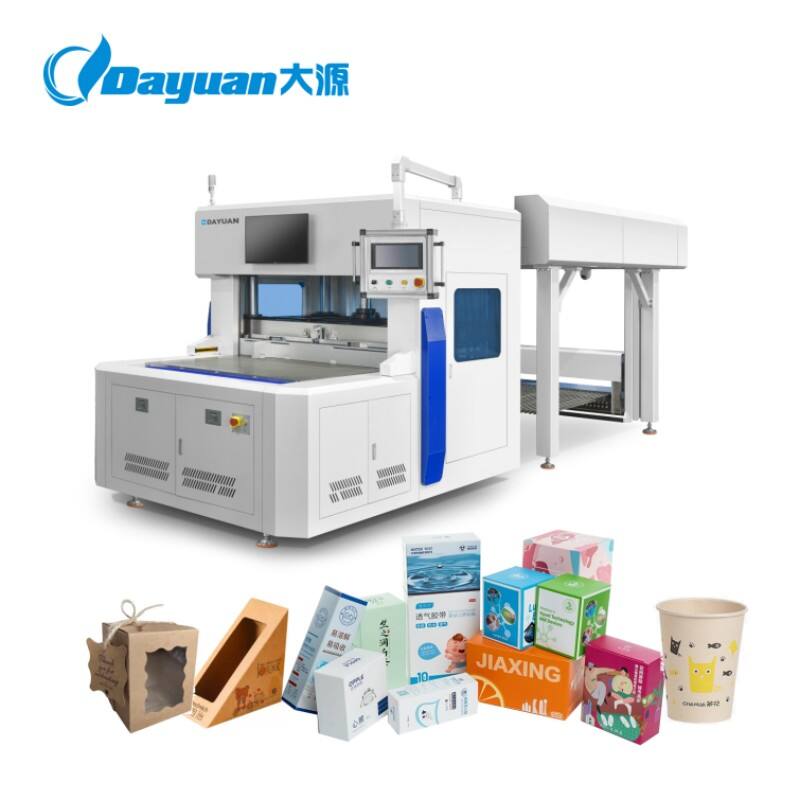
A blanking machine factory serves as a specialized manufacturing facility dedicated to producing advanced sheet metal processing equipment that transforms raw metal materials into precise components through cutting and stamping operations. These factories manufacture machines that perform blanking operations, which involve cutting flat shapes from sheet metal stock using dies and punches in a single stroke. The primary function of equipment produced by a blanking machine factory centers on delivering high-speed, accurate cutting solutions for industries requiring large volumes of uniform metal parts. Modern blanking machine factories integrate sophisticated engineering capabilities, combining mechanical design expertise with electronic control systems to create equipment that meets diverse industrial requirements. The technological features embedded in machines from a blanking machine factory include programmable logic controllers for automated operation sequences, precision hydraulic or mechanical press systems generating controlled tonnage, quick-change die systems reducing setup times, and safety mechanisms protecting operators during production cycles. These facilities produce various machine types ranging from small benchtop units processing thin materials to massive industrial presses handling thick steel plates. Applications for equipment manufactured by a blanking machine factory span multiple sectors including automotive component production where body panels and brackets are created, appliance manufacturing requiring housing parts and structural elements, electronics industries needing enclosures and heat sinks, construction sectors producing building hardware and fixtures, and aerospace applications demanding lightweight precision components. The production processes within a blanking machine factory involve metal fabrication for machine frames, precision machining of critical components, assembly of hydraulic or pneumatic systems, integration of electrical controls, and rigorous testing protocols ensuring each machine meets performance specifications before delivery to customers worldwide.

Popular Products

Equipment produced by a blanking machine factory offers substantial cost savings through efficient material utilization that minimizes waste during cutting operations, allowing businesses to maximize the value extracted from expensive metal sheets. These machines dramatically increase production speed compared to manual cutting methods, with modern units capable of completing hundreds of blanking cycles per hour, enabling manufacturers to fulfill large orders within tight deadlines while maintaining consistent quality standards. The precision engineered into machines from a blanking machine factory ensures repeatability across thousands of parts, eliminating variations that compromise assembly processes or product performance, which proves especially valuable for industries where dimensional accuracy directly impacts safety and functionality. Investment in equipment from a blanking machine factory reduces labor costs significantly by automating tasks that previously required skilled operators performing repetitive manual work, freeing human resources for higher-value activities while decreasing workplace injuries associated with traditional cutting methods. The versatility built into modern blanking machines allows quick transitions between different part designs through die changes, providing manufacturers with production flexibility to respond rapidly to changing customer demands without investing in multiple specialized machines. Energy efficiency represents another practical advantage, as contemporary designs from a blanking machine factory incorporate power-saving features that reduce operational expenses while supporting corporate sustainability initiatives increasingly important to business stakeholders. Maintenance requirements remain manageable due to robust construction and accessible component layouts that simplify routine service tasks, minimizing downtime that disrupts production schedules and revenue generation. The longevity of machines manufactured by a reputable blanking machine factory extends investment value across decades of reliable service, with properly maintained equipment often outlasting multiple generations of products they help create. Technical support provided by established blanking machine factory operations includes installation assistance, operator training programs, troubleshooting guidance, and spare parts availability that collectively ensure customers achieve maximum productivity from their equipment purchases. Quality control systems integrated into machines enable real-time monitoring of production parameters, allowing operators to detect and correct issues before significant quantities of defective parts are produced, protecting profit margins and customer relationships from the damage caused by quality failures.

Practical Tips

Why Is a Paper Cutter Machine a Vital Tool for Achieving Clean Edges in Print and Publishing Work?

20

Jan

Why Is a Paper Cutter Machine a Vital Tool for Achieving Clean Edges in Print and Publishing Work?

In the high-stakes world of professional print and publishing, the difference between good and exceptional often lies in the details unseen by the untrained eye. Among these, the precision of a clean, sharp edge is paramount. It is the final signatur...
View More
Why Is a Globally Experienced Supplier Important for Sourcing Reliable Paper Die Cutting Machines?

10

Feb

Why Is a Globally Experienced Supplier Important for Sourcing Reliable Paper Die Cutting Machines?

The manufacturing industry increasingly relies on precision equipment to maintain competitive advantages in global markets. When sourcing paper die cutting machines, businesses face critical decisions that can impact their operational efficiency, pro...
View More
Why Is Blade Quality Critical for Consistent Performance in Paper Cutter Machines?

18

Mar

Why Is Blade Quality Critical for Consistent Performance in Paper Cutter Machines?

The precision and efficiency of paper cutter machines directly depend on the quality of their cutting blades, making blade selection one of the most critical factors in achieving consistent performance across industrial applications. Professional pri...
View More
What Patented Technologies Should You Look for in a High-Performance Paper Die Cutting Machine?

02

Apr

What Patented Technologies Should You Look for in a High-Performance Paper Die Cutting Machine?

When investing in a high-performance paper die cutting machine for industrial production, understanding the patented technologies that differentiate premium equipment from standard alternatives becomes crucial for making informed purchasing decisions...
View More

Get a Free Quote

Our representative will contact you soon.
Email
Name
Company Name
Required Product
Message
0/1000

blanking machine factory

Advanced Precision Engineering for Consistent Quality Output

Advanced Precision Engineering for Consistent Quality Output

The manufacturing standards maintained by a blanking machine factory directly determine the accuracy and reliability that end users experience during production operations. Engineering teams at these facilities employ sophisticated design software to model machine behavior under various operating conditions, optimizing structural elements to withstand repetitive stress while maintaining dimensional stability essential for precision cutting. Frame construction utilizes high-grade steel with stress-relief treatments that prevent warping or deflection during high-tonnage operations, ensuring that the alignment between upper and lower dies remains constant across millions of cycles. Precision ground guide systems within machines produced by a blanking machine factory control ram movement with micron-level accuracy, eliminating lateral play that would otherwise cause inconsistent cut edges or premature die wear. The integration of servo-driven positioning systems in modern equipment enables exact control over ram speed throughout the cutting stroke, allowing operators to optimize processing parameters for different material types and thicknesses. Quality assurance protocols implemented during manufacturing include laser measurement of critical dimensions, load testing to verify tonnage ratings, and cycle testing that simulates extended production runs before machines leave the blanking machine factory floor. These rigorous validation procedures guarantee that customers receive equipment capable of maintaining tight tolerances even under demanding production schedules. The practical benefit of this engineering excellence manifests in reduced scrap rates, as parts consistently meet specifications without requiring secondary operations to correct dimensional errors. Manufacturers investing in precision equipment from a blanking machine factory gain competitive advantages through their ability to quote tighter tolerances than competitors using less sophisticated equipment, opening opportunities in premium market segments where quality commands higher prices. Additionally, the consistent performance reduces quality control burden, as inspection frequency can decrease when confidence in process capability increases, freeing resources for other value-adding activities while maintaining customer satisfaction through reliable delivery of conforming products.
Comprehensive Safety Systems Protecting Operators and Equipment

Comprehensive Safety Systems Protecting Operators and Equipment

Safety considerations represent paramount priorities for any responsible blanking machine factory, driving continuous innovation in protective technologies that safeguard human operators while preventing equipment damage from operational errors. Modern machines incorporate multiple redundant safety mechanisms working in concert to create secure operating environments, beginning with two-hand control systems requiring simultaneous activation that keeps operator hands away from the danger zone during press strokes. Light curtain technology installed around work areas creates invisible safety barriers that immediately halt machine operation if interrupted by any object, preventing injuries from unexpected reaches into hazardous zones during production cycles. The engineering teams at a blanking machine factory design emergency stop systems with multiple access points around equipment perimeters, ensuring operators can quickly terminate operations from any position if hazardous conditions develop. Mechanical guards and barriers physically prevent access to moving components including flywheels, drive systems, and linkages that could cause crush injuries, while transparent sections allow visibility for monitoring operations without compromising protection. Overload protection circuits monitor tonnage during each cycle, automatically stopping operations if resistance exceeds predetermined thresholds that might indicate die misalignment, material thickness variations, or foreign object presence that could damage expensive tooling. The electrical systems produced by a blanking machine factory incorporate lockout-tagout capabilities enabling complete energy isolation during maintenance activities, protecting service technicians from unexpected machine activation. Operator training programs provided by established factories emphasize safety protocols alongside productivity techniques, creating workplace cultures where protection receives equal priority with output targets. The practical advantages of comprehensive safety integration extend beyond injury prevention to include reduced insurance premiums, improved employee morale and retention, compliance with regulatory requirements avoiding penalties, and protection of brand reputation from incidents that generate negative publicity. Companies investing in well-engineered equipment from a safety-focused blanking machine factory demonstrate commitment to workforce welfare that attracts quality employees while building positive relationships with regulatory agencies and community stakeholders who increasingly scrutinize industrial operations.
Flexible Production Capabilities Adapting to Market Demands

Flexible Production Capabilities Adapting to Market Demands

Manufacturing environments face constant pressure to respond quickly to changing customer requirements, shifting market trends, and evolving product designs, making production flexibility a critical capability that equipment from a blanking machine factory must deliver. Quick-change die systems represent fundamental flexibility features, utilizing standardized mounting interfaces and powered clamping mechanisms that reduce changeover times from hours to minutes, enabling economical production of smaller batch sizes that align with just-in-time manufacturing philosophies. The control systems integrated into modern blanking machines allow operators to store unlimited part programs, each containing specific parameters for stroke length, cycle speed, feeding distances, and quality monitoring thresholds, facilitating instant recall when production schedules rotate between different components. Adjustable bed heights and throat depths in machines produced by an innovative blanking machine factory accommodate varying die sizes without requiring separate presses for each size range, maximizing capital equipment utilization across diverse production requirements. Material handling integration capabilities enable seamless connection with automated feeding systems, robotic part removal, and conveyor networks that transform individual machines into components of comprehensive production cells addressing complete manufacturing workflows. The tonnage range flexibility built into advanced designs allows processing of materials from thin foils to thick structural plates using a single machine platform, eliminating the need for multiple specialized units and the floor space they consume. Progressive die compatibility extends capability beyond simple blanking to include forming, piercing, and embossing operations within single press strokes, adding value to parts while reducing handling and secondary operation costs. Computer connectivity features standard in equipment from forward-thinking blanking machine factory operations enable integration with enterprise resource planning systems, providing production data for scheduling optimization, maintenance planning, and quality traceability throughout supply chains. The business advantages of this operational flexibility include reduced inventory carrying costs through smaller batch production aligned with actual demand, shortened lead times improving customer responsiveness, and ability to accept diverse work that stabilizes revenue across market fluctuations affecting specific industries or products.

Get a Free Quote

Our representative will contact you soon.
Email
Name
Company Name
Required Product
Message
0/1000