Blanking Machine Price Guide: Cost, Features, Benefits & Best Value for Your Manufacturing Needs

+86-577-58918888
All Categories

blanking machine price

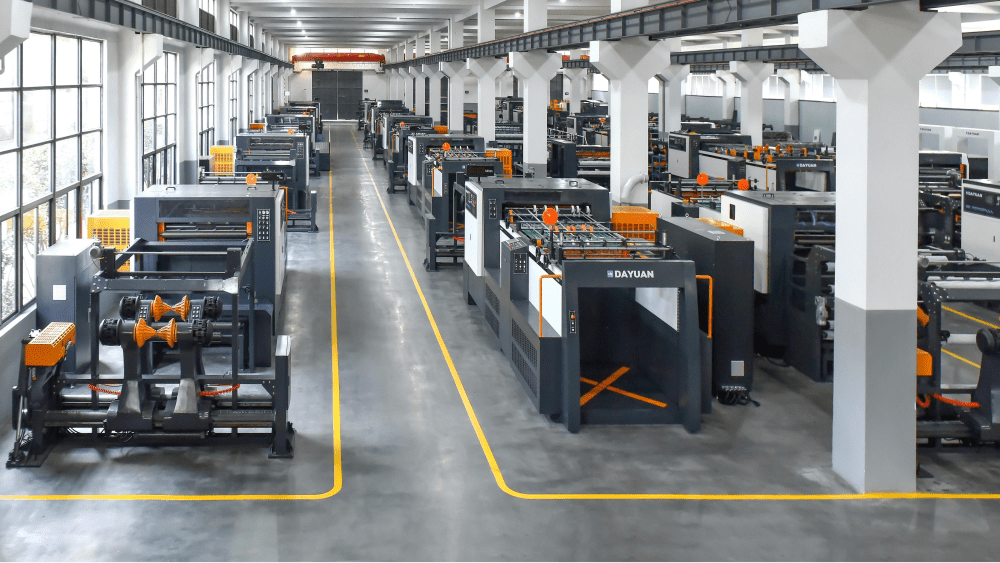
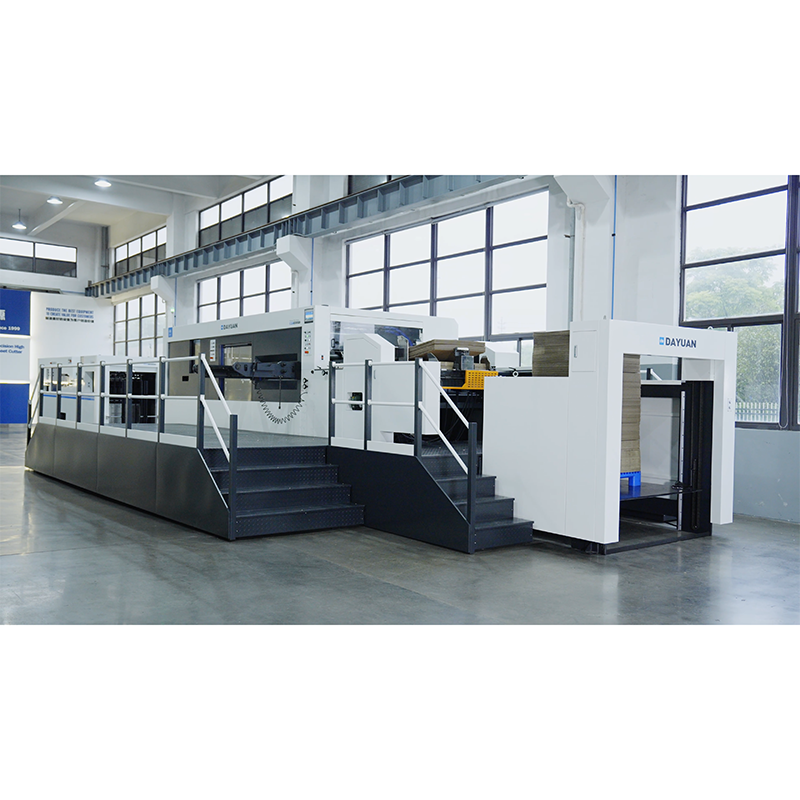
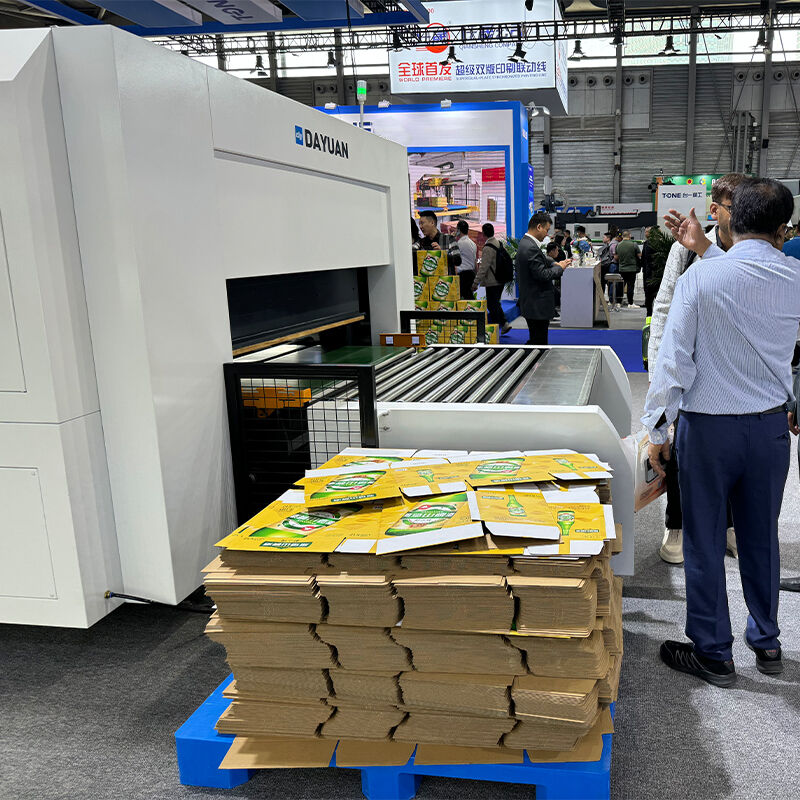
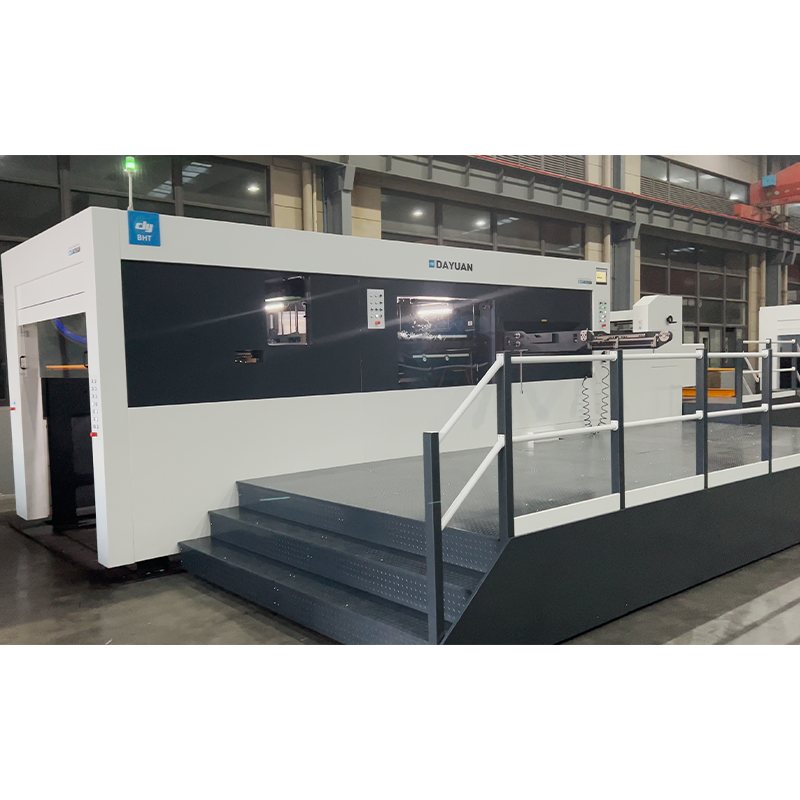
Understanding blanking machine price requires a comprehensive look at what these essential manufacturing tools offer to modern production facilities. A blanking machine is a precision metalworking device designed to cut flat metal sheets into specific shapes and sizes through a stamping or punching process. When evaluating blanking machine price, buyers must consider multiple factors that influence the overall investment, including machine capacity, automation level, production speed, and technological sophistication. The blanking machine price typically ranges from several thousand dollars for basic manual models to hundreds of thousands for fully automated systems with advanced features. These machines serve as the backbone of metal fabrication operations, transforming raw sheet metal into precisely cut blanks that become components for automotive parts, appliances, electronics, construction materials, and countless other products. The main functions of a blanking machine include accurate material positioning, high-speed punching operations, waste removal, and quality control monitoring. Technological features that affect blanking machine price encompass servo-driven systems for enhanced precision, programmable logic controllers for automated operation sequences, quick-change tooling systems for reduced setup times, and integrated safety mechanisms. Advanced models incorporate touchscreen interfaces, real-time production monitoring, and connectivity options for Industry 4.0 integration. Applications span diverse industries, from automotive manufacturing where blanking machines produce body panels and brackets, to electronics manufacturing for chassis components and heat sinks. The blanking machine price reflects the machine's capability to deliver consistent accuracy, typically within tolerances of 0.01mm to 0.1mm, depending on the model. Material handling capabilities also influence blanking machine price, with machines capable of processing aluminum, steel, stainless steel, copper, and various alloys. Tonnage capacity, which determines the thickness and strength of materials the machine can process, directly impacts the blanking machine price, ranging from 10 tons for light-duty operations to 500 tons or more for heavy industrial applications. Understanding these factors helps buyers make informed decisions when comparing blanking machine price options across different manufacturers and models.

New Product Recommendations

Investing in a blanking machine brings substantial practical benefits that justify the blanking machine price for businesses seeking to improve their metalworking capabilities. First and foremost, these machines dramatically increase production efficiency compared to manual cutting methods. A modern blanking machine can process hundreds or even thousands of pieces per hour, depending on the complexity and size of the blanks, which means companies can fulfill larger orders faster and take on more projects simultaneously. This speed advantage directly translates to increased revenue potential that quickly offsets the initial blanking machine price. Another significant advantage is the exceptional consistency and precision these machines deliver. Every blank produced maintains identical dimensions and quality, eliminating the variations that occur with manual processes. This consistency reduces material waste substantially, as there are fewer rejected parts due to dimensional errors. Over time, the material savings alone can represent a considerable return on the blanking machine price investment. Labor cost reduction represents another compelling advantage. While the blanking machine price requires upfront capital, the machine requires fewer operators than manual cutting operations, and these operators can manage multiple machines or perform other value-added tasks. This labor efficiency improves the overall cost structure of manufacturing operations. Safety improvements also justify the blanking machine price, as modern machines incorporate guards, sensors, and emergency stop systems that protect workers from the hazards associated with metal cutting. Fewer workplace injuries mean lower insurance costs and better employee morale. The versatility of blanking machines adds tremendous value relative to the blanking machine price. A single machine can often handle multiple product designs through simple tool changes, eliminating the need for separate equipment for different parts. This flexibility allows manufacturers to respond quickly to changing customer demands and market opportunities. Energy efficiency in modern blanking machines contributes to lower operating costs. Advanced models optimize power consumption during operation, which reduces utility expenses over the machine's lifespan. When calculating the total cost of ownership beyond the initial blanking machine price, these energy savings become increasingly significant. Maintenance requirements for quality blanking machines remain manageable, with predictable service intervals and readily available replacement parts. This reliability minimizes unexpected downtime that could disrupt production schedules. The blanking machine price includes robust construction that ensures years of dependable service, making it a sound long-term investment. Furthermore, the clean, burr-free edges produced by precision blanking machines often eliminate secondary finishing operations, streamlining the production workflow and reducing handling time. This operational streamlining accelerates order completion and improves customer satisfaction. Finally, investing in a blanking machine positions companies as serious manufacturers capable of meeting demanding quality standards, which opens doors to more lucrative contracts and partnerships that might otherwise be inaccessible.

Practical Tips

What Should You Look for When Selecting a Paper Cutter Machine for Various Paper Types and Thicknesses?

17

Jan

What Should You Look for When Selecting a Paper Cutter Machine for Various Paper Types and Thicknesses?

Selecting the right paper cutter machine for your business operations requires careful consideration of multiple factors that directly impact productivity, quality, and cost-effectiveness. Whether you're operating a commercial printing facility, pack...
View More
What Maintenance Routines Extend the Lifespan of Your Industrial Paper Cutter Machine?

18

Mar

What Maintenance Routines Extend the Lifespan of Your Industrial Paper Cutter Machine?

Proper maintenance of an industrial paper cutter machine is crucial for maximizing operational efficiency and extending equipment lifespan in commercial printing environments. These sophisticated cutting systems require systematic care to maintain pr...
View More
How Does a 98,000㎡ Manufacturing Facility Ensure the Reliability of Paper Cutter Machines?

18

Mar

How Does a 98,000㎡ Manufacturing Facility Ensure the Reliability of Paper Cutter Machines?

Manufacturing excellence in the paper processing industry requires precise equipment and rigorous quality control measures. Large-scale production facilities spanning 98,000 square meters face unique challenges when ensuring the reliability of paper ...
View More
What Regular Maintenance Keeps Your Paper Die Cutting Machine’s Creasing and Cutting Tools in Top Shape?

02

Apr

What Regular Maintenance Keeps Your Paper Die Cutting Machine’s Creasing and Cutting Tools in Top Shape?

Maintaining optimal performance in your paper die cutting machine requires systematic attention to the creasing and cutting tools that form the heart of your production operation. These precision components endure tremendous stress during high-volume...
View More

Get a Free Quote

Our representative will contact you soon.
Email
Name
Company Name
Required Product
Message
0/1000

blanking machine price

Cost-Effectiveness Through High-Volume Production Capabilities

Cost-Effectiveness Through High-Volume Production Capabilities

When evaluating blanking machine price from a value perspective, the high-volume production capabilities stand out as a defining feature that transforms manufacturing economics. Modern blanking machines are engineered to operate continuously for extended periods, processing sheet metal at speeds that manual methods simply cannot match. This production velocity fundamentally changes the cost calculation for each finished blank. While the blanking machine price represents a significant initial expenditure, the per-piece cost drops dramatically as production volume increases, creating economies of scale that benefit businesses handling large orders or maintaining steady production runs. Advanced blanking machines equipped with automatic feeding systems can operate with minimal human intervention, running through entire shifts while maintaining consistent quality. This automation capability means that the investment in blanking machine price extends beyond the equipment itself to encompass a complete production system that maximizes output while minimizing labor dependency. The machine's ability to process various material thicknesses and types without requiring extensive reconfiguration adds another dimension to its cost-effectiveness. Manufacturers can switch between different projects throughout the day, optimizing machine utilization rates and ensuring the blanking machine price investment generates returns across multiple product lines. The precision engineering inherent in quality blanking machines also contributes to cost-effectiveness by minimizing material waste. Each blank is cut with exacting accuracy, ensuring maximum utilization of the sheet metal and reducing scrap rates that erode profit margins. Over months and years of operation, these material savings accumulate substantially, effectively reducing the real cost of the blanking machine price through operational efficiency. Additionally, the durability and longevity of well-constructed blanking machines mean the initial investment continues delivering value for decades. Unlike cheaper alternatives that require frequent replacement or major repairs, a quality blanking machine justifies its price through reliable performance that extends across many years of production cycles. This long-term reliability transforms the blanking machine price from a cost into an investment that generates ongoing returns through consistent performance, reduced maintenance expenses, and the ability to meet customer demands reliably without production interruptions that damage business relationships and revenue streams.
Precision Engineering That Elevates Product Quality Standards

Precision Engineering That Elevates Product Quality Standards

The precision capabilities embedded within modern blanking machines represent a critical factor that justifies the blanking machine price for quality-focused manufacturers. These machines employ sophisticated positioning systems, often utilizing servo motors and advanced control algorithms, to achieve cutting accuracy measured in hundredths of millimeters. This level of precision ensures that every blank meets exact specifications, which is essential for components that must fit together perfectly in assembly operations or function correctly in demanding applications. When comparing blanking machine price options, the precision specifications should be carefully evaluated, as higher accuracy capabilities often correlate with superior overall machine quality. The repeatability of precision blanking machines is equally impressive, with the ability to produce thousands of identical blanks without dimensional drift or quality degradation. This consistency eliminates the quality variability that plagues manual cutting operations, where operator fatigue, tool wear, and human error introduce inconsistencies that lead to rejected parts and customer complaints. The blanking machine price includes sophisticated tooling systems that maintain their cutting edge geometry throughout extended production runs, ensuring the first blank and the ten-thousandth blank meet identical quality standards. Advanced blanking machines also incorporate real-time monitoring systems that verify dimensional accuracy during production, automatically adjusting parameters or alerting operators when measurements drift outside acceptable tolerances. This quality assurance capability, included in the blanking machine price, provides manufacturers with confidence that their output consistently meets specifications without requiring extensive manual inspection. The precision of these machines extends beyond simple dimensional accuracy to include edge quality, with modern blanking machines producing clean, burr-free cuts that often eliminate the need for secondary deburring operations. This edge quality not only improves the aesthetic appearance of finished products but also enhances functionality by preventing sharp edges that could cause assembly difficulties or safety concerns. For manufacturers serving industries with stringent quality requirements, such as aerospace, medical devices, or automotive safety components, the precision capabilities that come with the blanking machine price are not optional luxuries but essential requirements for market access. The ability to document and verify the precision of blanking operations through integrated measurement systems also supports quality certification efforts, helping manufacturers maintain ISO standards and customer-specific quality requirements that open doors to premium market segments where quality commands higher prices and stronger customer loyalty.

Operational Flexibility That Adapts to Changing Production Demands

Operational Flexibility That Adapts to Changing Production Demands

The operational flexibility inherent in modern blanking machines represents a strategic advantage that extends well beyond the initial blanking machine price consideration. Today's manufacturing environment demands agility, with product designs evolving rapidly and customer orders varying in size and specifications. Blanking machines address these challenges through quick-change tooling systems that allow operators to switch between different blank designs in minutes rather than hours. This flexibility means manufacturers can economically produce small batches of specialized blanks alongside high-volume standard products, maximizing the utility derived from the blanking machine price investment. The programmable nature of contemporary blanking machines further enhances this flexibility, with operators able to store dozens or hundreds of different blank programs in the machine's memory. Switching between products becomes as simple as selecting a different program, with the machine automatically adjusting stroke length, speed, and other parameters to optimize production for each specific blank design. This programming capability, included in the blanking machine price, transforms the machine from a single-purpose tool into a versatile manufacturing platform capable of supporting diverse product portfolios. Material versatility also contributes to the flexibility advantage, with quality blanking machines capable of processing various metals including aluminum, steel, stainless steel, copper, and brass without requiring major modifications. This multi-material capability allows manufacturers to serve customers across different industries and applications, spreading the blanking machine price investment across broader revenue opportunities. Advanced blanking machines can also accommodate different material thicknesses within their rated capacity, further expanding the range of products they can produce. The integration capabilities of modern blanking machines add another flexibility dimension, with machines able to connect to upstream and downstream equipment for automated material handling and processing. This integration potential means the blanking machine price represents not just a standalone tool but a central component of an automated production line that can be expanded and optimized as business grows. The scalability this provides is particularly valuable for growing businesses, allowing them to start with basic configurations and add automation and auxiliary equipment as production volumes increase. Furthermore, the flexibility of blanking machines supports rapid prototyping and product development efforts, enabling manufacturers to quickly produce sample blanks for testing and customer approval before committing to full production runs. This capability accelerates time-to-market for new products and reduces the risk of costly tooling investments in designs that may require modification, making the blanking machine price an investment in innovation capacity as well as production capability.

Get a Free Quote

Our representative will contact you soon.
Email
Name
Company Name
Required Product
Message
0/1000