Significant Cost Reduction Through Waste Minimization and Labor Efficiency
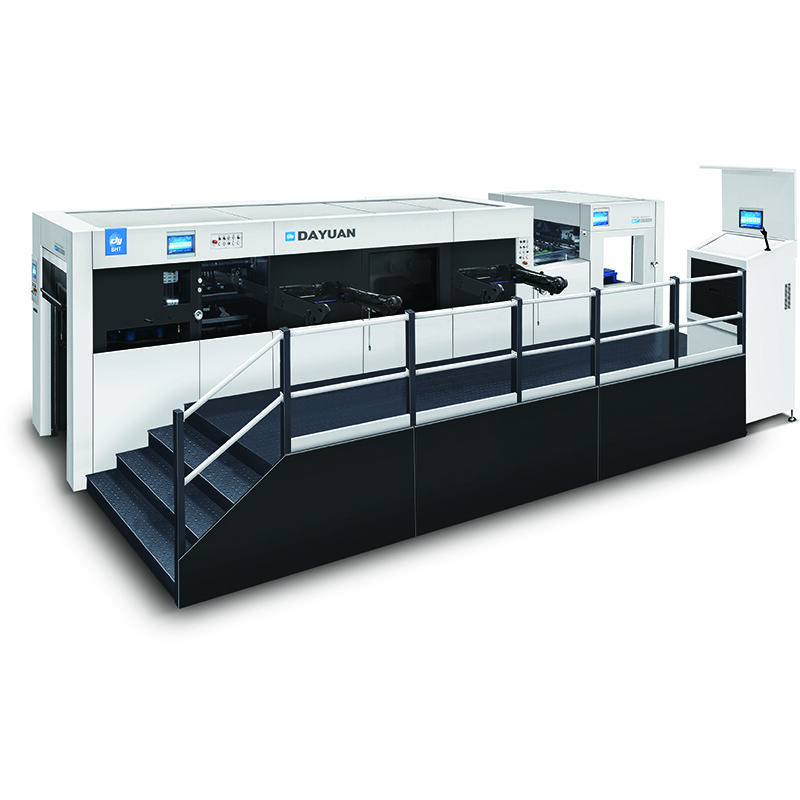
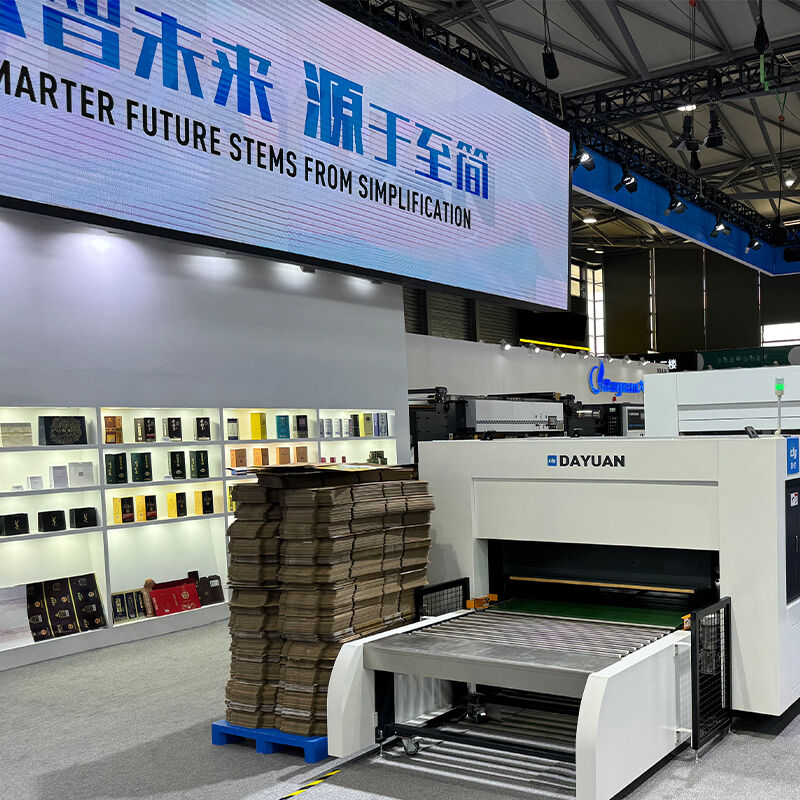
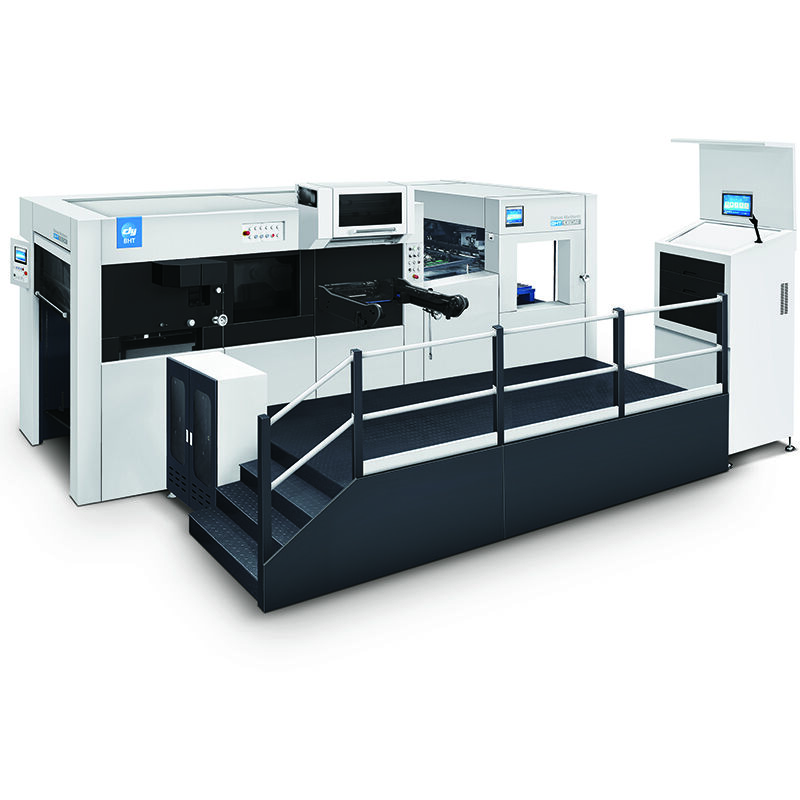
The financial benefits of implementing a professional die cutting machine extend far beyond the initial purchase price, delivering ongoing cost reductions that improve profitability with every production run. Material waste represents one of the largest controllable expenses in manufacturing, and the professional die cutting machine attacks this cost center with mathematical precision. The machine enables optimal nesting of cutting patterns, arranging shapes to maximize the number of finished pieces extracted from each sheet of raw material. Computer-aided design tools allow you to test various arrangements virtually, identifying the configuration that minimizes scrap before you commit any actual material. This optimization can improve material utilization by twenty to thirty percent compared to less systematic cutting approaches, translating directly into lower material costs per finished unit. For businesses processing expensive materials like leather, specialty textiles, or engineered plastics, these savings accumulate rapidly into substantial annual figures. The consistency of machine cutting also reduces the defect rate, meaning fewer pieces fail quality inspection and require disposal or rework. When every cut meets specifications, your yield rates approach theoretical maximums, squeezing the last bit of value from your material investment. Labor efficiency provides another powerful cost advantage because the professional die cutting machine requires minimal operator attention once a job begins running. One trained employee can supervise the machine while performing other tasks like quality sampling, die maintenance, or production scheduling. This productive multitasking contrasts sharply with manual cutting operations where workers must focus continuously on the cutting task itself. The throughput advantage means you complete jobs faster, allowing you to accept more work without expanding your workforce proportionally. Your labor cost per unit drops significantly, improving your competitive position on price while maintaining healthy profit margins. The machine's consistency also reduces the skill level required for basic operations, meaning you can train operators more quickly and pay standard manufacturing wages rather than premium rates for specialized craftspeople. Maintenance costs remain predictable with routine care, and modern machines feature components designed for longevity under production conditions. Energy consumption per piece produced remains low because the machine operates efficiently, and downtime costs diminish because reliable equipment runs consistently without unexpected failures that halt production.
 EN
EN