Versatility Across Materials and Applications
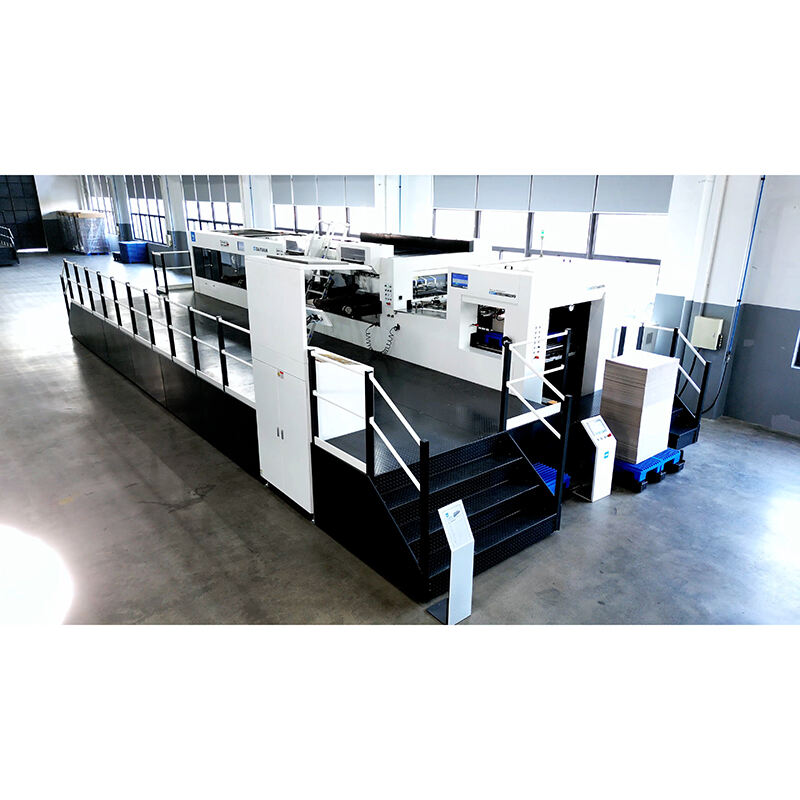
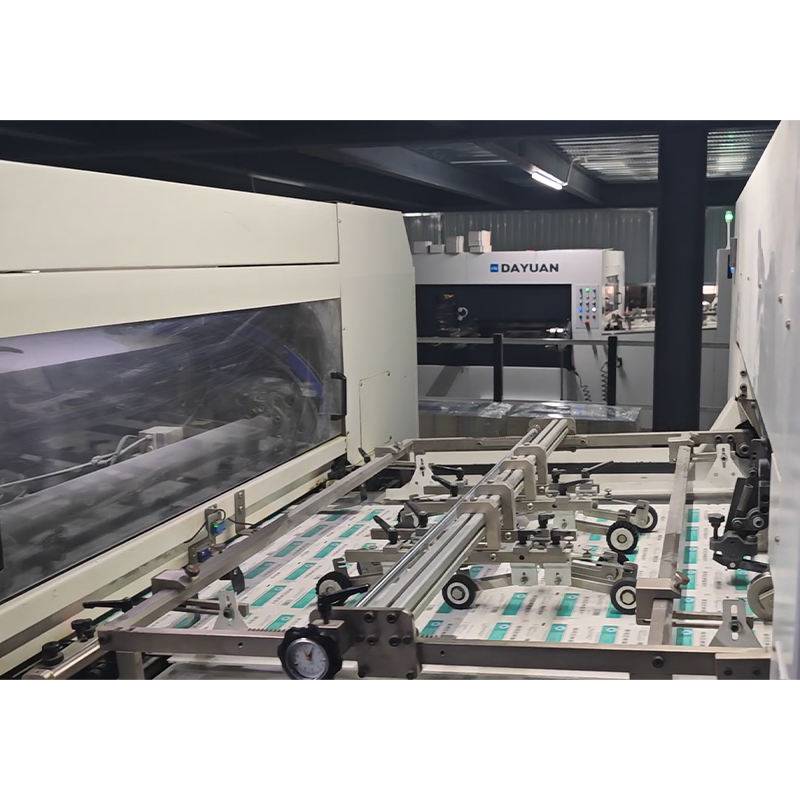
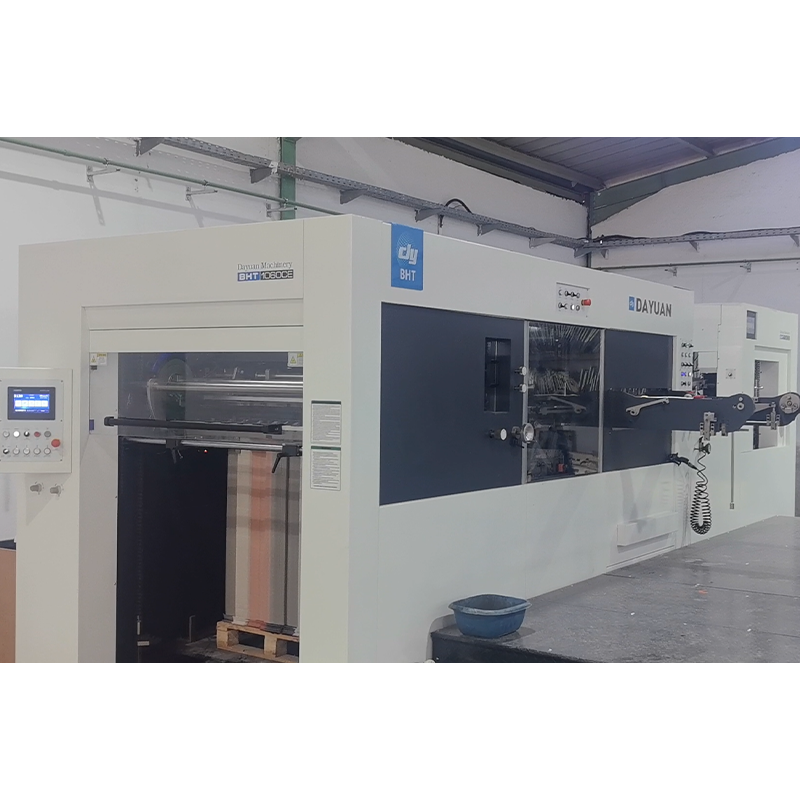
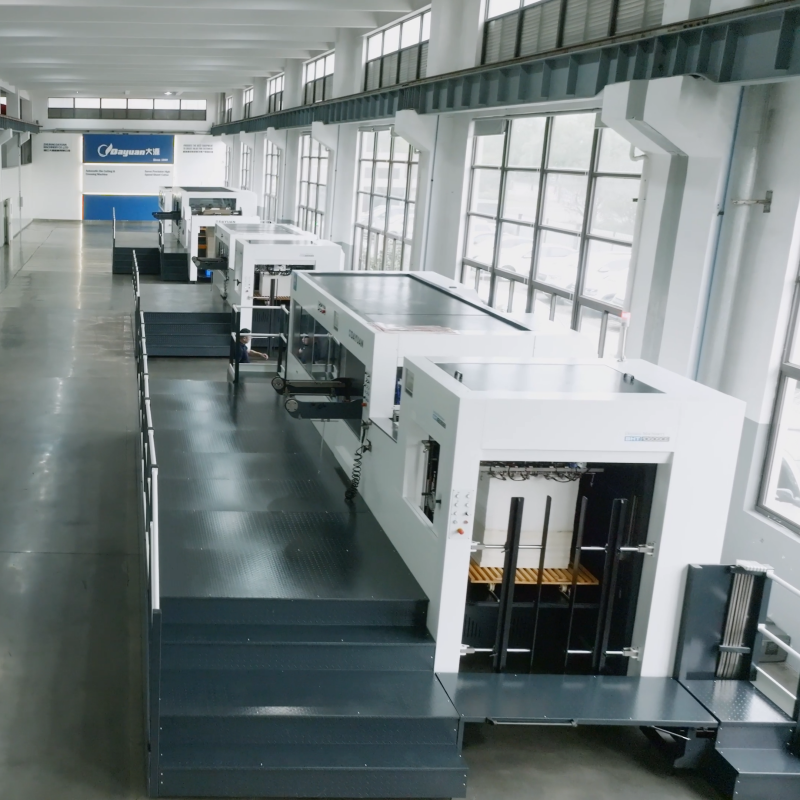
The breadth of applications supported by appropriate paper die cutting machine price selections makes these systems valuable across remarkably diverse industries and production requirements, from delicate tissue paper to rigid chipboard, from simple geometric shapes to intricate patterns with fine details. Quality machines accommodate material thickness ranges spanning several millimeters, allowing processors to cut everything from lightweight tissues and standard copy paper through heavy cardstock, folding carton board, and even some corrugated materials on robust industrial models, eliminating the need for multiple specialized machines and simplifying equipment management. This versatility extends beyond thickness to material types, with proper paper die cutting machine price investments supporting substrates including coated and uncoated papers, laminated sheets, pressure-sensitive label stocks, foam boards, and specialty materials like metallic papers or textured stocks that add visual interest to finished products. The applications span commercial printing operations producing custom folders, presentation materials, and marketing collateral with distinctive shapes that differentiate brands in competitive markets. Packaging manufacturers rely on die cutting for producing boxes, cartons, sleeves, and inserts with precise dimensions and consistent quality that ensure proper product fit and professional presentation on retail shelves. Label producers use these machines for cutting rolls into individual labels or creating shaped labels that enhance product appeal and brand recognition through distinctive silhouettes that stand out against standard rectangular formats. Book binding operations depend on die cutting for producing covers, dust jackets, and internal components with exact specifications that ensure proper assembly and professional finished appearance. The craft and hobby industry has embraced smaller-scale equipment at accessible paper die cutting machine price points for producing scrapbooking elements, greeting cards, and paper art with intricate details that would be impossible to achieve through manual cutting methods. Educational institutions utilize die cutters for producing teaching materials, classroom decorations, and student project components that enhance learning experiences through hands-on creative activities. The ability to use standard steel rule dies means businesses can create custom cutting patterns for specific applications without expensive tooling investments, with die fabrication costs measuring hundreds rather than thousands of dollars, making even short production runs economically viable and supporting the growing trend toward personalized and customized products that command premium pricing in consumer markets.
 EN
EN